

Therapy is worth every penny-but sometimes, you're in a spot where you need to feel better and can't afford to drop $120 on an hour. That's where the little shifts matter.
These aren't meant to replace real mental health care, but they have helped me stay grounded and pull out of funks before they spiral. They're small changes that don't take a lot of time or energy but add up fast when you're stuck. If you’re in one of those weeks where you’re holding it together with a thread, these might help.
Saying what I needed out loud

It sounds awkward, but actually saying, "I need help," or "I feel overwhelmed," out loud-even if no one's around-breaks the silence in your brain. You stop stuffing everything down and start recognizing what's going on.
Once you name it, you can figure out what needs to happen next. It takes your stress from abstract to actionable. This shift helped me stop spiraling in my head and actually deal with what I was feeling.
Taking things off my list without guilt

Some days, everything feels urgent-even the things that aren't. One of the best things I did was get honest about what actually had to happen and what could wait.
I started deleting or rescheduling the bottom half of my to-do list instead of trying to power through it. That mental permission made me feel less like a failure and more like a functioning human. It's not lazy-it's smart.
Turning off background noise when I was overstimulated

I used to always have a podcast or music going while working or cleaning. But when my stress was high, that constant noise made everything worse-even if I didn't realize it.
Now, when I'm overstimulated, I go quiet. No talking, no music, no extra input. It gives my brain space to come down a notch and reset. It's uncomfortable at first, but the relief hits fast.
Eating more actual meals instead of grazing

When I'm anxious, I tend to skip meals and snack through the day. But that usually leaves me low-energy, moody, and more anxious. Sitting down and eating real meals-even basic ones-helped a lot.
It wasn't about "eating healthy" as much as eating enough and not letting myself crash. A proper meal with protein and carbs steadied my energy and helped clear the fog I didn't even know I was in.
Checking in with one person instead of isolating

You don't always need a long talk or a deep check-in. Sometimes, a quick text or voice memo to someone who "gets it" helps remind you you're not alone in your head.
I've learned to send a quick message when I start pulling away from people-not because I want to talk, but because staying connected even in small ways helps. It takes two minutes and makes a difference.
Going outside without my phone
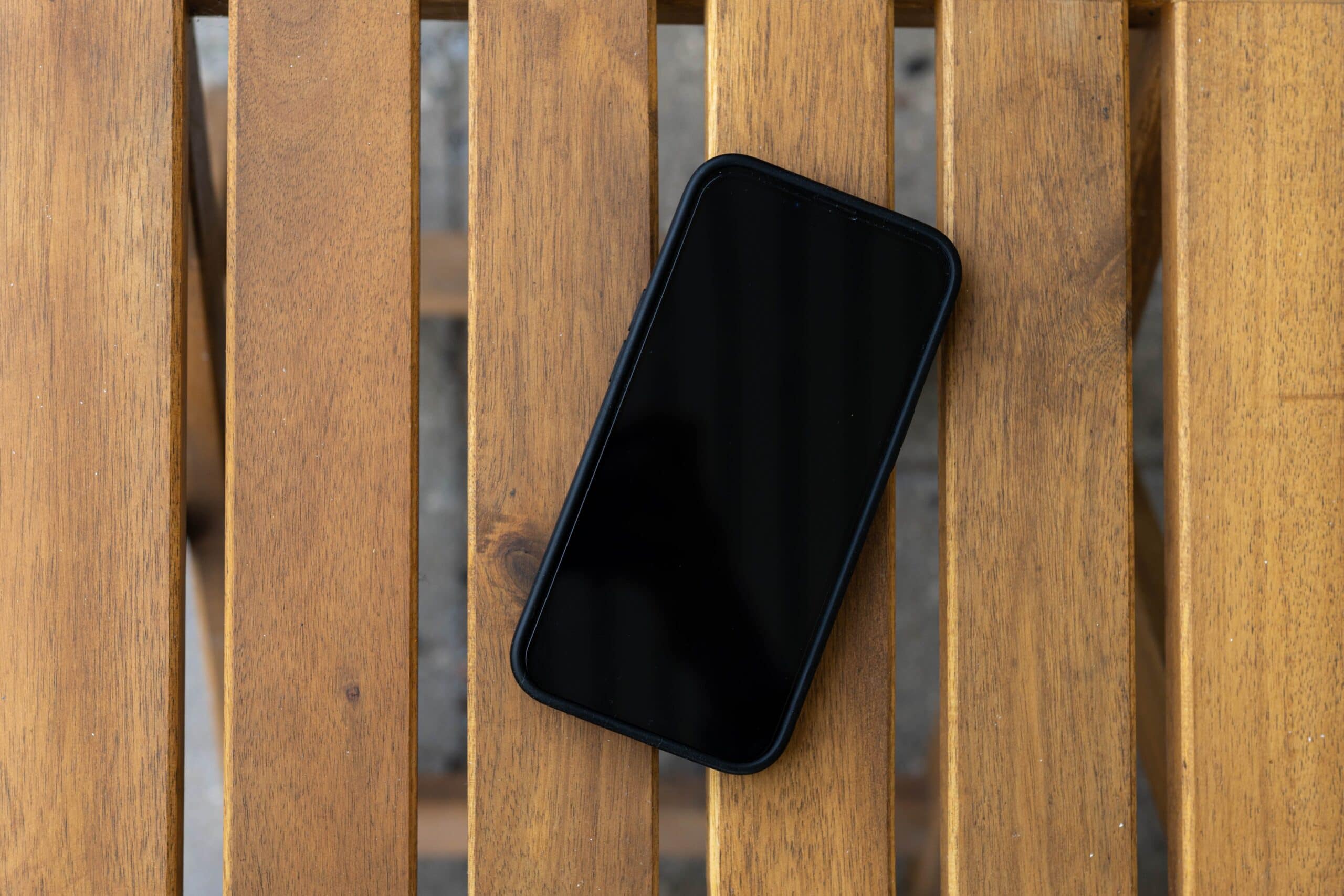
Even ten minutes outdoors without my phone calms my nervous system. No notifications, no doom-scrolling-just actual sunlight and a second to look around and breathe.
I'll walk the driveway, water a plant, or sit on the porch with coffee. Something about being away from screens and under the sky helps everything shrink back to the right size.
Letting myself cry without fixing it

I used to fight off crying like it meant I was falling apart. But the more I held it in, the worse I felt. Now, I let it happen when it needs to.
Sometimes a quick cry clears more tension than anything else. I don't try to stop it or explain it away. It's a release, and pretending I don't need it never helped me.
Drinking a full glass of water before doing anything else

It's basic, but when you're stressed or anxious, dehydration makes everything worse. I started drinking a full glass of water the second I noticed I felt off-and weirdly, it helped.
It doesn't fix the root of the problem, but it's a reset button. Getting physically grounded gives you a second to pause before reacting or spiraling. Most of us are walking around under-fueled and over-stimulated.
*This article was developed with AI-powered tools and has been carefully reviewed by our editors.






Leave a Reply