
You can be careful with money and still get nickeled to death on the internet. Platforms are designed to nudge you into tiny overspends that don't feel like anything-until the card statement shows up. Here are the traps I see the most and the simple ways around them.
Saving cards in every browser
Autofill makes checkout painless, which is the point. It also makes "just looking" turn into "oops, I bought it." Keep one browser without saved cards. If you really want the item, you'll go get your wallet. That tiny pause cuts a lot of "it was only $18" buys.
Falling for "compare at" pricing on marketplaces
Third-party sellers love a crossed-out price that looks impressive. Before you click, open a new tab and search the model number at a major retailer. If the "compare at" is made up, you'll see it immediately. You still might buy-but you'll buy at the true value.
Paying for faster shipping you don't need
The $6 to shave a day feels small. Do that four times a month and you paid for a membership you didn't plan on. Unless the item solves a time-sensitive problem, pick the free option and batch orders so you're not paying shipping on multiples.
Forgetting to cancel free trials
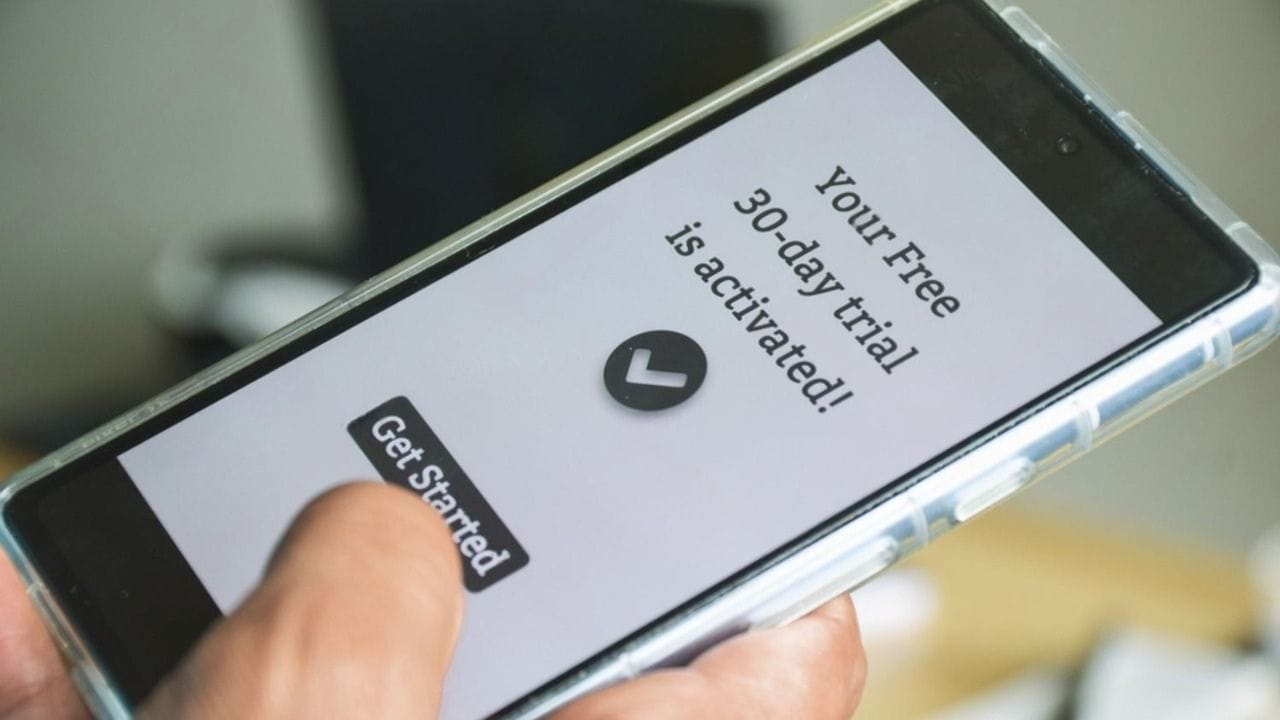
Trials flip to paid quietly. Start them on Fridays and set a calendar reminder for two days before the flip. If you haven't used the service twice by then, cancel. You can always restart when you actually need it.
Letting subscriptions draft on random dates
Even affordable plans cause overdrafts when they hit before deposits. Move drafts into the five-day window after payday or keep a tiny "draft buffer" in a second account so autopays don't ambush your checking. Timing is half the win.
Ignoring unit price online
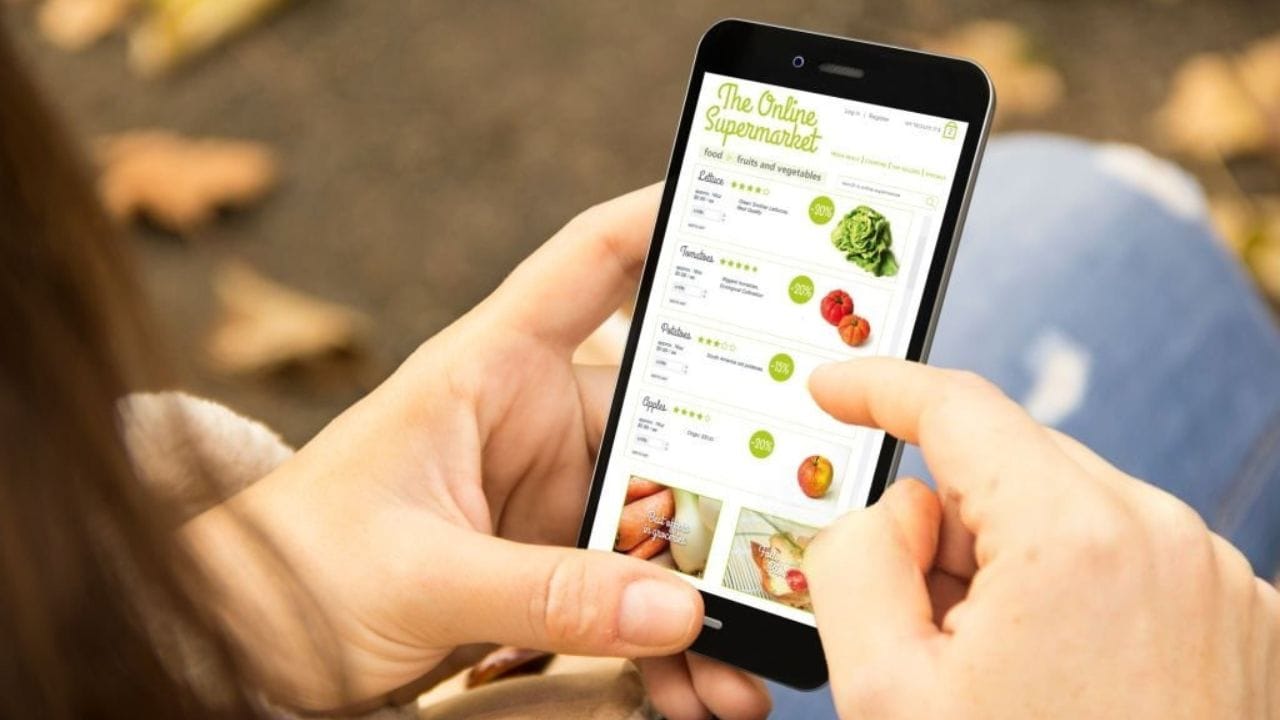
Grocery apps hide per-ounce math behind pretty photos. Tap in and compare sizes. The "sale" bottle often loses to the store brand or the larger size. If the app shows both in-store and delivery prices, check both-markups add up.
Buying add-ons to hit free shipping
If you're $7 short, add a pantry staple you always buy anyway-foil, zip-tops, baking soda-not a random item that wastes money and space. Better yet, use curbside pickup at in-store prices and skip the threshold game entirely.
Clicking through influencer links without a second look
I'm not anti-influencer. But language like "feels luxe" and "designer-inspired" is doing a job. Before you buy, look for specifics: ounces, materials, warranty, washability. One photo of the item in bad lighting tells you more than a dreamy video filmed at golden hour.
The internet is designed to be smooth. Your job is to add one or two bumps-an unsaved card, a calendar nudge, a quick unit-price check. You'll keep the convenience and lose the quiet leaks that make careful people wonder why their totals never drop.
*This article was developed with AI-powered tools and has been carefully reviewed by our editors.






Leave a Reply