
If your electric bill seems higher every season, it's not your imagination. Energy costs keep creeping up, and older fixtures or appliances can quietly waste more power than you think. The good news is that a few affordable upgrades can make a noticeable difference - not just in comfort, but in what you pay every month.
You don't have to gut your house or go solar to save money. A few smart changes can trim real dollars off your utility bill while making your home run more efficiently.
Swap Out Incandescent Bulbs for LEDs
LED bulbs might seem like a small swap, but they use about 75% less energy than old-school incandescent ones. They also last far longer, which means fewer replacements and less waste over time.
Even replacing a handful of frequently used bulbs can lower your electric bill noticeably. Look for Energy Star-rated LEDs for the best efficiency, and pay attention to color temperature - "warm white" keeps your lighting cozy without draining your wallet.
Install a Smart Thermostat
A smart thermostat learns your routine and automatically adjusts the temperature when you're asleep or away. That can cut your heating and cooling costs by up to 10% a year without any extra effort.
You can control it from your phone, so you never waste energy heating an empty house. Most models also track usage, helping you spot patterns that drive up your bill.
Seal Air Leaks Around Windows and Doors
Tiny drafts add up, especially in older homes. Warm or cool air slipping through cracks forces your HVAC system to work harder than it needs to.
A quick weekend project with weatherstripping or caulk can fix that. You'll feel fewer drafts, your system won't run as long, and you'll see the savings show up almost immediately on your next bill.
Add Insulation in the Attic
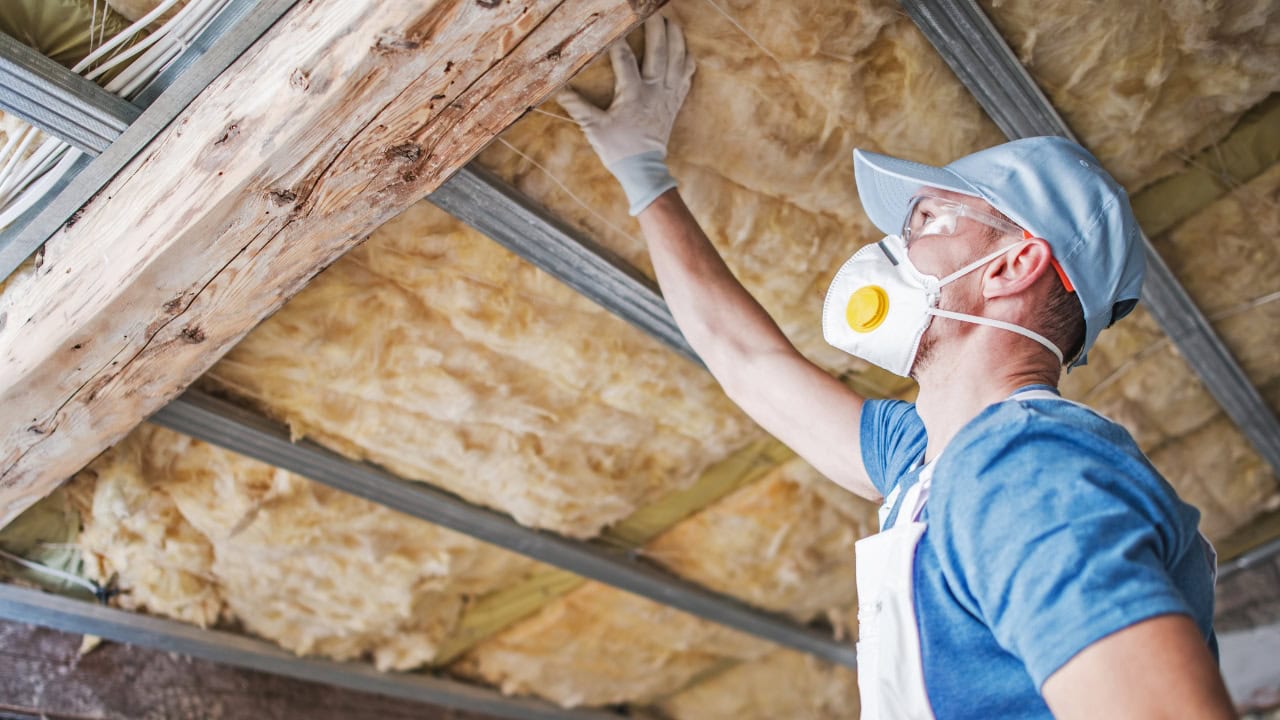
If your house struggles to stay warm in winter or cool in summer, your attic might be to blame. Heat loves to escape upward, and poor insulation is one of the biggest hidden energy drains.
Adding or upgrading insulation can stabilize your indoor temperature, which means your HVAC doesn't have to run as often. It's one of the highest-return projects for lowering long-term energy costs.
Upgrade to Energy-Efficient Appliances
Appliances built before the mid-2000s often use far more electricity than newer models. Energy-efficient refrigerators, washers, and dishwashers use less power and water without sacrificing performance.
Check for the Energy Star label before you buy. While the upfront cost might be higher, the long-term savings - especially on big appliances - can pay for the upgrade faster than you'd expect.
Install Ceiling Fans
Ceiling fans don't lower the temperature, but they move air in a way that helps you feel cooler in summer and warmer in winter. That lets you adjust your thermostat a few degrees without losing comfort.
Run them counterclockwise in the summer for a breeze, and switch to clockwise in winter to push warm air down. It's one of the simplest ways to give your HVAC system a break.
Replace Old Windows with Energy-Efficient Ones
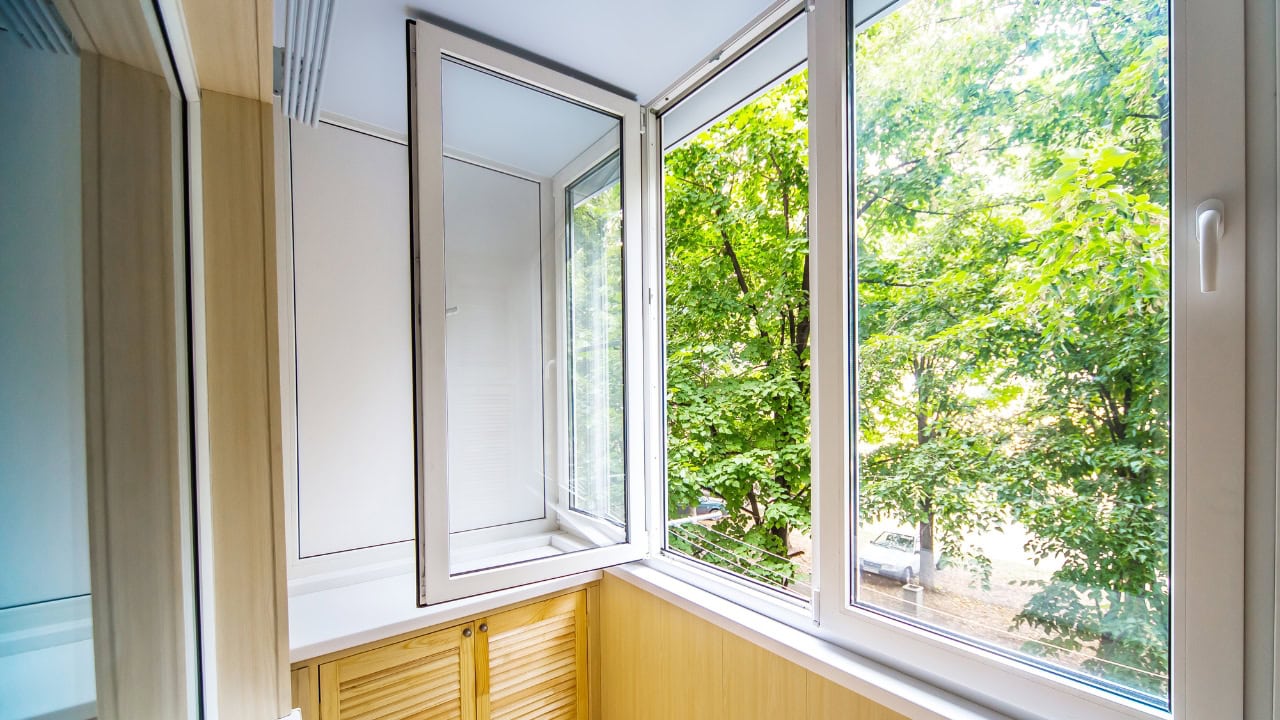
Single-pane or poorly sealed windows are a huge source of energy loss. Upgrading to double-pane, low-E glass can make your home significantly more efficient.
These windows help maintain indoor temperature and block unwanted heat from sunlight. If replacing windows isn't in the budget, adding thermal curtains or window film can still cut your energy loss dramatically.
Use Smart Power Strips
Electronics draw power even when they're turned off - something called "phantom load." Smart power strips automatically shut down devices that aren't in use, so you're not wasting electricity overnight or while you're out.
They're especially helpful for entertainment centers and home offices, where multiple devices stay plugged in all the time. It's an easy fix that quietly saves you money every month.
*This article was developed with AI-powered tools and has been carefully reviewed by our editors.






Leave a Reply