
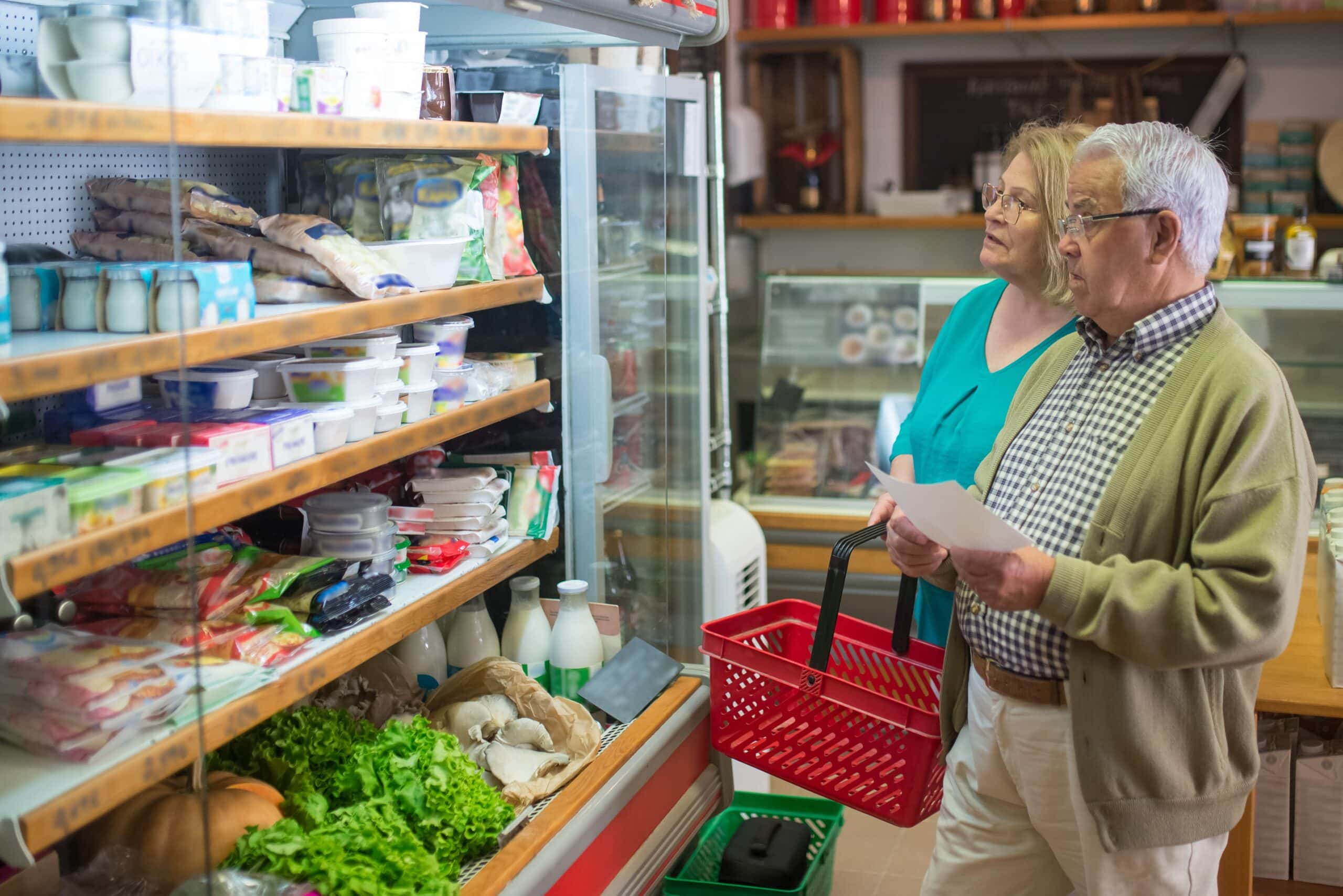
Grocery prices seem to climb every time I walk into the store. For a while, I thought the only way to save money was to give up foods I enjoyed or spend hours clipping coupons. Neither of those options sounded realistic, so I started experimenting with smaller changes instead.
Over time, I realized that saving money at the grocery store isn’t about finding one magic trick. It’s about building better habits that make shopping more intentional. These simple changes have helped me cut my grocery bill by hundreds of dollars each year, and I never feel like I’m missing out.
Here are the grocery habits that made the biggest difference.
Always “Shop” Your Kitchen First

Before I even think about making a grocery list, I open my refrigerator, freezer, and pantry. It’s amazing how often I already have ingredients for several meals but simply forgot they were there. Half-used bags of frozen vegetables, cans of beans, pasta, rice, or leftover chicken can all become dinner with just one or two additional ingredients.
Even if this habit only saves $10 or $15 each shopping trip, it adds up surprisingly fast over the course of a year.
Plan Meals Around Sales Instead of Cravings

I used to decide what sounded good first and then buy whatever ingredients I needed. Now I reverse the process. I look through the weekly sales flyer before planning my meals. If chicken is discounted, that’s what’s on the menu. If ground turkey or pork is the better value that week, I build recipes around those proteins instead.
The same goes for produce. Seasonal fruits and vegetables are often less expensive, fresher, and taste better than out-of-season options.
Keep a Running Grocery List All Week

Instead of trying to remember everything right before shopping, I keep a grocery list on my phone. Whenever I run out of something, I immediately add it. This simple habit prevents those extra grocery trips that always seem to end with far more in the cart than I intended to buy.
Having an organized list also helps me get in and out of the store faster, leaving less opportunity for impulse purchases.
Buy Fewer Convenience Foods

Convenience foods definitely have their place, especially during busy weeks. But I realized I was paying quite a bit more for items that only saved me a few minutes. Pre-cut fruit, shredded cheese, chopped vegetables, snack packs, and individually wrapped foods all carry a premium price.
Now I still buy them occasionally when they’re truly helpful, but most weeks I prepare these items myself. The savings are noticeable, especially over time.
Freeze Leftovers Before Getting Tired of Them
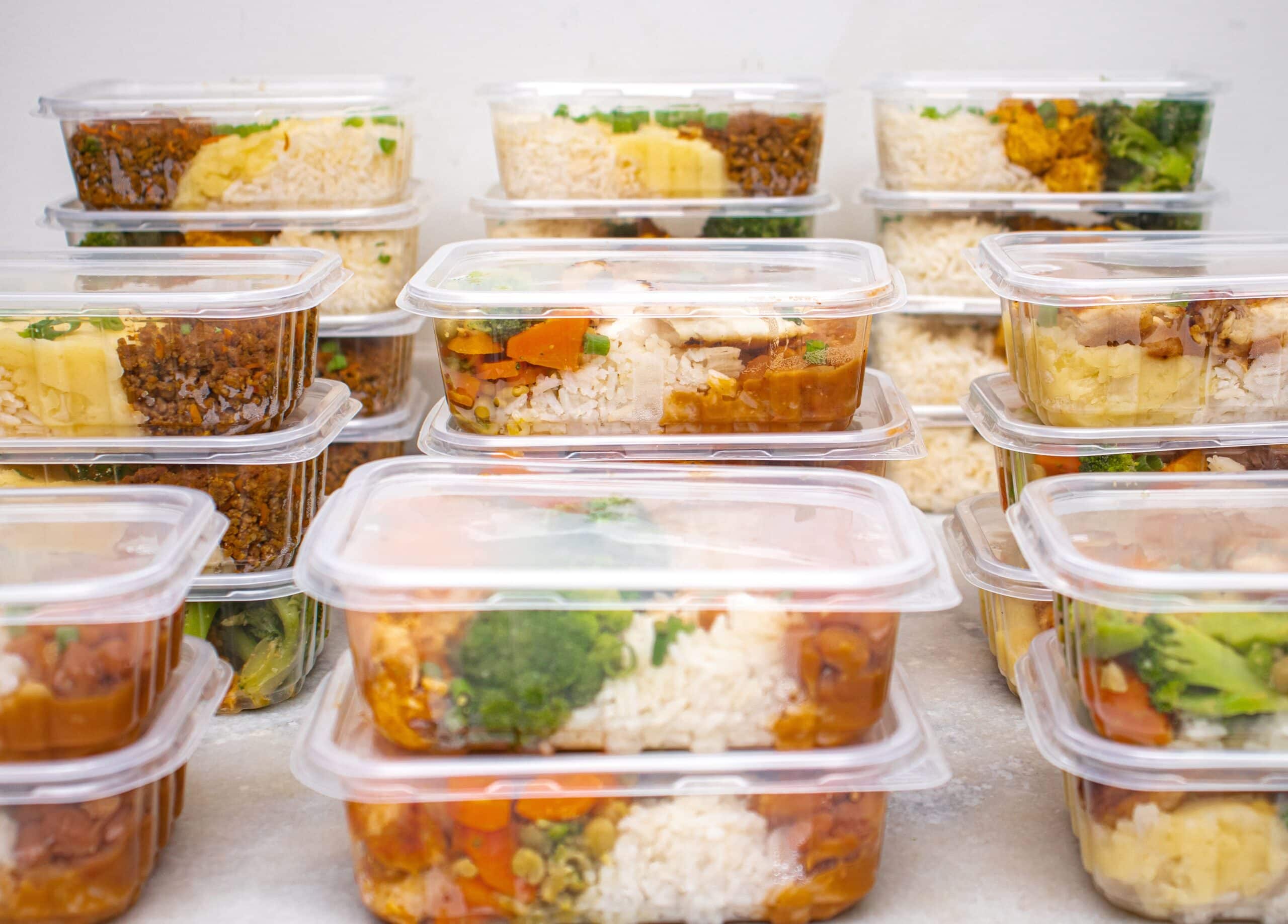
One of the biggest reasons food used to go to waste in my house was simple: we got tired of eating the same leftovers. Instead of forcing myself to eat them all week, I freeze extra portions while they’re still fresh.
A few weeks later, those meals feel new again. This has dramatically reduced food waste and has also created a collection of homemade freezer meals for busy days when I’m tempted to order takeout.
Stick to One Grocery Store Most Weeks

It can be tempting to chase every sale across town. But once I factored in gas, time, and extra impulse purchases, I realized multiple shopping trips weren’t saving as much as I thought.
Now I choose one primary grocery store and only visit another if there’s a truly exceptional deal. Having a familiar shopping routine also makes it easier to recognize normal prices and spot genuine bargains.
Treat Expensive Ingredients Like Special Occasions
Premium cheeses, specialty snacks, gourmet desserts, and imported products can quickly inflate a grocery bill. Instead of eliminating them entirely, I simply buy them less often.
When they become occasional treats rather than weekly purchases, I appreciate them more and save money at the same time. It feels like a reward instead of a sacrifice.
Leave a Little Room to Budget for Unexpected Deals

One habit that has paid off repeatedly is avoiding the temptation to spend every dollar on my list. If I budget $150, I might only plan to spend $140.
That leftover cushion lets me take advantage of clearance meat, discounted produce, or unexpected markdowns on pantry staples. Those small opportunities have helped me build a well-stocked pantry while spending less over the long run.
*This article was developed with AI-powered tools and has been carefully reviewed by our editors.






Leave a Reply