
The holiday season is a busy time for shopping, travel bookings, charitable donations, and reconnecting with family. Unfortunately, it’s also a prime opportunity for scammers to take advantage of people who are distracted by their holiday plans. Artificial intelligence is making some of these scams more convincing. Fraudulent messages can sound natural, fake websites can look professional, and scammers can use realistic voices and images to make their stories seem legitimate. Even people who know the usual warning signs may find it harder to distinguish a scam from a genuine offer or request. Here are some ways AI is changing holiday scams and what you can do to protect yourself!
Fake Shopping Websites Look More Professional

AI tools can help scammers create polished websites, product descriptions, advertisements, and customer reviews in less time than before. A fraudulent online store may look just as professional as a legitimate retailer, complete with attractive product photos and convincing sales copy. During the holidays, these sites may advertise steep discounts on popular gifts, electronics, clothing, toys, or home goods. Shoppers eager to find a bargain may place an order without realizing the seller is fake.
Before buying from an unfamiliar store, research the business independently and check its return policy and contact information. Be cautious of prices that seem unrealistically low, and don’t assume a professional-looking website proves a retailer is trustworthy.
Phishing Emails Sound More Like Real Companies
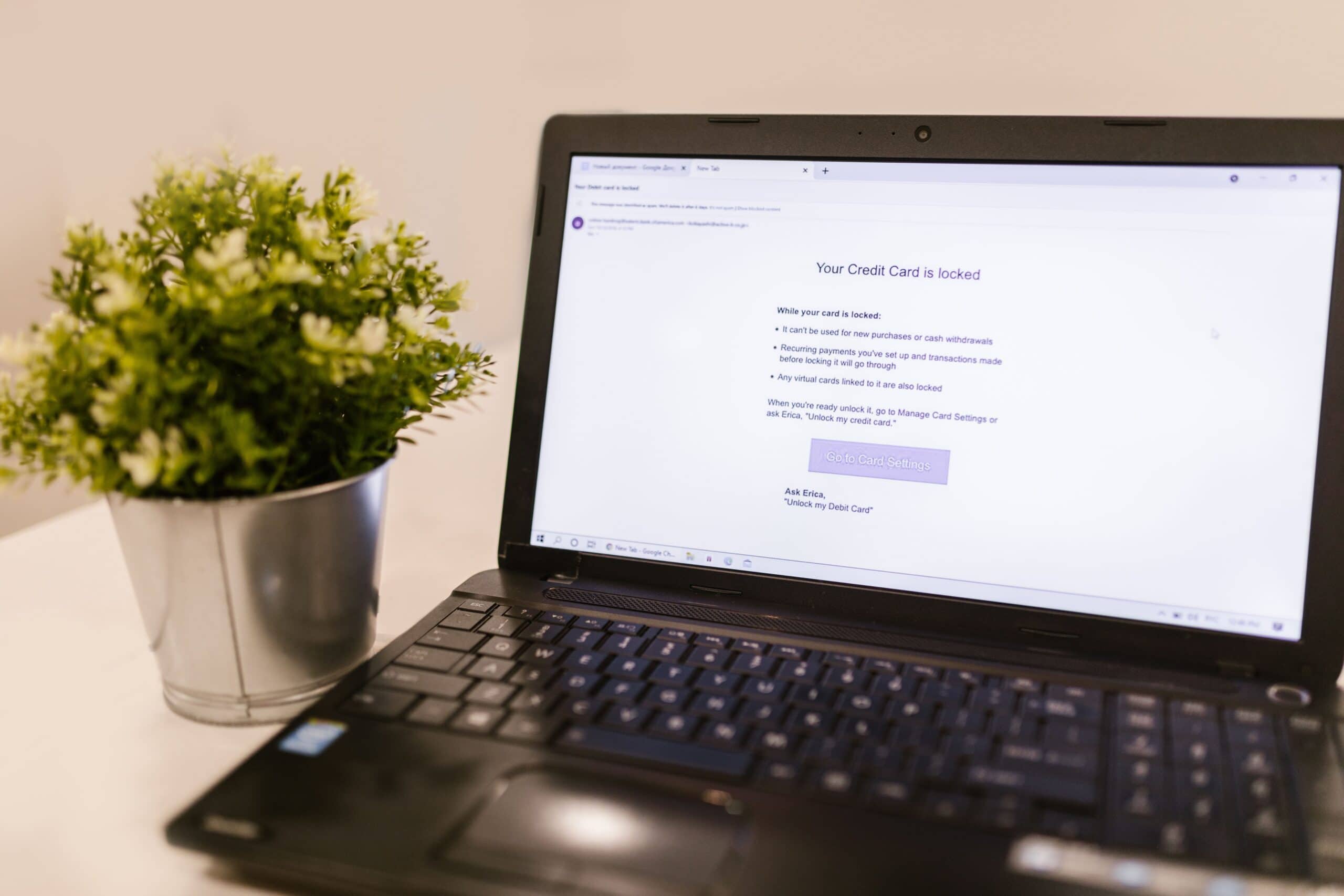
Traditional scam emails sometimes contained awkward wording, spelling mistakes, or strange phrases. AI can help scammers write messages that are fluent, personalized, and much more believable. You might receive an email claiming there’s a problem with a holiday delivery, a suspicious charge on your account, or an issue with a reservation. The message may use the name of a familiar company and encourage you to click a link to resolve the supposed problem. Instead of judging a message by its grammar, check whether the request makes sense and whether it asks you to provide sensitive information. If you’re concerned about an order or account, open the company’s official app or website yourself rather than clicking an unexpected link!
Voice Cloning Makes Fake Emergency Calls More Convincing

AI voice-cloning tools can imitate someone’s voice using audio recordings. A scammer may use this technology to impersonate a relative who supposedly needs urgent financial help. The call might involve a lost wallet, a travel emergency, an accident, or an unexpected expense just before a holiday gathering. Hearing a familiar voice can make the situation feel real, especially when the caller sounds frightened and insists that you act immediately.
If a family member calls unexpectedly to ask for money, pause and verify the story. Hang up and call them back using a number you already have. If you can’t reach them, contact another trusted relative before sending money or sharing financial information.
Fake Holiday Giveaways and Charities Seem More Believable

AI can help scammers create emotional stories, realistic images, and convincing social media posts for fraudulent giveaways or charity appeals. You might see a post claiming that a company is giving away expensive products or that a charitable organization urgently needs donations for families in crisis. The images and wording may look credible, but they don’t necessarily prove that the promotion or organization is genuine. Before donating or entering a giveaway, find the organization or company through its official website and verify that the offer actually exists. Be especially wary of requests for payment to claim a prize or demands for banking details to receive a supposedly free gift.
Fake Videos Can Impersonate Trusted People
AI-generated videos, often called deepfakes, can make it appear that a real person is saying or doing something they never actually did. Scammers may use these videos to impersonate celebrities, company representatives, financial personalities, or even people you know. During the holiday shopping season, a fake endorsement could promote a fraudulent product or investment. In another scenario, a convincing video message might be used to support an urgent request for money.
Seeing someone’s face on a screen isn’t enough to verify an offer or identity. Check the claim through an independent, trusted source, and don’t make financial decisions based solely on a video, advertisement, or social media post.
Fake Travel and Booking Messages Arrive at the Worst Time

Holiday travel creates opportunities for scammers to send messages about canceled flights, hotel reservations, payment problems, or supposed booking changes. AI can help them write personalized messages that sound like routine customer service communications. A fraudulent message might claim that you must pay an additional fee immediately to keep your reservation. It may include a booking reference or details that make the message appear connected to your trip. If you receive an unexpected travel alert, don’t automatically click the link or call the number provided. Check your reservation through the airline’s, hotel’s, or booking platform’s official website or app. If a payment is genuinely required, confirm the details directly with the provider first!
*This article was developed with AI-powered tools and has been carefully reviewed by our editors.






Leave a Reply