

A canceled flight can quickly disrupt holiday plans, especially when you’re traveling to visit family, attend celebrations, or connect to another destination. During busy travel periods, finding another available seat can be difficult, and last-minute hotel stays or transportation changes may add unexpected expenses.
Although you can’t always prevent a cancellation, knowing what to do next can help you protect your travel plans and avoid unnecessary costs. If your flight is canceled, try not to make rushed decisions before understanding your options.
Contact the Airline Immediately

As soon as you receive a cancellation notification, contact the airline to find out what happened and what options are available. You can usually do this through the airline’s mobile app, website, customer service phone line, or airport service counter. During the holidays, customer service lines can become crowded, so try using multiple contact methods. While waiting on the phone, check the airline’s app for available replacement flights or rebooking options. If you’re already at the airport, speak with an airline representative as well. Ask whether you can be placed on the next available flight and whether the airline can offer an alternative route through another connecting airport. If you have an important event or a connecting flight, explain your situation so the representative understands your timing concerns.
Check Your Rebooking Options Before Buying Another Ticket
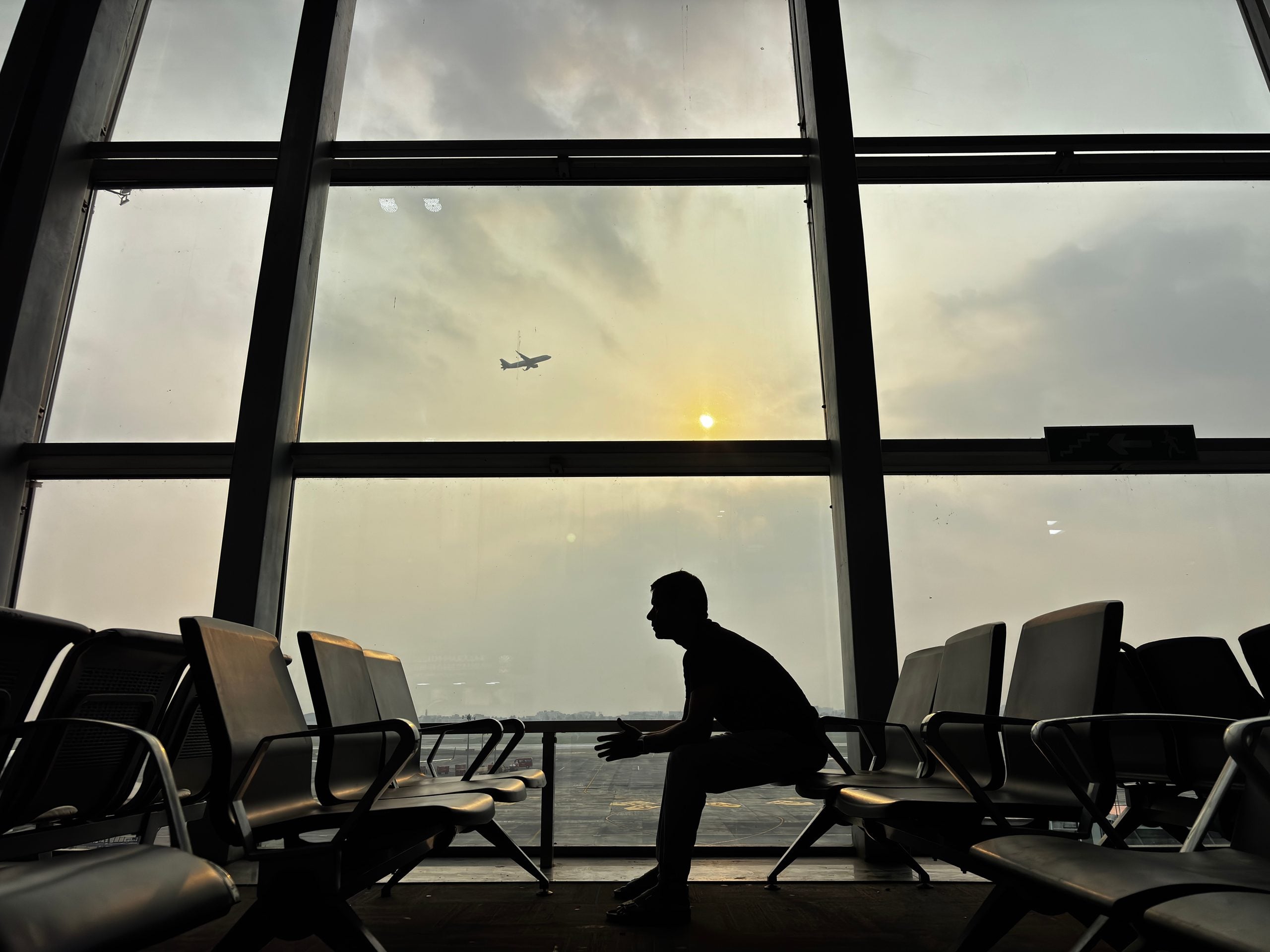
Most airlines offer some form of rebooking assistance when they cancel a flight, but the available options and policies vary. Before purchasing a replacement ticket yourself, find out whether the airline can move you to another flight without charging an additional fare. Ask whether there are alternative departures later that day, flights the following morning, or routes through nearby airports. You can also ask whether the airline has agreements with partner carriers that might offer an alternative way to reach your destination.
If you find a suitable flight with another airline, ask your original carrier whether it will arrange or pay for that alternative. Don’t assume it will automatically cover a ticket you purchase independently. Getting approval before spending additional money can help prevent disputes over reimbursement later.
Understand Your Right to a Refund

If you’re traveling on a flight to, from, or within the United States, federal rules generally entitle you to a refund when an airline cancels your flight, regardless of the reason, if you choose not to travel or accept an alternative offered by the airline. This applies even if you purchased a nonrefundable ticket. You can generally choose between accepting an alternative flight and receiving a refund. If you decide not to travel and reject the airline’s rebooking or other compensation offers, the refund must be issued to your original form of payment. A refund is generally due within seven business days for credit card purchases or 20 calendar days for other forms of payment.
Be careful before accepting a travel voucher or credit if you would rather receive your money back. Once you accept an alternative form of compensation or rebooking, you generally give up your right to a refund under these cancellation rules. Review the airline’s offer before making a decision.
Ask About Meals, Hotel Accommodations, and Transportation

If your canceled flight leaves you waiting for several hours or overnight, ask the airline whether it provides assistance with meals, lodging, or transportation. Some U.S. airlines have committed to providing certain amenities when cancellations result from circumstances within their control, such as maintenance or crew problems. However, these benefits aren’t guaranteed in every situation. Weather-related disruptions and other circumstances outside an airline’s control may be treated differently, and each carrier has its own customer service commitments. If you need a hotel or meal while waiting for your replacement flight, ask an airline representative what expenses may be covered before paying out of pocket. Keep receipts for any purchases and save written confirmation of any assistance the airline promises. You can also check the U.S. Department of Transportation’s Airline Cancellation and Delay Dashboard to review the commitments made by individual airlines.
Review Your Travel Insurance and Credit Card Benefits

If you purchased travel insurance, check your policy to see whether it covers expenses resulting from a canceled flight. Depending on the policy and the reason for the cancellation, you may qualify for reimbursement for additional lodging, meals, transportation, or other covered expenses. You should also review the travel protections associated with the credit card you used to purchase your ticket. Some cards offer trip interruption or delay benefits, but coverage requirements, waiting periods, reimbursement limits, and eligible cancellation reasons vary. Keep your original itinerary, cancellation notification, replacement booking information, and receipts. Insurance providers and credit card benefit administrators may require documentation before approving a claim. Don’t assume every expense will qualify, and check whether the airline has already reimbursed any portion of your costs.
*This article was developed with AI-powered tools and has been carefully reviewed by our editors.






Leave a Reply