
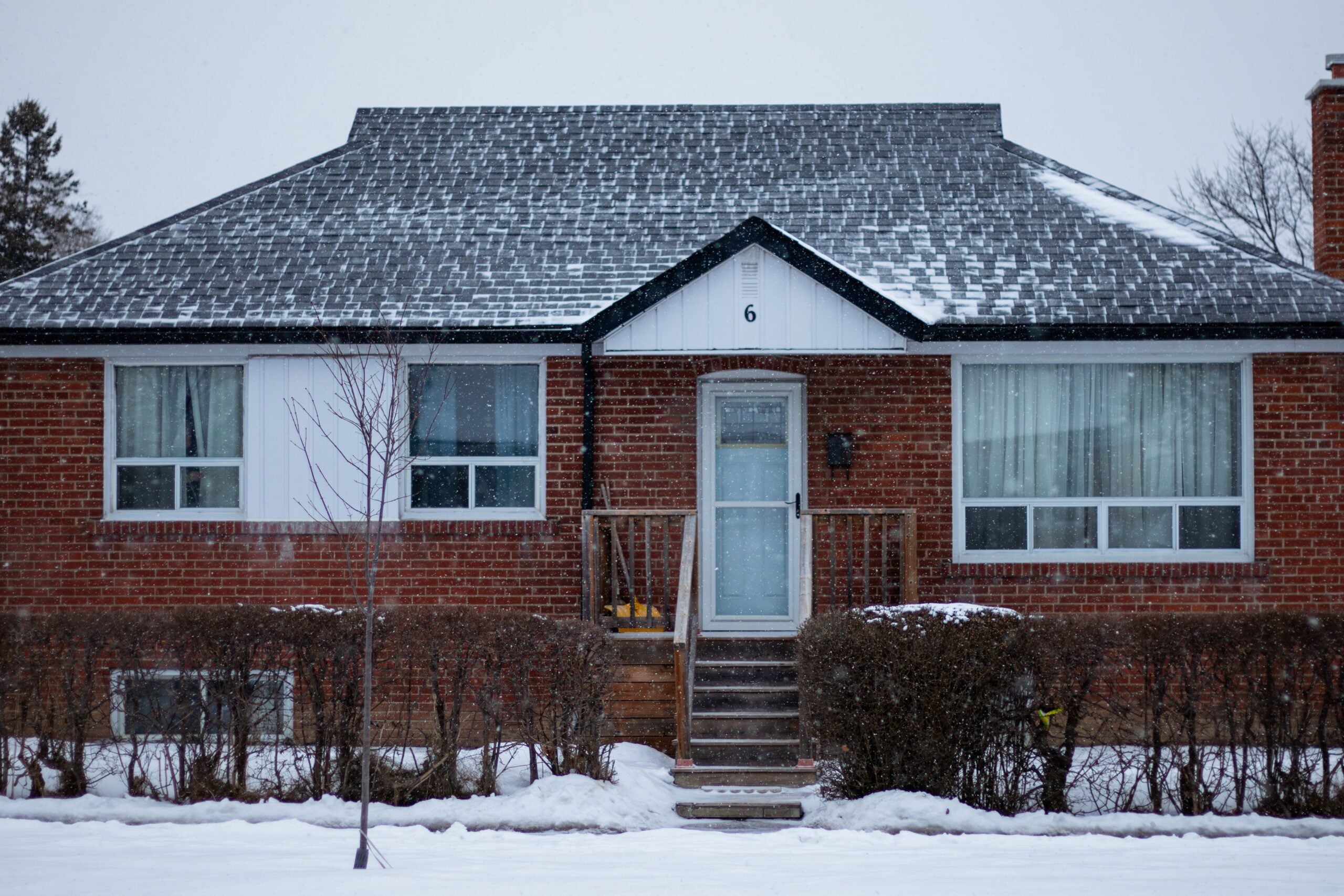
Winter can be hard on a home, particularly when cold temperatures, snow, ice, and strong winds arrive. A small maintenance problem that seems manageable in the fall can become a much more expensive repair once freezing weather sets in.
The good news is that you don’t necessarily need to tackle every home project at once. Focusing on the repairs that can prevent water damage, heat loss, or equipment failures can help you prepare your home before winter weather arrives.
Check the Roof for Damage
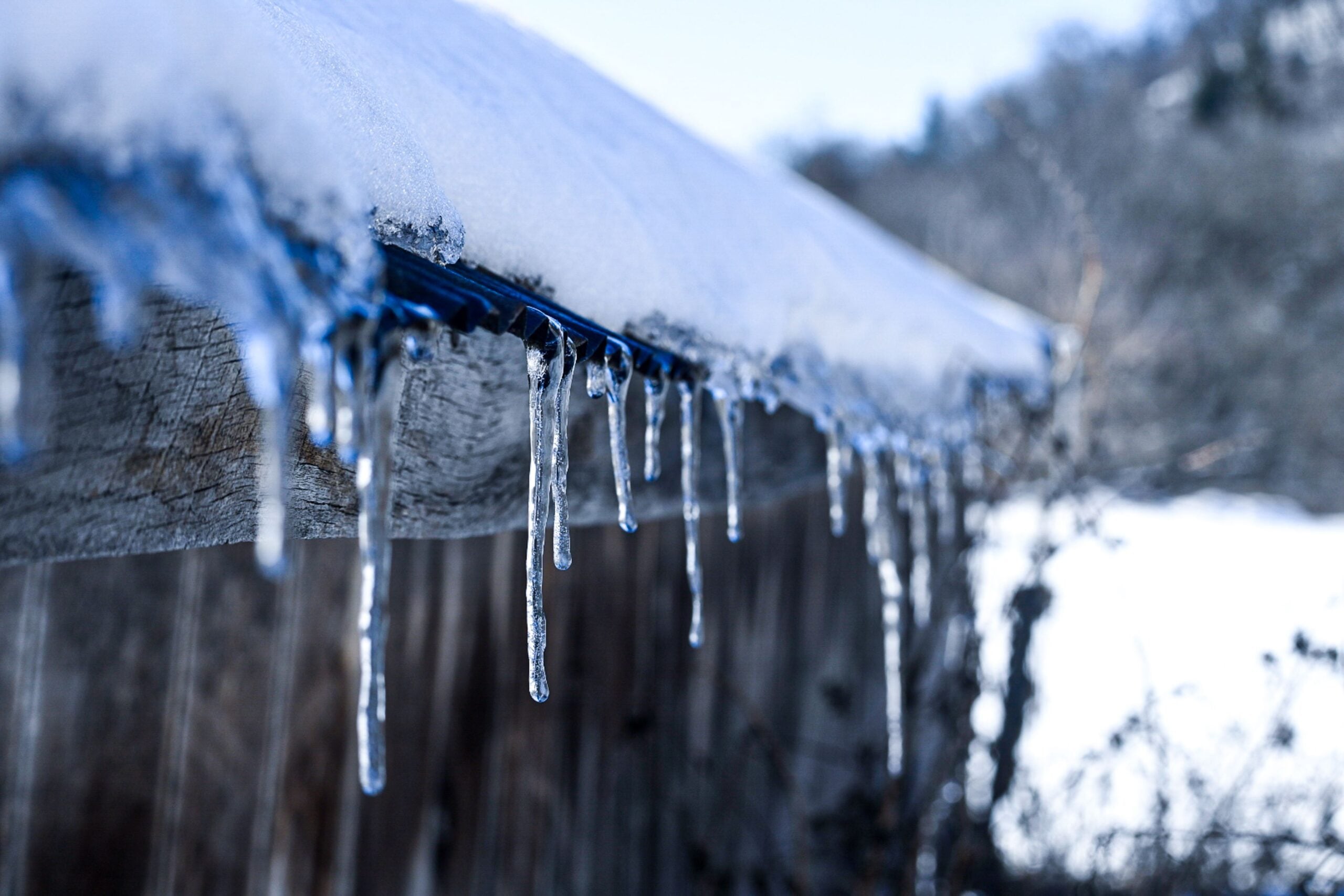
Your roof has an important job during winter, when snow, ice, rain, and strong winds can put additional stress on it. Look for missing or damaged shingles, cracked flashing, damaged vents, and other visible problems. Small leaks may not seem urgent during mild weather, but water can cause much more extensive damage if it gets into the attic, insulation, ceilings, or walls. If you’re not comfortable inspecting the roof yourself, consider having a qualified professional take a look before severe weather arrives. Addressing a minor problem in the fall can be easier than dealing with water damage in the middle of winter.
Clean and Repair Gutters
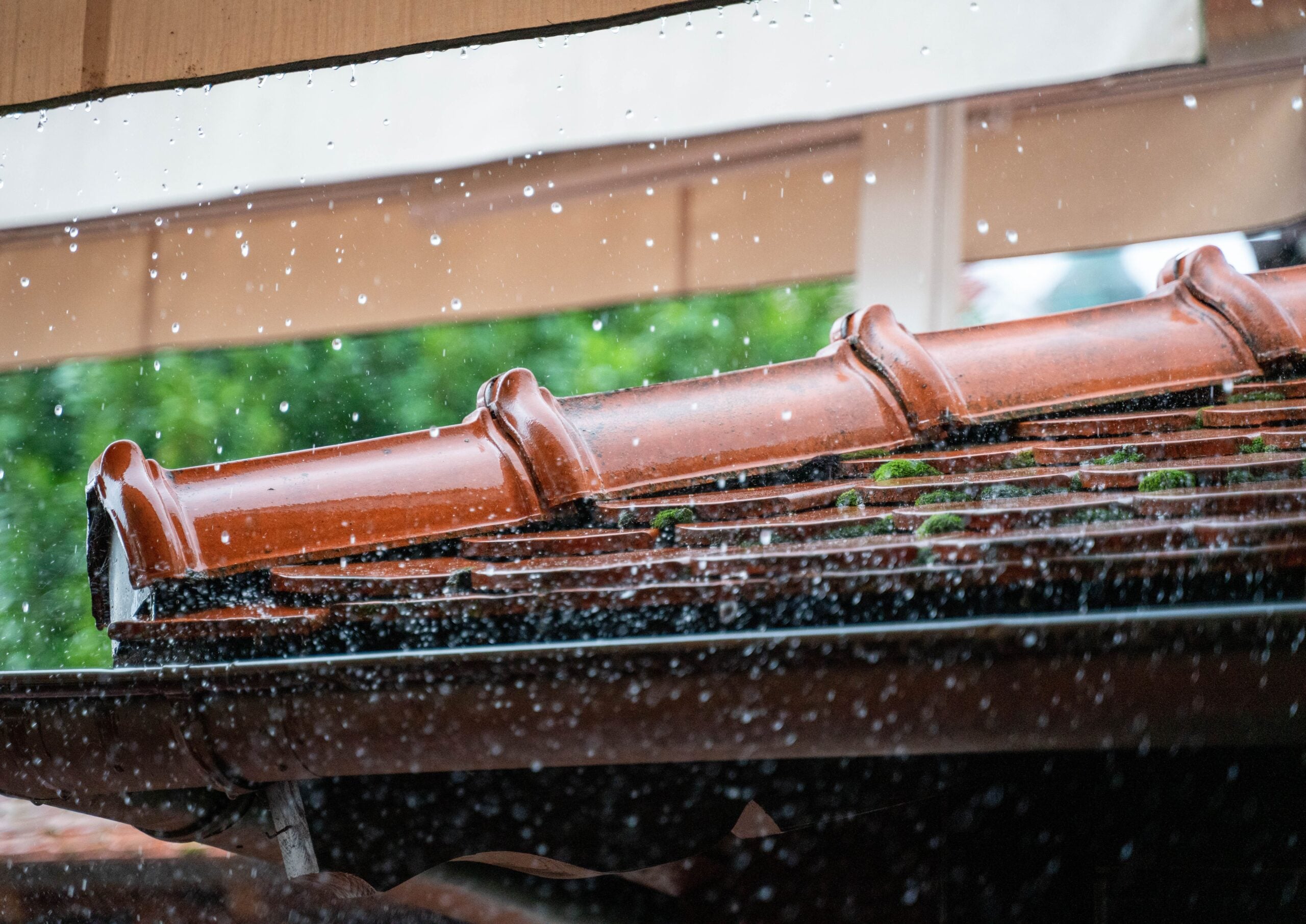
Gutters that are clogged or damaged can prevent water from draining properly away from your home. Leaves and other debris can accumulate during the fall, blocking the flow of rainwater. When temperatures drop, trapped water can freeze, potentially contributing to damaged gutters and drainage problems.
Clean the gutters and downspouts and make sure water is being directed away from the foundation. If you notice loose sections, leaks, or damaged components, taking care of them before winter can help prevent bigger problems later.
Service Your Heating System
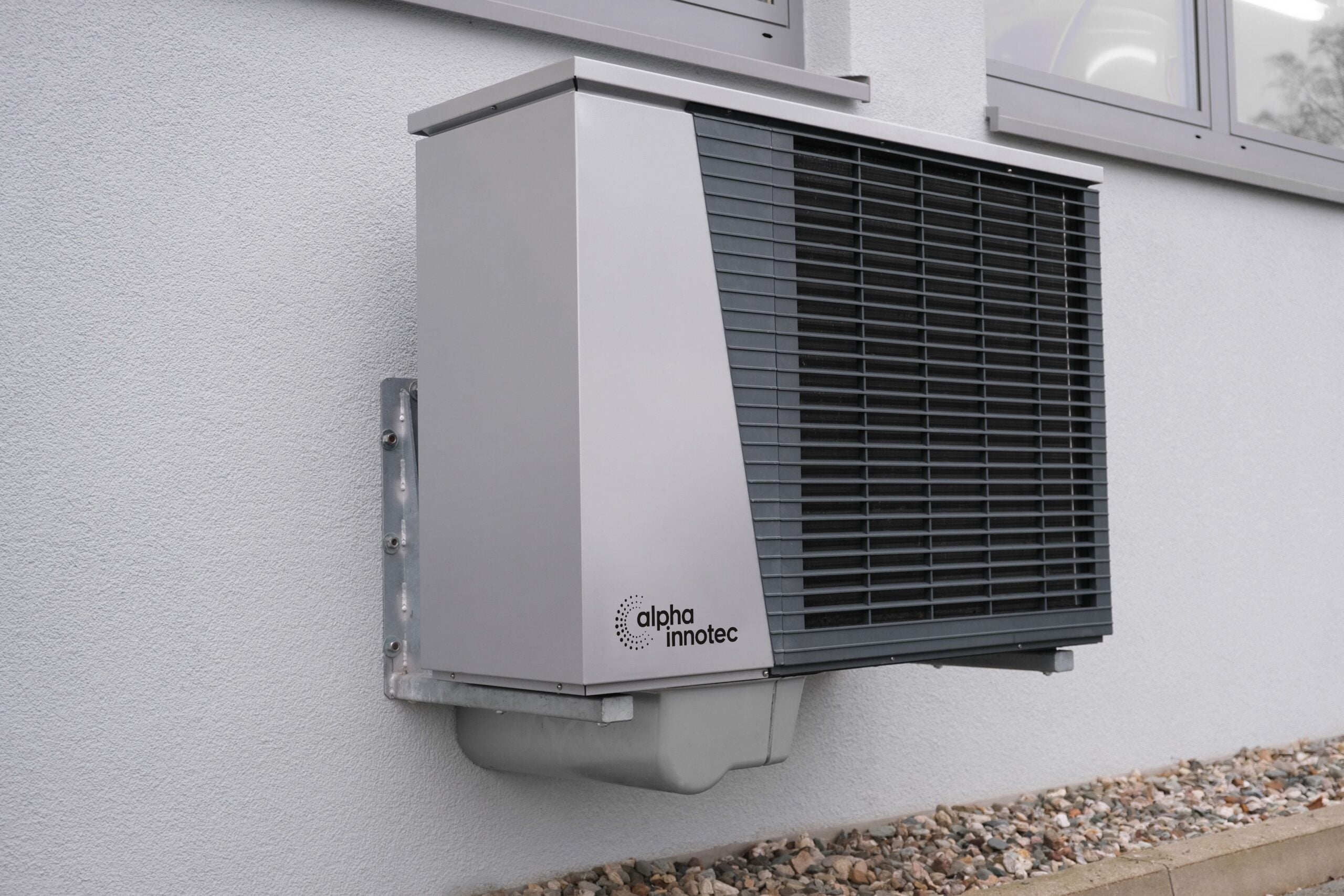
The middle of a cold winter is a particularly inconvenient time for a heating system to stop working. Have your furnace, boiler, heat pump, or other heating equipment inspected and serviced according to the manufacturer’s recommendations. Replace filters when appropriate and make sure vents and registers aren’t blocked. If your heating system is old or has been showing signs of trouble, don’t wait until the first major cold spell to investigate. Getting a repair or replacement estimate ahead of time gives you more options than dealing with an emergency breakdown.
Seal Drafts Around Doors and Windows
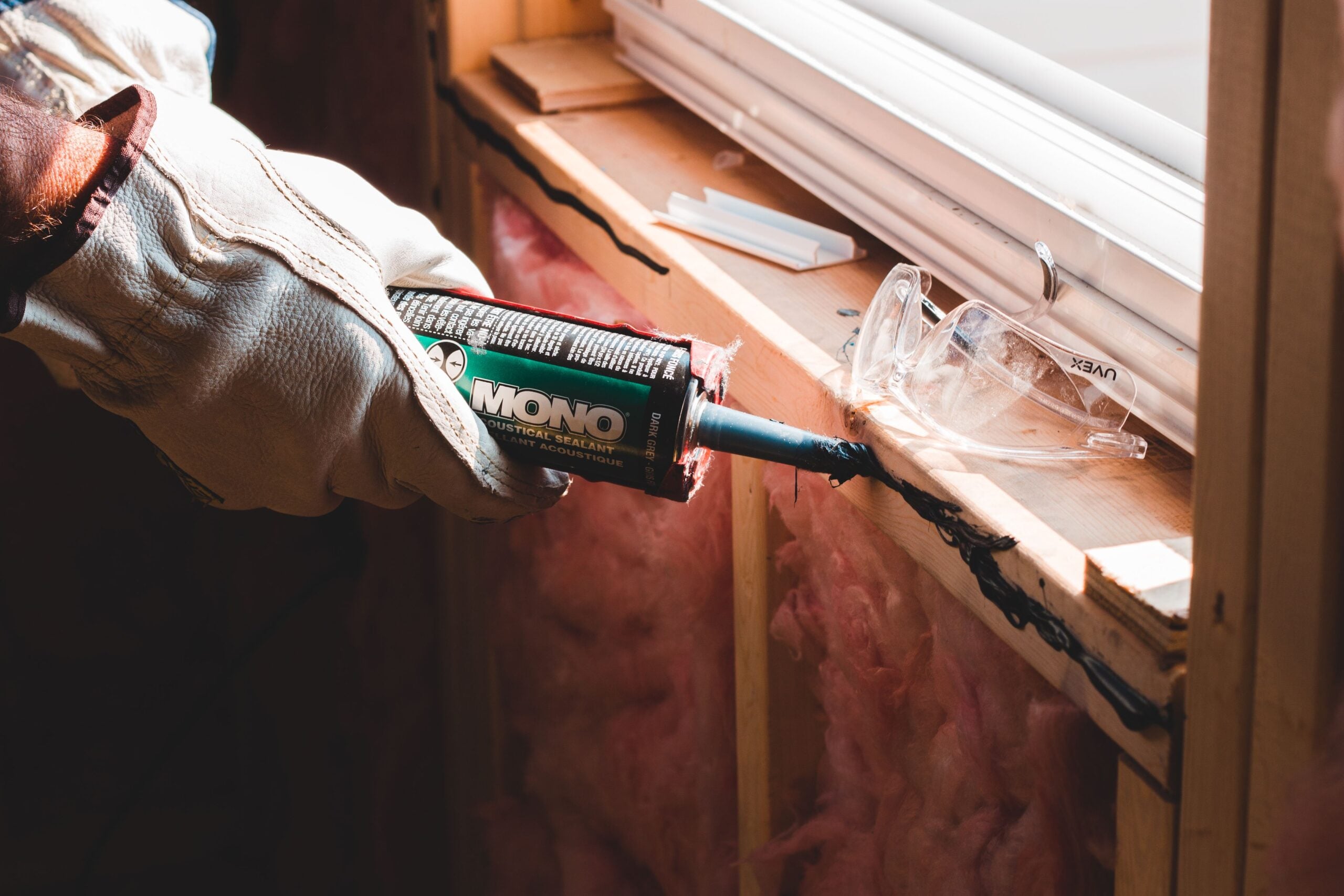
Small gaps around windows and doors can allow heated air to escape and cold air to enter. Check weatherstripping, caulking, door sweeps, and other areas where you can feel a draft. Replacing worn weatherstripping or resealing a small gap may be relatively simple compared with paying higher heating bills throughout the season. Don’t forget less obvious areas, such as basement windows, attic access points, and openings around pipes or utility lines.
Inspect Pipes in Vulnerable Areas
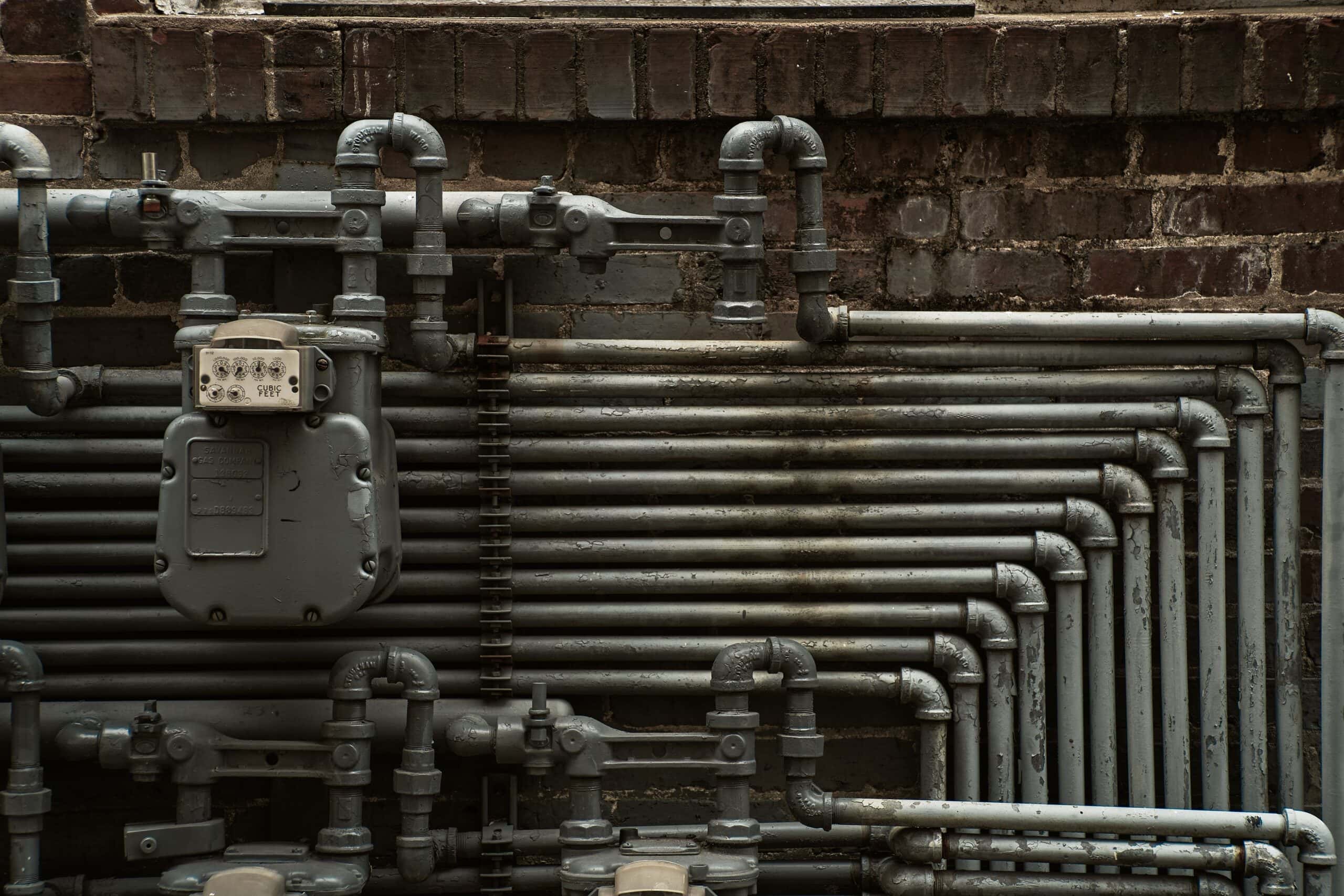
Frozen pipes can lead to serious water damage if they burst. Before temperatures fall, check pipes located in unheated areas such as garages, basements, crawl spaces, or exterior walls. Insulating vulnerable pipes can help protect them from freezing temperatures.
It’s also worth knowing where your home’s main water shutoff is located. If a pipe does burst, being able to quickly turn off the water can help limit the damage while you arrange for repairs.
Address Exterior Cracks and Water Problems
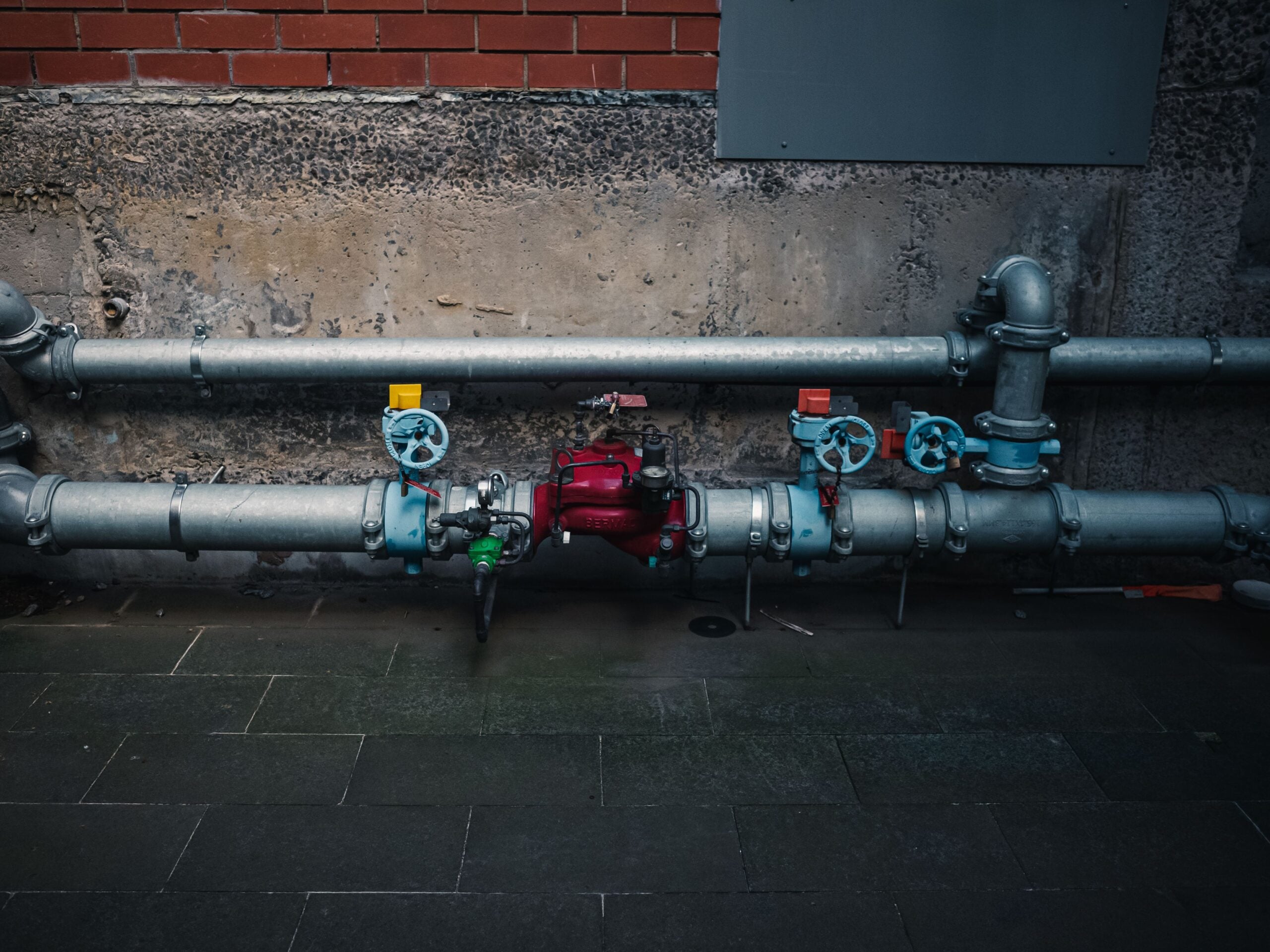
Small cracks around the foundation, steps, walkways, or other exterior areas can become more problematic when water freezes and expands. Inspect the exterior of your home for areas where water may collect or enter. Pay particular attention to cracks, damaged sealant, and drainage problems that could allow water to move toward the foundation. Not every crack requires an immediate major repair, but identifying problems before freezing weather arrives gives you time to determine what needs professional attention.
*This article was developed with AI-powered tools and has been carefully reviewed by our editors.






Leave a Reply