
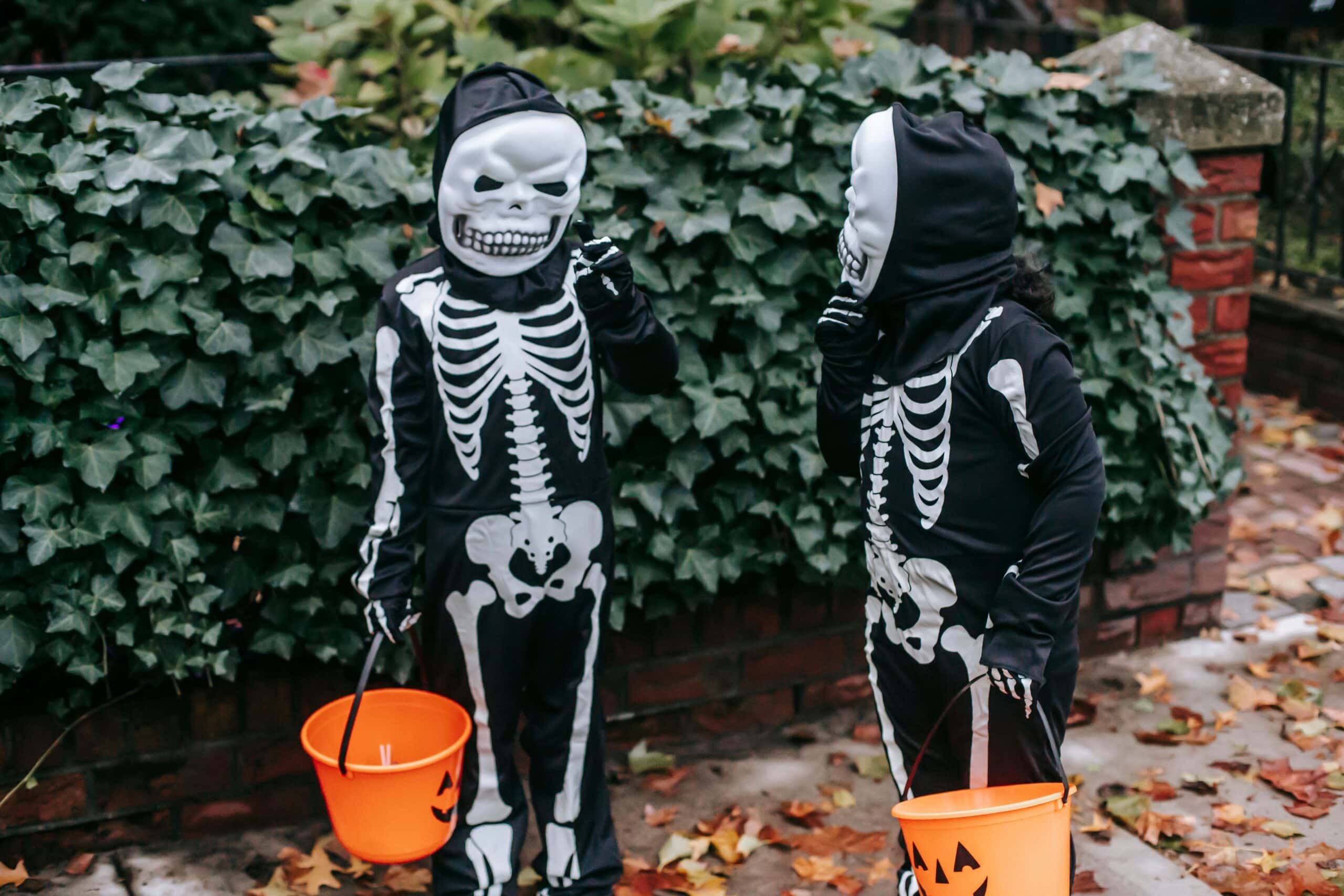
Halloween may not seem like one of the biggest spending holidays, but the costs can add up quickly. Costumes, candy, decorations, parties, and school or community events can turn a few small purchases into a surprisingly large bill.
The tricky part is that many Halloween expenses are easy to overlook. You might budget for a costume and candy but forget about accessories, party supplies, or the last-minute purchases that tend to happen as October 31 approaches.
Costume Accessories
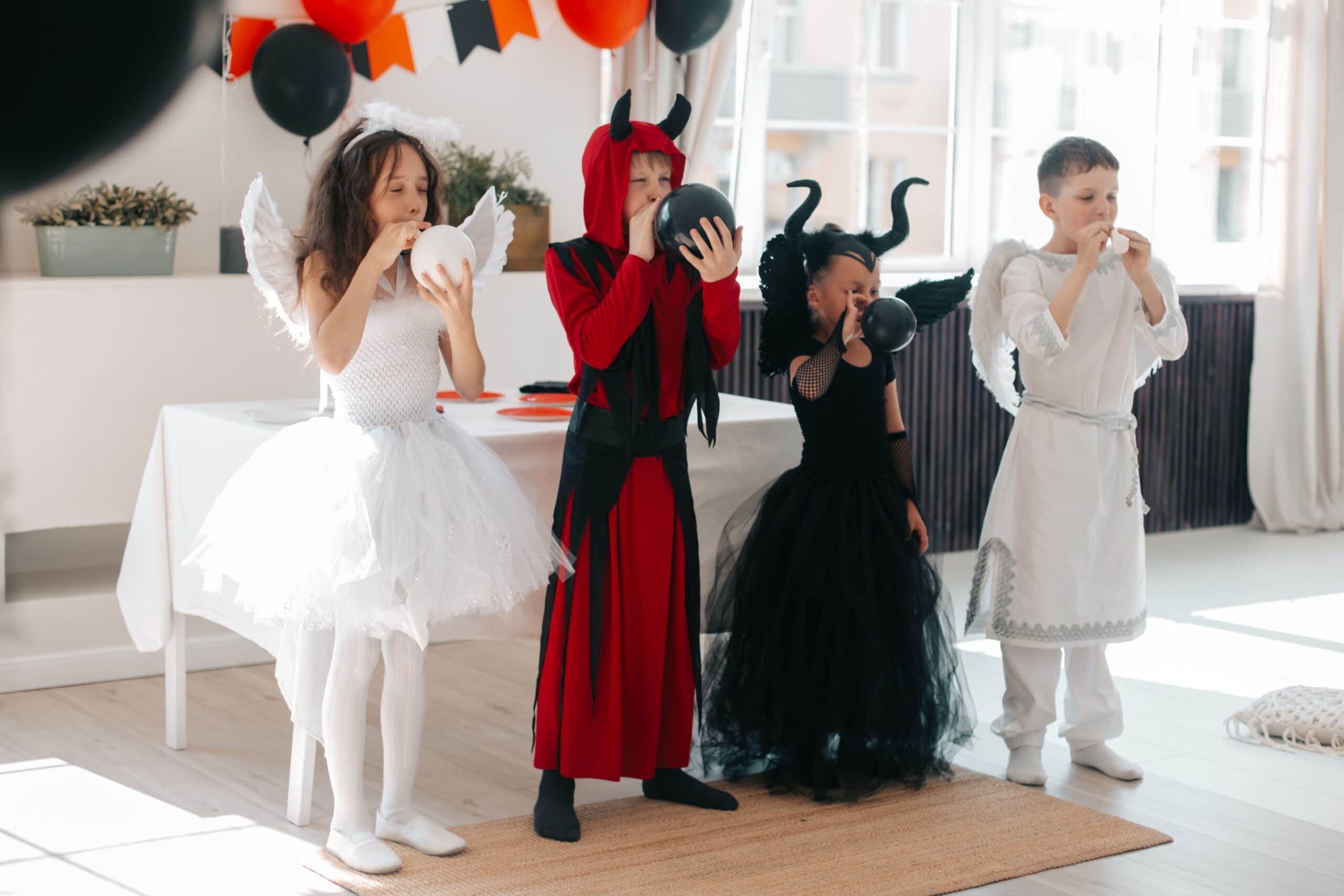
The costume itself may be the first thing you think about, but accessories can add considerably to the final price. A costume might need shoes, makeup, a wig, a hat, a mask, jewelry, props, or other finishing touches. Buying several inexpensive accessories can sometimes cost nearly as much as the original costume. Before shopping, check what you already have at home. Clothing, makeup, craft supplies, and other items may be enough to complete a costume without buying everything new.
Halloween Candy
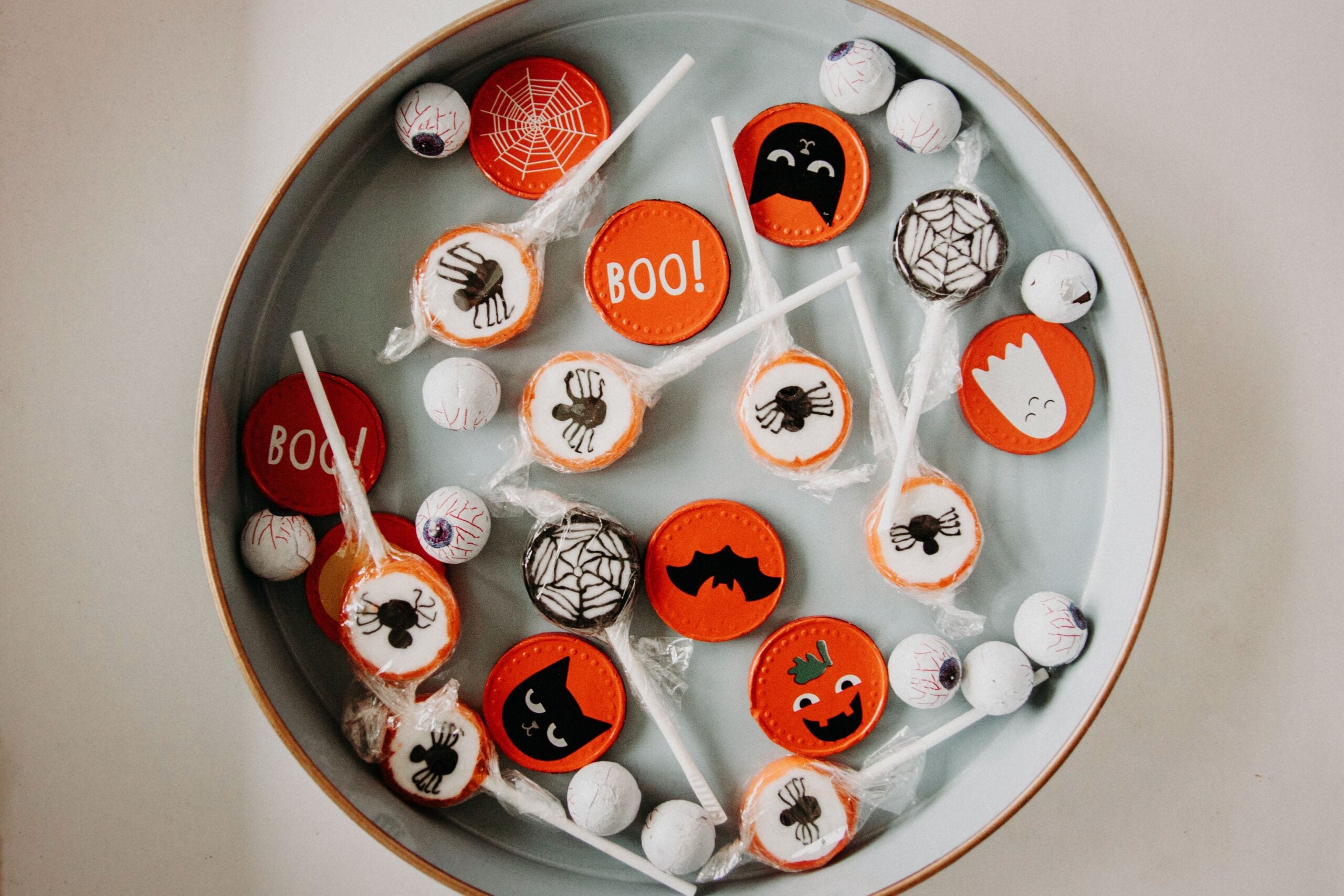
Candy is one of the easiest Halloween expenses to underestimate, particularly if you’re handing it out to trick-or-treaters. Buying a few bags may seem inexpensive until you realize you need enough for the entire evening-or that you have to make a second trip to the store because you ran out.
Decide roughly how much candy you need before shopping and compare package sizes and prices. If you don’t typically get many trick-or-treaters, there’s little reason to buy enough candy for an entire neighborhood.
Decorations
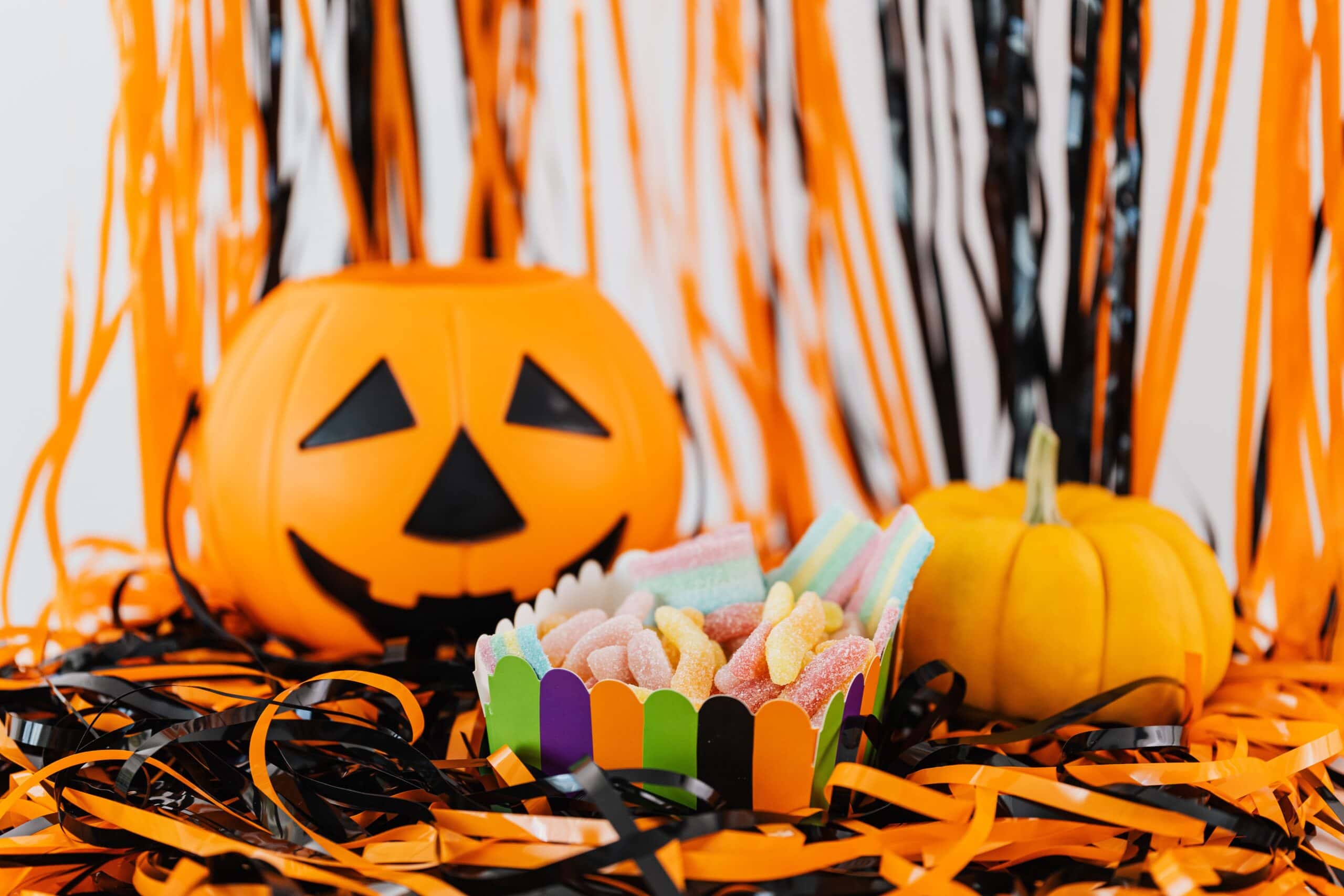
Halloween decorations can range from a few pumpkins to elaborate outdoor displays, and it’s easy to keep adding items once you start shopping. Lights, inflatables, artificial cobwebs, signs, table decorations, yard accessories, and themed items can quickly turn a small decorating budget into a much larger one. Instead of buying decorations every year, consider investing in a few reusable pieces you genuinely like. You can also make simple decorations from materials you already have at home.
Party Food and Drinks
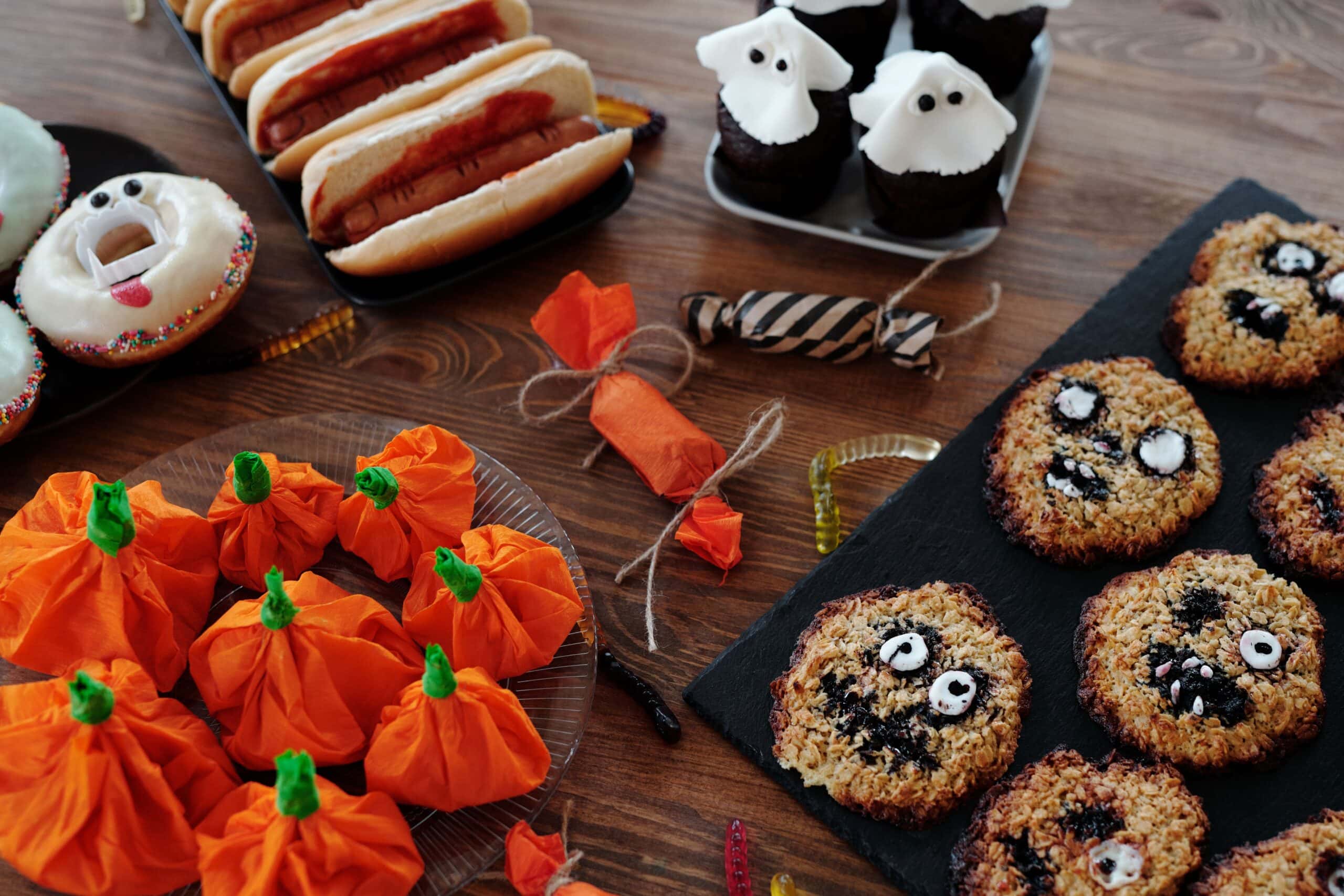
If you’re hosting a Halloween gathering, the food bill can become much larger than expected. Snacks, desserts, drinks, disposable plates, cups, napkins, and serving supplies all contribute to the cost.
Specialty Halloween-themed foods can be particularly tempting because they look festive but may cost more than ordinary alternatives. Create a menu before shopping and decide which items are worth making or buying. If you’re hosting friends or family, you could also ask guests to bring a snack or drink.
School, Work, and Community Events
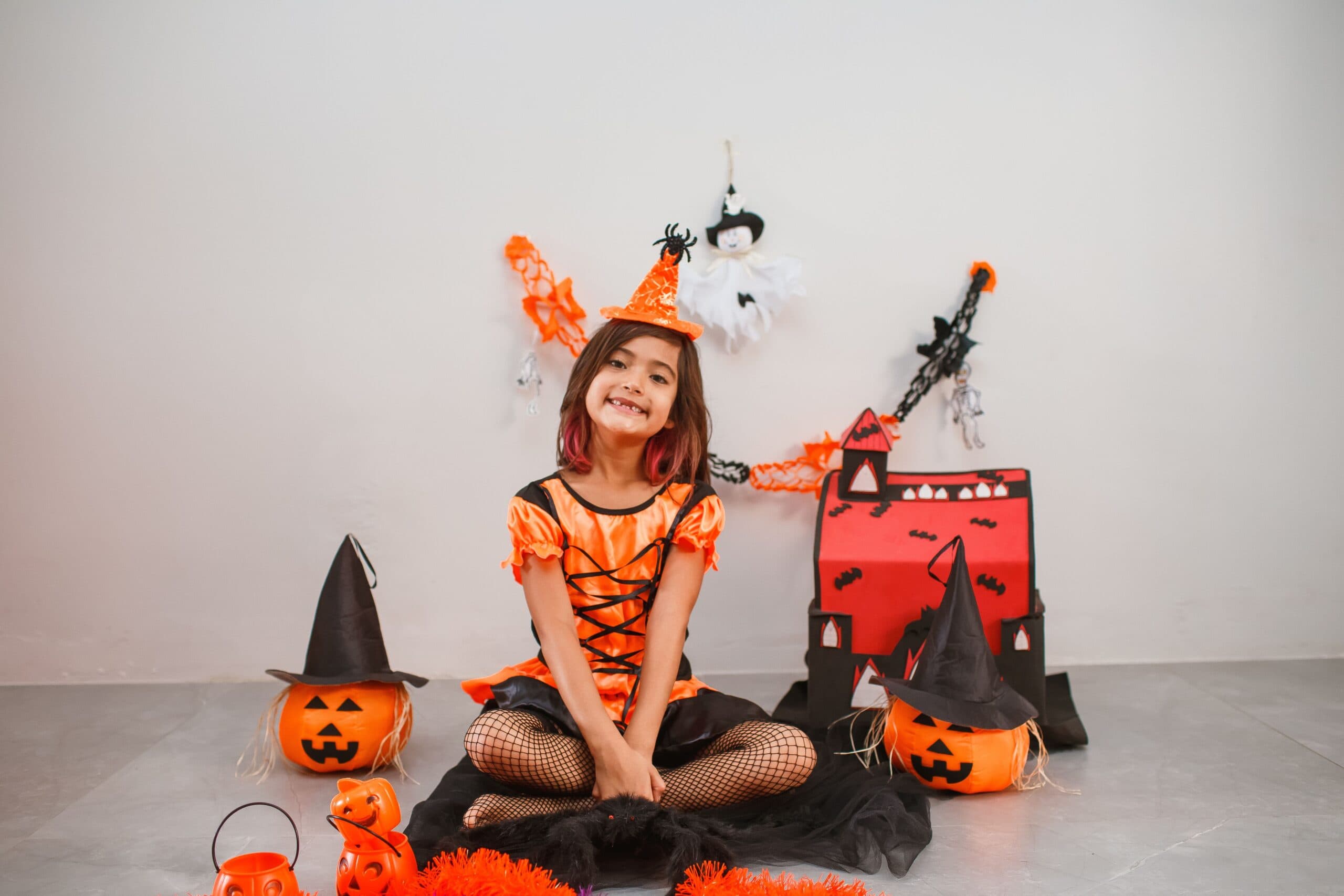
Halloween can involve more than one celebration. Children may need costumes or treats for school, while adults may have workplace parties or community events. Each individual expense may seem small, but several events can create a noticeable dent in your budget. You may end up buying extra treats, decorations, gifts, costumes, or food simply because there are multiple occasions to prepare for. Look at your October calendar early and make a list of every Halloween-related event you’re likely to attend. Planning for them together can make the total cost easier to see.
Last-Minute Purchases

Waiting until the final few days before Halloween can make it easier to overspend. You may discover that you need more candy, a missing costume piece, extra decorations, or party supplies. When the holiday is right around the corner, convenience can become more important than price.
Shopping earlier gives you more time to compare prices and use what you already own. It can also reduce the temptation to buy the first available option simply because you need it immediately.
*This article was developed with AI-powered tools and has been carefully reviewed by our editors.






Leave a Reply