

The holidays can be one of the most expensive times of the year. Gifts, travel, meals, parties, decorations, and other seasonal expenses can add up quickly, especially when purchases are charged to a credit card. The problem isn’t necessarily spending money during the holidays. It’s spending more than you can comfortably afford and carrying those purchases into the new year. With a little planning, you can enjoy the season without starting January with a large balance to pay off.
Decide How Much You Can Actually Spend

Before you start shopping, determine how much money you can realistically devote to the holidays. Look at your regular bills, savings goals, debt payments, and other financial obligations first. Then decide what amount is available for holiday spending without interfering with those priorities. Once you have a number, divide it among gifts, food, travel, entertainment, decorations, and other expenses. Having a total limit makes it easier to recognize when you’re getting close to spending more than you can afford.
Make a Gift List With Spending Limits
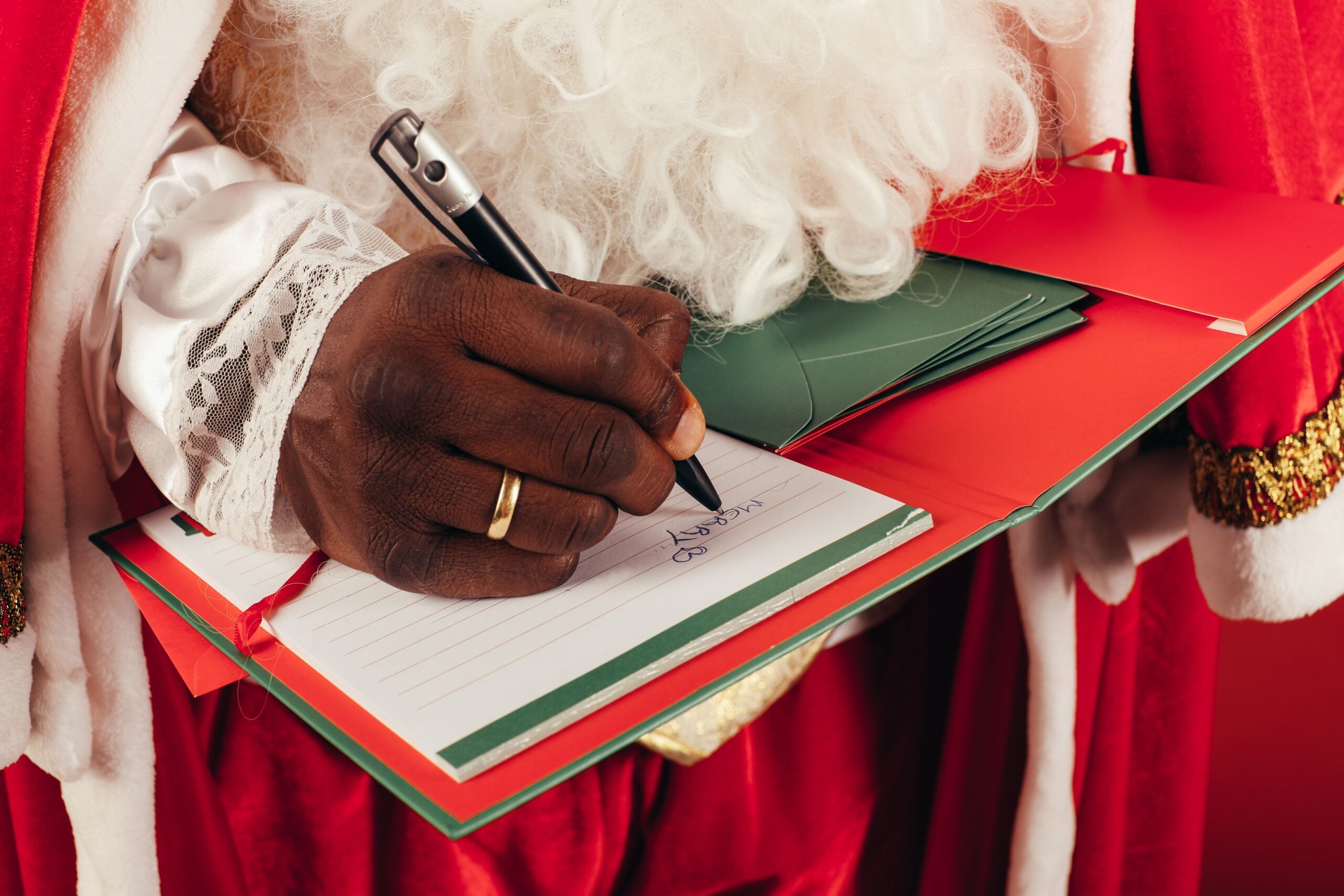
It’s easy to spend more than planned when you’re shopping for multiple people, particularly when you keep adding small purchases along the way. Make a list of the people you plan to buy for and set a maximum amount for each person.
You don’t have to spend the same amount on everyone, but having a limit can prevent one gift from consuming too much of your overall budget. Consider experiences, homemade gifts, or practical items when appropriate. A thoughtful gift doesn’t have to be an expensive one.
Use Credit Cards Carefully

Credit cards can be convenient during the holidays, but they can also make it easy to lose track of how much you’ve spent. If you use a credit card for holiday purchases, keep track of the balance as you go rather than waiting until the statement arrives. Ideally, purchases should fit within money you’ve already set aside for the holidays.
Be especially cautious about putting purchases on a card simply because you can make the minimum payment. A purchase that takes months to pay off can ultimately cost more because of interest.
Don’t Let Sales Increase Your Budget

Holiday promotions can make it tempting to buy more than you originally planned. A discount can feel like an opportunity to save money, but you’re still spending money if the item wasn’t part of your plan. Before buying something on sale, ask yourself whether you would have purchased it without the discount. If the answer is no, the sale may be encouraging you to spend rather than helping you save. Shopping from a predetermined list can make it easier to take advantage of genuine bargains without letting promotions dictate your spending.
Leave Room for Unexpected Holiday Costs
Even a carefully planned holiday budget can encounter surprises. An extra trip, last-minute gift, higher grocery bill, or unexpected invitation can add to your expenses. If possible, don’t allocate every dollar of your holiday budget ahead of time. Keep a small amount available for unexpected costs so you don’t immediately have to reach for a credit card when something comes up. If you don’t need the extra money, you can carry it into the new year and put it toward savings, debt repayment, or another financial goal.
*This article was developed with AI-powered tools and has been carefully reviewed by our editors.






Leave a Reply