

If you’re hoping to make one last contribution to your individual retirement account (IRA) for 2026, it’s worth checking the rules before sending money into your account. Even if you’re already retired, you may still be eligible to contribute, provided you meet certain income and other requirements. For the 2026 tax year, the IRS allows eligible individuals to contribute up to $7,500 to traditional and Roth IRAs combined. Those age 50 or older can contribute an additional $1,100. You also have more time than you might think: most people can make a 2026 IRA contribution as late as April 15, 2027.
You Can Contribute Up to $7,500, or $8,600 if You’re 50 or Older

The IRS has set the 2026 IRA contribution limit at $7,500 for individuals under age 50. If you’re at least 50 by the end of 2026, you can contribute an additional $1,100, bringing your total potential contribution to $8,600. These limits apply to your combined contributions to traditional and Roth IRAs. For example, if you’re under 50 and contribute $4,000 to a traditional IRA, you can generally contribute up to another $3,500 to a Roth IRA, assuming you meet the eligibility requirements for both. Remember that these are maximum limits, not automatic allowances. Your total contribution generally cannot exceed your taxable compensation for the year. If you earned less than the annual limit, your contribution may be restricted to that lower amount.
You Generally Have Until April 15, 2027, to Make Your 2026 Contribution
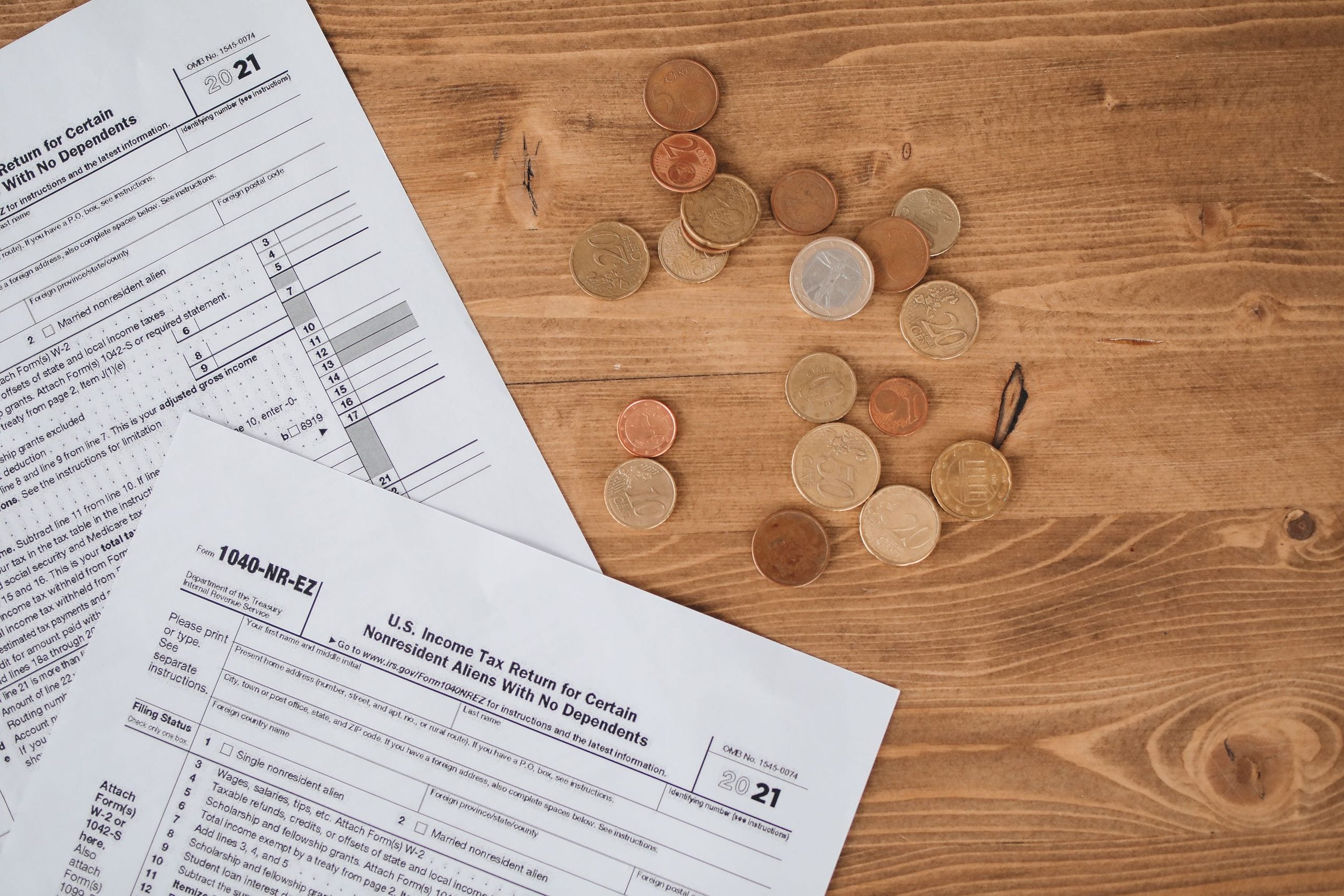
You don’t necessarily have to make your final 2026 IRA contribution by December 31, 2026. For most taxpayers, the deadline to contribute to a traditional or Roth IRA for the 2026 tax year is April 15, 2027. This gives you additional time to review your finances, determine how much you can contribute, and decide whether a traditional or Roth IRA better fits your tax strategy. However, don’t wait until the last minute if you can avoid it. Processing times and account-provider procedures may vary.
One important detail: tell your financial institution that the deposit is intended for the 2026 tax year. If you make a contribution between January and April 2027, it could otherwise be recorded as a contribution for the new tax year. Keep your confirmation for your records.
Retirement Income Alone May Not Qualify You to Contribute

One of the most important rules for retirees is that regular IRA contributions generally require taxable compensation. This usually includes wages, salaries, tips, commissions, and net self-employment income. Social Security benefits, pension payments, interest, dividends, and most investment income generally do not count as compensation for this purpose. So, if you have completely stopped working and your only income comes from retirement benefits and investments, you may not be eligible to make a regular IRA contribution on your own. There is an important exception for married couples. Under the spousal IRA rules, a spouse with little or no taxable compensation may be able to contribute if the couple files a joint tax return and the working spouse has enough eligible compensation to cover both contributions. This can allow some retired couples to continue building their IRA savings even when only one spouse earns income.
Your Income Can Affect Whether You Qualify for a Roth IRA or a Tax Deduction

Not all IRA contributions receive the same tax treatment. Roth IRA contributions are made with after-tax money, and qualified withdrawals are generally tax-free. However, your ability to contribute directly to a Roth IRA may be limited by your modified adjusted gross income (MAGI). For 2026, the Roth IRA income phaseout range is $153,000 to $168,000 for single filers and $242,000 to $252,000 for married couples filing jointly. If your income falls within the applicable range, your permitted contribution may be reduced. If it exceeds the upper limit, you generally cannot make a direct Roth IRA contribution for that year. Traditional IRA contributions have different rules. You may be able to deduct your contribution, but the deduction can be reduced or eliminated depending on your income and whether you or your spouse is covered by a workplace retirement plan. For example, the 2026 deduction phaseout for a single taxpayer covered by a workplace plan is $81,000 to $91,000. For married couples filing jointly, the range is $129,000 to $149,000 when the contributing spouse is covered by a workplace plan. Before contributing, check both your eligibility and the potential tax treatment. A contribution can be allowed even when it is not fully deductible.
You Can Still Contribute to a Traditional IRA After Age 70½

Some retirees may remember the old rule that prevented people from making regular traditional IRA contributions after age 70½. That restriction no longer applies. Under current rules, eligible individuals can make traditional or Roth IRA contributions at any age, provided they meet the compensation and other applicable requirements. This can be useful if you continue working part-time, run a small business, or have a spouse who earns qualifying income. You may still be able to contribute to an IRA even if you are already receiving Social Security or taking required minimum distributions from other retirement accounts. Keep in mind that contributing and withdrawing are two separate matters. Traditional IRA owners generally must take required minimum distributions once they reach the applicable starting age, even if they continue working. Roth IRA owners do not have required minimum distributions during their lifetimes. Consider how an additional contribution fits into your broader retirement and tax strategy.
*This article was developed with AI-powered tools and has been carefully reviewed by our editors.






Leave a Reply