

It’s easy to confuse wants with needs, especially when something has become part of your everyday routine. A purchase can feel so normal that you stop questioning whether you actually need it. The good news is that cutting back doesn’t necessarily mean giving up everything you enjoy. Sometimes, it’s simply about recognizing which expenses are habits, conveniences, or upgrades rather than true necessities.
The Latest Smartphone

A smartphone is incredibly useful for staying connected, working, navigating, and managing everyday tasks. But that doesn’t mean you need the newest model every year. If your current phone still works properly and meets your needs, upgrading simply because a newer version has been released may be an unnecessary expense. Keeping a phone for an extra year or two can potentially save hundreds of dollars over time.
Multiple Streaming Services
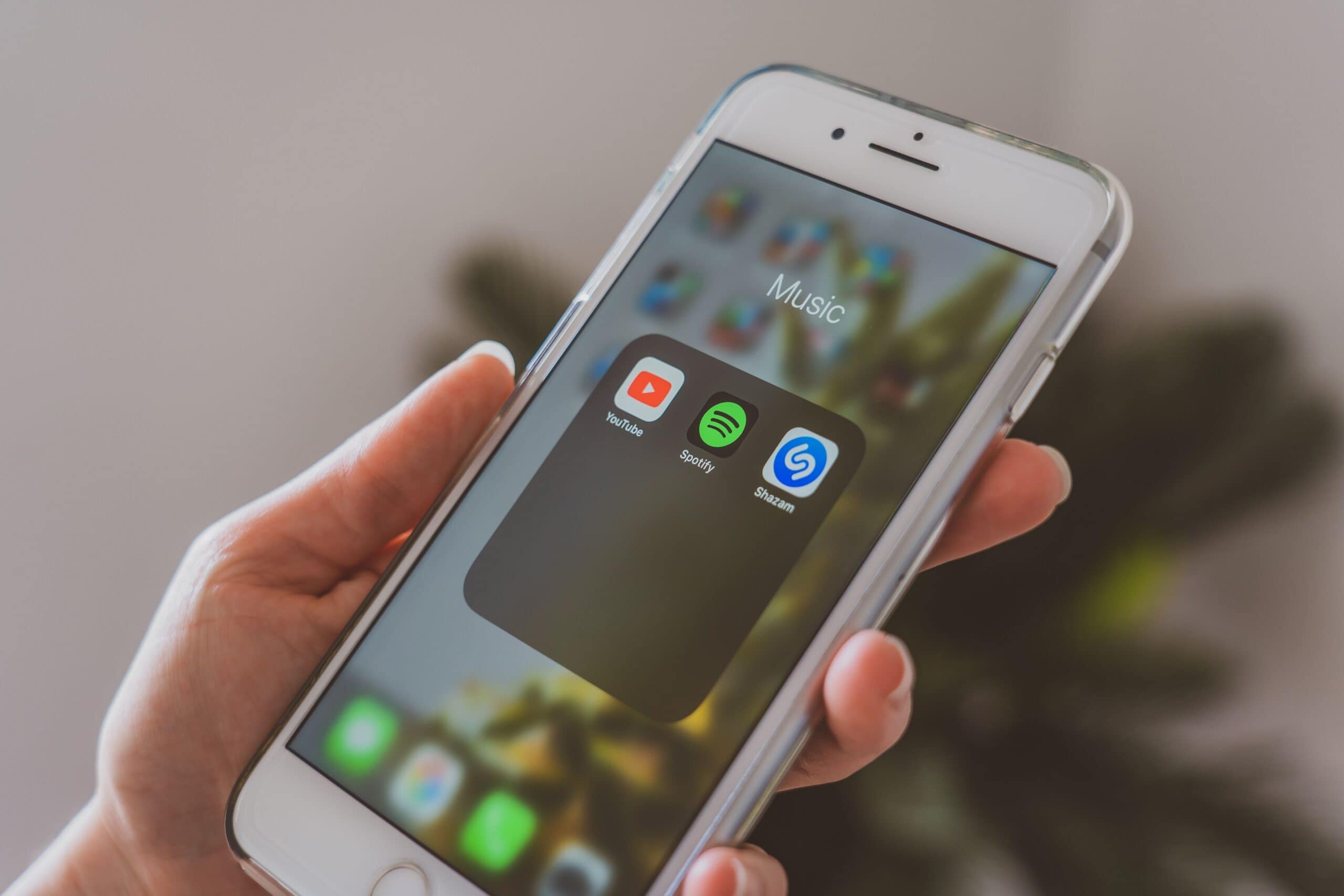
Having access to entertainment at home can be a wonderful convenience, but subscribing to several streaming services simultaneously can quietly become a sizable monthly expense. If you’re paying for five or six services but only regularly watching one or two, you may be spending money on entertainment you’re barely using. Consider rotating subscriptions instead. Keep one service for a month or two, cancel it when you’ve watched what you want, and switch to another later.
Bottled Water

For people with access to safe drinking water, buying bottled water every day may not be necessary. A reusable water bottle can be filled at home and taken to work, errands, or other activities. This can reduce the need to repeatedly purchase individual bottles while also cutting down on waste. Occasionally, buying bottled water is perfectly reasonable, but making it an everyday expense can add up.
Brand-Name Products

A familiar brand can make a product feel like the safer or better choice, but the most expensive option isn’t automatically the best. For many everyday items-including certain pantry staples, cleaning products, medications, and household supplies-store brands or generic alternatives may offer similar value for less. Rather than automatically choosing the most recognizable name, compare ingredients, quality, quantity, and price.
Eating Out Several Times a Week

Restaurants and takeout can make busy days much easier, but frequent meals away from home can become a major recurring expense. You don’t have to stop eating at restaurants completely. Instead, consider making it an occasional treat rather than an automatic part of your weekly routine. Keeping a few simple meals and snacks available at home can make it easier to avoid ordering food simply because you don’t feel like cooking.
*This article was developed with AI-powered tools and has been carefully reviewed by our editors.






Leave a Reply