

Growing older is a natural part of life, but how we age is influenced by the choices we make every day. While there’s no magic formula for staying young forever, healthy daily habits can help you maintain your energy, independence, and overall well-being as the years go by.
The good news is that healthy aging doesn’t require expensive products or a complete lifestyle overhaul. Small, consistent habits often have the greatest impact over time. Here are five daily habits that can help you age well and enjoy a healthier, more active life.
Keep Your Body Moving

You don’t have to run marathons or spend hours at the gym to support healthy aging. Simple activities like walking, stretching, gardening, swimming, or riding a bike can help improve balance, flexibility, muscle strength, and heart health. Regular movement also supports joint mobility and may help reduce the risk of chronic health conditions. The key is finding activities you enjoy so you’re more likely to stick with them.
Eat More Whole Foods
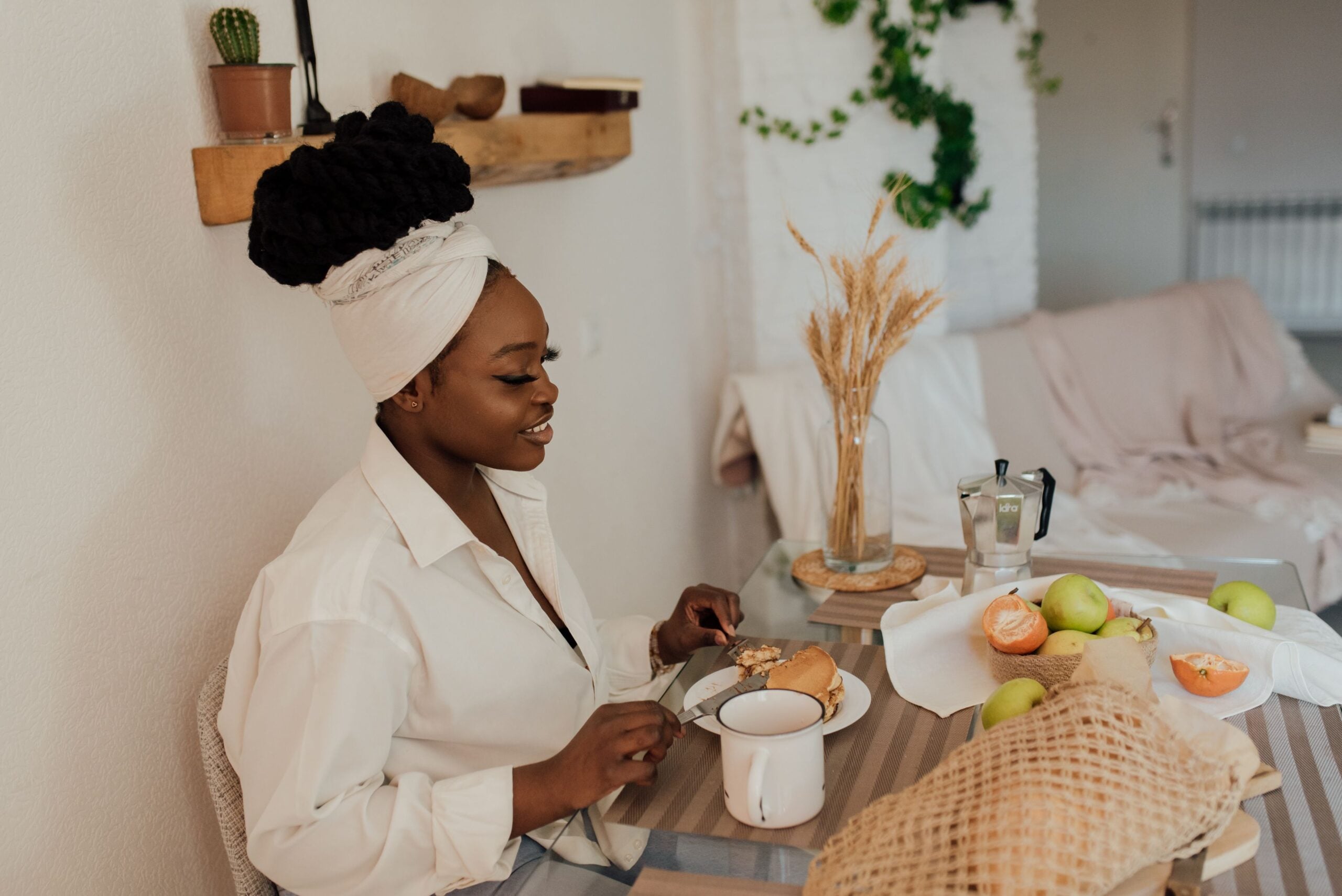
A balanced diet provides your body with the nutrients it needs to stay strong as you age. Try to include plenty of fruits, vegetables, whole grains, lean proteins, healthy fats, and fiber-rich foods in your meals. These foods provide important vitamins and minerals while supporting heart health, digestion, and healthy aging. Instead of striving for a perfect diet, focus on making nutritious choices more often than not.
Stay Socially Connected

Healthy aging isn’t just about physical health-it’s also about maintaining meaningful relationships. Spending time with family and friends, joining community groups, volunteering, or participating in hobbies with others can help reduce feelings of loneliness while supporting emotional well-being. Even a simple phone call or coffee with a friend can brighten your day and strengthen important connections.
Give Your Brain a Workout

Just as your muscles benefit from regular activity, so does your brain. Reading, doing crossword puzzles, learning a new language, playing a musical instrument, taking classes, or trying a new hobby can help keep your mind active and engaged. Lifelong learning not only builds new skills but also brings a sense of accomplishment and purpose.
Prioritize Rest and Recovery

Sleep plays an important role in healthy aging. Getting enough quality rest allows your body to recover, supports memory and concentration, and helps regulate mood. Establishing a consistent bedtime routine, limiting screen time before bed, and creating a comfortable sleep environment can all contribute to better sleep. Remember that healthy aging isn’t only about staying active-it’s also about giving your body the time it needs to recover.
*This article was developed with AI-powered tools and has been carefully reviewed by our editors.






Leave a Reply