
13 ways to stack coupons, rewards, and cash-back apps without getting overwhelmed

Couponing doesn't have to mean binders, color-coded envelopes, and spending your whole weekend chasing deals. You can stack savings without turning it into a second job.
The trick is to keep your system stupid-simple: a few apps, a few rules, and everything built around what you were going to buy anyway. No scavenger hunt, no running to five stores just to save three dollars.
Here are easy ways to layer coupons, rewards, and cash back so it actually works in real life.
1. Start with one primary store and one app

Instead of trying to coupon everywhere at once, pick the store you already shop the most-maybe Target, Walmart, or your local grocery chain.
Pair that store with its main app or rewards program and get comfortable there first. Learn how digital coupons work, where to find weekly deals, and how points or rewards pay out.
Once that feels normal, then consider adding a second app or store. Building slowly keeps you from burning out and quitting before you ever see the savings add up.
2. Let your shopping list lead, not the deals

Old-school couponing started with the ad and worked backward. That's how you end up with a cart full of random items you bought because they were "a good deal."
Flip it. Make your list first based on what your family actually eats and needs. Then, before you go or while you're in the parking lot, open your store app and search the items already on that list.
Clip the coupons and offers that match your real-life plan. That way every bit of savings is layered on things you were going to buy anyway.
3. Use a simple stacking order so you're not guessing

When you're ready to stack, think of it in layers:
First, store sale or markdown.
Second, any store coupon or digital offer.
Third, manufacturer coupon (paper or digital).
Last, receipt or cash-back apps after you shop.
You don't have to hit every layer every time. But knowing the order keeps it from feeling confusing. If all you do is catch a sale, add one coupon, and then scan your receipt later, you're already stacking more than most people.
4. Pick one or two receipt apps and ignore the rest

It's easy to fall into "app hoarding"-ten different programs, twenty different logins, zero actual cash-outs.
Choose one or two receipt-based apps that are easy to use and pay out in ways you'll actually use (gift cards you like, PayPal, etc.).
Make it a habit: grocery bags hit the counter, receipts get snapped and tossed. If it takes more than a couple of minutes, you're doing too much. Little bits of cash back over a year quietly turn into Christmas money, a sinking fund boost, or extra debt payments.
5. Use store rewards for boring basics, not impulse buys

Those store rewards-extra bucks, Circle earnings, etc.-are sneaky. They feel like "free money," which makes it really tempting to blow them on random fun stuff.
Instead, decide that store rewards belong to your boring category: toilet paper, detergent, toothpaste, kids' socks.
You're still getting the perk, but now it lowers the cost of things you would have bought either way. That's a lot better for your budget than letting rewards drag home another candle you didn't plan for.
6. Set a minimum savings threshold so you don't chase pennies

Not every coupon or stacking combo is worth rearranging your day for. Decide ahead of time what "worth it" looks like.
Maybe you only bother with special extra deals if they'll save you at least $5 or stock you up on something you go through constantly.
If a deal feels like a hassle and saves you 30 cents, let it go. You do not have to "win" every promo to be good with money. Focus on the ones that move the needle and ignore the rest without guilt.
7. Keep all your coupons in one place-digital or physical

If you're using paper coupons at all, give them one home: a small envelope in your purse, a clip in your car, or a pocket in your wallet.
Same idea with digital. Try to stick to email folders and apps you actually open. If you sign up for every random coupon newsletter, your inbox turns into noise and you'll miss the ones that matter.
The goal is simple: when you're in the parking lot or about to check out, you know exactly where to look-no digging through five apps and three piles of paper.
8. Use gift cards and cash-back cards as a built-in guardrail
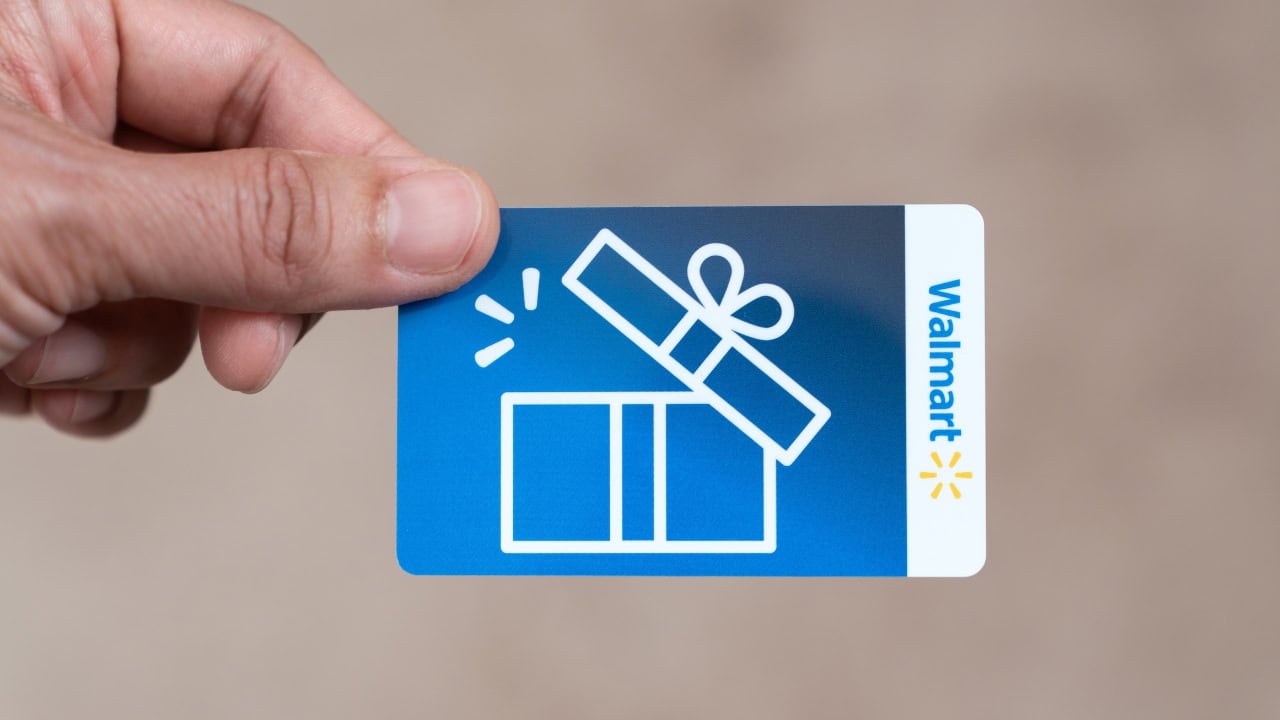
If you earn cash back or gift cards through apps, surveys, or credit card rewards, funnel them toward specific things: groceries, Christmas gifts, school clothes.
Load a store gift card in the app and tell yourself, "This is my budget for this category." When it's gone, you're done.
Now your savings don't just drift away-they're steering actual spending decisions. You're stacking coupons, rewards, and cash-back with a hard stop built in so you can't quietly overshoot what you planned.
9. Don't stack on new products you're not sure you like

It's fun to try new things, but couponing can trick you into "trying" five versions of everything just because there's an offer.
Stacking works best on items you already know will get used-your usual detergent, the yogurt your kids always eat, the trash bags that fit your cans.
If you want to test a new product, that's fine-just don't buy a year's worth on the first deal. Try one, see if your house actually likes it, then watch for a sale-and-coupon stack to stock up.
10. Time your stock-ups to sales, not to panic
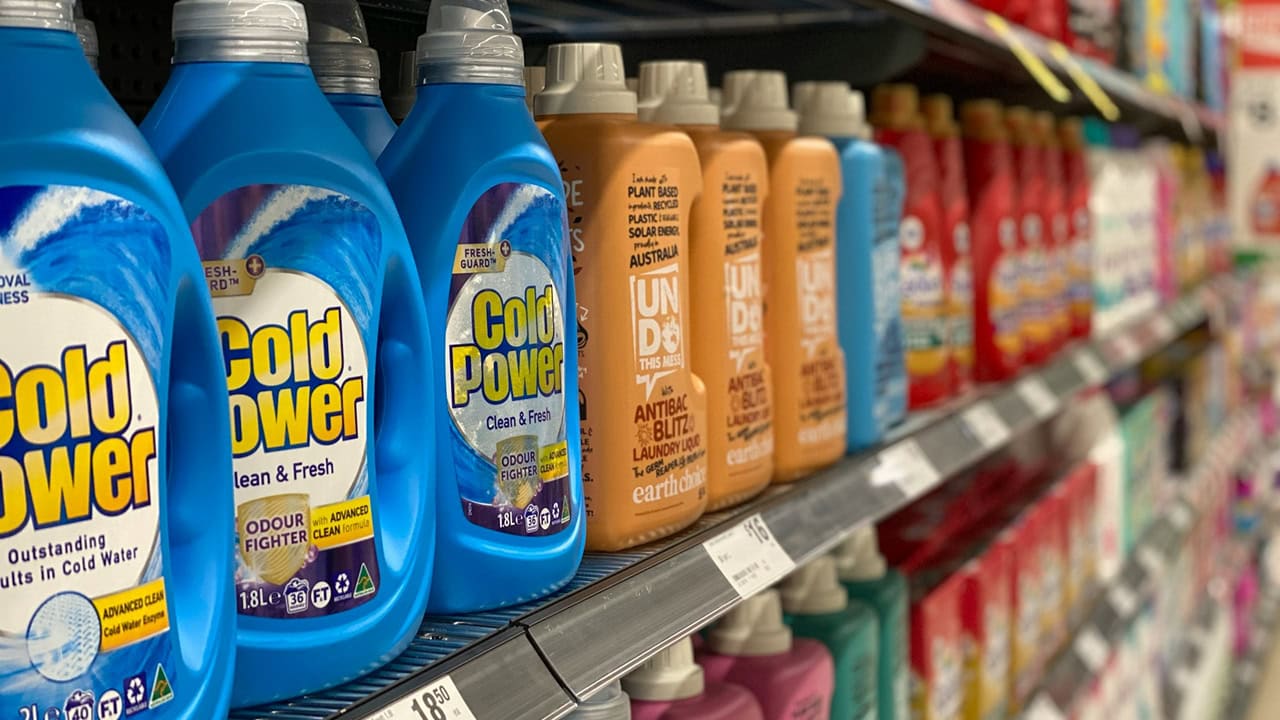
When you feel "we're almost out" of something, the instinct is to rush and grab the nearest option at full price.
Instead, keep a small buffer on your most important items-detergent, toilet paper, pet food, favorite snacks. When you open the last one, that's your cue to start watching the sales, not to panic.
By the time your buffer runs low, you've usually seen at least one good price paired with a coupon or offer. You get to stock back up when it's cheap, not when you're desperate.
11. Use one "deal day" per week instead of chasing all month

If you constantly chase deals, you will constantly be in the store-and constantly tempted.
Pick one day a week (or even every other week) to do your main shop and look at sales. That's when you check the ad, scan for digital coupons, and scan receipts afterward.
The rest of the week, you go only if you truly need something, and you treat it like a quick in-and-out, not a "deal hunt." Less time hunting equals fewer impulse buys and more realistic savings.
12. Keep a short list of "things I'll only buy on sale + stacked"

Some items are absolutely fine at full price. Others are things you know go on sale constantly-shampoo, razors, cleaning sprays, cereal, snack packs.
Make a tiny mental (or written) list of things you only buy when you can stack at least two savings layers-like a sale plus a store coupon, or a digital offer plus cash-back.
When those items aren't on promo, you wait. When they are, you buy enough to stretch to the next sale. This keeps the stacking focused on categories with the most wiggle room.
13. Give every bit of saved money a job

The fastest way to lose the impact of all your stacking is to let the savings just dissolve into everyday spending.
If your receipt says you saved $18, or your apps show $25 in rewards, mentally assign it somewhere: emergency fund, sinking fund for car repairs, extra on a bill, or a specific upcoming expense.
Even if you don't move the exact amount every single time, having a plan keeps you from thinking, "Cool, I saved," and then immediately "celebrating" by spending the same amount somewhere else. That's how stacking turns into real progress instead of just a fun game.
Like Thrifty Jinxy's content? Be sure to follow us.
Here's more from us:
How to Make Baby Yoda Cookies with Step-by-Step Instructions
Super Easy Biscuit Recipe with No Shortening
*This article was developed with AI-powered tools and has been carefully reviewed by our editors.






Leave a Reply