
12 small house habits that quietly fix your budget over time

You don't have to sell your house or move off-grid to get breathing room in your budget. A lot of the real savings come from boring, repeatable habits inside the home-little things that don't feel dramatic day to day but change the numbers over a year.
Here are 12 small house habits that chip away at your bills without turning your life upside down.
1. One "use it up" dinner a week

Pick one night where you're not allowed to start from scratch. Leftovers, half-bags of frozen veggies, the last bit of shredded cheese, that open jar of sauce-all of it gets pulled into a simple meal. Over a month, that's several dinners you didn't have to shop for.
2. A weekly fridge and pantry "reset"

Once a week, give your fridge and pantry a five-minute scan. Move older food to the front, toss anything truly bad, and jot down what needs to be used soon. This one habit cuts down on food waste and keeps you from buying duplicates.
3. Running full loads only

Whether it's the dishwasher or the washer, make "full load or wait" your default. Tiny loads are where a lot of water, energy, and detergent waste lives. If you truly need to wash something small, switch to a quick or eco cycle.
4. Keeping the thermostat range, not a single number
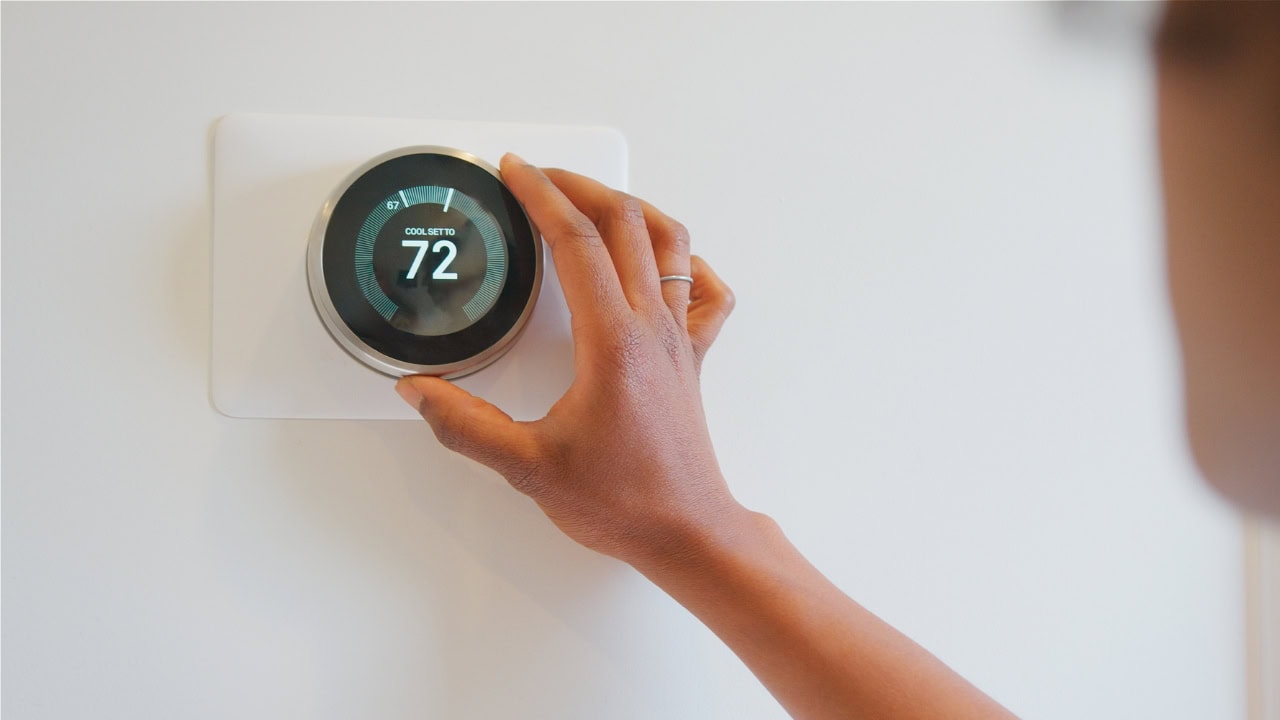
Instead of chasing the perfect temperature, pick a range you can live with and stick to it. Layer clothing, use throws, and run ceiling fans so your system isn't constantly fighting for one exact degree all day long.
5. Making power strips work in your favor
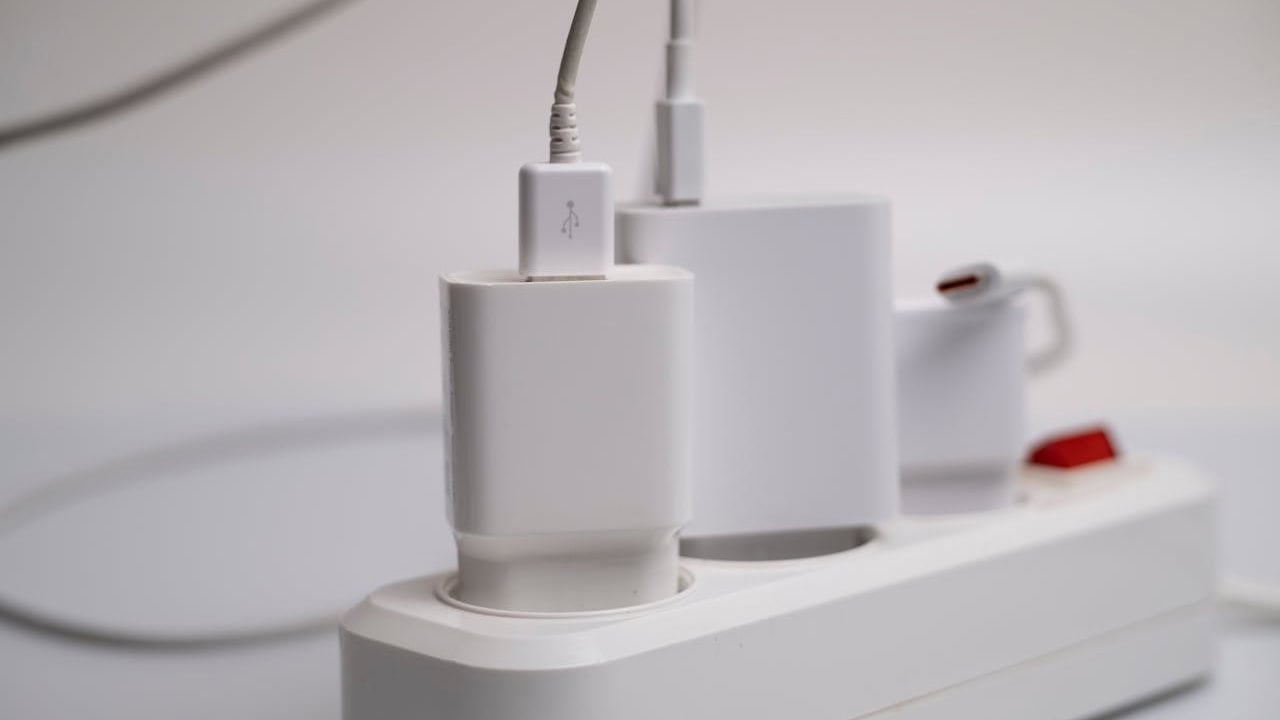
Group electronics-TV and console, office gear, chargers-on power strips you actually turn off when not in use. You don't need to micromanage every plug; just kill standby power in a few key zones and let that quiet savings roll.
6. Checking for drafts every time the seasons change
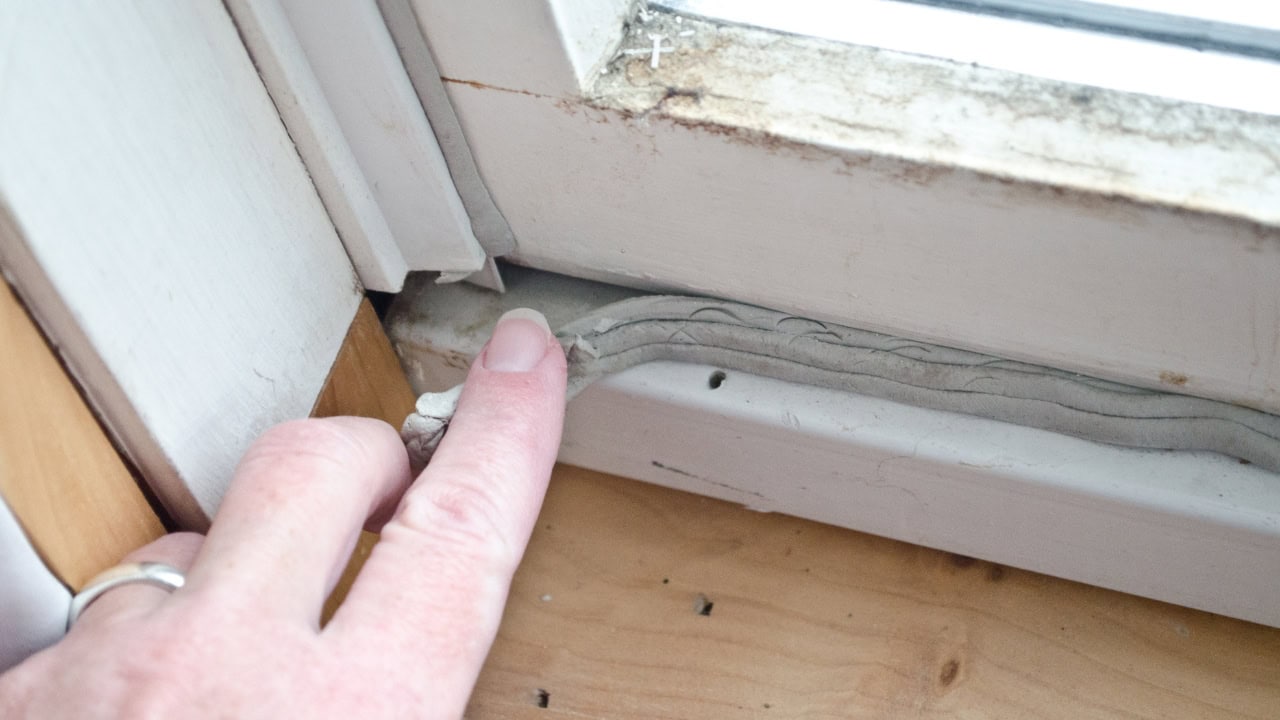
In fall and spring, do a quick walk: door bottoms, window edges, outlets on exterior walls, attic access points. Add or replace weatherstripping, outlet gaskets, and door sweeps on the worst offenders. It's cheap and pays off every single month.
7. Keeping a simple "maintenance Monday" list
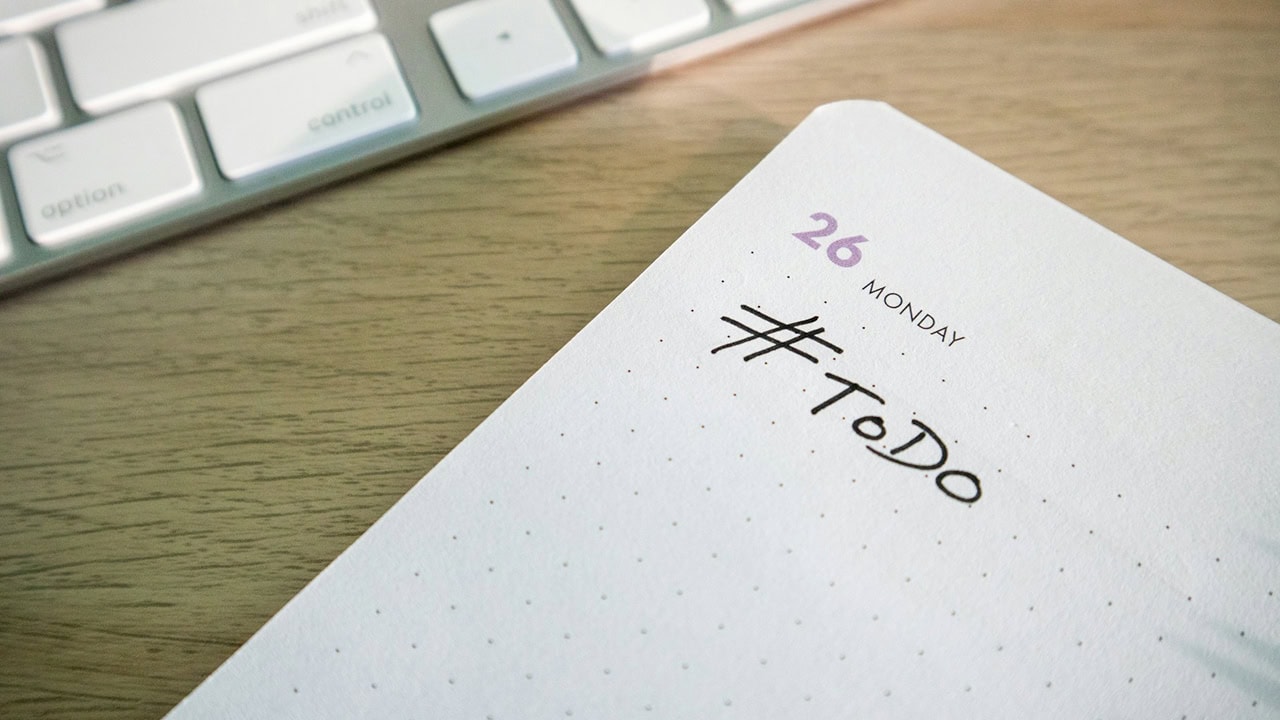
Assign one day a week to small tasks: changing filters, clearing lint from the dryer area, quickly checking under sinks for leaks. Tiny preventative checks keep you from ignoring things until they turn into real problems.
8. Using one "open bottle" rule for cleaners

Instead of five half-used cleaners under each sink, pick one all-purpose cleaner and one scrub product to use up before buying more. You'll buy fewer products overall and get your cabinet back.
9. Putting bills in one physical spot

Digital is great, but physical bills and notices still show up. Pick one spot-a basket, clip, or folder-for anything money-related. When everything has a home, you're less likely to miss due dates and pay late fees.
10. Having a "cool down" period for house buys

Before buying home decor or organizers, give yourself 24-48 hours. Take measurements, check what you already own, and make sure it solves a real problem. This one pause keeps a surprising amount of "house stuff" out of your cart.
11. Keeping a basic toolbox ready and visible
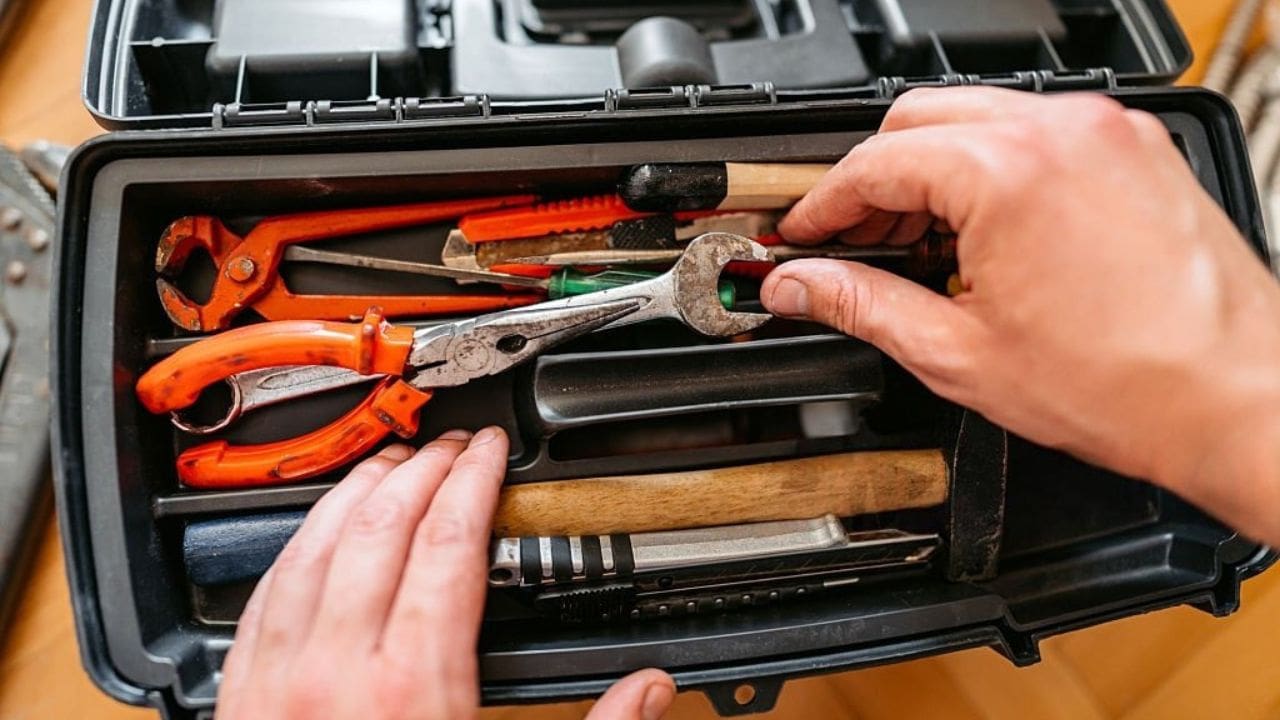
A simple toolbox with a hammer, screwdriver set, drill, tape measure, utility knife, and level makes it easier to handle little fixes yourself. When tools are easy to grab, you're less likely to ignore small issues that become big, expensive ones.
12. Planning "big energy" chores for off-peak times
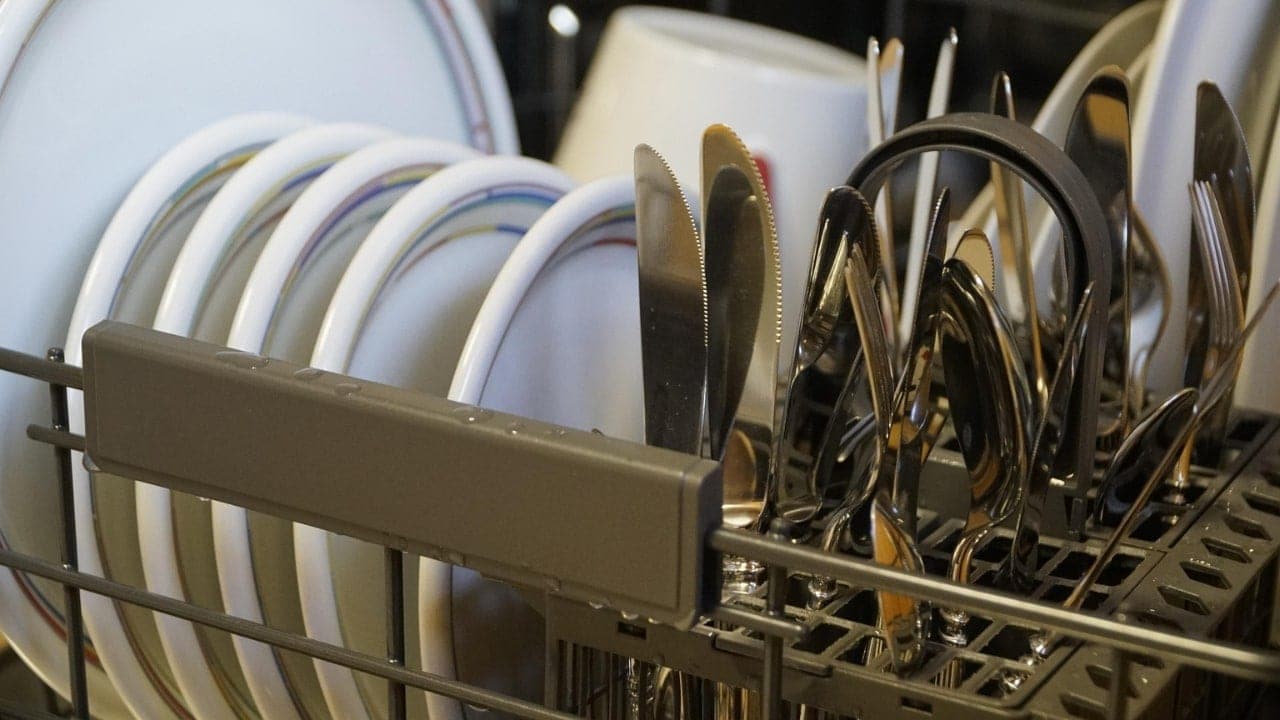
If your utility company charges more during peak hours, shift laundry, dishwashing, and oven-heavy cooking to mornings or evenings when you can. Even if your rate is flat, separating big-energy chores into specific windows helps you stay mindful and avoid running everything at once.
*This article was developed with AI-powered tools and has been carefully reviewed by our editors.






Leave a Reply