
Long before budgeting apps and "no-spend challenges" became popular online, boomers were already living with the kind of money habits younger generations are rediscovering today. They didn't call it minimalism or financial wellness-it was just common sense.
Cash meant something, and credit was reserved for real needs. Many of the habits they built into everyday life are still some of the smartest ways to save money today. Here are a few timeless frugal habits boomers practiced before frugality ever became cool.
Paying cash instead of using credit

Boomers grew up with the mindset that if you couldn't afford it, you waited. Credit cards weren't a convenience-they were a last resort. Paying with cash helped keep spending in check because you could literally see money leaving your hands.
That habit naturally created discipline and awareness around finances. It's something that still works today-using cash for everyday purchases helps you stay mindful of where your money actually goes.
Repairing before replacing
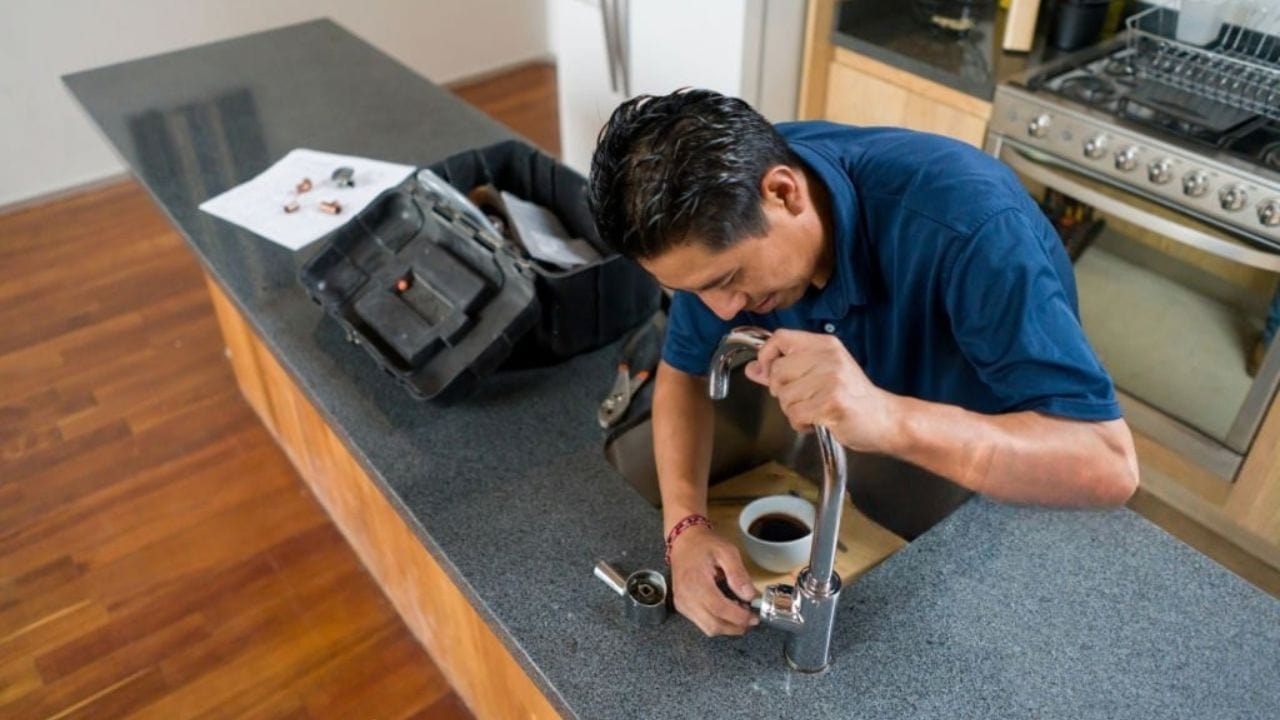
If something broke, boomers fixed it. Whether it was a toaster, a shoe, or a washing machine, repair came before replacement. Many learned basic maintenance skills at home, saving hundreds every year.
This mindset also built appreciation for what they owned. Instead of constantly upgrading, they maintained and valued their things-a habit that not only saved money but reduced waste long before sustainability became a buzzword.
Cooking at home

Eating out was a rare treat, not an everyday habit. Boomers relied on home-cooked meals, leftovers, and packed lunches to keep grocery costs low. A stocked pantry and a few basic recipes could stretch a budget farther than takeout ever could.
That kind of consistency saved thousands over time and made mealtime part of family life. Today, with food prices climbing, cooking at home remains one of the most effective ways to save money.
Hanging clothes to dry
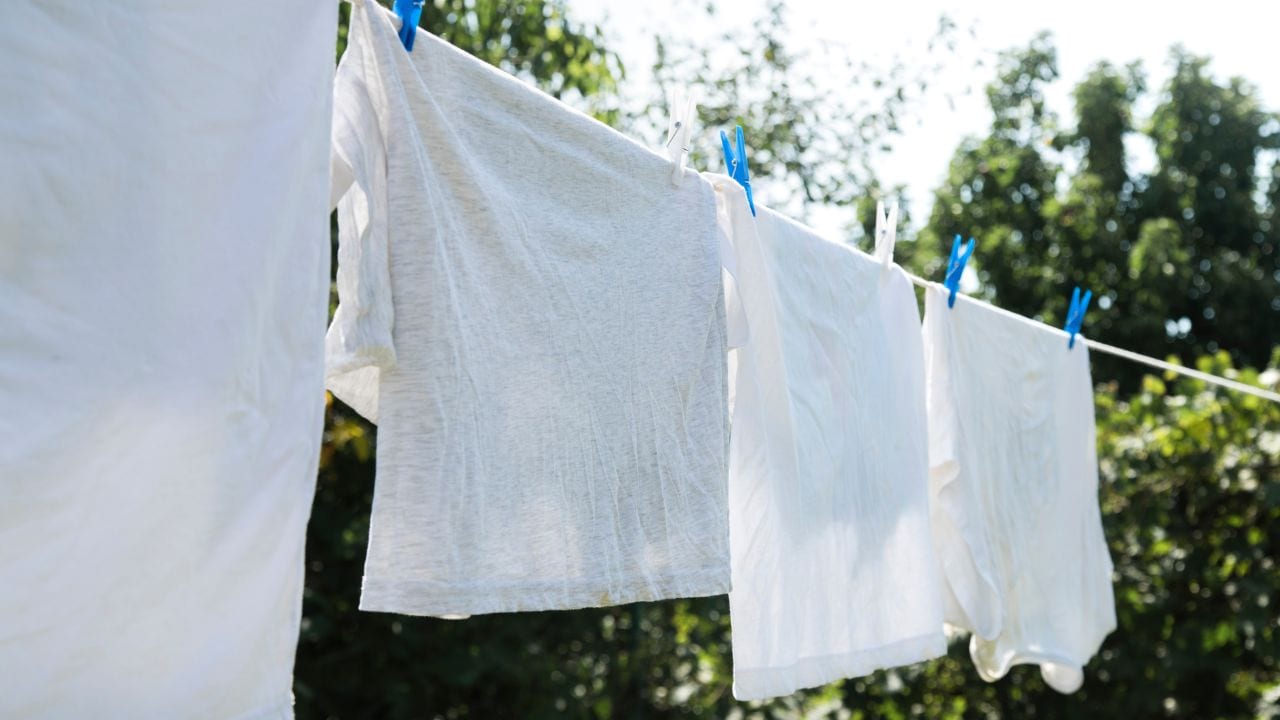
Dryers were a convenience, but clotheslines were free-and boomers knew it. Hanging laundry outside or on an indoor rack saved electricity and helped clothes last longer by avoiding heat damage.
It's one of those small habits that still pays off today. Air-drying a few loads a week can noticeably lower utility bills, and the clothes actually hold their color and shape better over time.
Buying secondhand
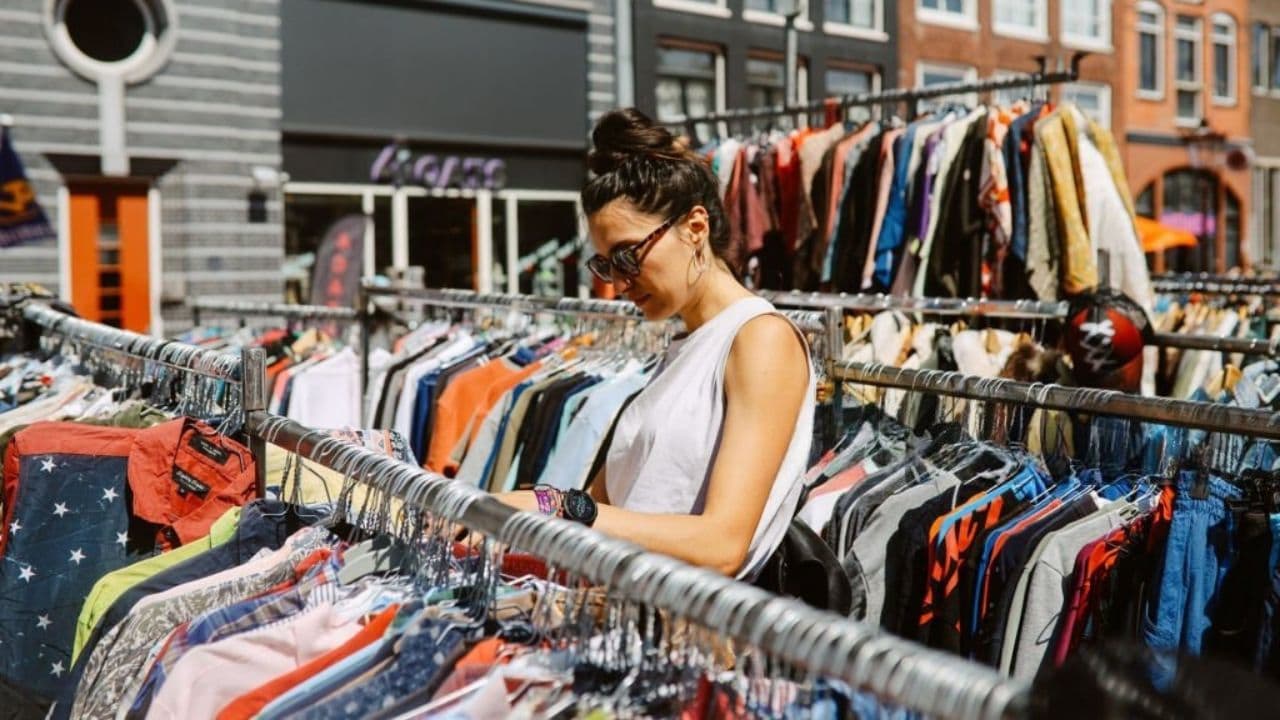
Thrift stores, garage sales, and hand-me-downs weren't a trend for boomers-they were practical. Whether it was furniture, tools, or kids' clothes, buying secondhand was a way to stretch every dollar without sacrificing quality.
Many older generations also knew how to refurbish what they bought, giving it a new life. The result was a home full of character and savings that added up year after year.
Using envelopes for budgeting

Before digital tracking existed, boomers used envelopes labeled for specific expenses-groceries, gas, entertainment-to keep their spending in check. When the envelope was empty, the spending stopped.
It was a hands-on system that built strong awareness of priorities. Even today, the envelope method works for people who want to control impulse spending and keep cash flow visible.
Growing their own food

Gardens weren't a hobby; they were part of life. Many boomers grew vegetables, herbs, and fruit to save on groceries and eat fresher food. Even a small garden could supply a family with produce for months.
That homegrown approach still makes sense. Growing your own food reduces grocery costs, gives you control over quality, and cuts back on waste-all while building a more sustainable lifestyle.
Reusing and repurposing
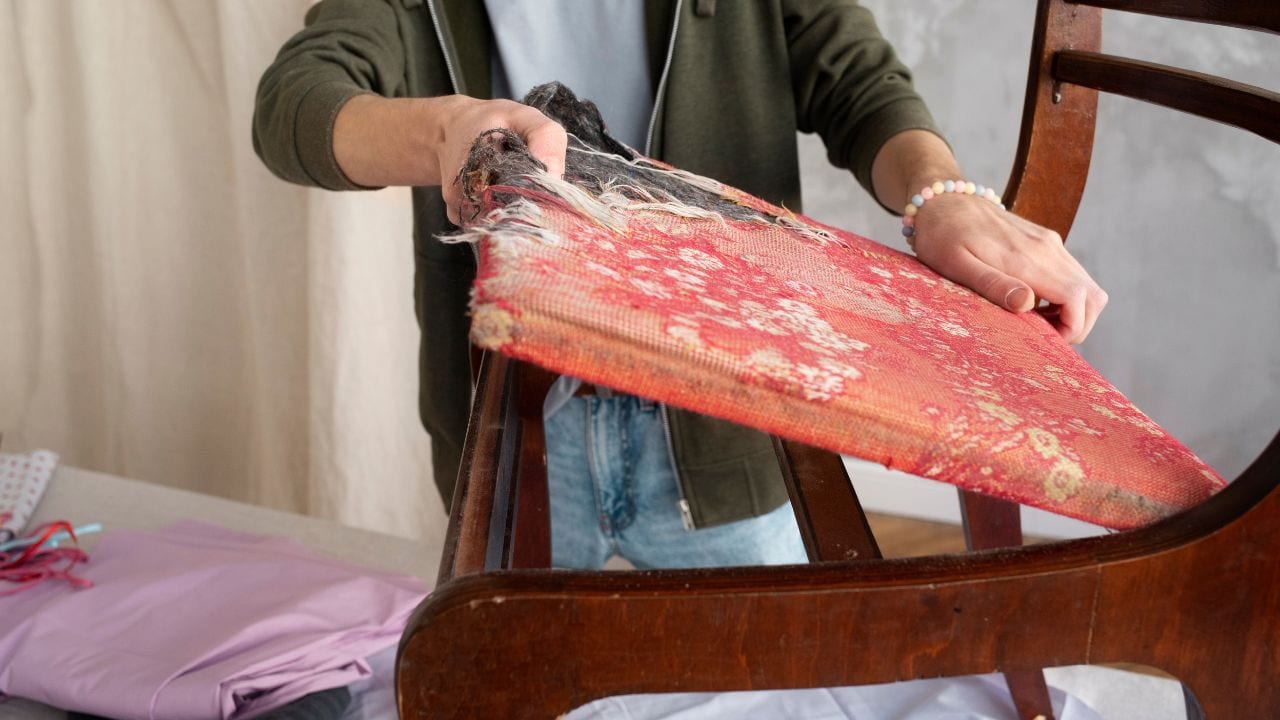
Boomers were masters at getting creative with what they already had. Glass jars became storage containers, fabric scraps turned into cleaning rags, and old furniture got new paint instead of being tossed.
That mindset of resourcefulness saved money and kept waste to a minimum. Today, it aligns perfectly with modern "upcycling" trends, proving that practical habits never go out of style.
Paying bills on time

Late fees were something boomers avoided at all costs. Bills were tracked manually-often written on a calendar-and paid on time to maintain good standing and avoid unnecessary charges.
That sense of responsibility kept credit scores strong and stress low. Even now, automatic payments and digital reminders make it easier to follow the same principle-paying early saves money and keeps your finances organized.
Avoiding brand obsession
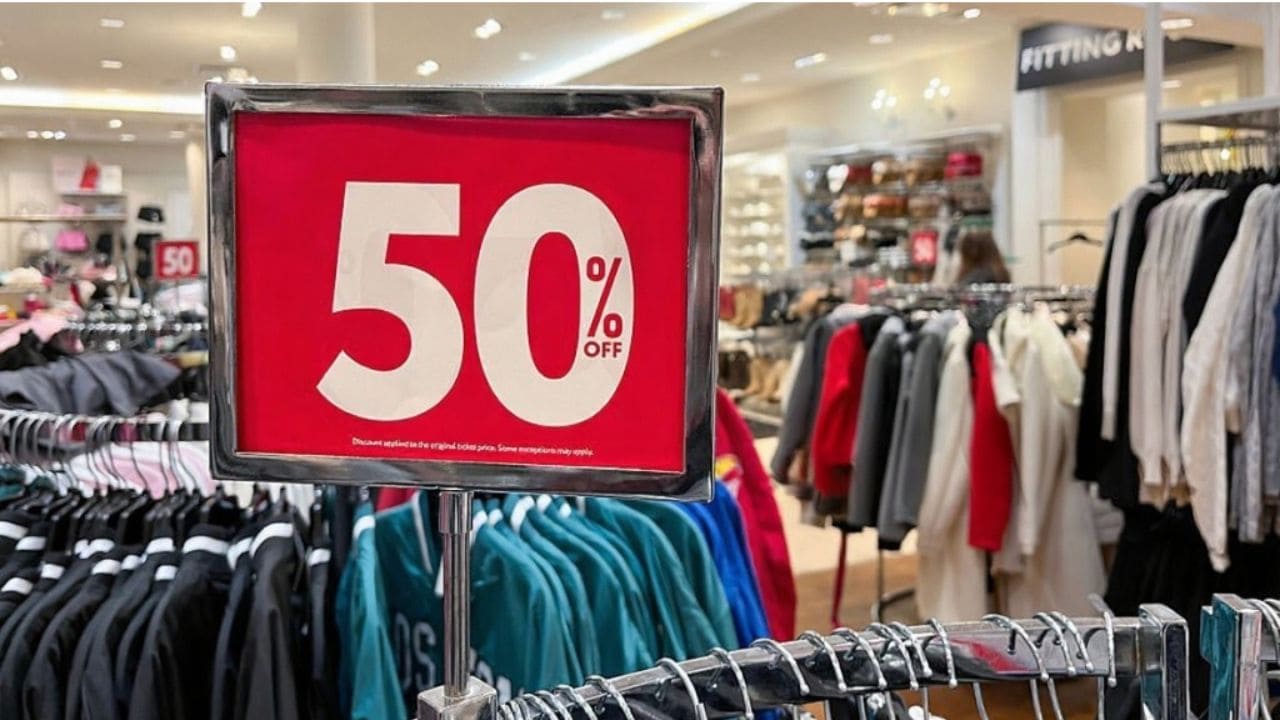
Boomers didn't care much about designer labels. They bought what worked, what lasted, and what was on sale. Function mattered more than fashion, and that mindset kept their spending realistic.
They knew that durability was a better investment than trendy marketing. That focus on practicality helped them build long-term savings without getting caught up in consumer pressure.
Doing their own home projects
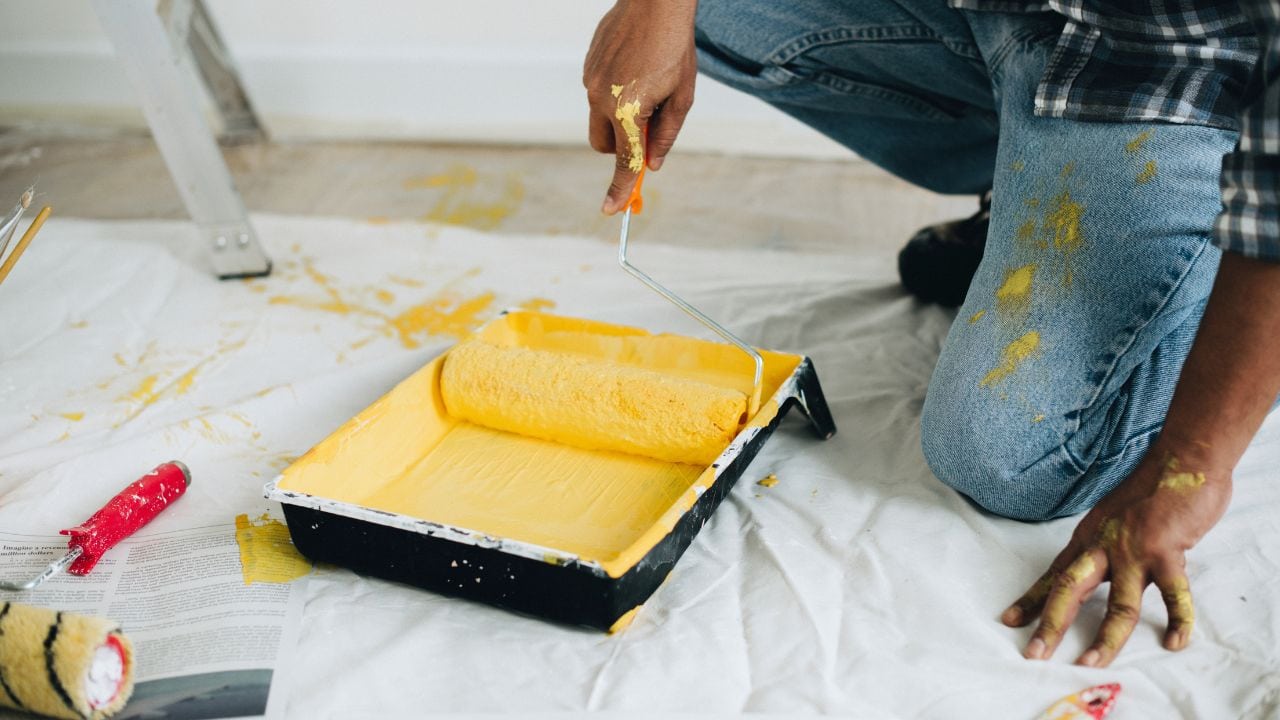
Painting, fixing leaky faucets, and basic yard work were part of everyday life. Hiring help was rare unless it was something truly specialized. Boomers valued the satisfaction-and savings-of handling small projects themselves.
Learning those hands-on skills made a difference. Today, DIY repairs and maintenance can still save hundreds each year while giving you more control over your home and expenses.
Living below their means

More than anything, boomers built their financial stability by living within their income. They prioritized saving over splurging and avoided unnecessary debt. That steady, practical approach helped them build real security.
Living below your means doesn't mean going without-it means being intentional. It's the foundation of every smart money habit, and it's one lesson from the boomer generation that never stops being relevant.
*This article was developed with AI-powered tools and has been carefully reviewed by our editors.






Leave a Reply