
Stores bank on the fact that most of us see a bright sale sign and stop asking questions. "40% off!" sounds huge until you realize the price was quietly raised two weeks ago or the item goes 50% off every other month.
You don't have to track every price like it's a hobby. You just need a few quick filters to run in your head so you can tell the difference between "grab it now" and "this will be back."
Compare the sale price to your mental "normal," not the tag

Instead of staring at the "was $X, now $Y" tag, think about what you've actually seen that item go for before. For example, if you know your store's store-brand butter is usually around $3.50, a "sale" for $3.39 isn't anything special.
But if you see it drop under $3 and you use it all the time, that's a real sale for you. This doesn't have to be exact. Just paying attention over a few weeks gives you a sense of what's truly low and what's just dressed up as a deal.
Look at the dollar amount, not the percentage
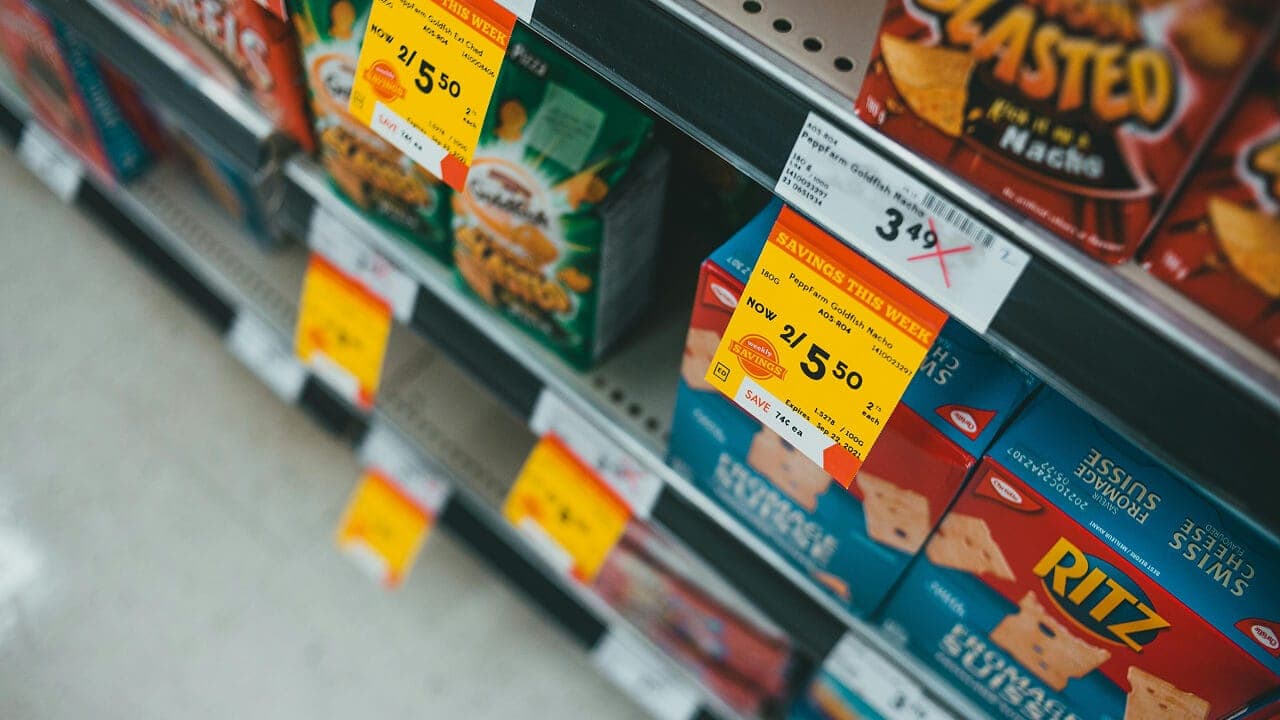
"50% off" gets your attention, but 50% off $60 is still $30. If you never would've paid $60 in the first place, that "deal" is a marketing trick.
Ask yourself: "If I saw this plain with no sale sign for this price, would I be happy to pay it?" If yes, the sale did its job and got you a fair number. If no, the percentage doesn't matter-it's still too high for your budget or your comfort level.
Ask if this item shows up in every sale ad

Some items are always on some kind of promo-especially at drugstores and grocery chains. If you notice the same cereal, pasta, or shampoo runs "on sale" every other week, you don't need to panic-buy it at the first markdown.
Use that pattern to your advantage. When you see a lower-than-usual sale on something you buy constantly, add an extra. When it's an average sale, just buy what you need and let it go.
Check the unit price on the shelf tag

Bigger isn't always cheaper, especially on "sale." The shelf tag often lists the unit price (price per ounce, per pound, per 100-count). Sometimes the "family size" on sale is still more expensive per unit than the regular size.
Quick rule: if the unit price on the sale size is clearly lower than the unit price on the regular size-and it's a true staple-you're getting an actual deal. If it's the same or higher, that sale sticker is basically decoration.
Watch for "buy more" deals that don't fit your life

"5 for $10" or "3 for $12" looks like you're supposed to buy in multiples. A lot of stores will still give you the sale price if you buy just one. The trap is when you buy more than you'll realistically use, just to "get the deal," and half of it goes to waste.
If it's something shelf-stable that your family plows through (pasta, canned tomatoes, rice), multipack deals can be worth it. If it's something you only use occasionally, it's not a deal if you throw two out later.
Pay attention to clearance sticker patterns in that store
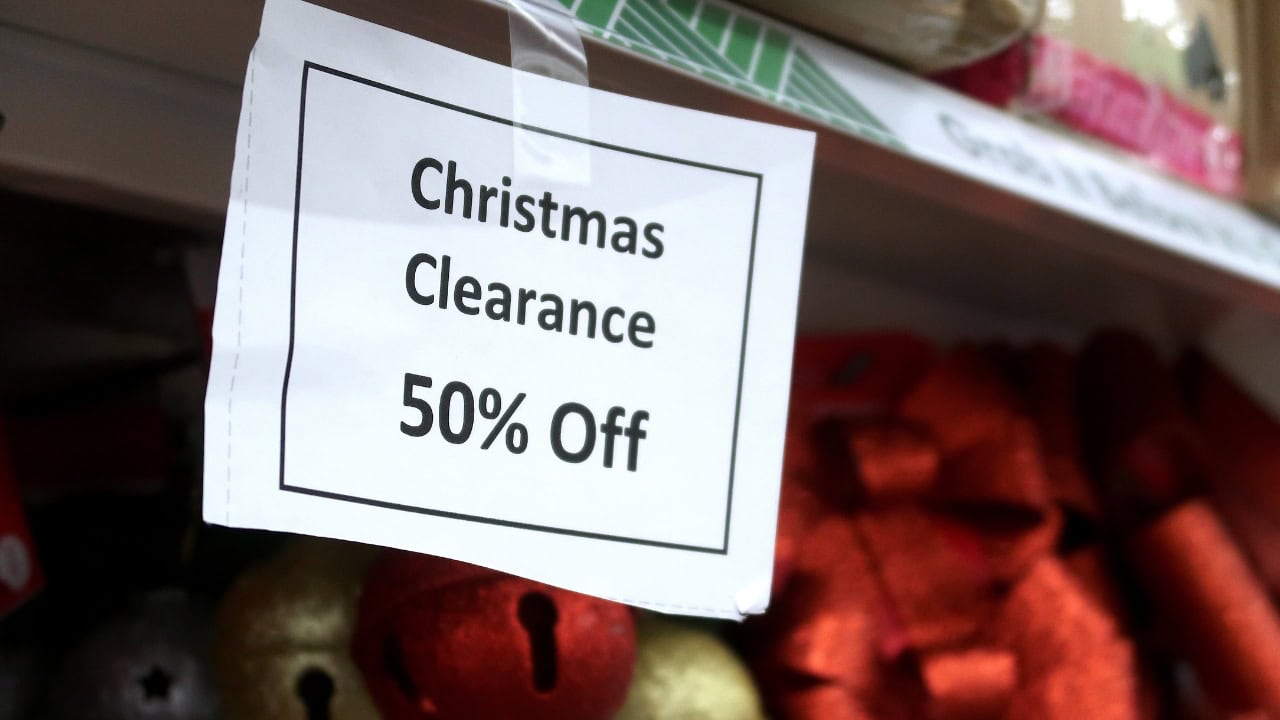
Clearance isn't always random. Stores often move through predictable markdown steps: 30% off, 50%, then 70% or more. If you've seen an item cycle before (like seasonal décor or clothes), you can tell where you're at on that ladder.
If a shelf is full at 30%, you can probably wait. If it's already looking sparse at 50% and it's something you genuinely want or need, that might be your moment. The key is separating "I'm scared it will be gone" from "I'll genuinely use this if I bring it home."
Ask yourself how often you'll actually use it

A sale on something you'll use every week is not the same as a sale on a gadget you'll use twice and forget. Before you get too excited, picture where this thing lives in your home and how often it shows up in your week.
If you can easily imagine using it in three different ways or recipes, that's a good sign. If you're squinting and thinking, "Maybe I'd use it someday when I host again," that's a clue the sale is better than the fit.
Check if a store brand version is still cheaper at full price

This one stings sometimes. You'll see a name-brand item with a big sale sign and feel like you're winning-until you look down and see the store-brand version is still cheaper without any promo at all.
Compare ingredients and sizes. If the store brand lines up and you're not loyal to the name brand, your "deal" might actually be on the plain version. There are times the name brand's worth it, but it should be a choice you're making, not something a yellow sign pushed you into.
Consider timing: is this a seasonal item or a year-round buy?

Some things truly are seasonal steals-like clearance holiday décor after Christmas or markdown gardening supplies at the end of summer. Those won't return at that price for a while, so waiting can mean missing your window.
But for year-round items (basic clothing, towels, many electronics), sales cycle constantly. If you're not in a rush, there's usually another chance coming. If money is tight that week, waiting is often the smarter move.
Ask, "If I walk away, will I still be thinking about this tomorrow?"

This little gut check works surprisingly well. Leave the aisle, finish the rest of your list, and see if your mind keeps circling back to it.
If you completely forget about it, that tells you what you need to know. If you keep wishing you'd grabbed it-and it fits your budget-you can always go back or grab it on your next trip. A sale that can't survive a 20-minute pause probably wasn't that important.
Remember: saving money means not buying some things at all

The hardest truth is that "saving" $20 on something you didn't need is still spending. A sale is only a win if it lines up with your real priorities and doesn't blow up the rest of your budget.
You're allowed to walk past a big red sign and keep going. You're allowed to decide that this week, sticking to the list matters more than stocking up. That's not missing out-that's you being in charge instead of letting the sale decide for you.
Like Thrifty Jinxy's content? Be sure to follow us.
Here's more from us:
How to Make Baby Yoda Cookies with Step-by-Step Instructions
Super Easy Biscuit Recipe with No Shortening
*This article was developed with AI-powered tools and has been carefully reviewed by our editors.






Leave a Reply