
Clothes don't usually fall apart overnight-it happens little by little from small habits that seem harmless at the time. The way you wash, store, or even wear your clothes can quietly shorten their lifespan and make them look older than they are.
The good news is that most of these problems are easy to fix once you notice them. With a few small changes, you can keep your clothes looking newer, fitting better, and lasting a whole lot longer.
Overwashing everything
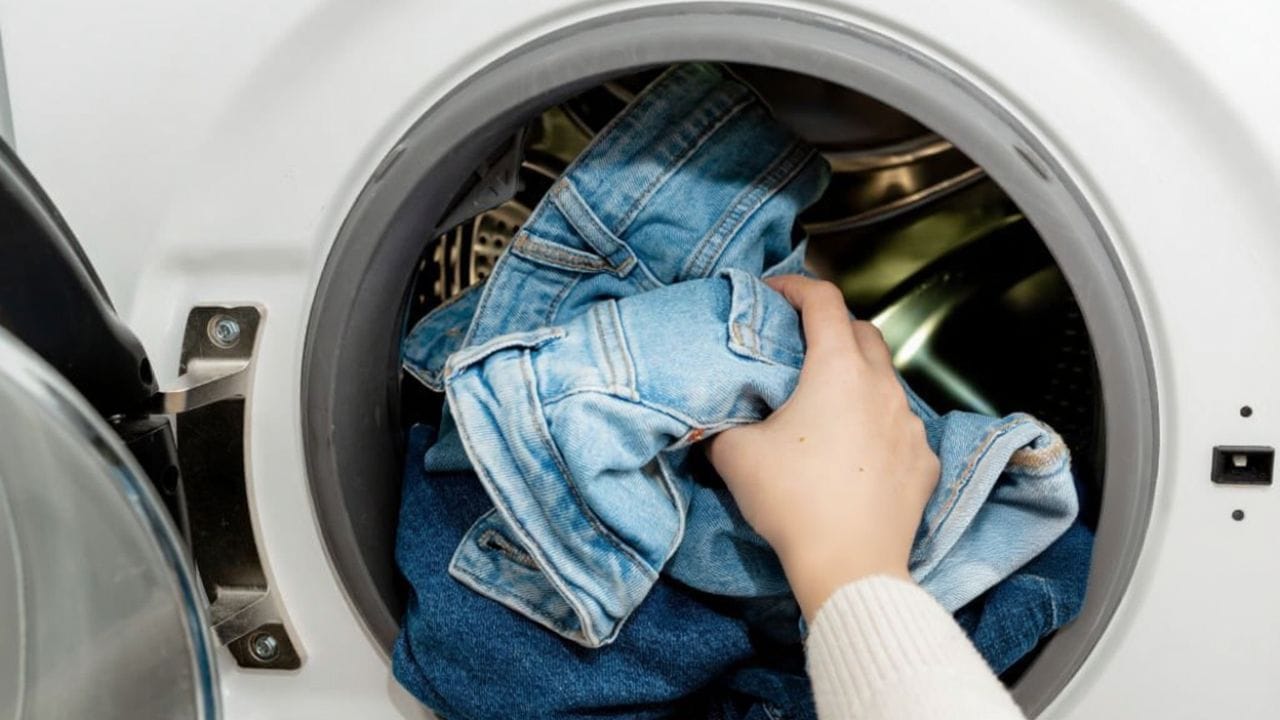
Washing clothes too often fades colors, wears down fabric, and weakens stitching. Unless something's visibly dirty or smells off, it probably doesn't need to be washed right away.
Denim, sweaters, and outer layers can go several wears before needing a wash. Spot clean when possible, and when you do wash, use cold water and gentle cycles to protect fibers and dyes.
Skipping garment care labels
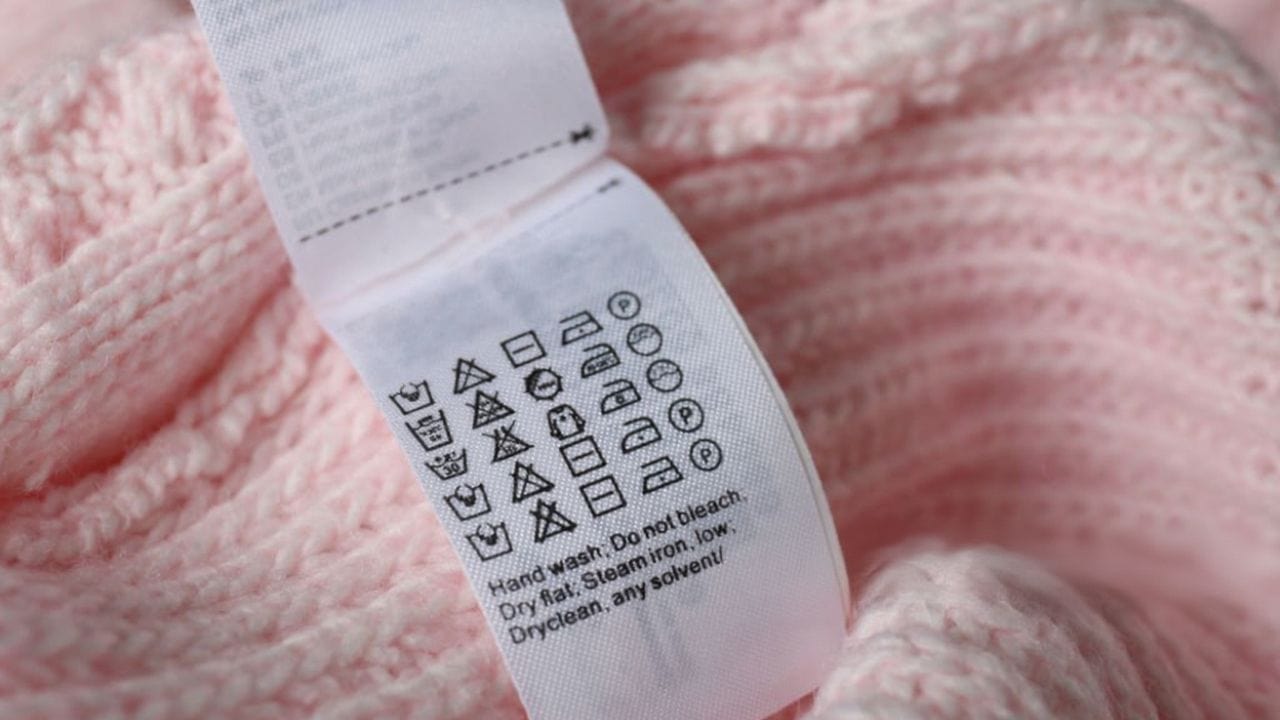
Those little care tags may seem like overkill, but ignoring them can destroy clothes fast. Some fabrics need air drying, others can't handle heat or bleach-and guessing wrong will cost you.
Take a few seconds to check the tag before tossing something in the wash. Even sorting by fabric type (like keeping synthetics separate from cotton) helps preserve fit and texture.
Hanging knits instead of folding them

Sweaters and heavy knits stretch out when hung on a hanger. Over time, you'll see sagging shoulders and uneven hemlines that are nearly impossible to fix.
Fold sweaters and store them flat on a shelf or drawer. If you're tight on space, try rolling instead of hanging-your knits will keep their shape and still look new next season.
Using the dryer for everything
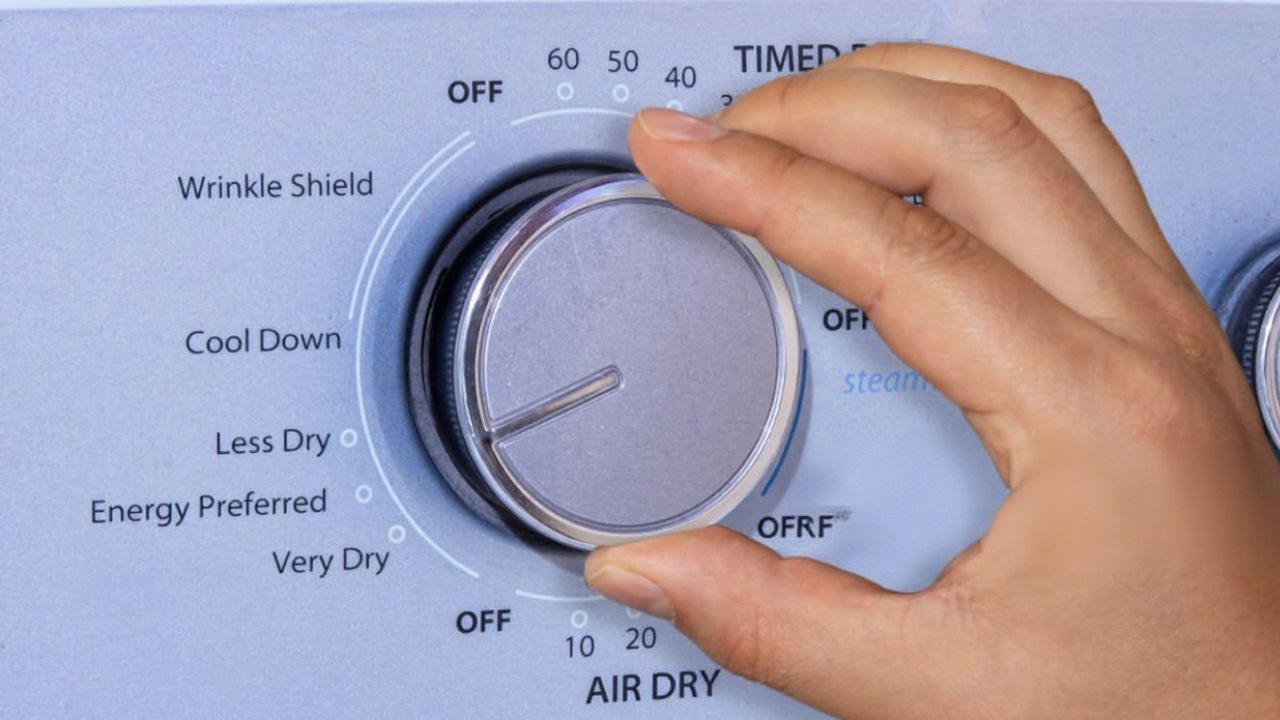
The dryer is one of the biggest wardrobe killers. High heat breaks down elastic, shrinks natural fibers, and fades colors fast.
Air drying, even partially, helps clothes last longer and keeps their original fit. Hang delicate items or lay them flat, and only use the dryer on low heat when absolutely necessary.
Storing clothes while they're still damp

Putting away clothes that aren't completely dry leads to mildew, wrinkles, and that sour smell that's hard to get out. It can also damage fibers over time.
Always make sure clothes are fully dry before folding or hanging them. If you're short on time, hang them in an open area until they've had a chance to air out.
Letting stains sit too long
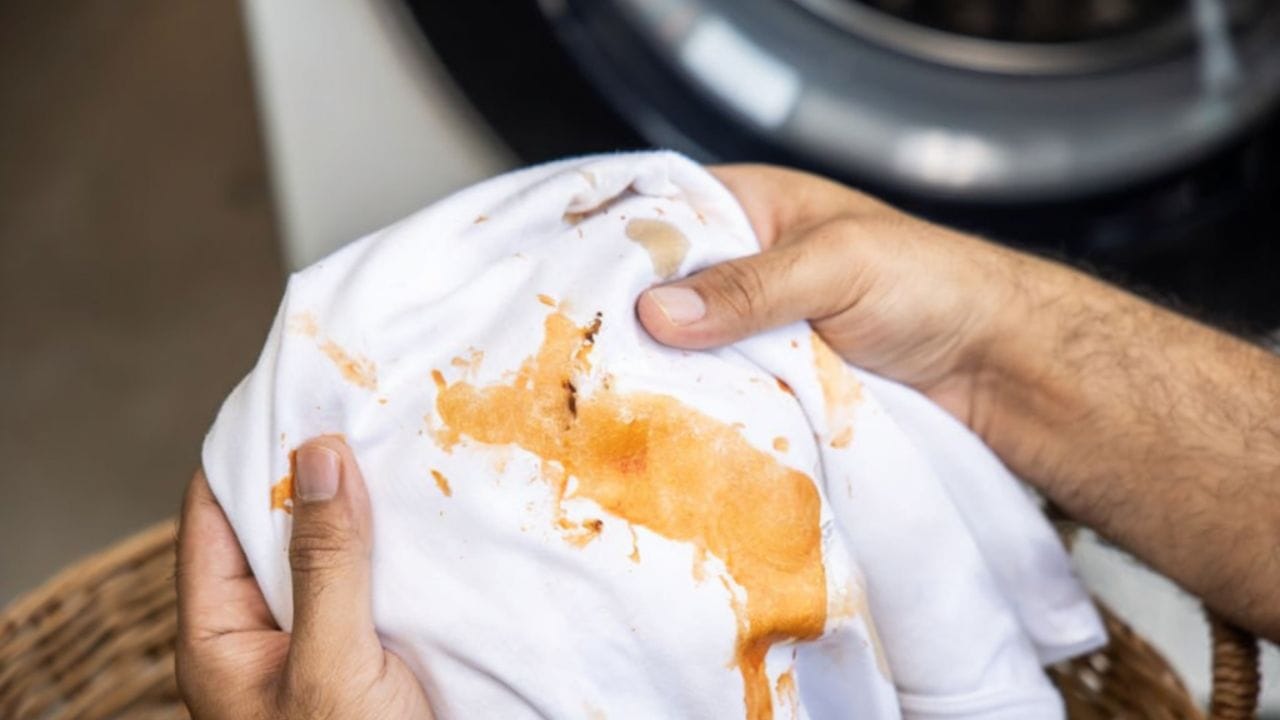
The longer a stain sits, the harder it is to remove. Waiting even a few hours can set a stain permanently, especially on natural fabrics like cotton or linen.
Keep a small stain remover pen or spray handy so you can treat spots right away. Once they're treated, wash as soon as possible to prevent the mark from becoming permanent.
Overcrowding your closet

When clothes are packed too tightly, they wrinkle, lose their shape, and even develop fabric damage from constant rubbing.
Give your clothes some breathing room. You'll notice they look better and last longer-and it's easier to see what you actually own, which helps prevent unnecessary wear from over-rotation.
Using the wrong hangers
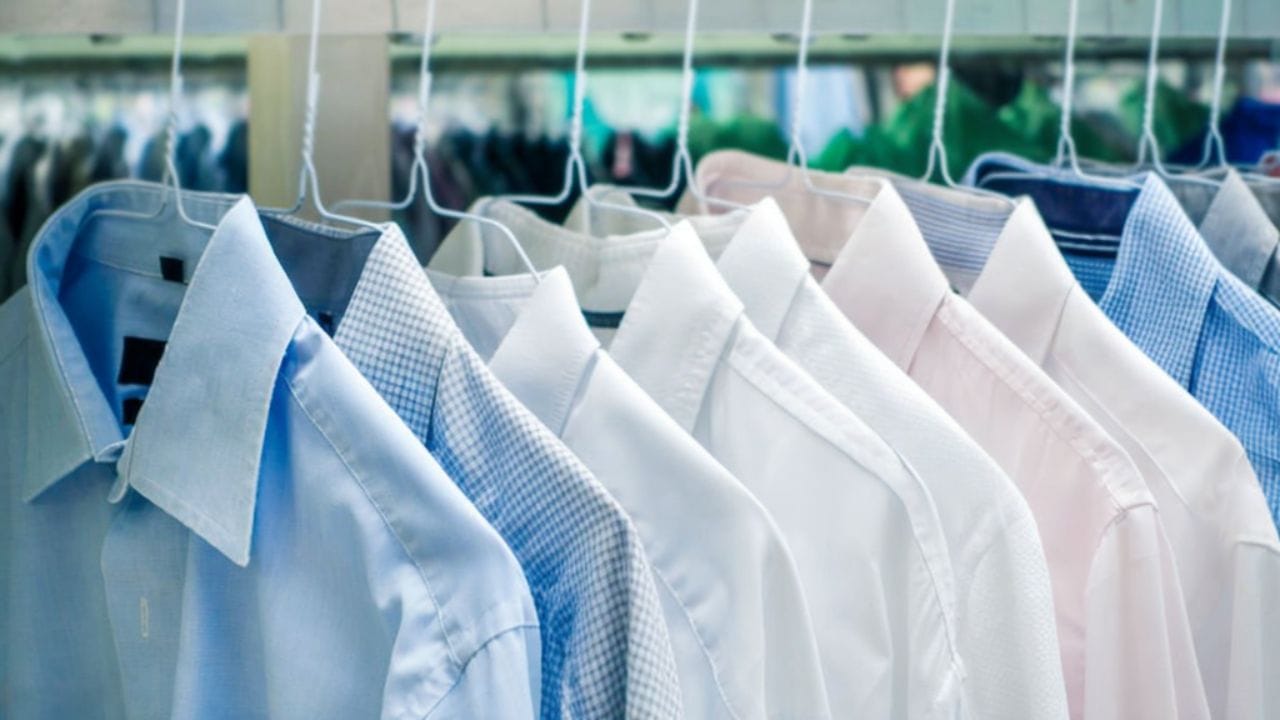
Wire or thin plastic hangers can stretch out shoulders and leave permanent dents. Over time, they'll warp the fit of shirts, coats, and even dresses.
Swap them for wooden or padded hangers that support the natural shape of your clothes. It's a small change that makes a big difference in keeping your wardrobe looking sharp.
Ignoring shoe care
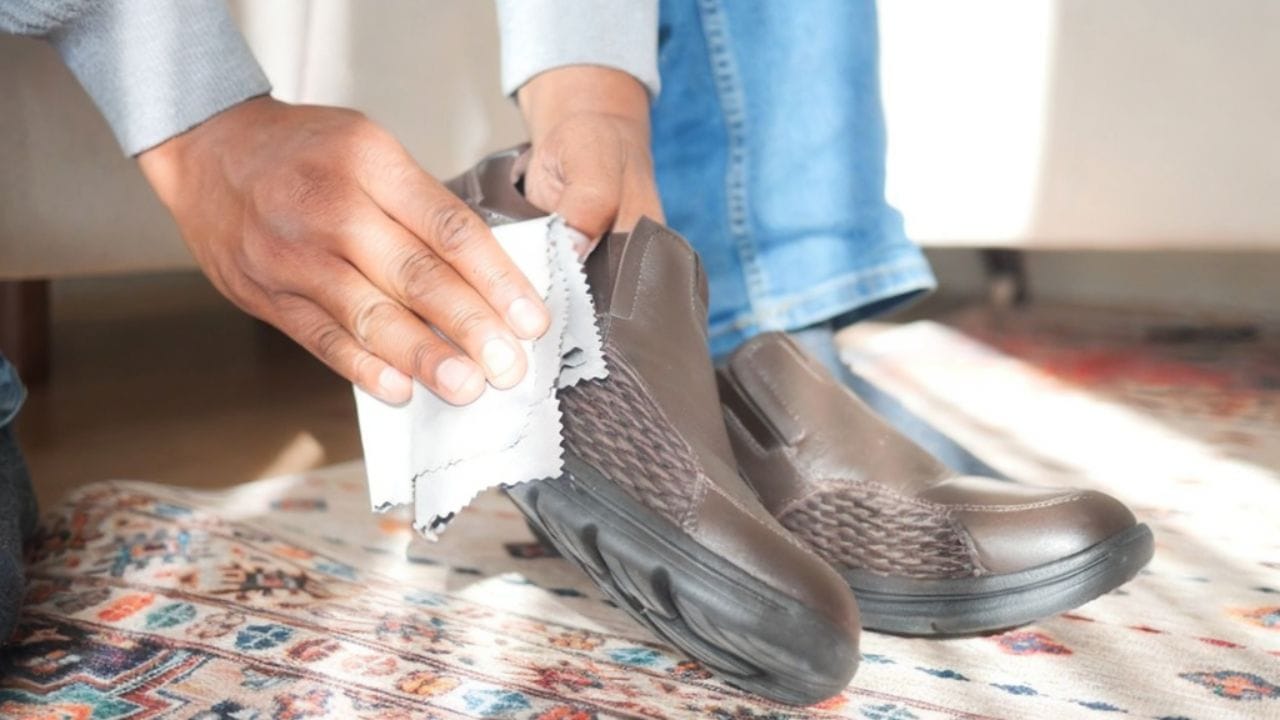
Scuffed shoes, cracked leather, and worn soles make any outfit look less put together. Shoes need regular cleaning and conditioning to last.
A quick wipe-down and polish every few weeks can extend the life of leather or faux leather pairs. Storing them with shoe trees or even newspaper helps maintain their shape.
Using too much detergent
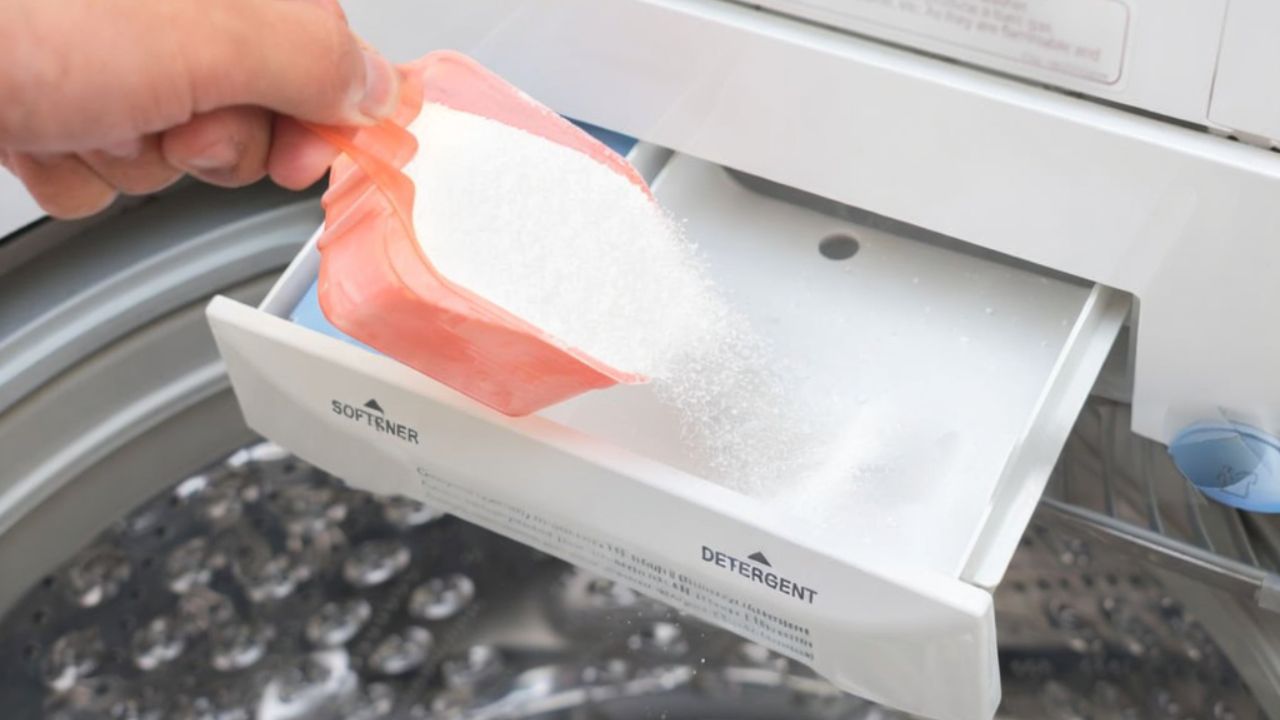
More detergent doesn't mean cleaner clothes-it means leftover residue that stiffens fabric and dulls color. Over time, that buildup can make clothes feel rough and look faded.
Measure detergent carefully and run an extra rinse cycle every few washes to remove buildup. Your clothes will come out softer, smell fresher, and hold their color longer.
*This article was developed with AI-powered tools and has been carefully reviewed by our editors.






Leave a Reply