
Gas prices don't have to skyrocket for your fuel bill to sting-everyday driving habits and small oversights can quietly drain your tank faster than you think. A lot of what feels "normal" behind the wheel actually burns through gas unnecessarily.
The good news is that most of it's fixable without spending a dime. Once you know where the waste is coming from, you can easily squeeze more miles out of every tank. Here are the sneaky habits that cost you the most at the pump.
Letting your car idle
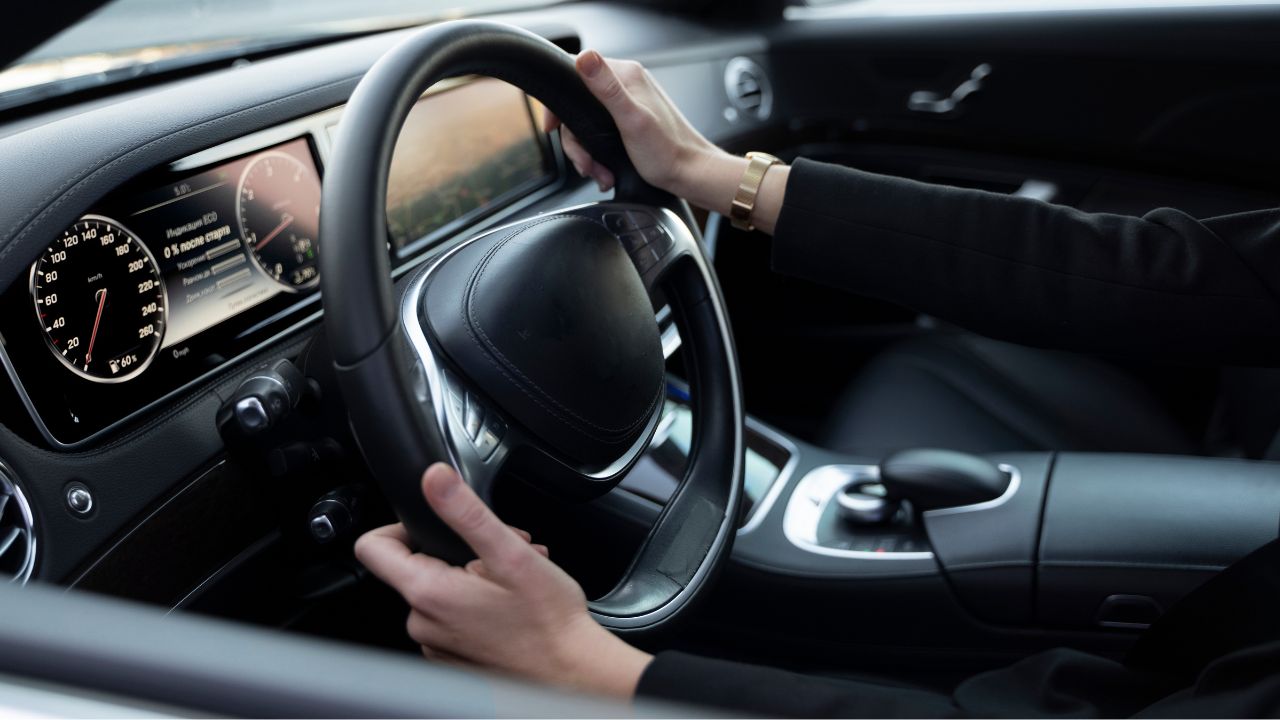
Idling burns more gas than most people realize. Leaving the engine running in the driveway, parking lot, or school pickup line wastes fuel and wears on the engine.
If you're sitting for more than a minute, it's better to turn it off. Modern engines are built to restart efficiently, so you're not saving anything by letting it run.
Driving too fast
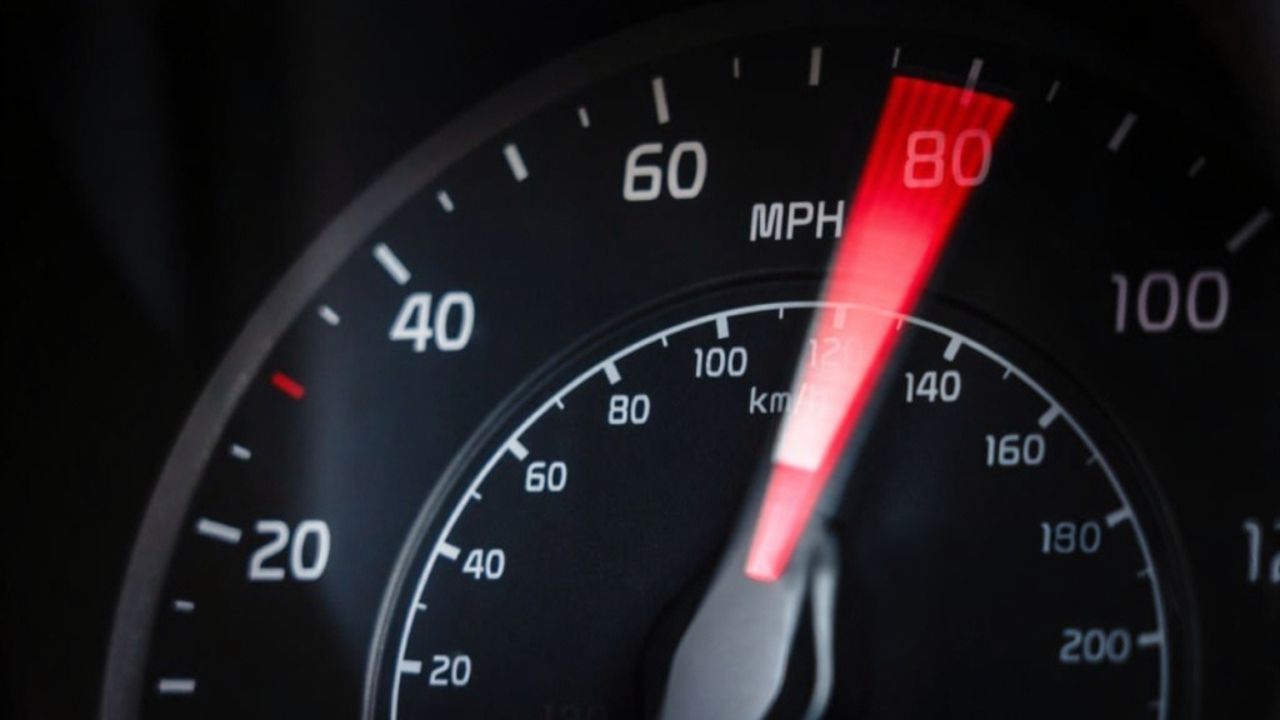
Speeding might save you a few minutes, but it costs you more fuel. Once you pass about 60 mph, your car's aerodynamic drag increases, and gas mileage drops sharply.
Even dropping your speed by 5-10 mph on the highway can noticeably stretch your tank. Cruise control helps too-it keeps your speed steady and reduces wasted fuel from constant acceleration.
Rapid acceleration and hard braking
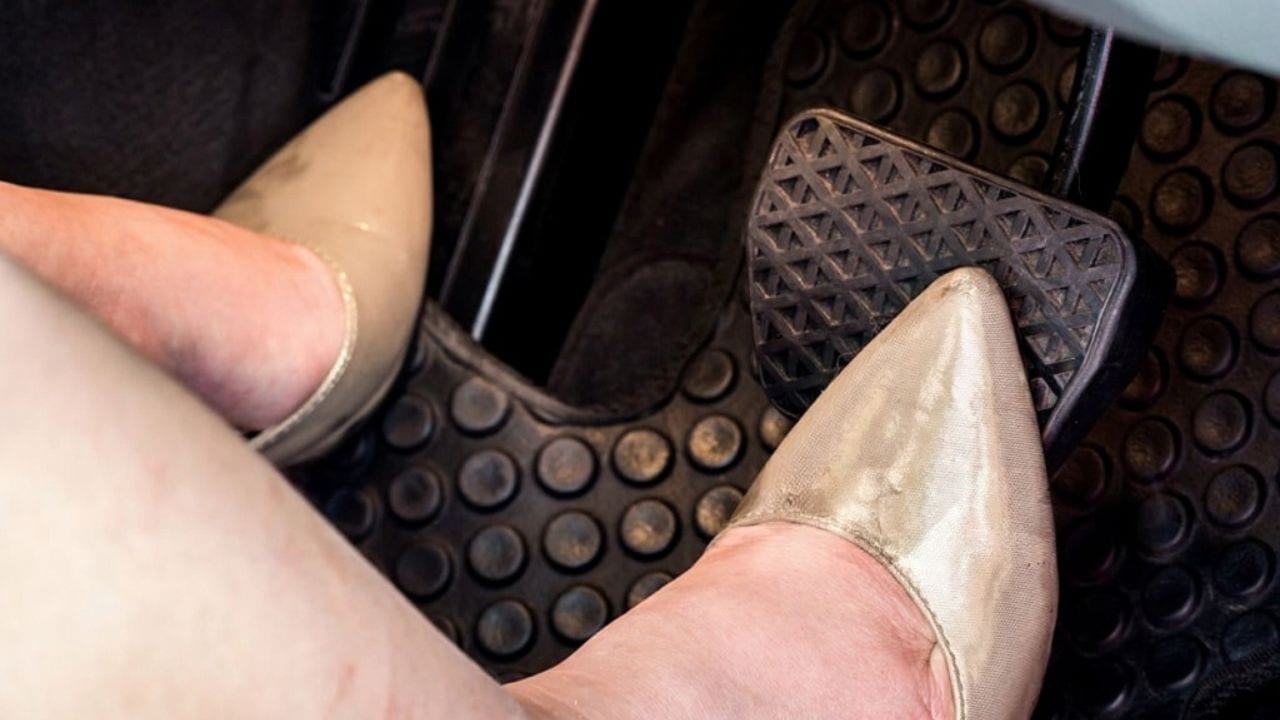
Hitting the gas too aggressively and slamming on the brakes uses more energy than you think. Smooth, gradual acceleration helps your engine work efficiently.
Planning ahead-like coasting to a stop instead of racing to red lights-makes a big difference. It's easier on your brakes too, which saves money beyond the pump.
Ignoring tire pressure
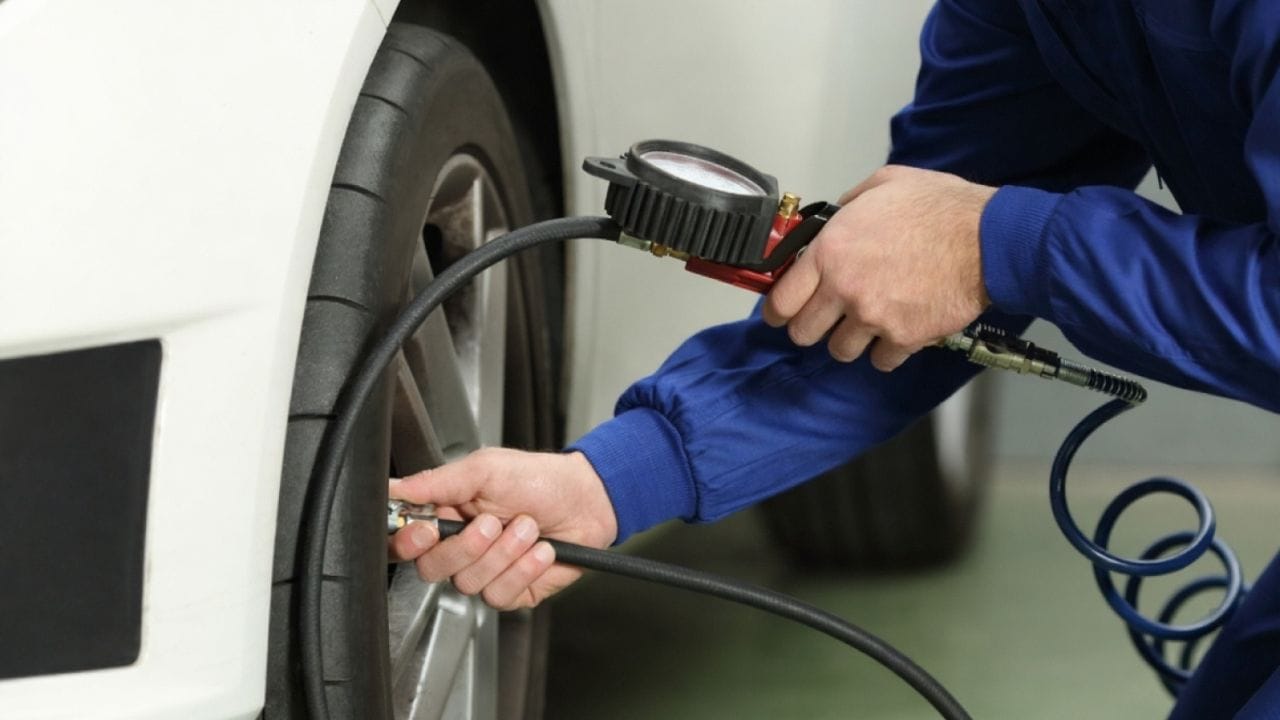
Underinflated tires increase rolling resistance, which forces your car to use more fuel to move forward. Even being a few PSI low can reduce your mileage.
Check tire pressure at least once a month, especially during temperature changes. It's a quick fix that improves both gas efficiency and safety.
Carrying extra weight
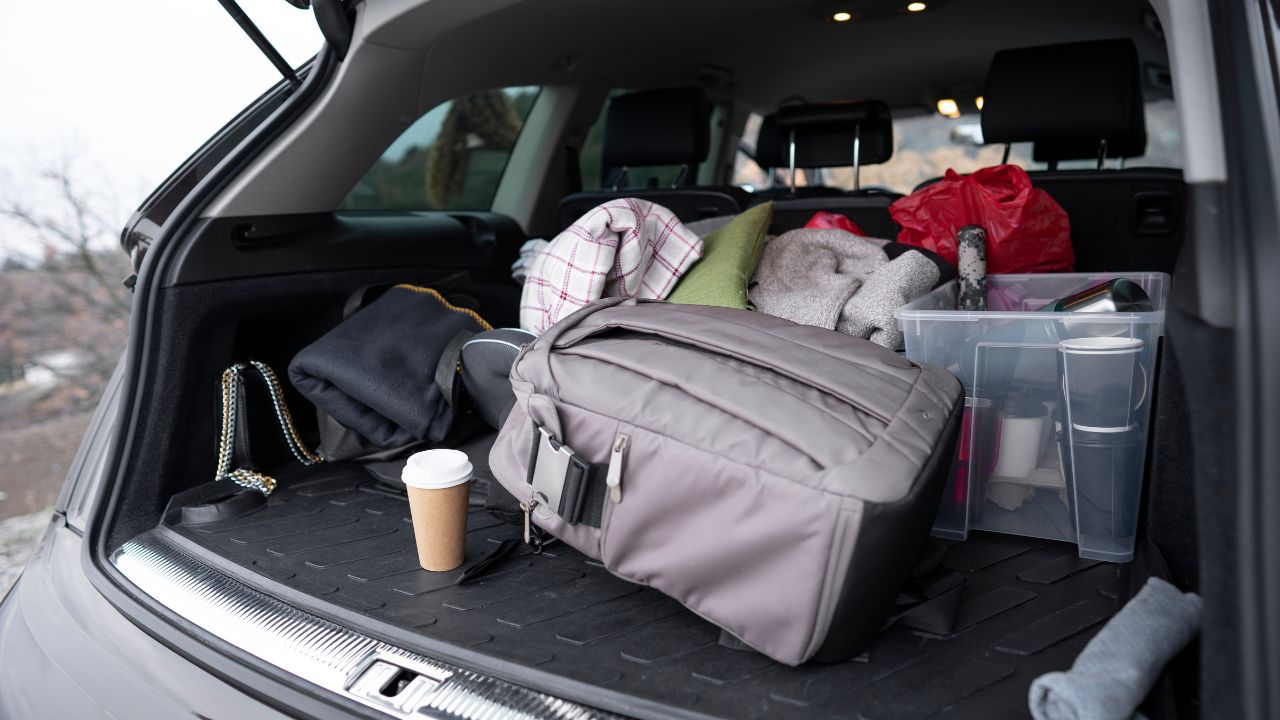
Every unnecessary item in your trunk or backseat costs you fuel. Extra weight makes your engine work harder, particularly during acceleration and uphill driving.
Keep only what you need in your car. Even clearing out a few bulky items can add up to better mileage-especially if you drive a smaller vehicle.
Using the A/C nonstop
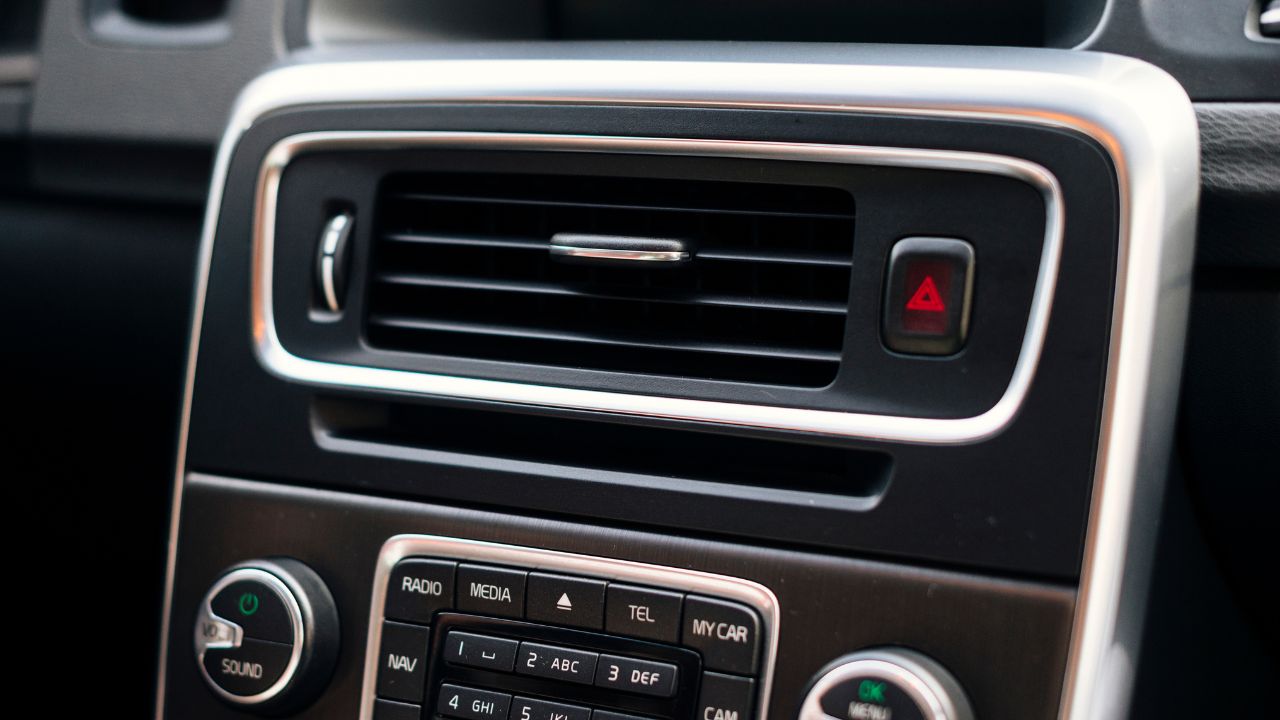
Air conditioning takes power from the engine, which lowers fuel efficiency. It's fine to use when needed, but running it full blast all the time burns more gas.
On cooler days, try using the vent or rolling down windows at lower speeds. Once you're on the highway, close them again to reduce drag and maintain airflow efficiency.
Ignoring maintenance
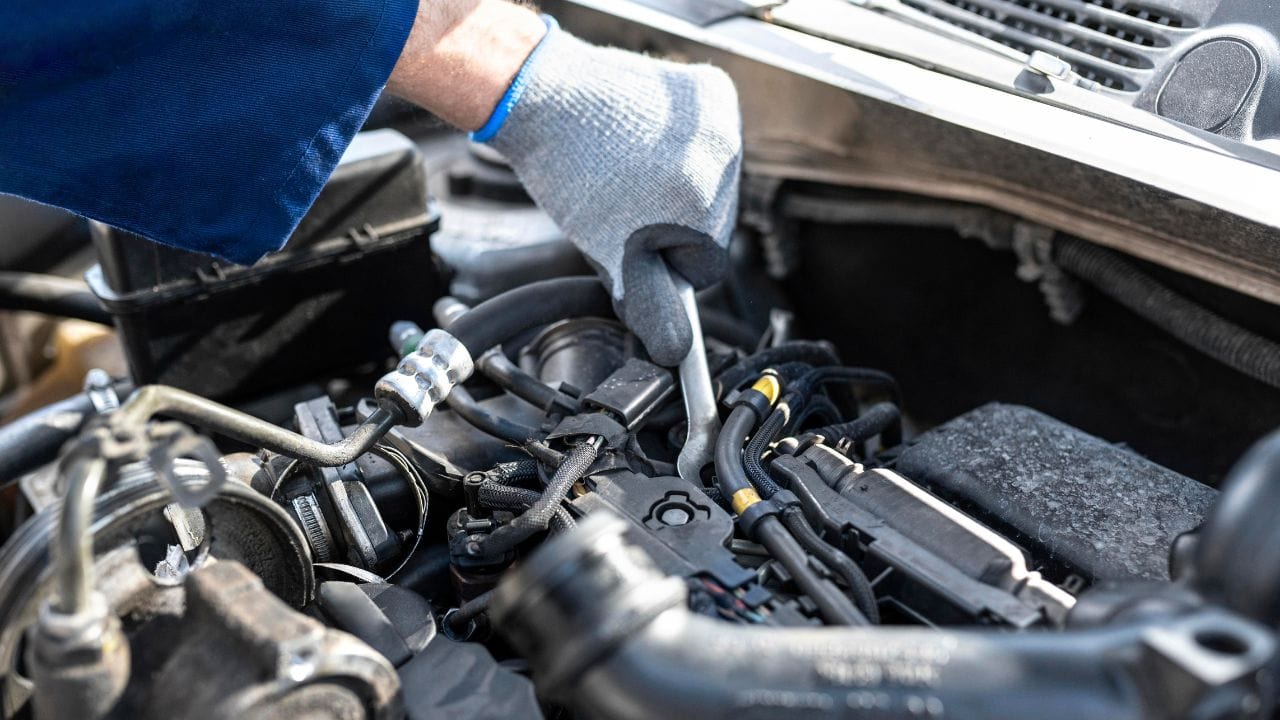
Skipping basic maintenance like oil changes, air filter replacements, or spark plug checks can cause your car to burn more fuel. When your engine isn't running efficiently, it has to work harder.
Following the manufacturer's maintenance schedule keeps your car tuned and fuel use steady. Think of it as regular upkeep for your wallet as much as your vehicle.
Using the wrong fuel
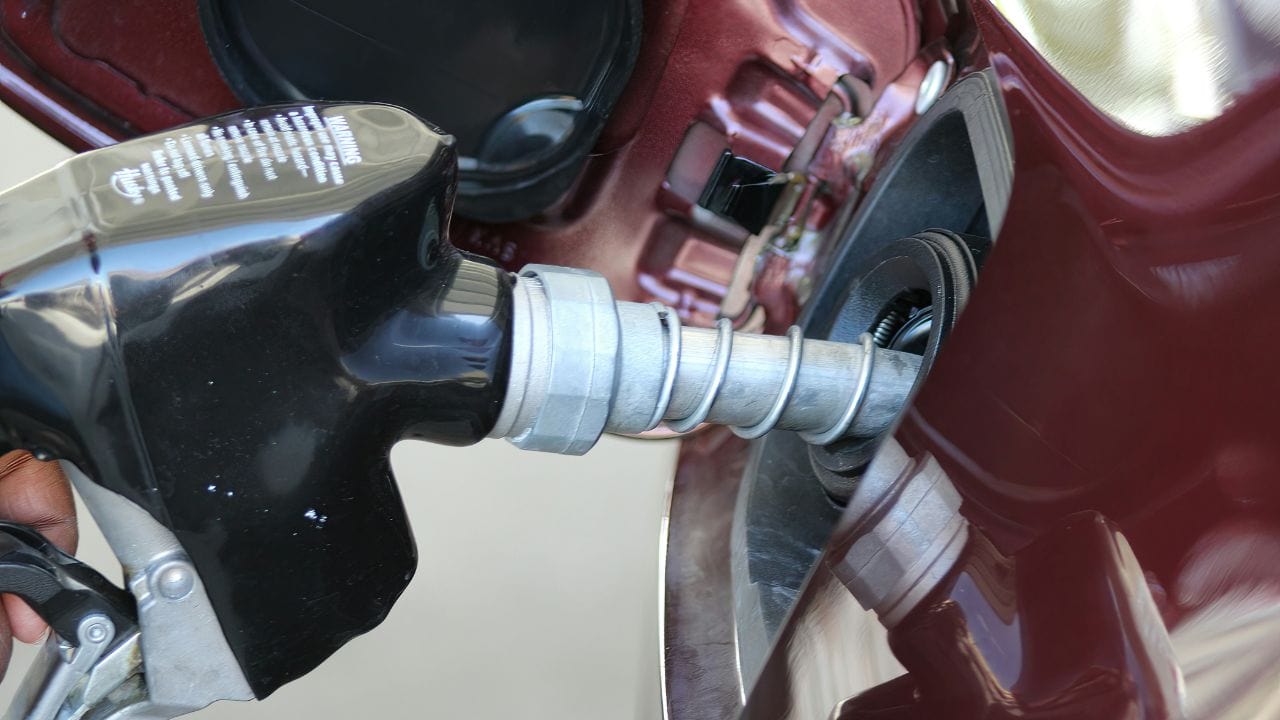
Filling up with premium gas when your car doesn't require it is throwing money away. It doesn't make your car run better or cleaner-just more expensive.
Check your owner's manual and stick to the recommended fuel grade. Unless your engine specifically calls for premium, regular unleaded works perfectly fine.
Short, frequent trips
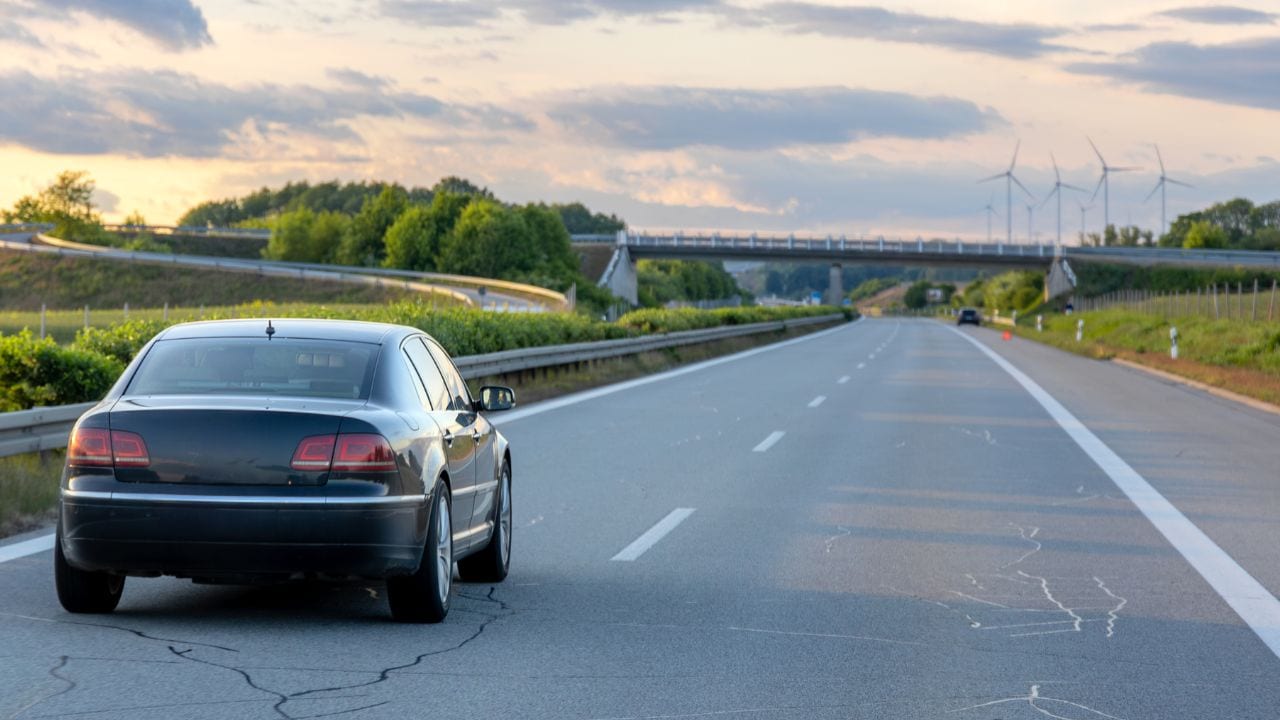
Starting a cold engine repeatedly uses more fuel than taking one longer trip. Short drives don't give your engine enough time to warm up and run efficiently.
Combine errands when possible or plan routes that minimize stops and backtracking. Even small changes like that reduce how often you need to refuel.
Roof racks and cargo boxes
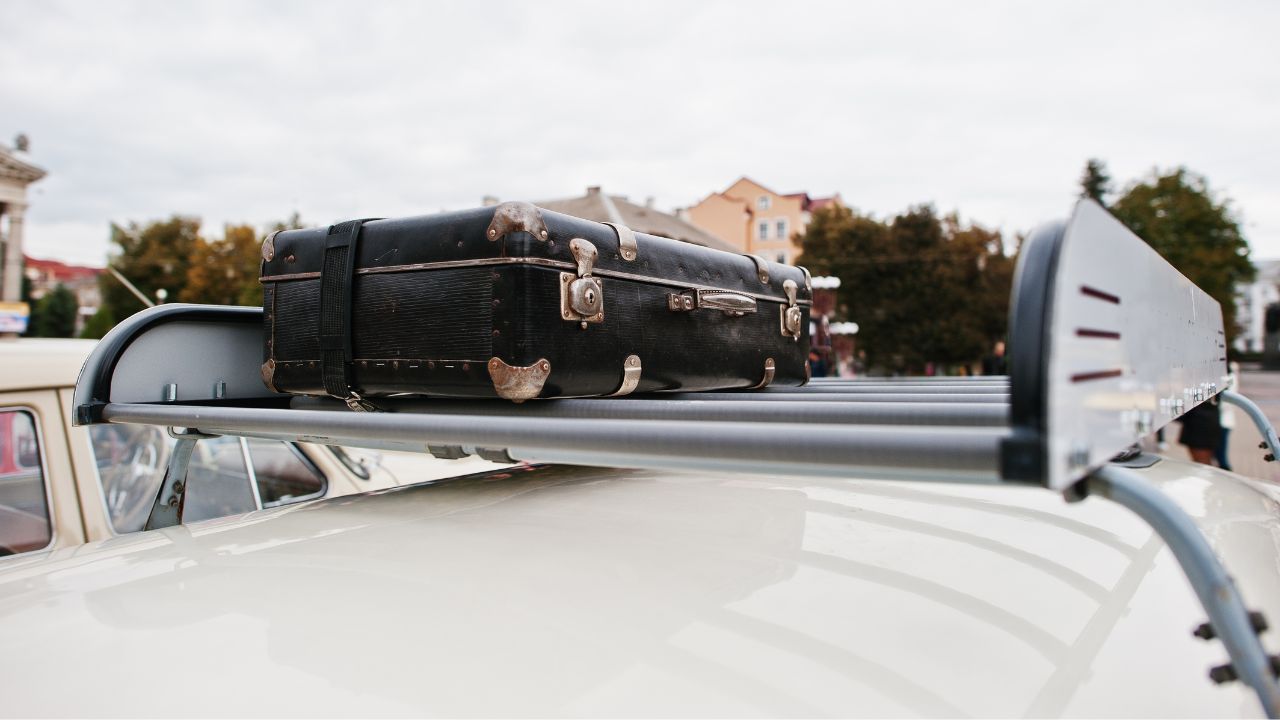
Anything that changes your car's aerodynamics hurts fuel economy. Roof racks, cargo boxes, or even bike mounts create drag that burns extra gas at highway speeds.
If you're not using them regularly, take them off. You'll get better mileage, less wind noise, and one less reason to fill up sooner than you planned.
*This article was developed with AI-powered tools and has been carefully reviewed by our editors.




Leave a Reply