Grocery stores are designed to make you spend more-plain and simple. The layout, lighting, and even the smell of fresh bread are carefully planned to get you to buy things you didn't plan on.
You don't have to fall for it, but first, you have to notice it.
You follow the store's layout instead of your own plan
Stores are intentionally arranged to lead you past the most profitable items before you ever reach the essentials. That's why the milk and eggs are always at the back. If you walk the full loop every time, you're guaranteed to add extras to your cart. Bring a list and stick to it.
You fall for "buy more" deals that don't save anything
The "buy 5, save $5" promos seem like a win, but they often make you buy things you didn't need in the first place. If it's not something you regularly use, that deal is really just a clever way to make you spend more, not less.
You grab endcap displays thinking they're discounts
Endcaps look like special sale areas, but they're often full-price items placed in a high-traffic spot. Brands pay for those displays to catch your eye, especially if you're rushing through. Always double-check the price tag before assuming it's a deal.
You trust shelf tags without reading the fine print
That bright yellow "sale" tag can be misleading. Sometimes the discount applies only to specific sizes or flavors, or the "sale" price is barely different from the regular one. Read the small print before you load up your cart.
You shop hungry or distracted
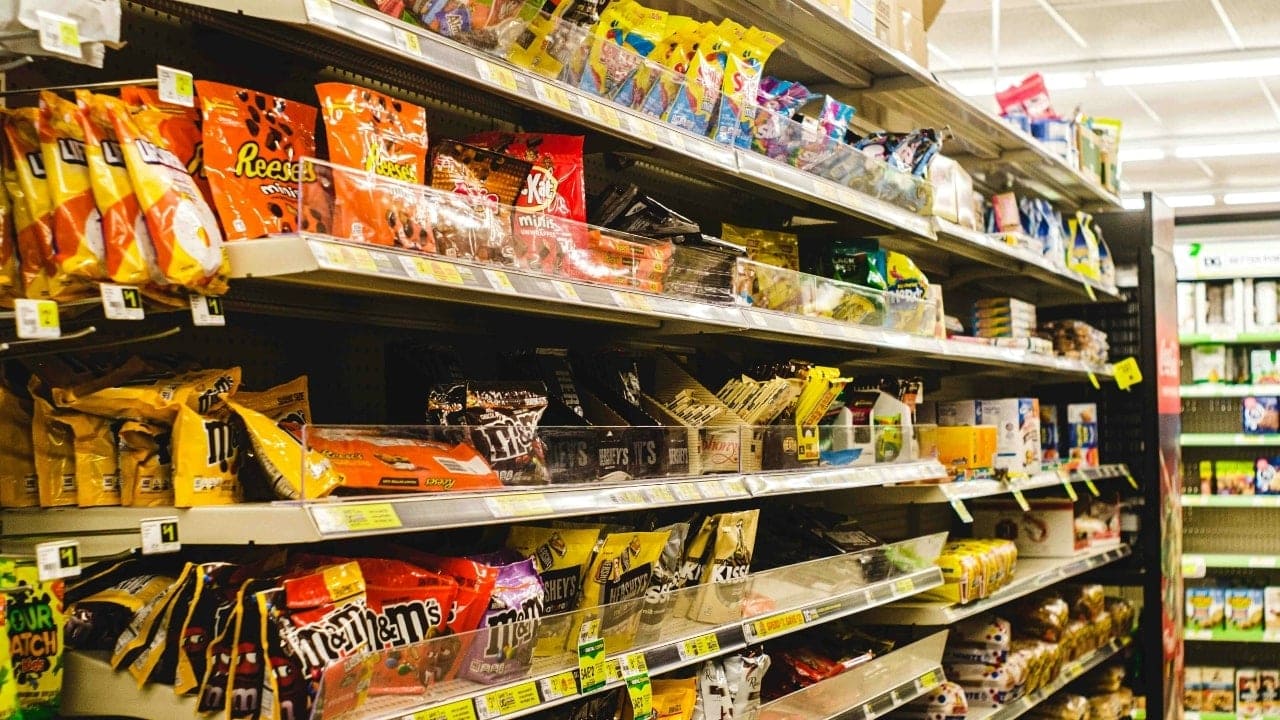
It's one of the oldest tricks in the book. Stores know that when you're hungry, tired, or rushed, you're more likely to make impulsive choices. You'll grab more snacks, pre-made meals, and "easy" items. Eat before you go-it'll save you every time.
You assume name brands mean better quality
Name brands spend big on packaging and placement to look premium. In many cases, the store brand is made by the same manufacturer and tastes exactly the same. You're paying for the label, not a difference in quality.
You grab products at eye level
Eye-level shelves are prime real estate for higher-margin brands. The better-priced or generic options are usually placed lower or higher. Take a second to scan the whole shelf-you'll often find the same thing for far less.
You don't track the unit prices
Packaging sizes can be sneaky. A "cheaper" box might hold less product than before, or a larger one might cost more per ounce. The small print on the shelf tag tells you the real story. The lowest number per unit is what actually saves you money.
You fall for fancy packaging words

Phrases like "natural," "artisan," and "farm fresh" sound nice but don't mean much legally. They're used to make you feel better about spending more. If it's not a regulated claim like "organic" or "non-GMO," it's mostly marketing fluff.
You shop the same store out of habit
Every store has different pricing strengths. One might be cheaper on meat, another on produce. If you never compare, you'll never notice where you're overpaying. Mixing stores or alternating your trips can cut your grocery bill without changing what you buy.
*This article was developed with AI-powered tools and has been carefully reviewed by our editors.






Leave a Reply