
The daily drive to work costs a lot more than most people realize. Between gas, maintenance, and hidden habits that add up, your commute might be one of the biggest hits to your wallet each month.
Even short drives can get expensive once you factor in wear and tear, parking, and higher insurance premiums.
If you're wondering why your paycheck seems to disappear faster than it should, your daily drive might be the reason. Here are the ways your commute quietly drains your budget-and what to watch out for.
You're Driving During Peak Traffic

Stop-and-go traffic kills fuel economy. Every time you accelerate and brake, you're burning more gas than you would on a steady route. Over time, that means paying for extra fill-ups you wouldn't need otherwise. Leaving a little earlier or later-even by 15 minutes-can make a noticeable difference in both time and fuel costs.
You Ignore Tire Pressure
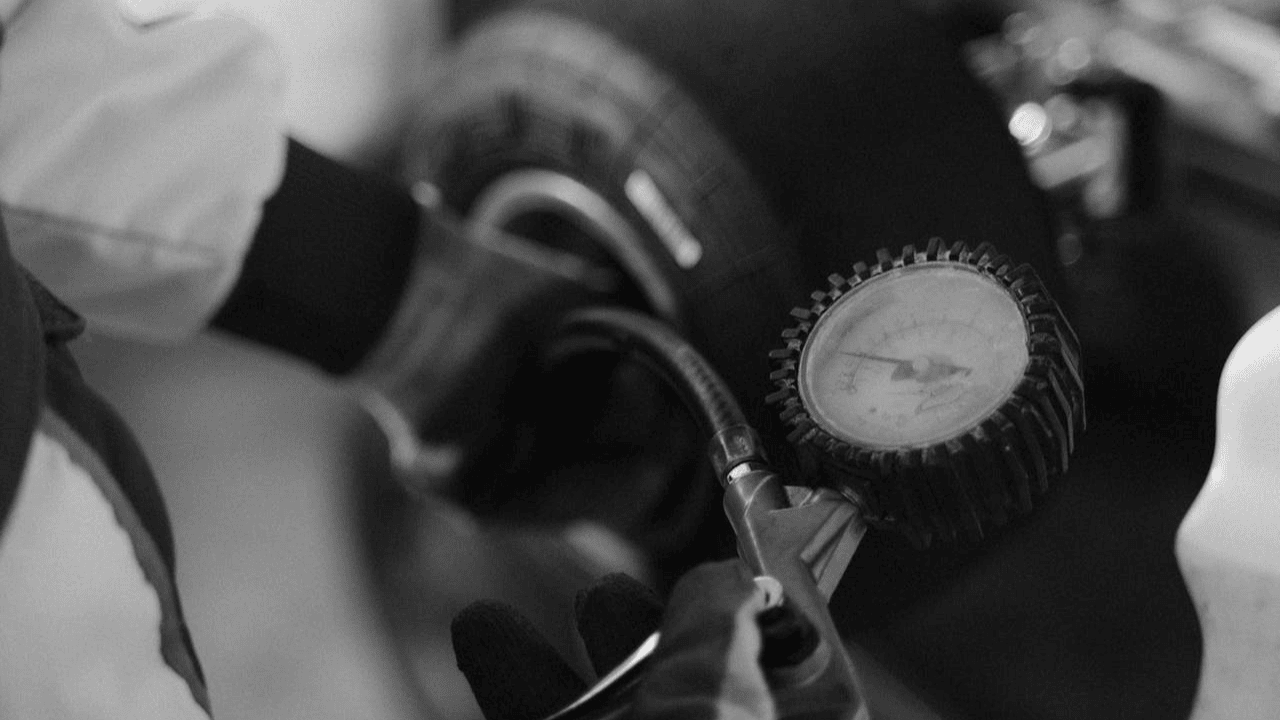
Underinflated tires don't just wear unevenly-they also lower your gas mileage by up to 3%. That might not sound like much, but it adds up fast on a long commute. Checking your tire pressure once a month and keeping it within the recommended range keeps your car running efficiently and helps your tires last longer.
You're Paying for Premium Gas When You Don't Need It
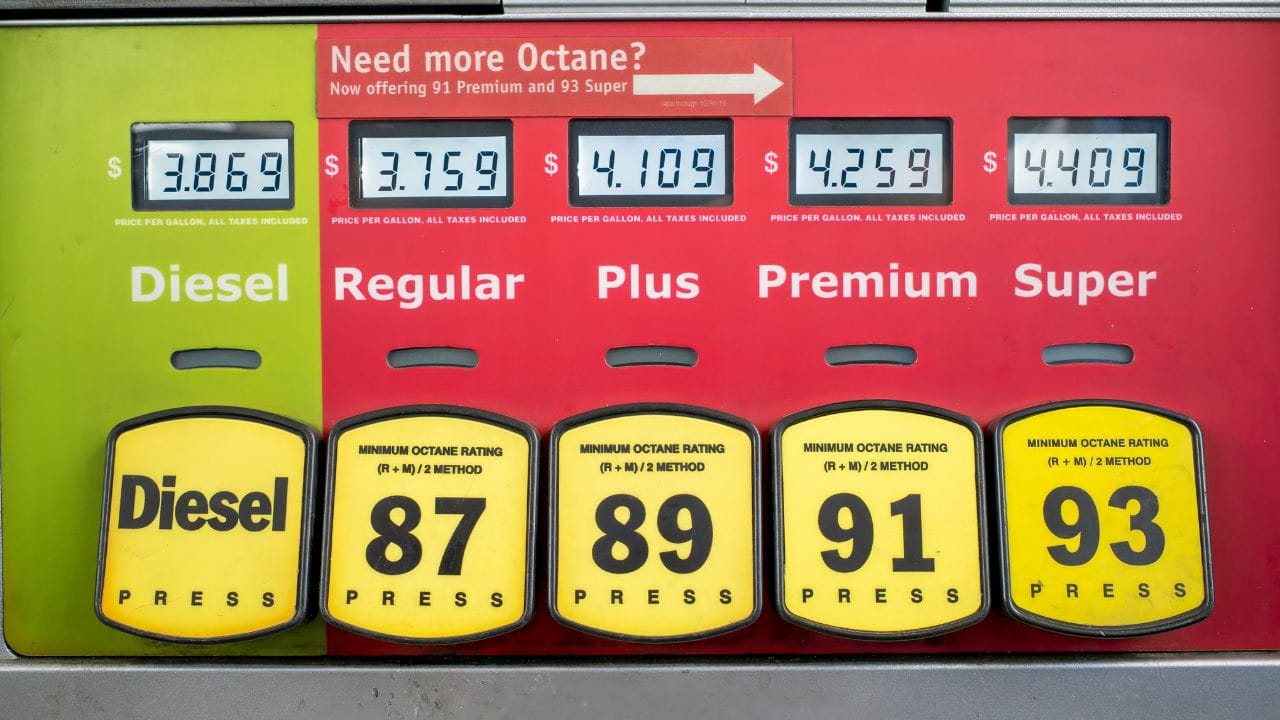
Unless your car specifically requires premium fuel, you're wasting money. Many drivers assume it'll make their engine run smoother or last longer, but for most vehicles, it doesn't make a difference. Regular unleaded works perfectly fine in the vast majority of cars and costs far less over time.
You Haven't Combined Errands
Running separate errands after work means more miles and more fuel burned. Combining them into one trip or planning routes that make sense for your commute can save a surprising amount. Even cutting 20 extra miles a week adds up to more than a tank of gas saved every few months.
You're Hard on the Pedal
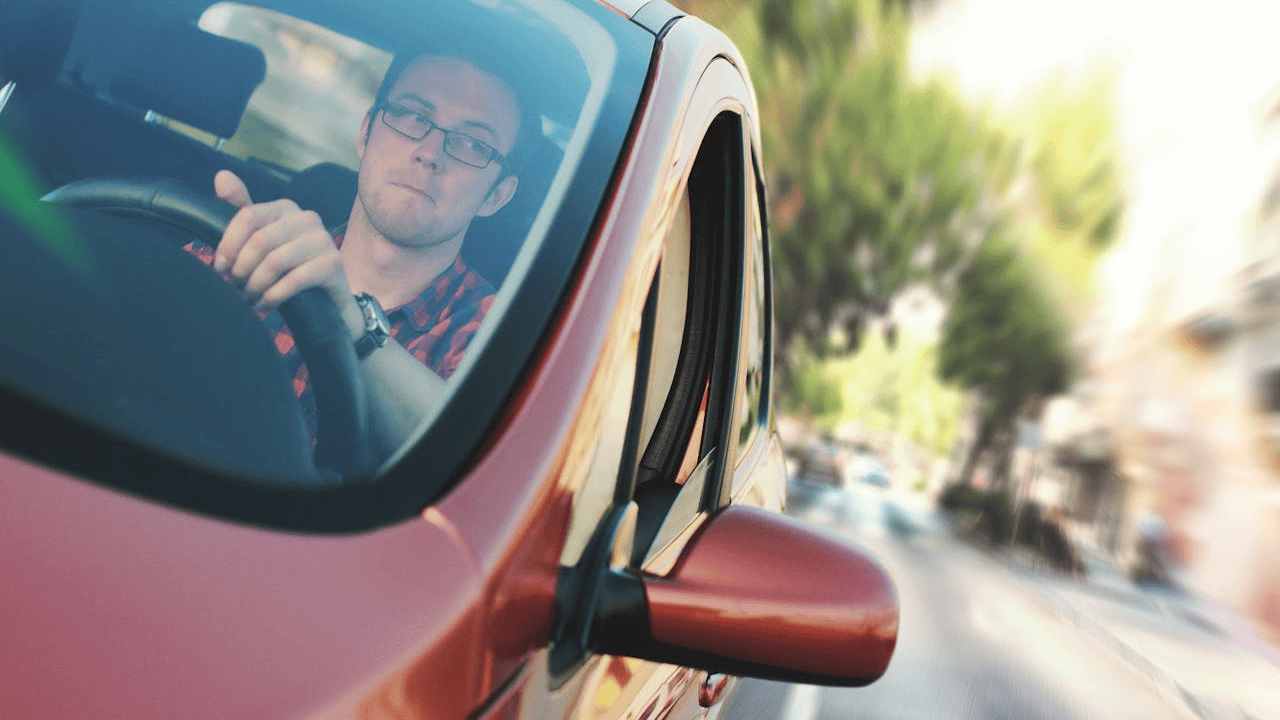
Aggressive driving-speeding, quick acceleration, and hard braking-can lower your fuel efficiency by up to 30% on the highway. It also wears out your brakes and tires faster, which means more trips to the shop. Smoother driving isn't just safer-it's cheaper in the long run.
You're Paying for Costly Parking
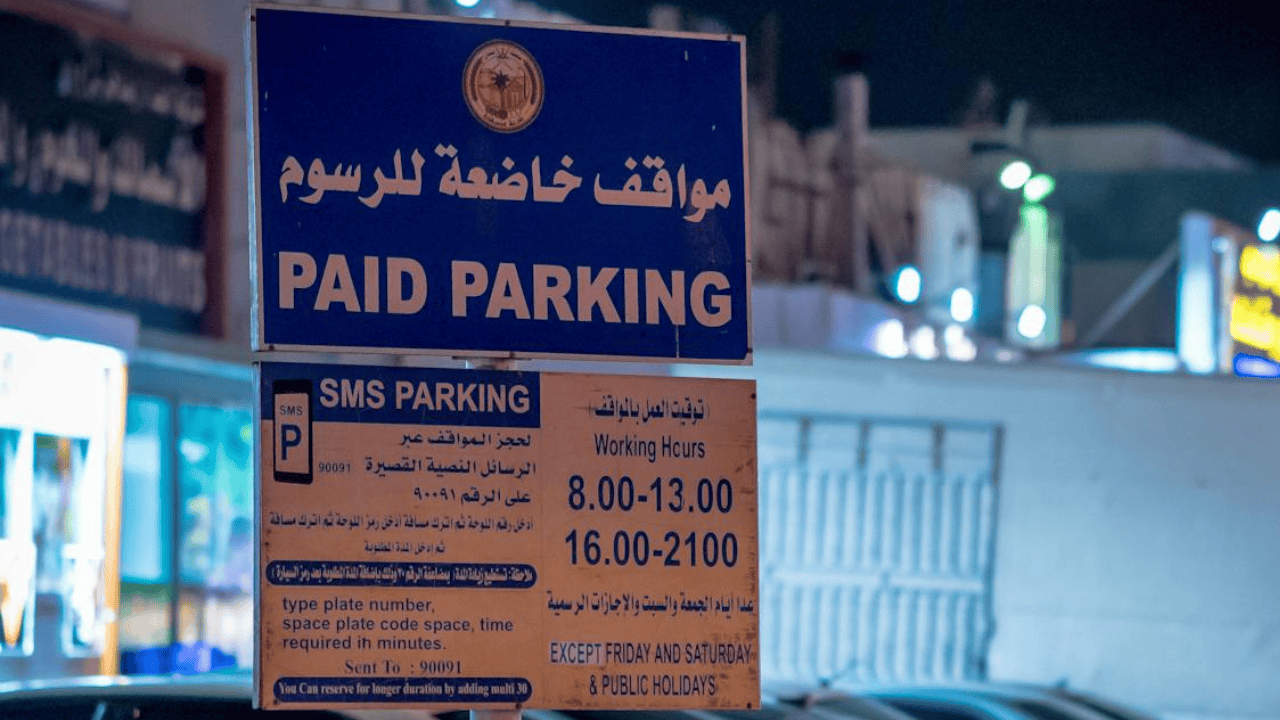
Paid parking can sneak up on you. Whether it's a monthly garage pass or daily lot fees, those small amounts add up to hundreds or even thousands a year. Looking for park-and-ride options, sharing a spot, or negotiating with your employer for a parking benefit can make a noticeable dent in your costs.
You Haven't Revisited Your Insurance Rate
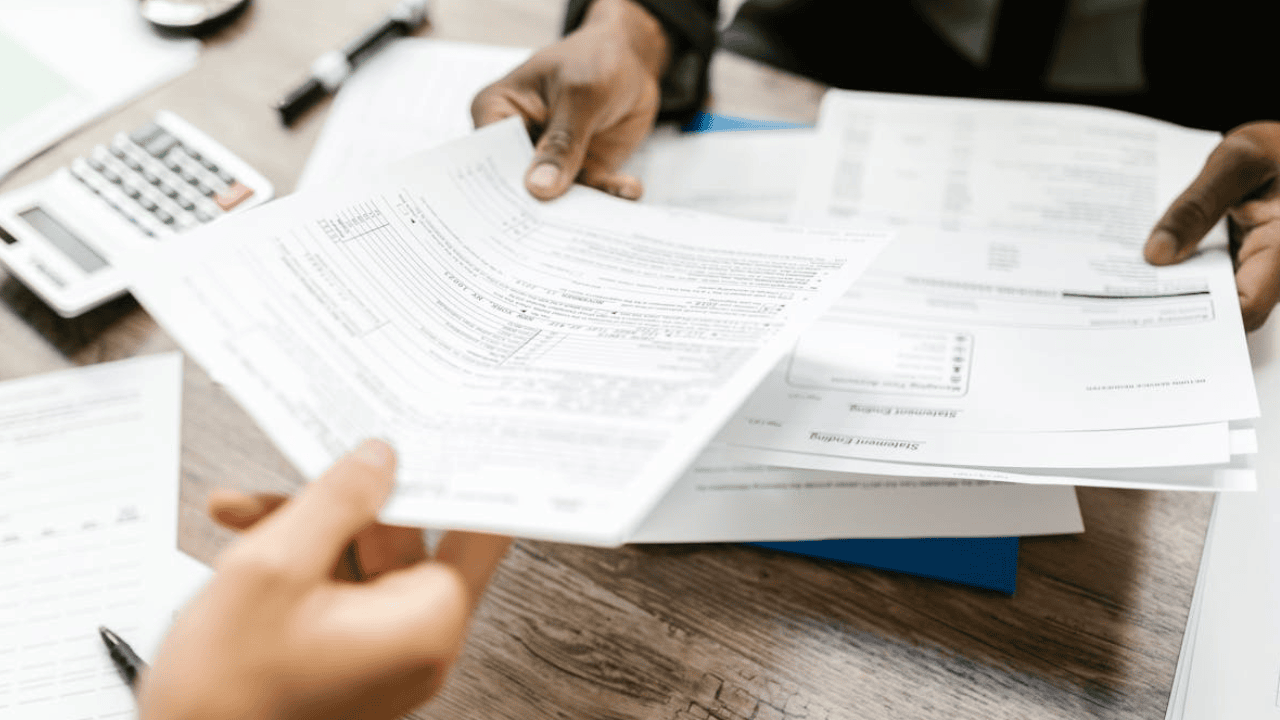
A long commute often means a higher insurance premium since more miles mean more risk. If you've recently changed jobs or started working from home a few days a week, you might qualify for a lower rate. Updating your annual mileage with your insurer can bring down your bill without cutting coverage.
You're Skipping Regular Maintenance
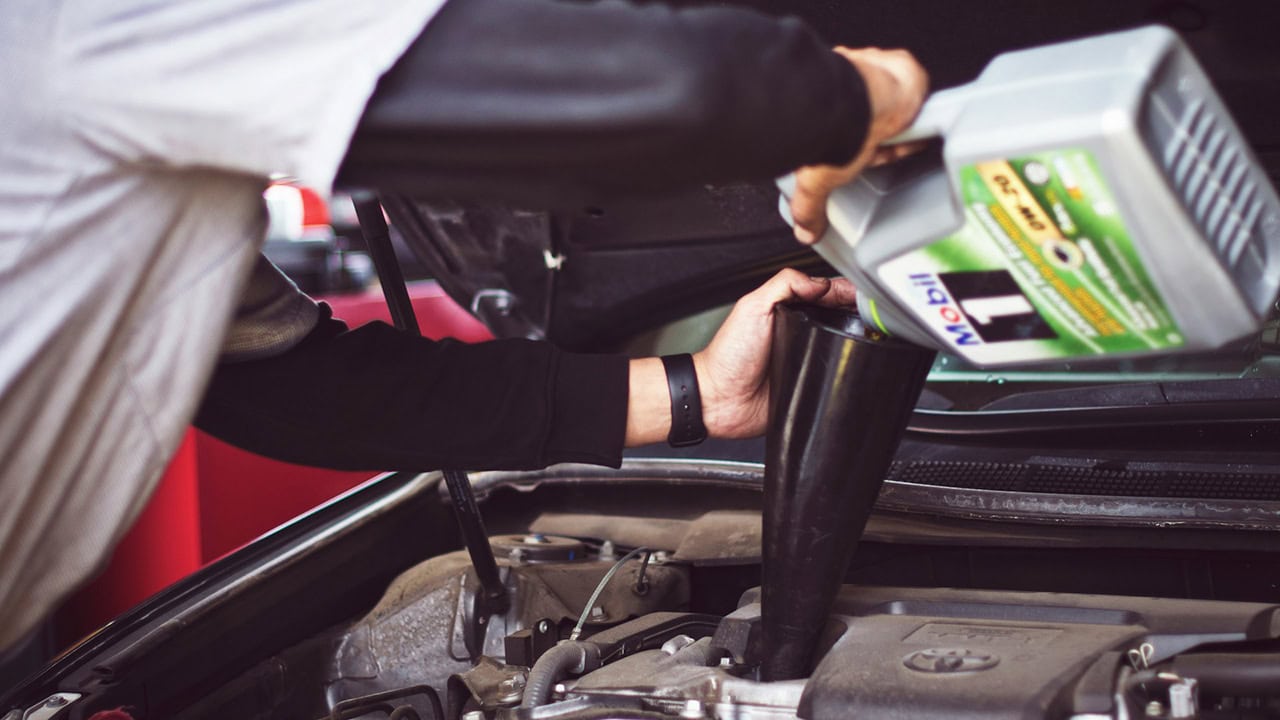
Delaying oil changes or ignoring dashboard lights can hurt your car's fuel efficiency and lead to bigger repair bills later. Engines and transmissions are built to last when maintained on schedule-but neglecting them during high-mileage commutes shortens their lifespan fast. Preventive care always costs less than repairs.
You Eat Out Too Often on the Road
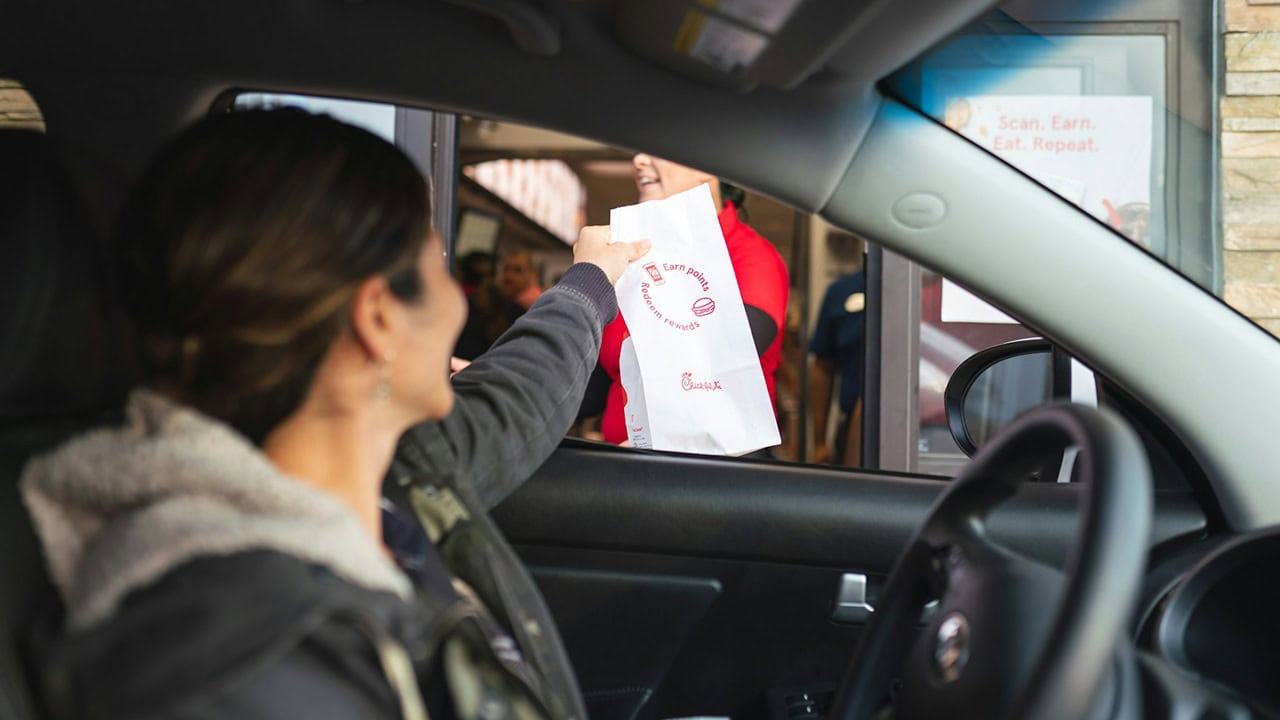
Grabbing coffee and breakfast on the go feels harmless, but it adds up fast. Spending $10 a day on food and drinks during your commute equals over $2,000 a year. Packing snacks, using a travel mug, or prepping breakfast at home can save you more than you'd expect.
You Haven't Considered Carpooling or Remote Options
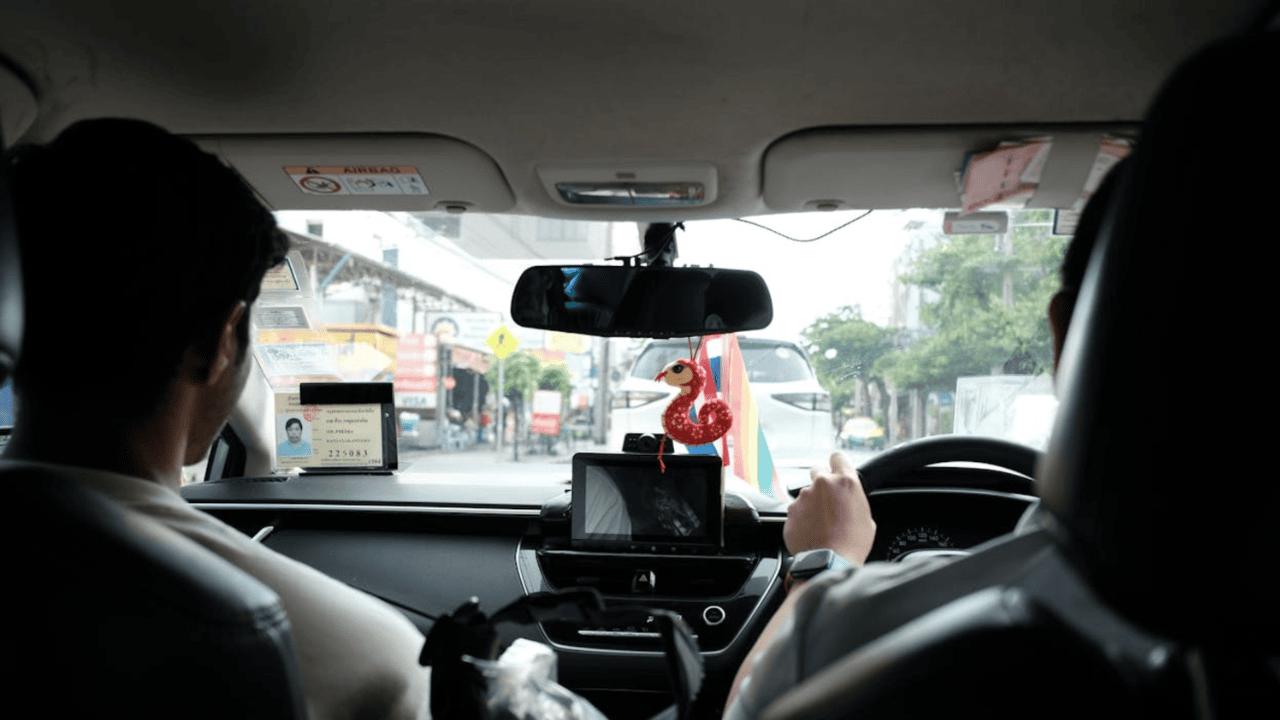
Driving solo every day is the most expensive way to commute. Gas, maintenance, and insurance are all cheaper when shared. If carpooling or remote work is an option, even cutting one or two commute days a week can save hundreds a year in gas and upkeep-and give you some time back, too.
*This article was developed with AI-powered tools and has been carefully reviewed by our editors.






Leave a Reply