
10 ways you can easily waste $100 without thinking
It's scary how easy it is to blow through $100 without even noticing. Small purchases add up, and before you know it, the money's gone with nothing meaningful to show for it.
Once I started paying closer attention to my habits, I realized how often I was letting that amount slip away. Cutting these areas back not only saved money but also made me more intentional about spending. Here are ten ways I used to waste $100 without thinking.
Takeout and delivery

Ordering takeout felt convenient, but the delivery fees and tips stacked up fast. A couple of meals easily ate through $100 in a week.
Once I started cooking at home more often, I realized how much better my money stretched. The food budget stayed under control, and we had fewer last-minute splurges.
Impulse buys at Target or Walmart

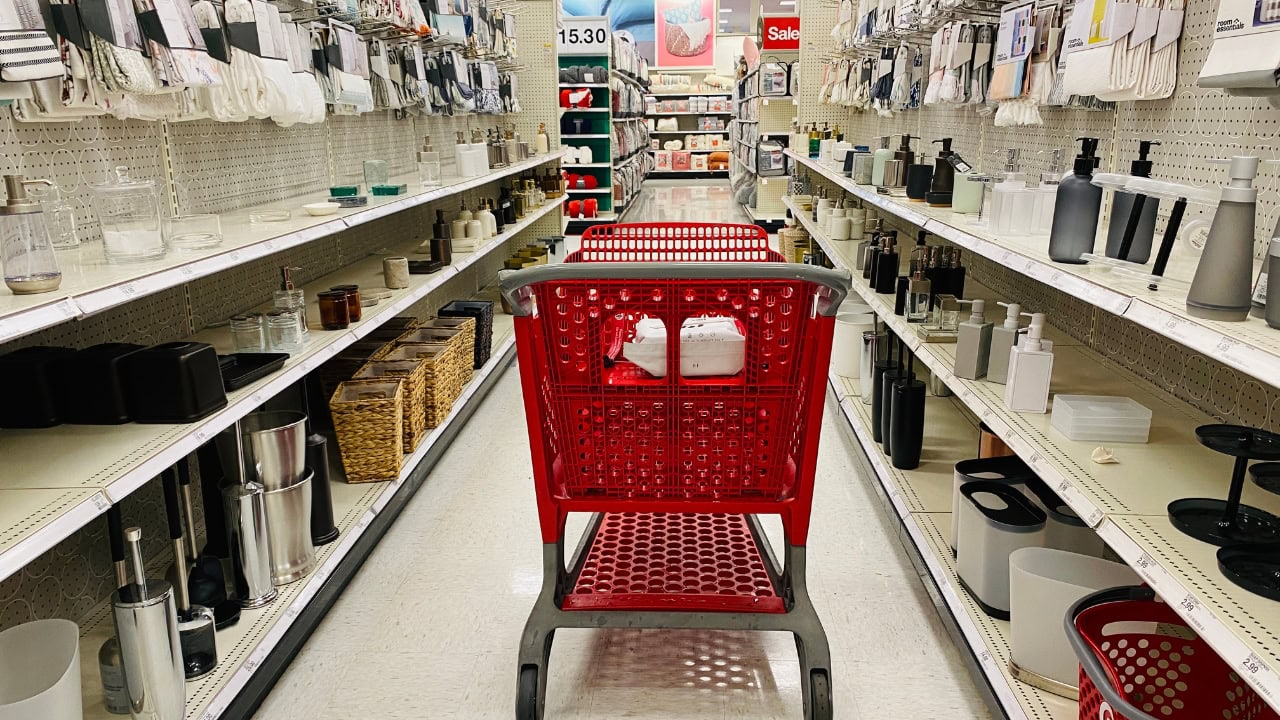
Walking into big-box stores without a list almost guaranteed I'd overspend. Home décor, snacks, or clearance "deals" quickly added up.
By sticking to a list and avoiding random browsing, I cut down those unnecessary purchases. What felt like small extras before was really draining my budget.
Coffee shop runs

Daily coffee runs seem harmless, but $5 here and there adds up quickly. In less than a month, I'd easily pass $100.
Making coffee at home gave me the same pick-me-up without the ongoing cost. It turned out to be one of the easiest habits to change.
Fast fashion purchases
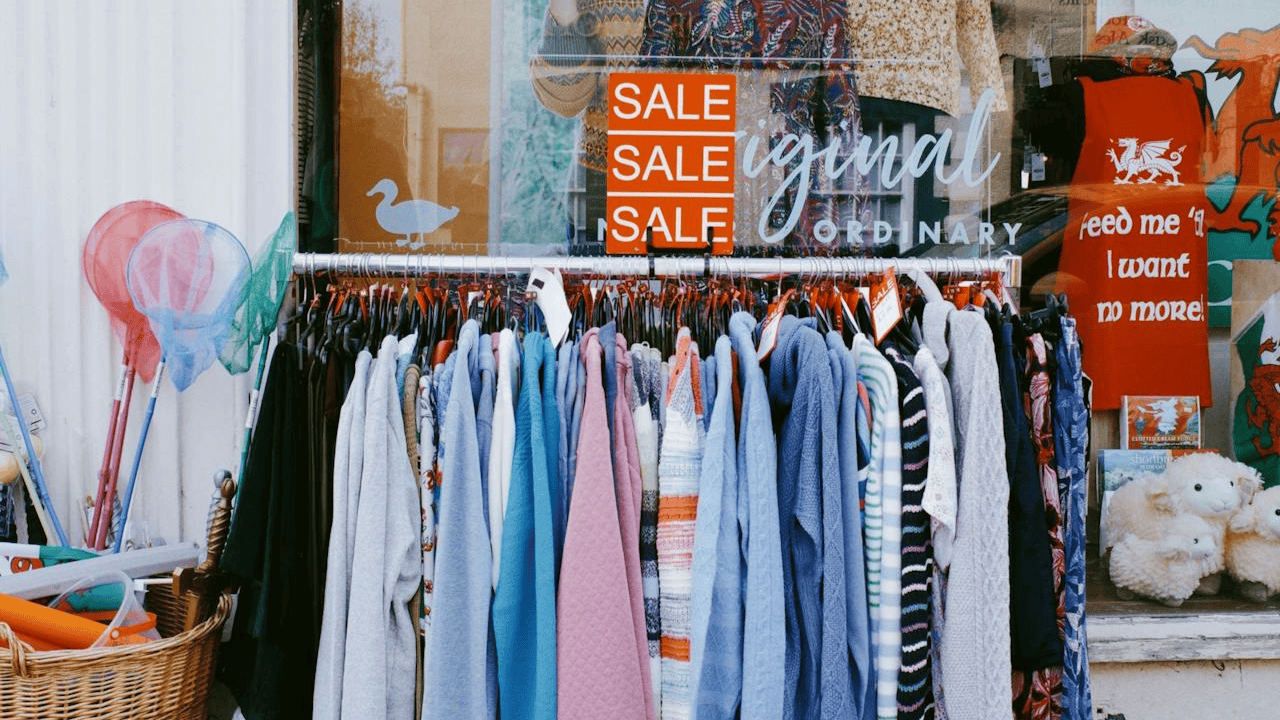
Buying cheap clothing on sale used to feel like a win. But after a few wears, most of it sat unused or wore out quickly.
Instead of buying several "deals," I started focusing on fewer quality pieces. It saved me money long-term and kept my closet from overflowing.
Kids' toys and extras

It's easy to give in when kids ask for toys or when you see new ones on sale. A couple of small purchases quickly added up to $100.
Cutting back made me realize most of those toys didn't get used much anyway. Now I focus on fewer, better-quality items instead of constant little buys.
Subscription overload

Streaming services, apps, and memberships were easy to sign up for but hard to notice month to month. Together, they ate through $100 or more without me realizing.
Canceling the ones we didn't use freed up money instantly. Keeping only what we valued most made our budget feel lighter.
Eating out for lunch

Buying lunch at work or while running errands added up more than I thought. Even at $10 a meal, it didn't take long to hit $100.
Packing food from home turned into one of the simplest ways to save. It kept me from overspending and made the budget stretch further.
Household "stock-ups" that weren't needed
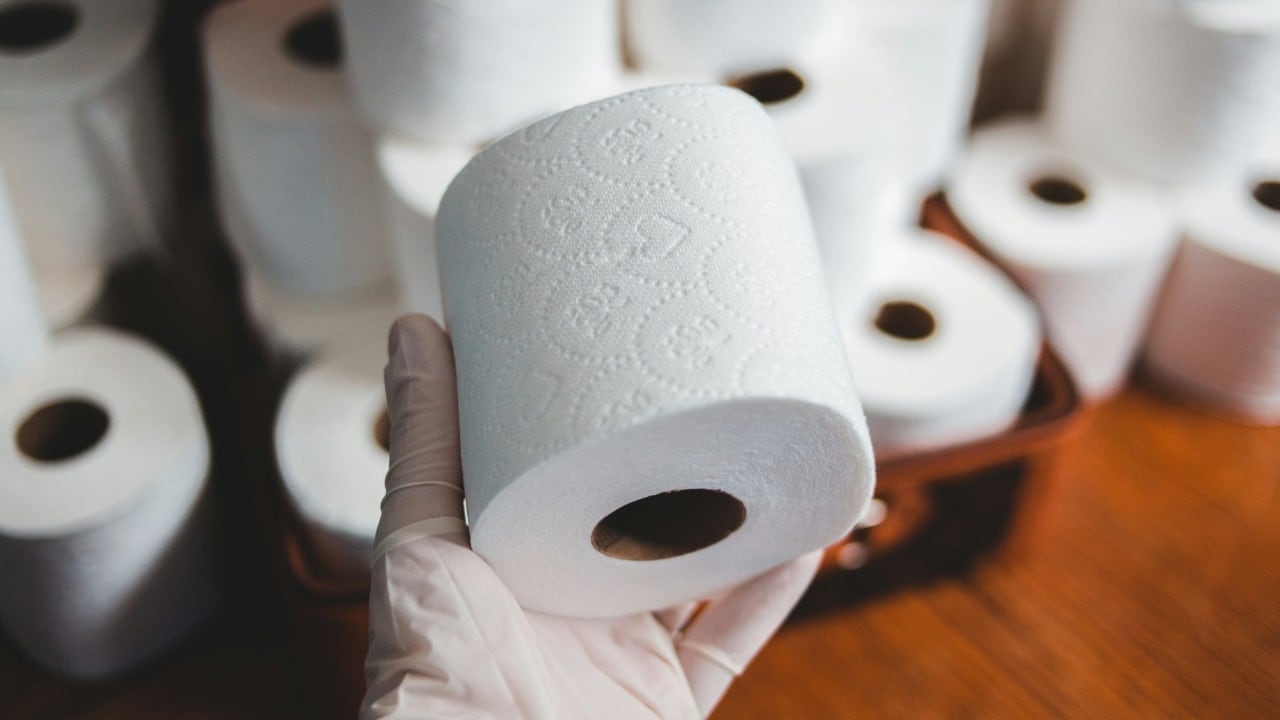
I used to buy bulk items or backups because they were on sale, even if we didn't need them right away. That tied up money I could've used elsewhere.
Now I only stock up on essentials we run through quickly. It keeps spending more balanced and prevents clutter from piling up.
Entertainment splurges

Spontaneous trips to the movies, outings, or small shopping sprees added up fast. It didn't feel like much at the time, but the total was surprising.
Planning ahead for entertainment helped us enjoy activities without overspending. We still have fun, but with a set budget that doesn't get out of hand.
Extra trips to the store
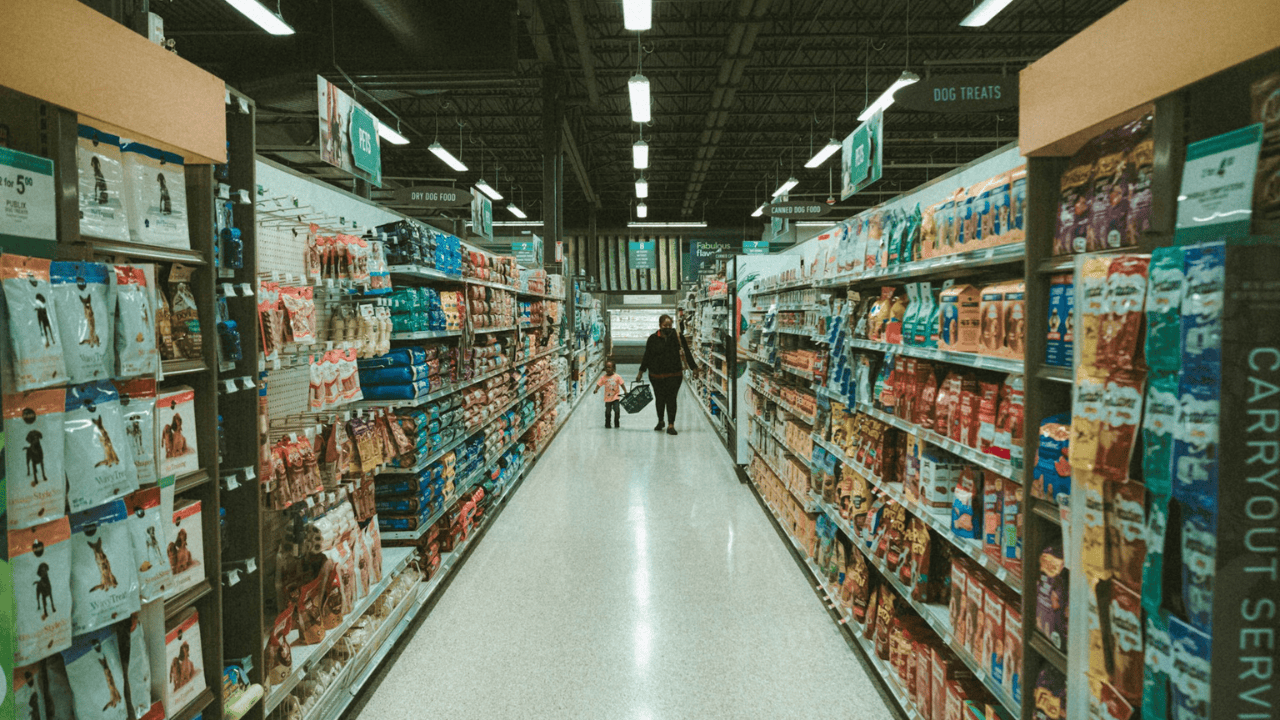
Quick runs for "one thing" almost always turned into $20-30 in extras. A few trips like that in a week and there went $100.
Being intentional with store visits made a big difference. Consolidating trips and sticking to a list stopped those budget leaks.
*This article was developed with AI-powered tools and has been carefully reviewed by our editors.






Leave a Reply