
Saving money doesn't have to mean cutting out everything that makes life comfortable. The truth is, most monthly bills have built-in waste-things you're paying for but don't actually use or need. With a few practical tweaks, you can cut hundreds of dollars off your expenses without sacrificing the conveniences you enjoy.
These changes aren't extreme or time-consuming; they're just smarter ways to manage what's already leaving your account. Here's how to lower your monthly bills without feeling deprived.
Audit your subscriptions
Most people have at least one subscription they forgot about or rarely use. Streaming services, apps, and memberships can quietly drain your account month after month. Go through your bank statement and cancel anything that isn't essential.
You can always re-subscribe later if you miss it. Even cutting two or three unused services can free up $30-$50 a month with zero lifestyle change.
Switch to usage-based insurance
Car insurance companies now offer programs that base your rate on how much and how safely you drive. If you don't put many miles on your vehicle each month, switching can save you a surprising amount.
Drivers who work from home or stay local often pay less than those on standard plans. It takes a quick setup, but once it's tracking, you'll see real savings without changing how you drive.
Adjust your thermostat smartly
Small thermostat adjustments can make a big difference in your energy bill. Lowering it a few degrees in winter or raising it slightly in summer can cut costs without sacrificing comfort.
Smart thermostats make it easy-they learn your habits and optimize heating and cooling automatically. Even a manual schedule that reduces usage when you're asleep or away can save you $20-$50 per month.
Reevaluate your phone plan
Many people overpay for data they never use. Check your carrier's usage reports-you might be able to switch to a lower-tier plan without noticing a difference.
Prepaid and family plans are also worth considering, as they often provide the same coverage for less. Call your provider and ask about loyalty discounts; they don't advertise them, but they exist.
Unplug energy vampires
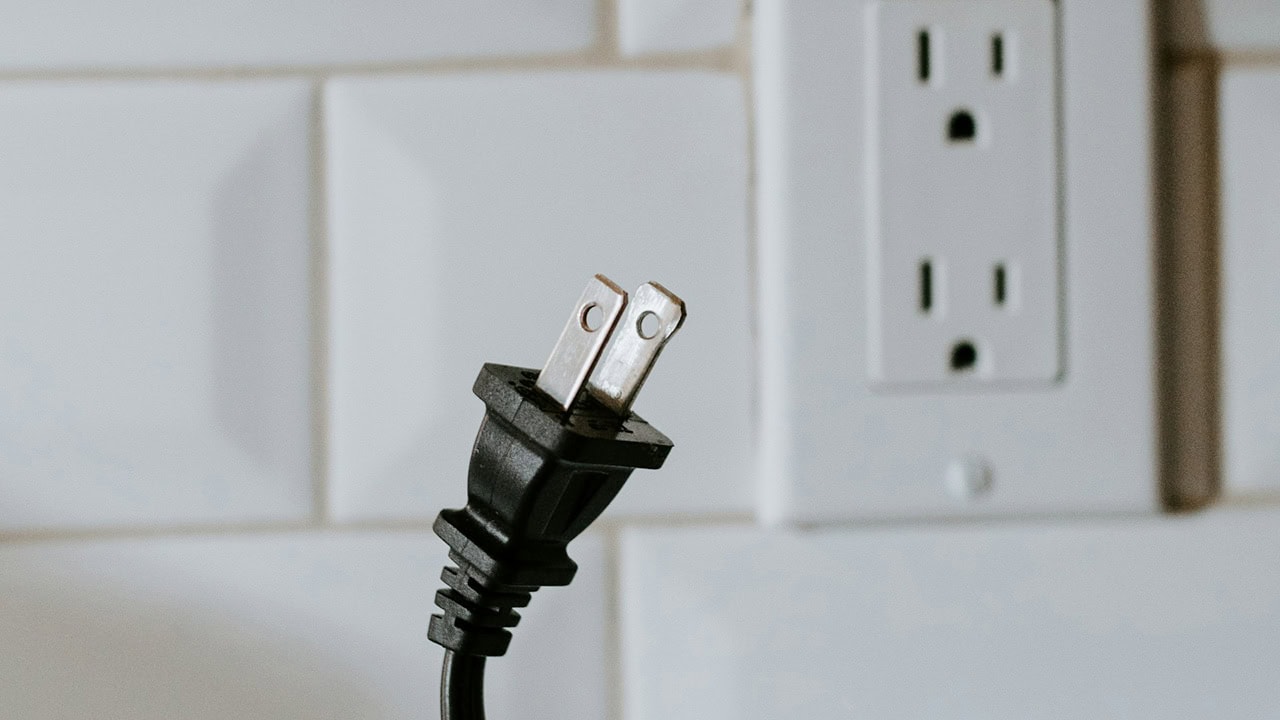
Electronics like TVs, chargers, and game consoles continue to pull power even when they're off. Unplugging them or using smart power strips can cut your electric bill noticeably.
It's especially effective in rooms with multiple devices, like home offices or entertainment setups. It's a small habit that pays off every single month.
Buy generic where it counts
Store-brand groceries, cleaning supplies, and medications often match name-brand quality for a fraction of the price. The key is knowing which items actually matter.
Stick with trusted brands for specialty products, but try switching everyday basics to generic. You'll likely notice no difference in performance-except on your receipt.
Re-shop your internet or cable plan
Internet and cable providers often give their best deals to new customers-but they'll extend them to existing ones if you ask. Call once a year to renegotiate or threaten to switch.
You can also downsize your plan if you're paying for faster speeds than you actually use. Most households don't need top-tier packages, and downgrading can save $30 or more each month.
Cut water waste
Even small leaks or outdated fixtures can add up on your water bill. Replacing old showerheads, fixing drips, and switching to low-flow faucets makes an immediate difference.
Running full loads in your dishwasher and laundry instead of half loads helps too. These changes won't impact comfort-but they'll trim your utility bill noticeably.
Cook more, order less

Food delivery and takeout fees add up fast. Cooking at home, even a few more times a week, can save hundreds per month. Stock your pantry with easy go-to meals to make it more manageable.
You don't need to stop eating out entirely-just treat it as an occasional thing instead of an automatic habit. You'll spend less and probably eat better, too.
Pay bills automatically to avoid fees
Late fees sneak up easily, especially when you're juggling multiple bills. Setting up auto-pay ensures you never miss a due date, saving you from unnecessary charges.
It also helps build consistency, making budgeting simpler each month.
Just make sure you have reminders set to check the withdrawals so you stay in control of your cash flow.
*This article was developed with AI-powered tools and has been carefully reviewed by our editors.






Leave a Reply