
10 ways I got my utility bill under $100
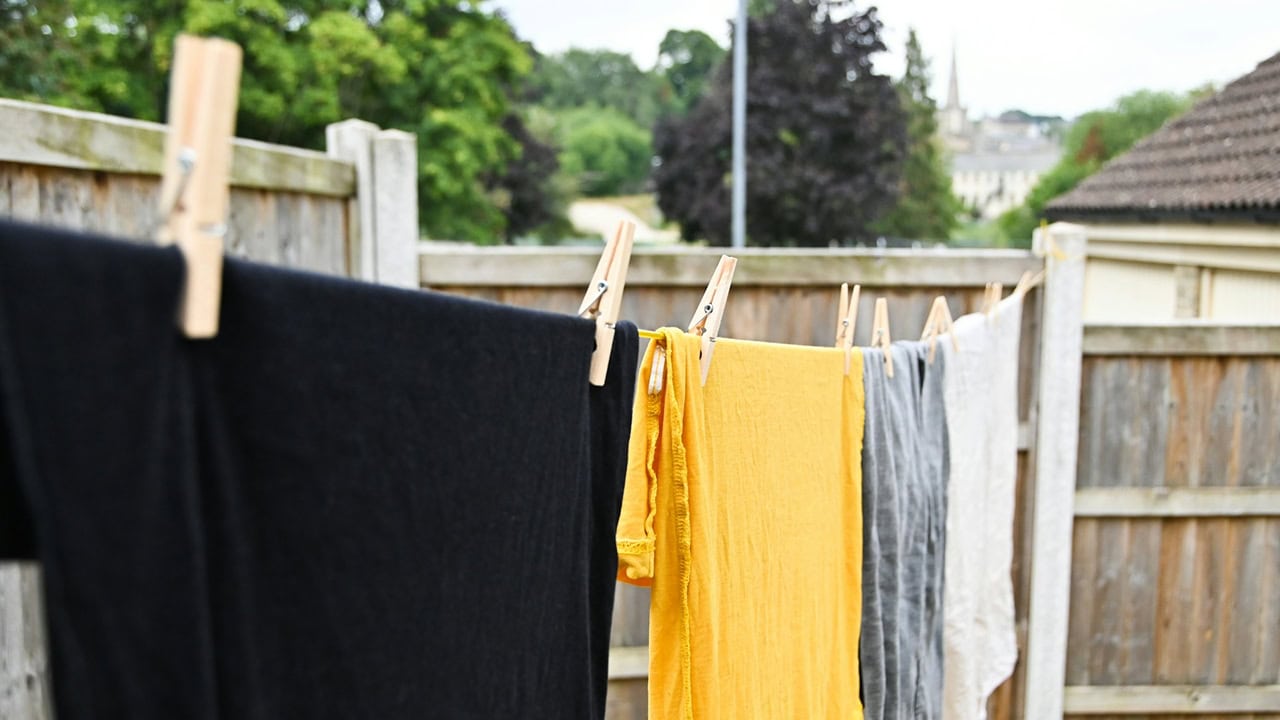
Utility bills can creep up without you noticing until one month's total shocks you. The truth is, a lot of that cost comes down to daily habits and small inefficiencies that pile on month after month.
You don't need to suffer through being uncomfortable to bring it down-you just need to be intentional with how you use energy and water. With a few smart changes, it's possible to keep your bill under $100 without feeling like you're living in survival mode.
Switched to LED Bulbs
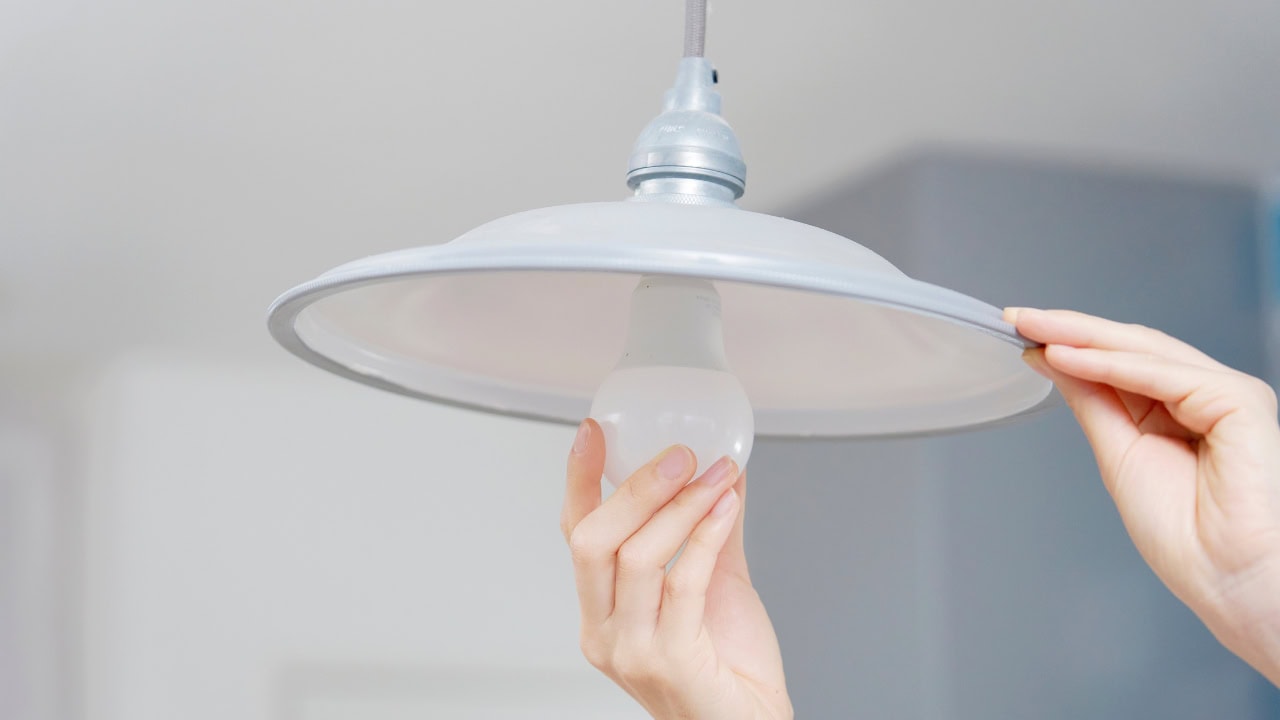
Lighting might seem minor, but traditional bulbs use far more electricity than LEDs. By swapping out every bulb in the house, you cut the power draw each time you flip a switch.
LEDs also last for years, so you're saving both on your bill and replacement costs. Over time, that swap alone pays off and keeps your usage low month after month.
Used a Programmable Thermostat
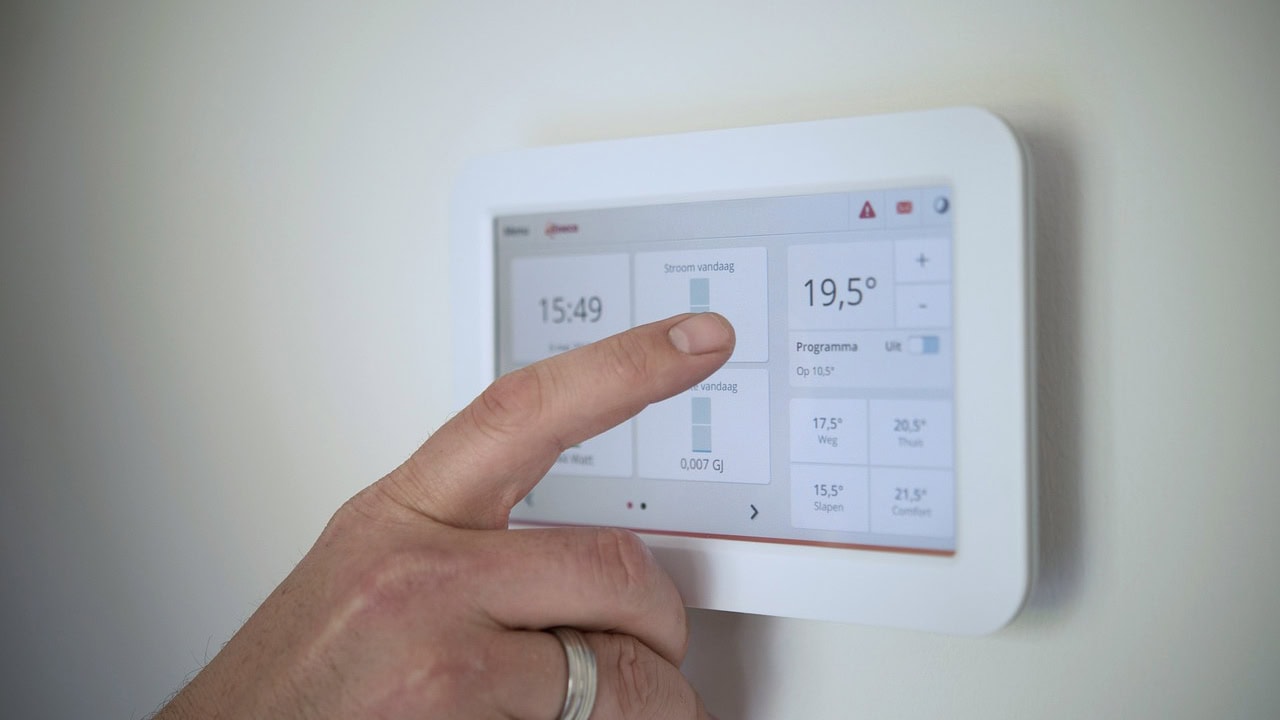
Heating and cooling are the biggest parts of your bill, and running them nonstop adds up fast. A programmable thermostat lets you scale back when you're asleep or away without sacrificing comfort.
Even lowering the heat or bumping up the AC a couple of degrees saves a noticeable amount. Automating it means you don't have to think about it every day-it works in the background.
Sealed Drafts Around the House
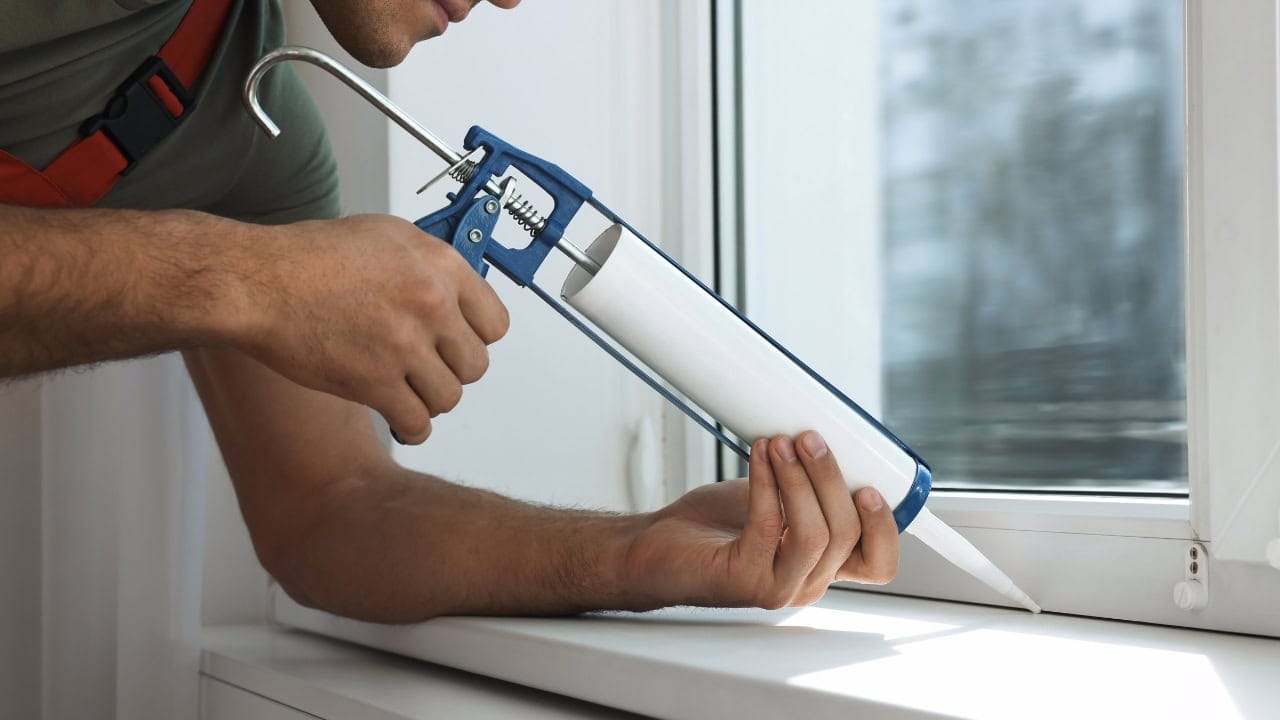
Leaky windows and doors let out more conditioned air than you realize. That means your system runs longer to maintain temperature, which translates directly into higher bills.
Sealing gaps with weatherstripping or caulk takes little effort but makes a big difference. It helps your home hold steady and cuts wasted energy.
Washed Clothes in Cold Water
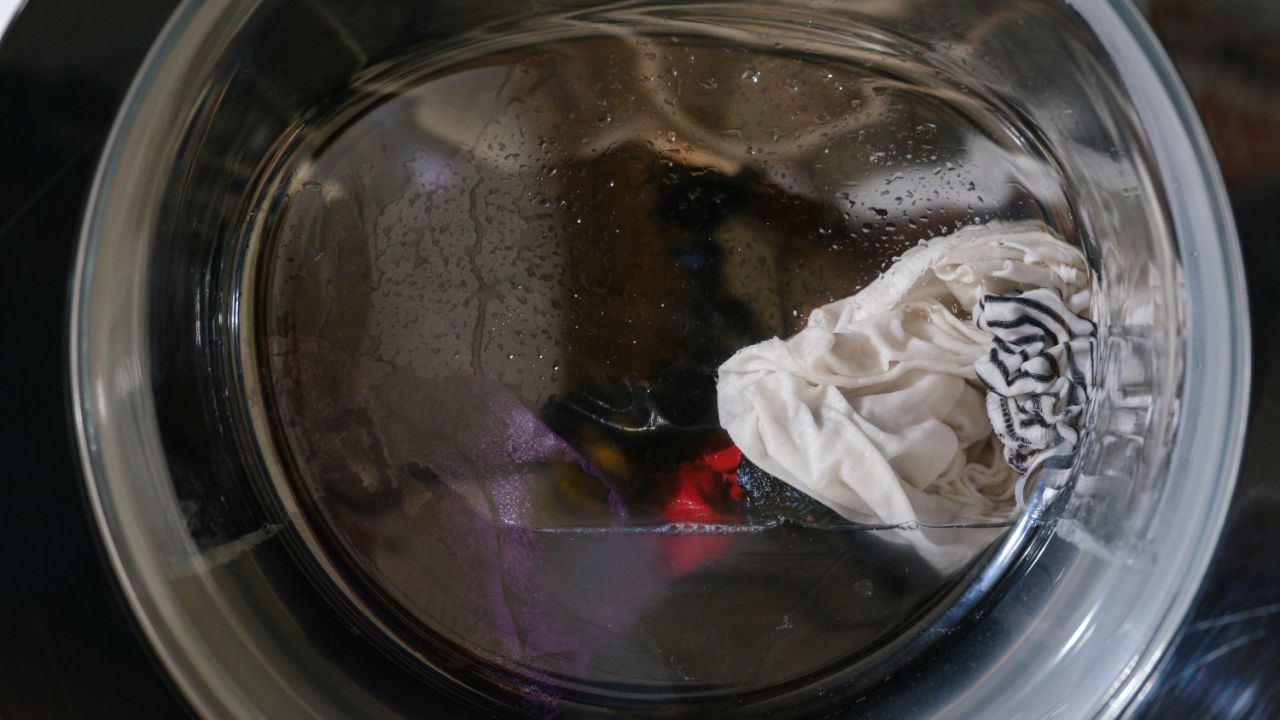
Most of the energy in a load of laundry goes into heating the water. Switching to cold water for regular loads cuts out that cost without sacrificing cleanliness.
Modern detergents are designed to work in cold water, so your clothes still come out fresh. Over time, this one habit makes a consistent dent in your bill.
Hung Clothes to Dry
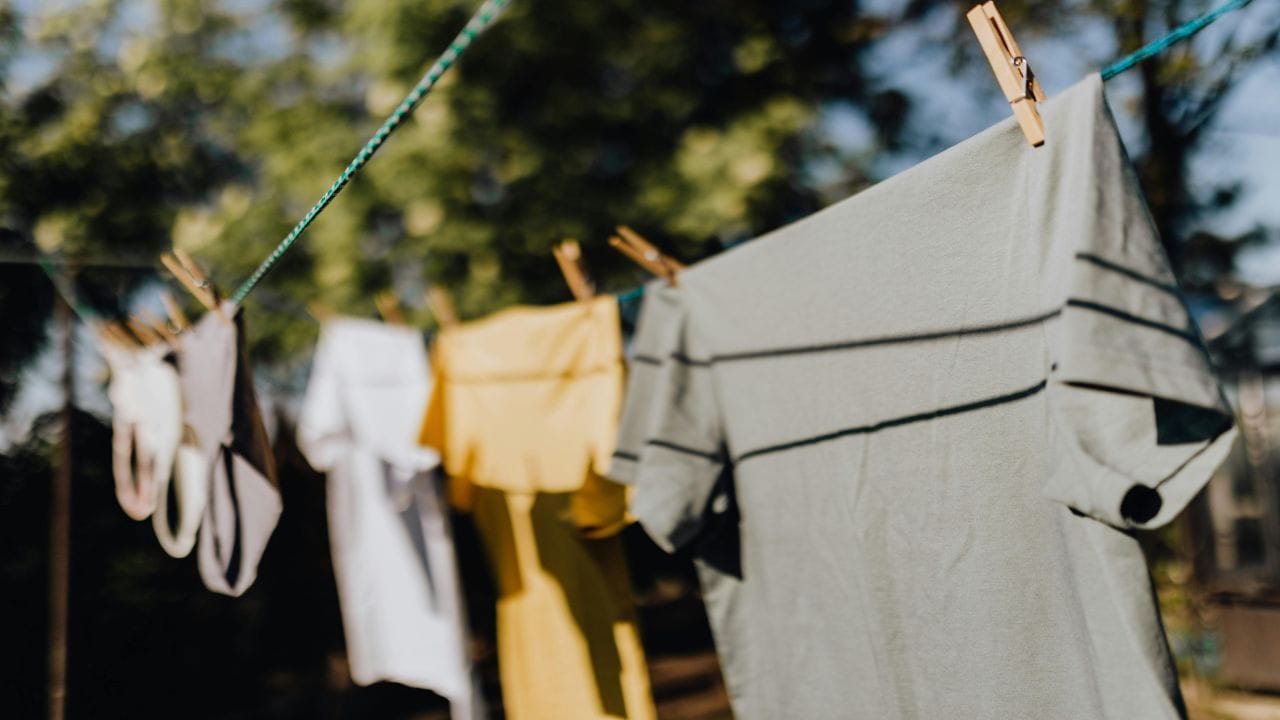
Dryers are energy hogs, and using them less has an immediate impact. Even air-drying part of your laundry load saves money and reduces wear on your clothes.
You don't need a fancy setup-a folding rack inside or a line outside works. Mixing in air drying a few times per week adds up fast.
Unplugged Energy Vampires
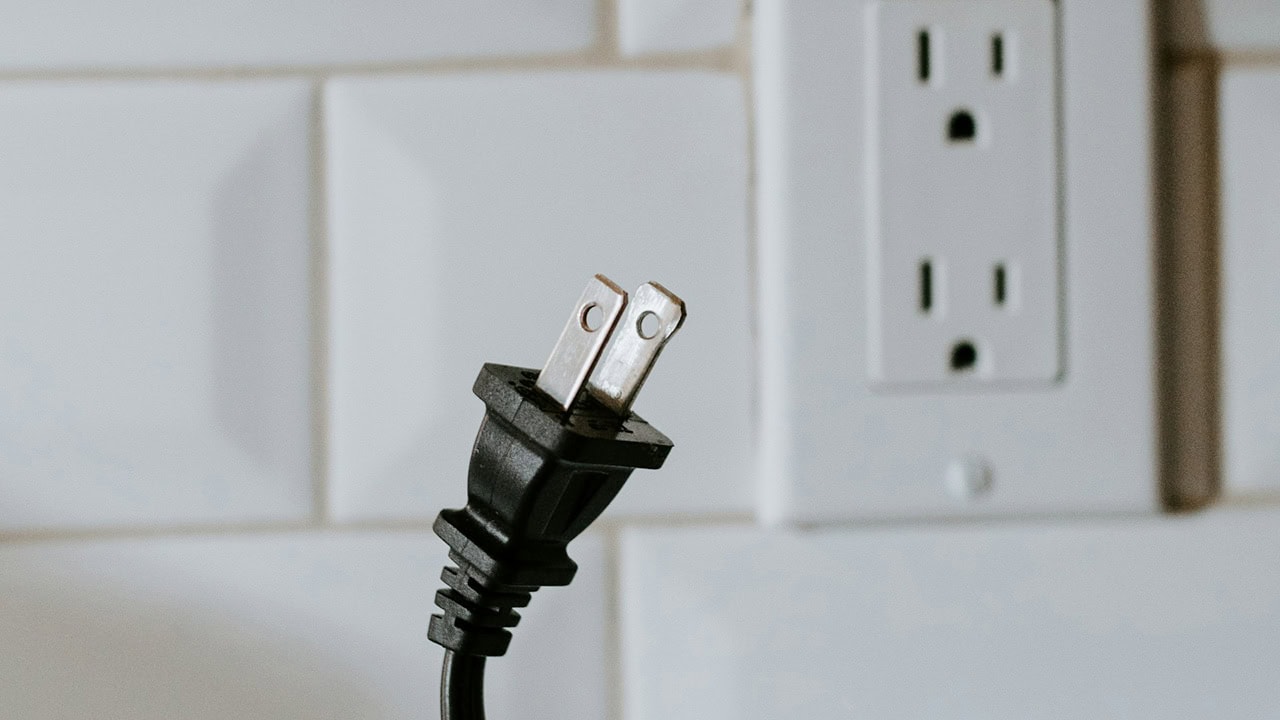
Electronics and chargers keep drawing power even when you're not using them. Over time, that "phantom load" adds real dollars to your bill.
Unplugging what you're not using or plugging multiple devices into a power strip makes it easy to shut them off. That way, you're not paying for electricity you didn't even use.
Limited Hot Water Use
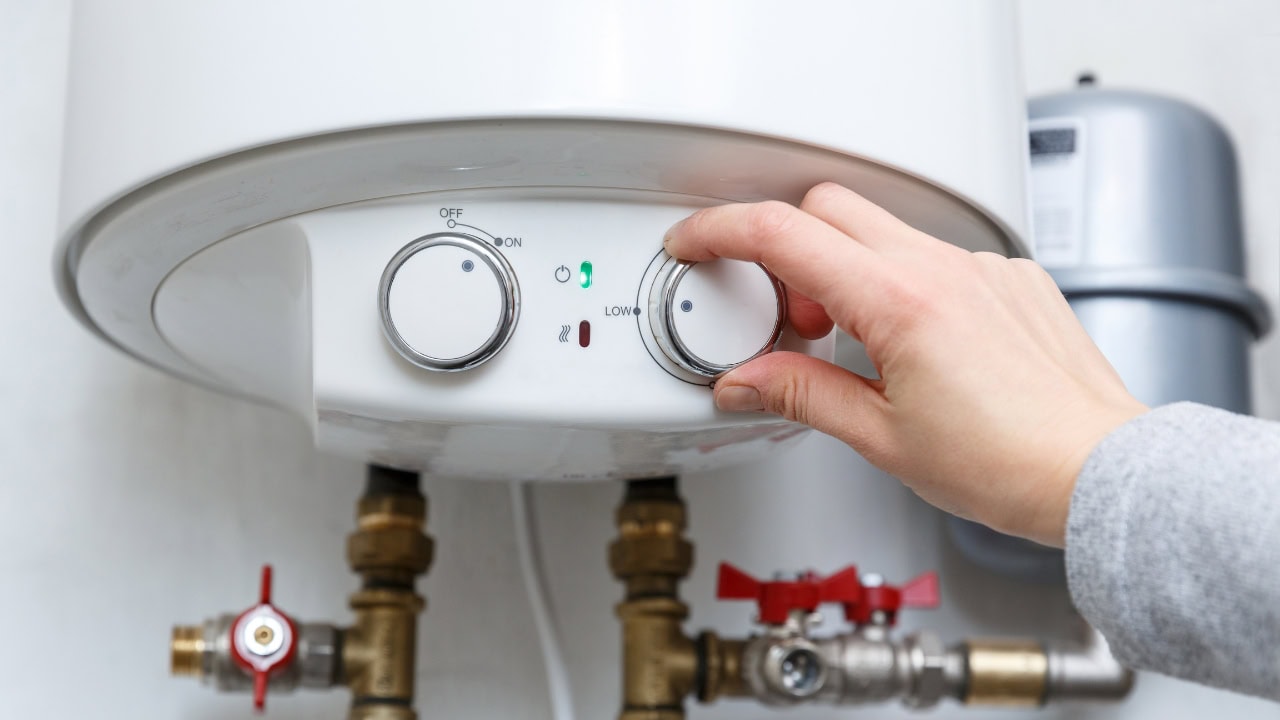
Heating water is one of the bigger hidden costs in utilities. Long showers or constantly running hot water makes your bill spike without you realizing why.
Cutting shower time, lowering the water heater temperature slightly, and using cold water for things like rinsing dishes helps reduce that burden.
Took Advantage of Off-Peak Hours
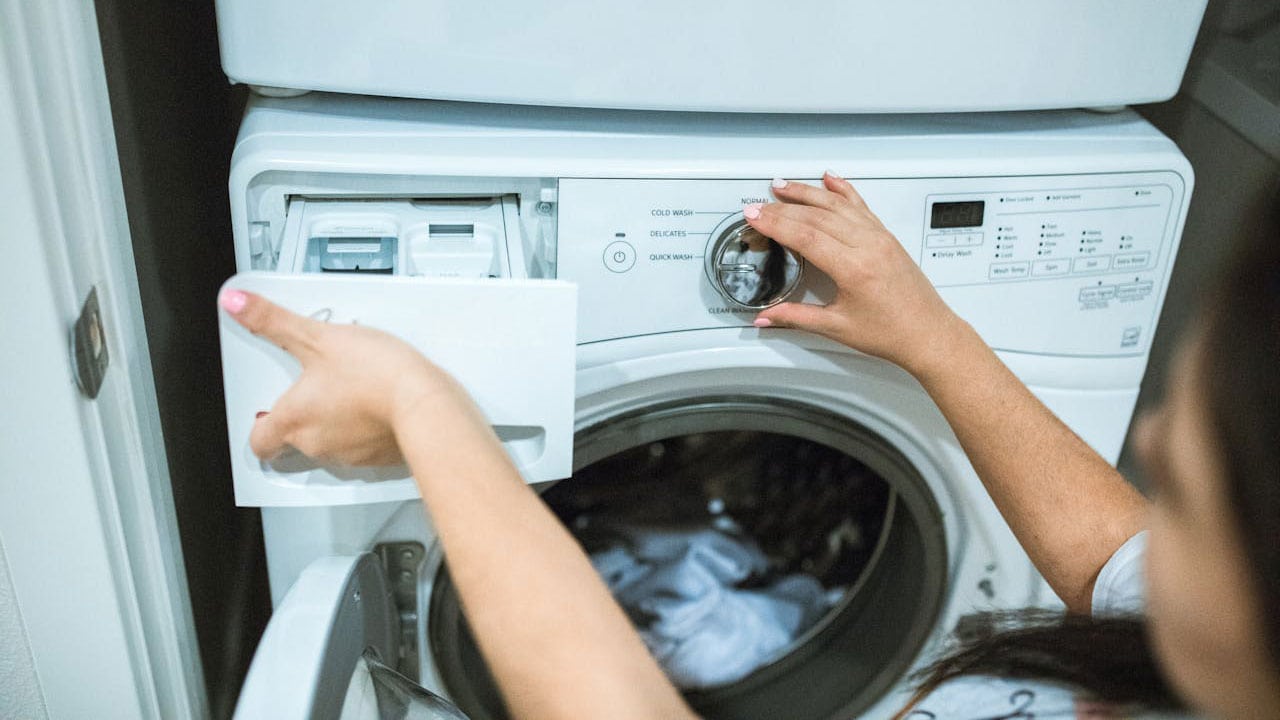
Some utility companies charge less for electricity during off-peak hours. Running big appliances like dishwashers or laundry machines during those times can shave money off your bill.
It takes a little planning, but once you make it part of your routine, it becomes second nature. The savings show up clearly in your monthly total.
Stayed on Top of Air Filters
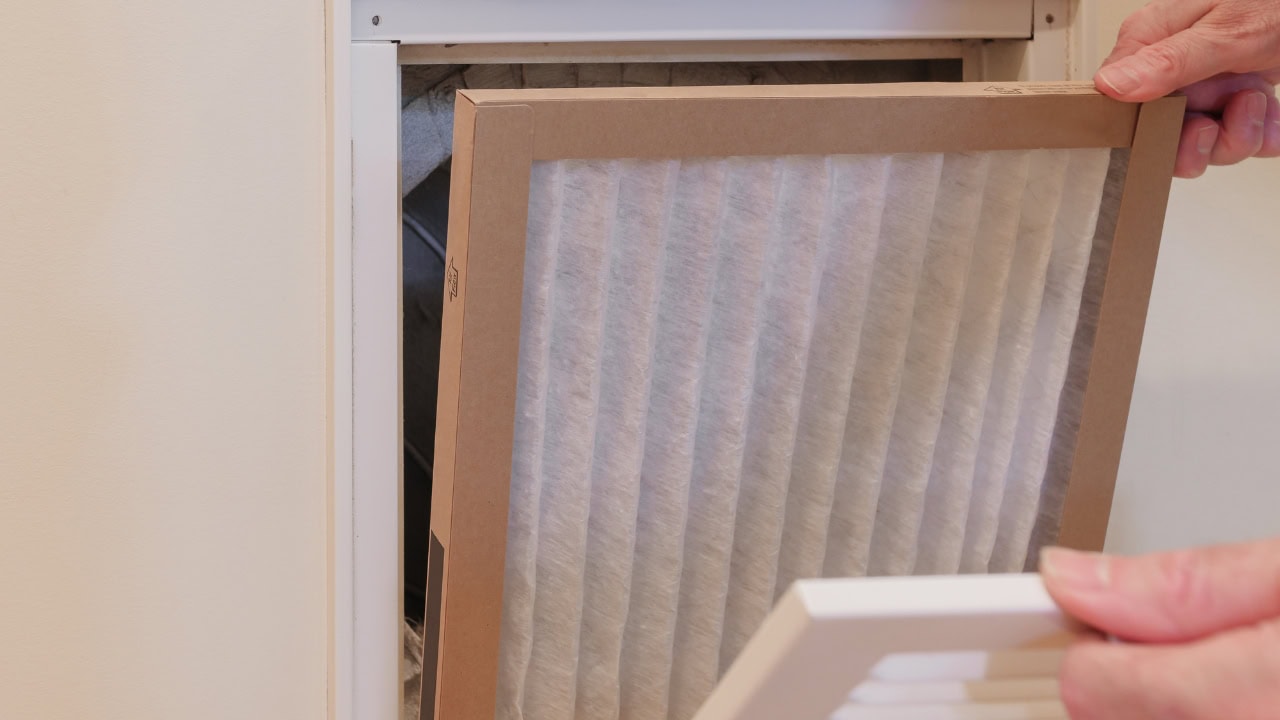
Dirty air filters force your HVAC system to work harder, burning more energy to get the same results. That translates directly into higher bills and more wear on your unit.
Changing filters regularly keeps air flowing smoothly and efficiency high. It's one of the cheapest, easiest habits that has a big payoff.
Watched for Water Waste

Running faucets while brushing teeth, letting dishes soak too long, or ignoring small leaks can all bump up your water bill unnecessarily. Over a month, it adds up to gallons wasted.
Being mindful of when water is actually needed makes a difference. Quick fixes like repairing drips or using aerators on faucets also help keep usage under control.
*This article was developed with AI-powered tools and has been carefully reviewed by our editors.






Leave a Reply