
A closet packed full of clothes doesn't always mean you have something to wear. The truth is, most people rotate the same few outfits and forget the rest. Building a wardrobe that actually works comes down to being intentional-choosing pieces that last, fit well, and mix easily.
When you shift your focus from buying more to buying smarter, you'll find that you need less than you think. These tricks can help you stretch every dollar and make your clothes work harder.
Stick to a color palette
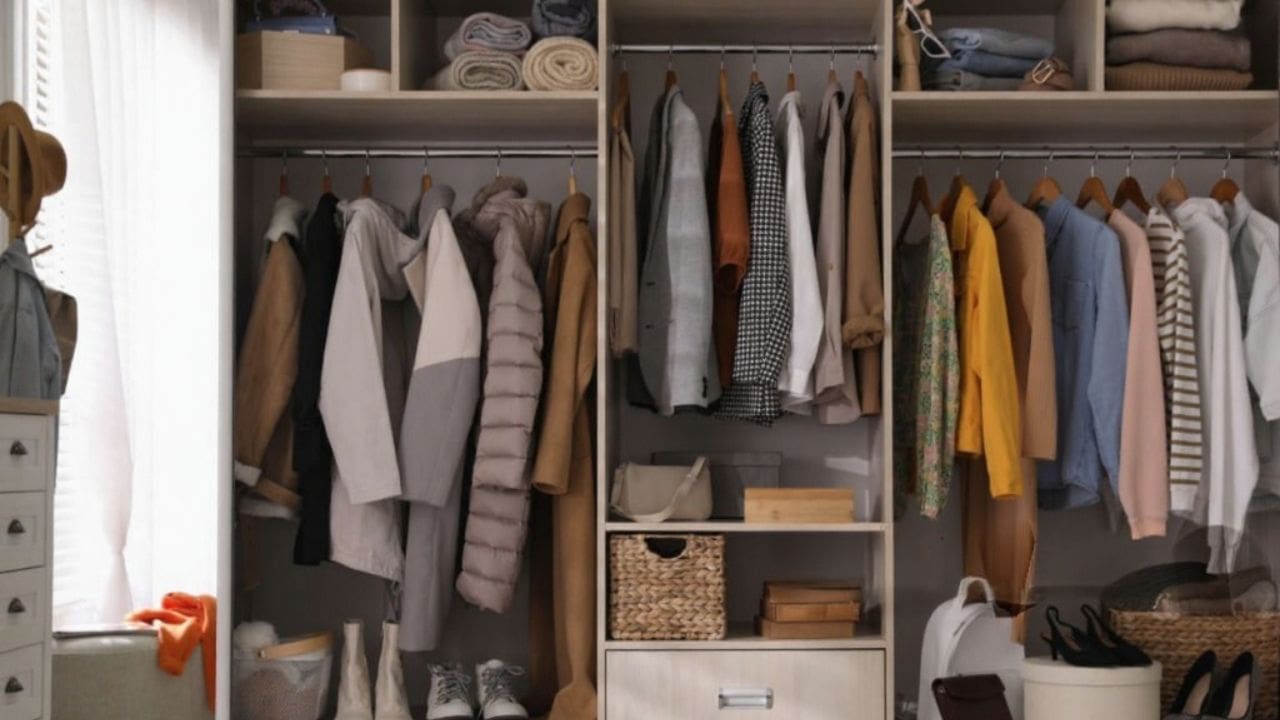
Having a color palette that suits you and mixes easily makes a huge difference. When your clothes share tones and undertones, everything pairs better and feels more pulled together. You'll avoid those "nothing goes with this" moments that send you shopping for filler pieces.
Pick a few base neutrals and two to three accent colors you naturally reach for. That small change helps your closet feel cohesive and makes getting dressed faster and easier every day.
Focus on fit over trend

Trendy clothes lose appeal fast, but well-fitting clothes always look polished. When something fits your shape comfortably, it looks more expensive and feels better to wear. That's what makes you reach for it again and again.
Instead of chasing seasonal styles, spend time finding your go-to cuts-your best jeans rise, shirt length, and jacket fit. Once you know what works, you'll skip the constant replacements and stick with what lasts.
Learn to layer intentionally

Layering makes a small wardrobe look bigger because the combinations are endless. A basic tee under a cardigan, a button-down over a dress-small swaps change the look entirely.
The trick is to choose lightweight base layers and mid-layers that mix easily. Stick to neutral tones for the base pieces and add color or texture with outer layers. That approach keeps your wardrobe flexible through every season.
Invest in versatile basics
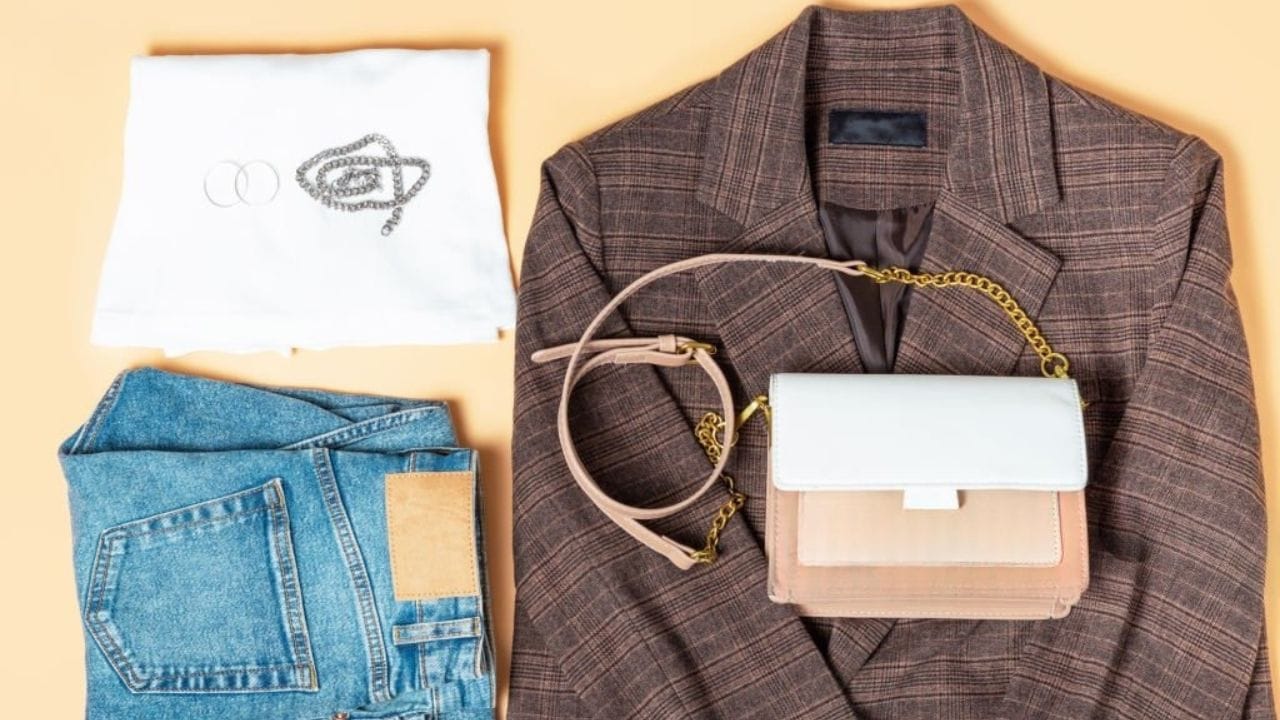
Good basics are the backbone of any wardrobe. A high-quality white tee, denim that holds shape, and a well-cut blazer will outlast ten trendy tops. They're the pieces you can dress up or down for years.
It's worth spending a bit more on these since you'll wear them most often. When your everyday staples hold up, you don't feel the need to constantly shop for replacements.
Rewear pieces in new ways
Before buying something new, challenge yourself to wear what you already have differently. Tuck it, tie it, layer it, or pair it with something unexpected. Sometimes all it takes is changing the shoes or accessories to make an outfit feel fresh.
Looking at your wardrobe this way helps you realize how many options are already there. You might find you have a dozen "new" looks hiding in your closet without spending a dime.
Keep your clothes in rotation
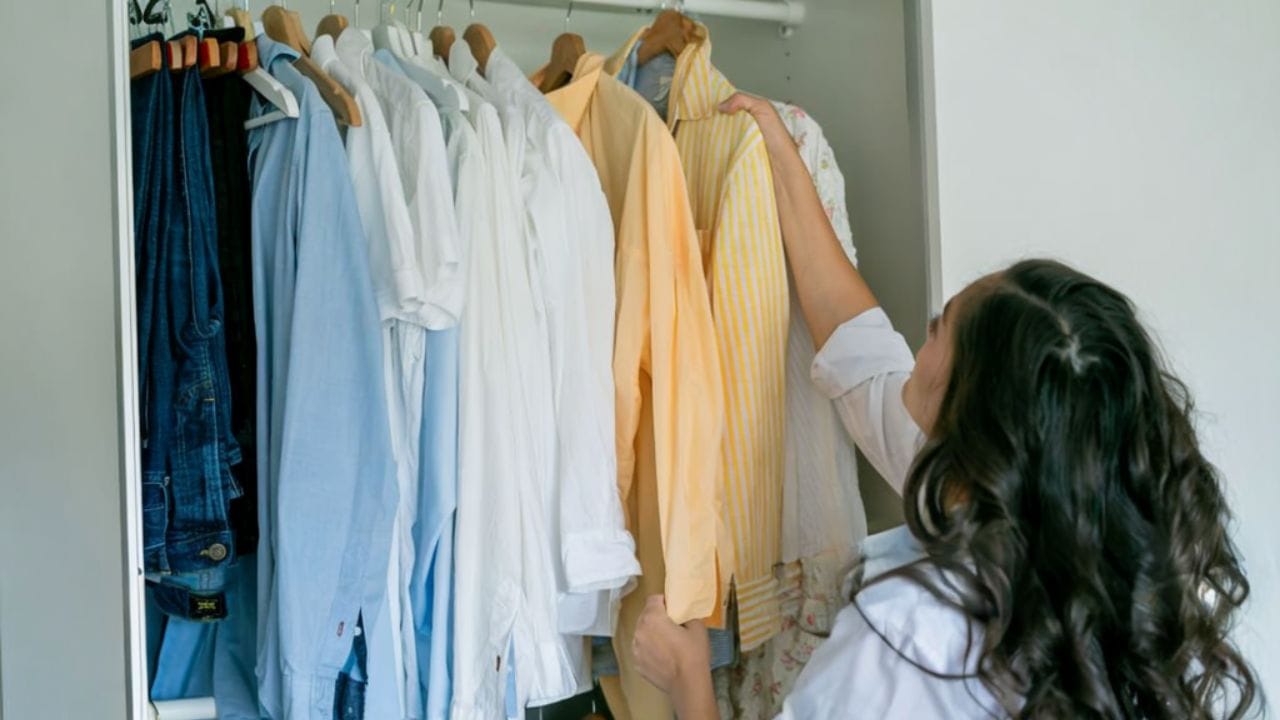
Most of us wear the same few items over and over because they're easy to grab. The rest sit untouched. Rotating what's at the front of your closet helps you actually use what you own.
Try flipping hangers backward and turning them once you've worn something. After a month, you'll see which items you actually reach for-and which ones aren't earning their spot.
Care for what you already have
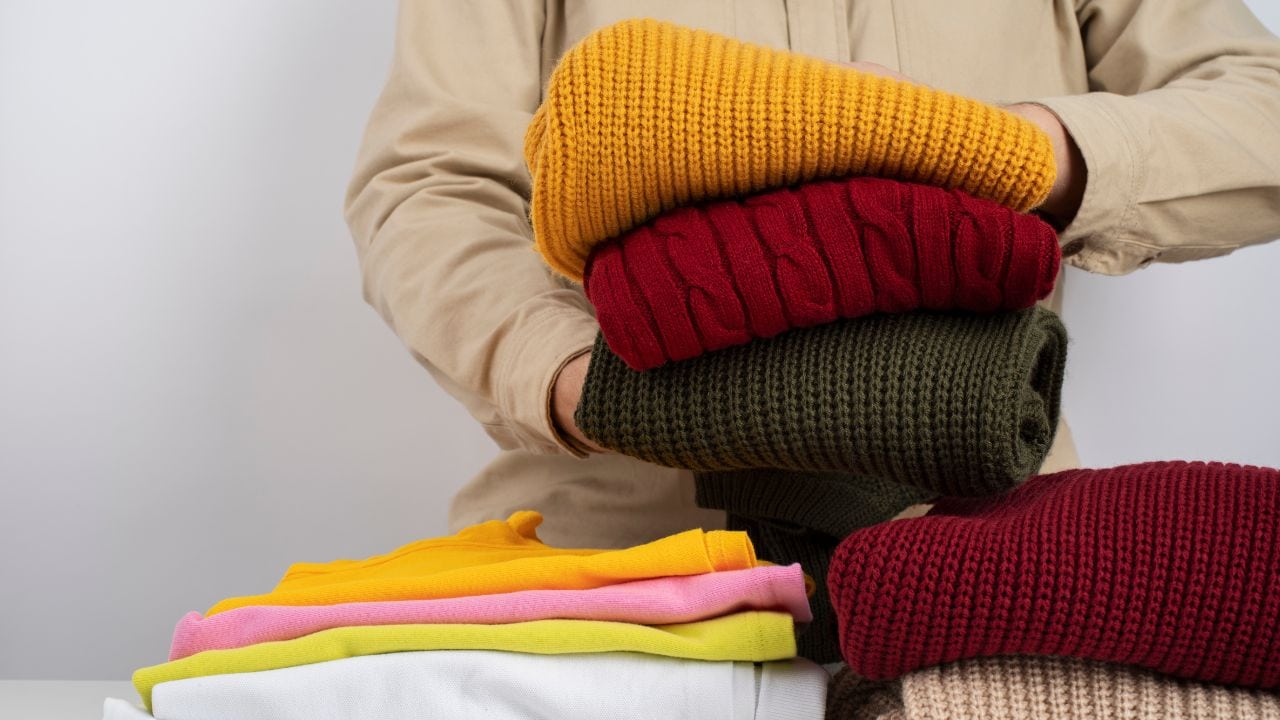
How you wash and store your clothes has a lot to do with how long they last. Overwashing fades colors and breaks down fibers, while skipping care labels leads to shrinkage or warping.
Wash less often, air dry delicate pieces, and store sweaters folded instead of hung. Treating clothes well means you'll replace them less often-and they'll look better every time you wear them.
Shop with outfits in mind
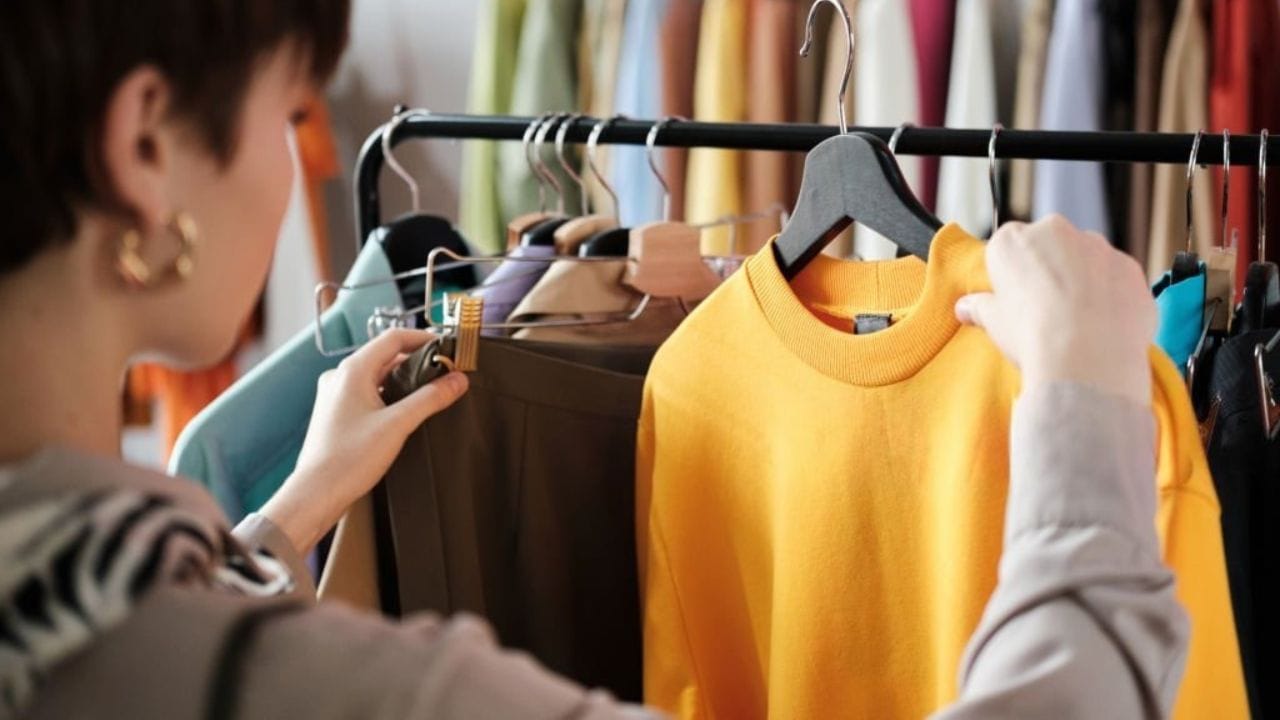
Impulse buying often leads to closet clutter. Before you buy something new, think of at least three outfits you can make with it. If you can't, it's not worth adding.
This one trick helps you avoid one-off items that don't match anything else. It also saves money since every new piece you bring in has a clear purpose.
Buy seasonal items on sale

If you plan ahead, you can save a lot by shopping off-season. Stores clear out coats, boots, and swimsuits at steep discounts when the weather changes.
Make a note of what you'll actually need next year, and grab it while prices are low. You'll start each season with what you need-without paying full price.
Edit your closet regularly

A cluttered closet makes it hard to see what you actually wear. Going through your clothes every few months keeps things manageable and helps you spot gaps before you shop.
Donate or sell what doesn't fit or hasn't been worn in a year. When you know exactly what's in your closet, you'll buy less and wear what you truly love more often.
*This article was developed with AI-powered tools and has been carefully reviewed by our editors.






Leave a Reply