
Cars are expensive enough without wasting money on features that sound nice on paper but add little to your actual driving experience. Dealerships and manufacturers love to bundle "premium" upgrades that don't hold their value, rarely improve performance, and sometimes even cost you more in upkeep.
The truth is, some of the flashiest add-ons end up being nothing more than marketing fluff. Here are the upgrades that most drivers regret-and why they don't live up to the price tag.
Built-In Navigation Systems
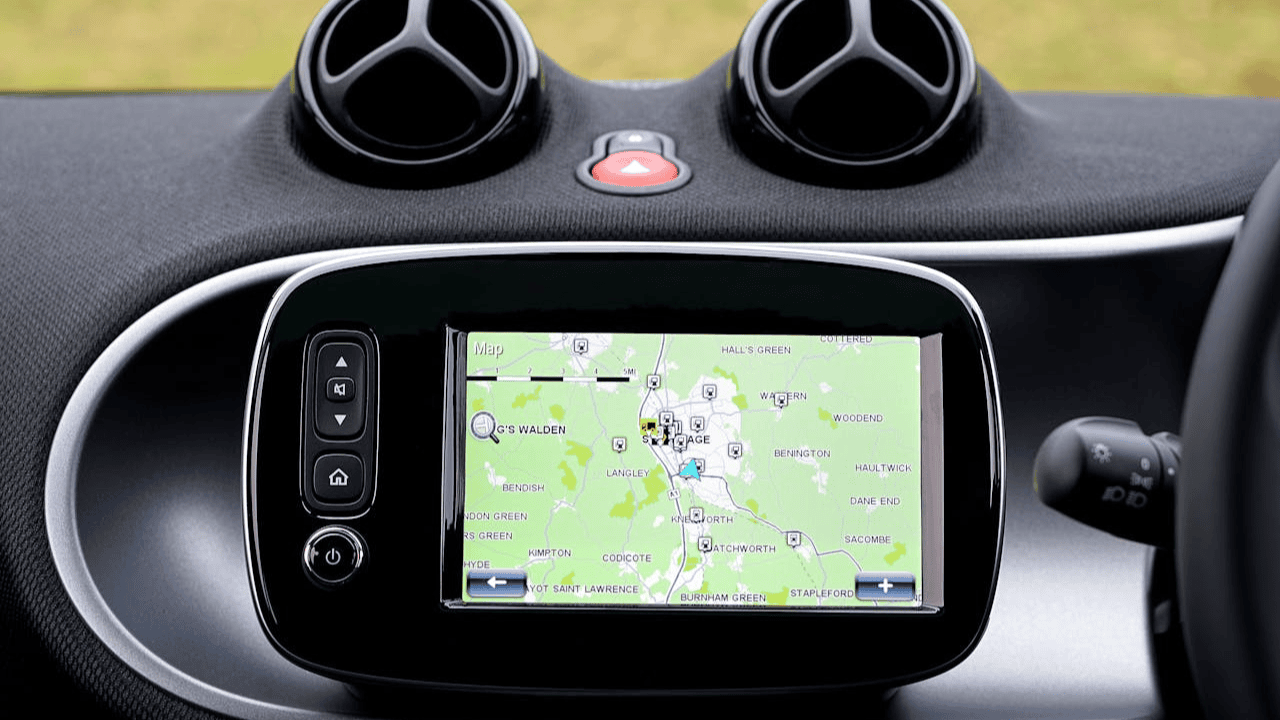
Factory navigation systems used to feel high-end, but now they're outdated before you've made your first car payment. With free, constantly updated apps like Google Maps and Waze on your phone, you'll get better directions, traffic updates, and features. On top of that, built-in systems often require pricey map updates or subscriptions. You're better off using a good phone mount and saving yourself a few hundred dollars.
Extended Warranties from the Dealer

Extended warranties sound like peace of mind, but they often come with exclusions that make them nearly useless. Many don't cover the parts most likely to fail or require you to stick with specific repair shops. By the time something major breaks, you may be outside the fine print. If you want real coverage, an independent warranty or a solid emergency fund will serve you better.
Paint Protection Packages
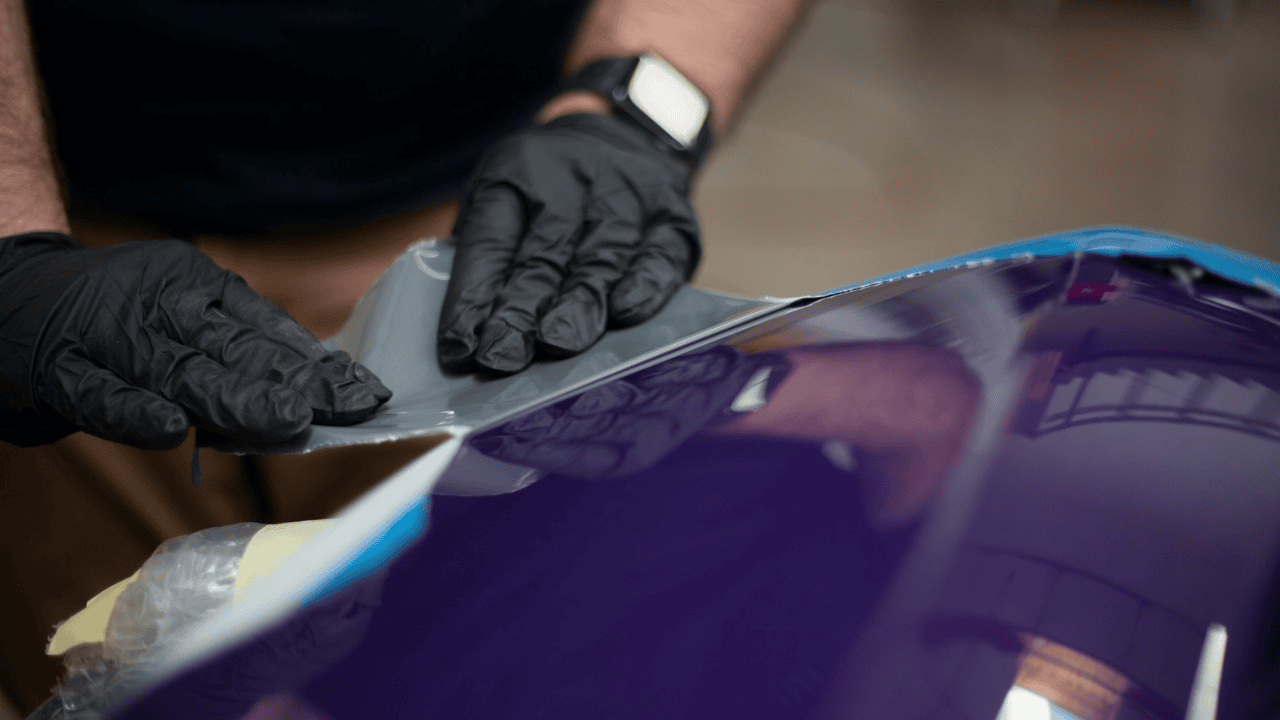
Dealership paint protection "upgrades" often cost several hundred dollars and are little more than a basic sealant you could apply yourself for $30. They don't prevent chips, scratches, or sun damage like advertised. A quality ceramic coating from a local detailer-or learning to wax your own car regularly-does far more for your paint's lifespan and shine.
Premium Sound Systems
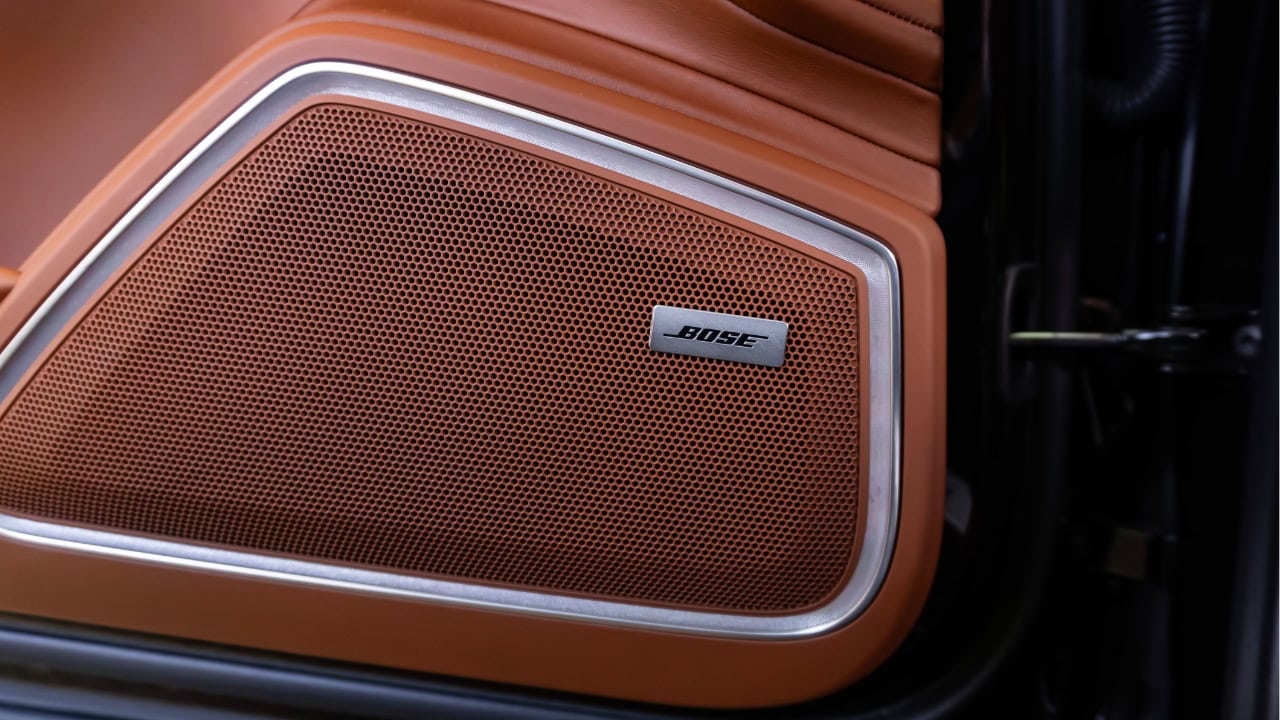
Manufacturers love to upsell branded audio systems with names like Bose or Harman Kardon, but in most vehicles, the difference is barely noticeable unless you're an audiophile. They don't hold value for resale, and if a speaker blows, replacements are expensive. A good aftermarket setup or upgraded head unit often sounds better and costs less.
Larger Wheels and Low-Profile Tires
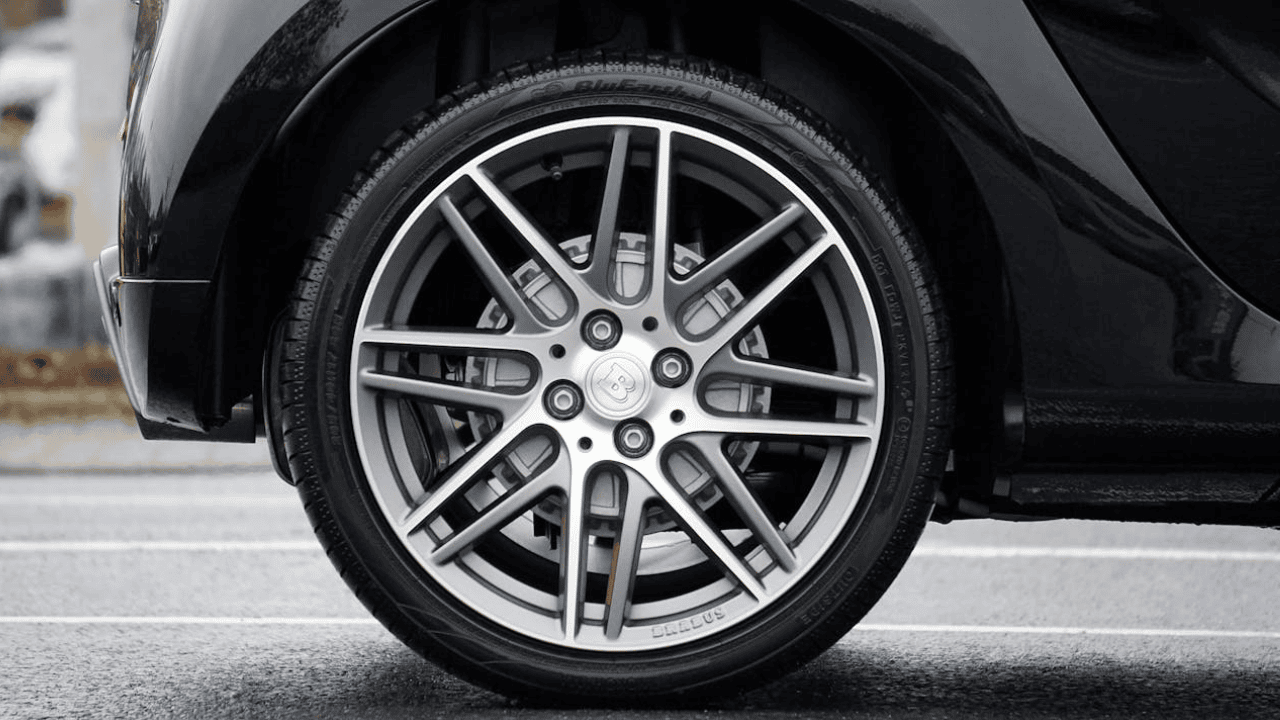
Big rims might look sleek, but they come with a rougher ride, more expensive tires, and a higher chance of damage from potholes. Low-profile tires also wear out faster and offer less cushioning. Unless you're going for show-car looks, the comfort and practicality of standard tires are far more worth it.
Rear-Seat Entertainment Systems
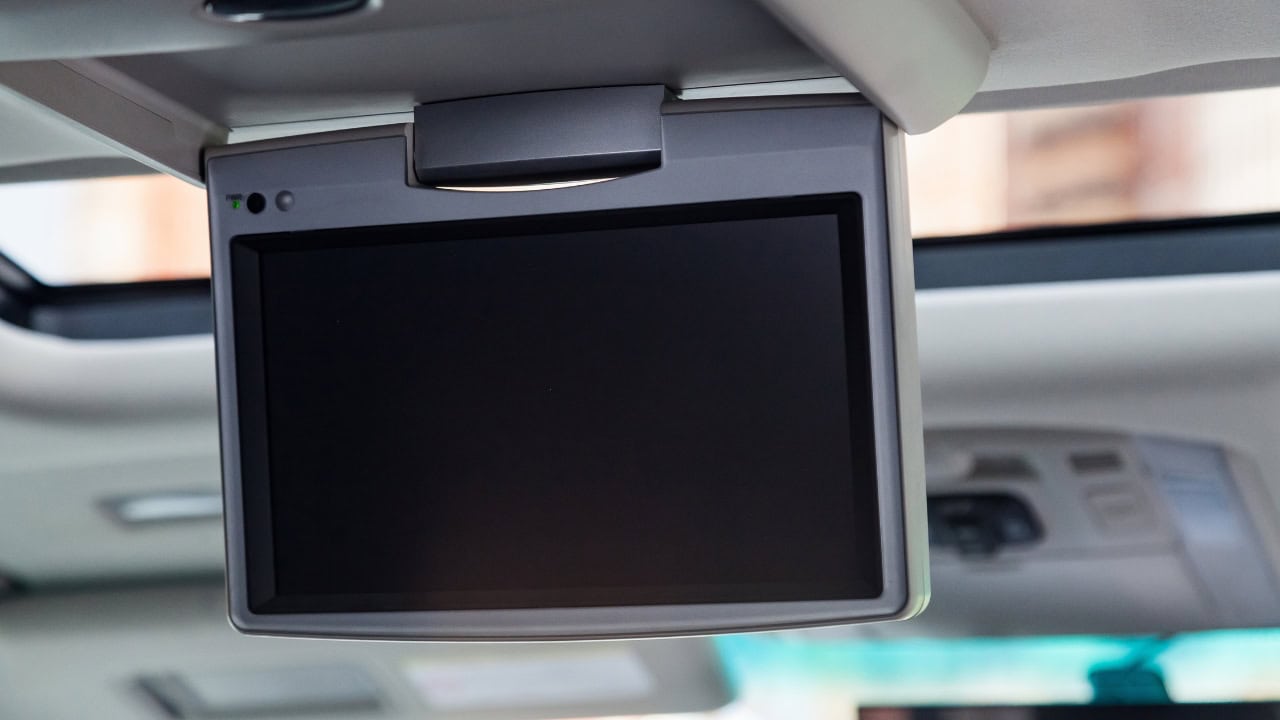
Before tablets became the norm, built-in DVD players made sense. But today, streaming devices and tablets make these systems totally unnecessary. They're also costly to repair when they fail and can make your car harder to resell later. Save the money and grab a few sturdy tablet mounts instead-you'll get the same result for a fraction of the price.
Factory Roof Racks
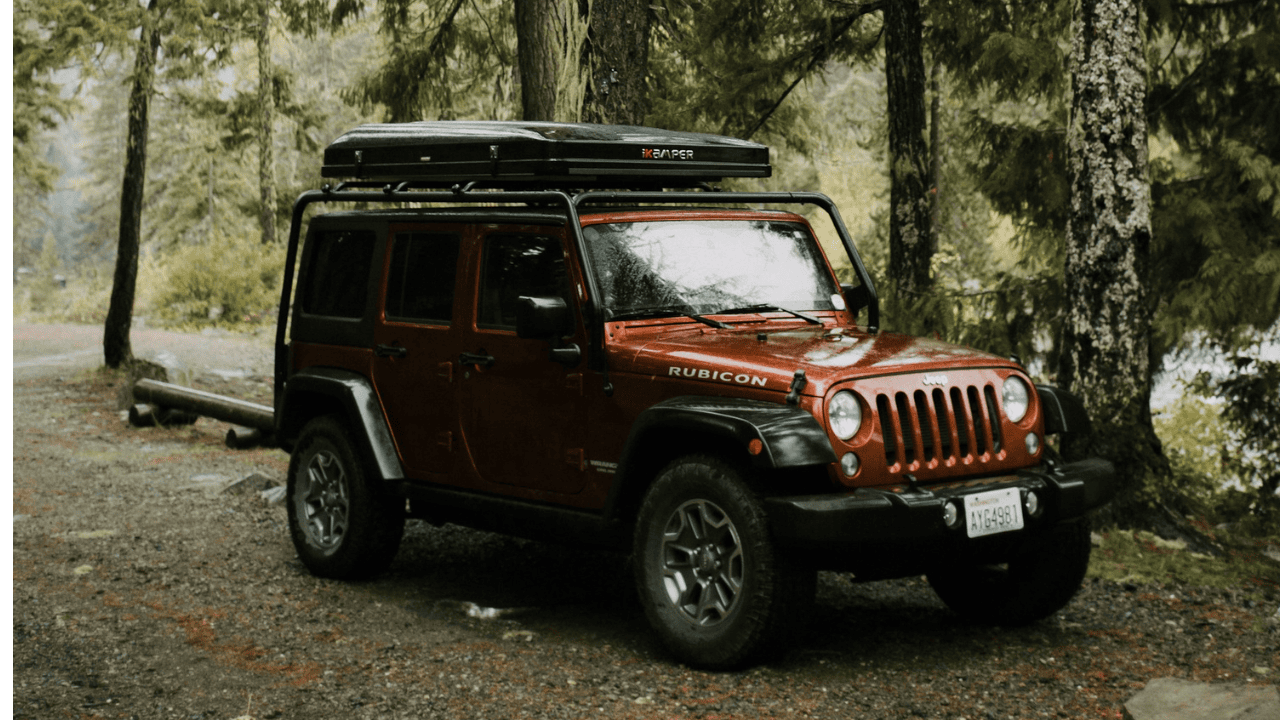
Factory roof racks look handy, but most can't carry much weight and require brand-specific accessories that add up quickly. Aftermarket racks are usually stronger, more versatile, and easier to replace. Unless you're a frequent camper or skier, it's better to buy one when you actually need it rather than pay for one that'll sit empty most of the year.
Dealer-Installed Window Tint
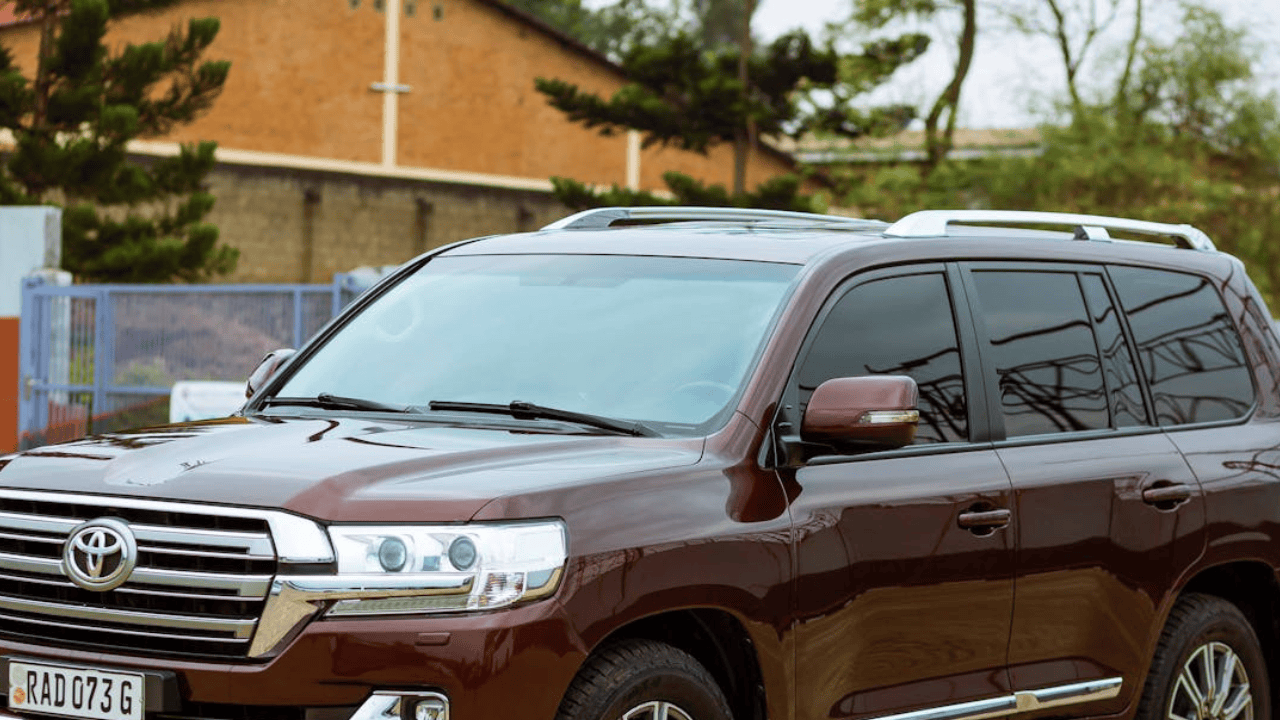
Dealership tint jobs are often low quality and overpriced. Many dealers outsource the work to third-party shops but mark up the cost heavily. Worse, poor-quality tint can bubble, fade, or even violate local laws. You'll get a better product and cleaner install by going directly to a professional tint shop for less money.
Automatic Running Boards
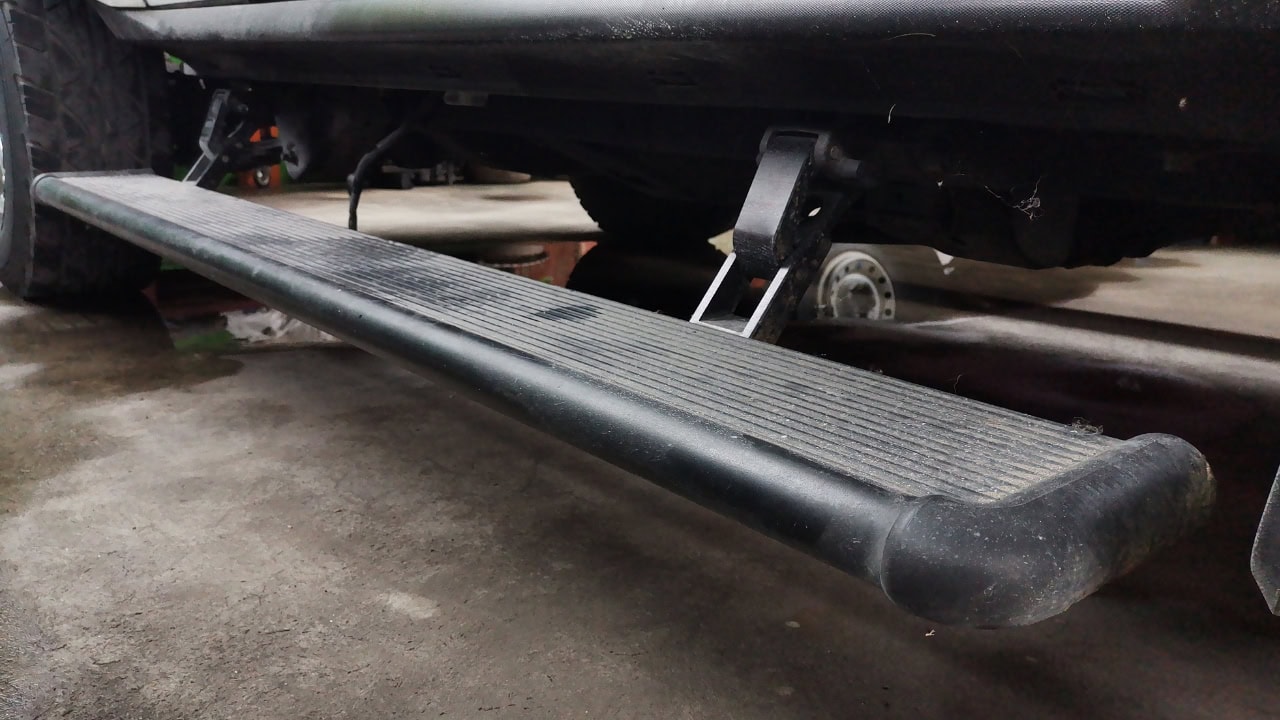
Power-deploying running boards seem high-tech but come with extra wiring, sensors, and motors that eventually fail-usually at a high repair cost. Regular fixed running boards or step bars are cheaper, sturdier, and easier to maintain. Unless you truly need them for accessibility, they're more hassle than they're worth.
Interior Ambient Lighting Packages
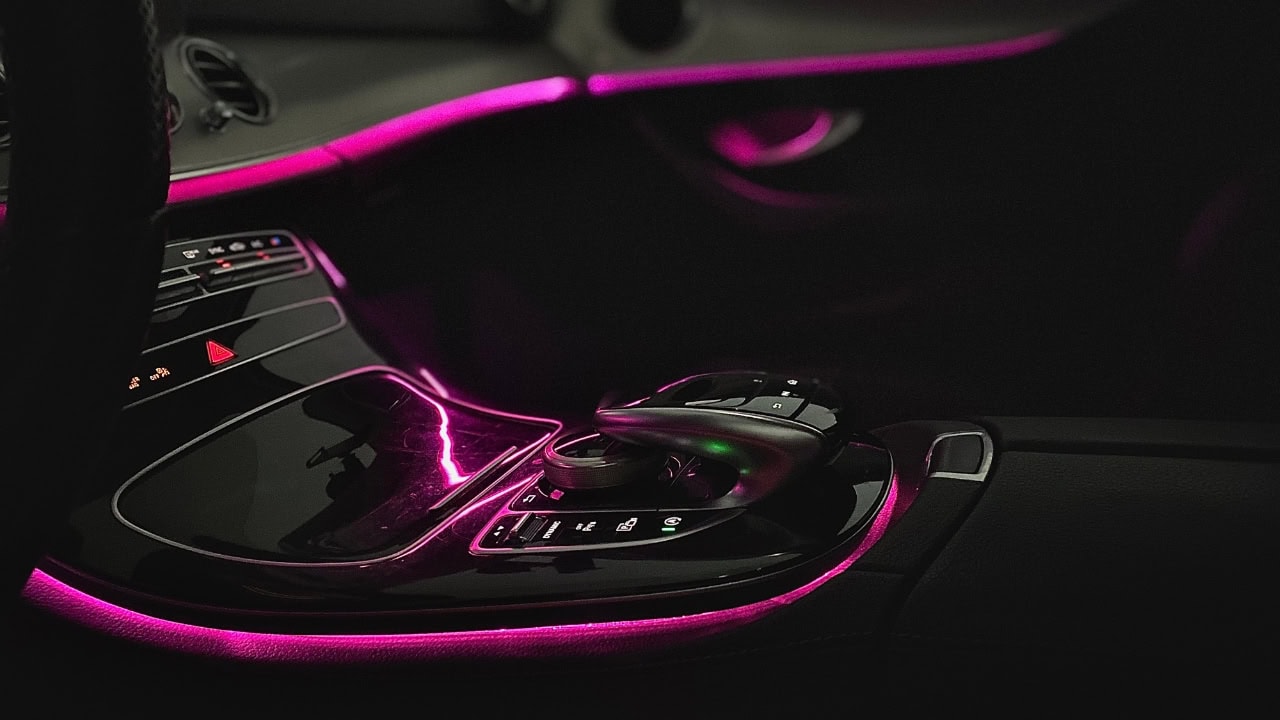
Colored accent lighting might make your cabin feel fancy for a week, but it adds zero function and doesn't age well. Many drivers find it distracting, and replacing burnt-out LEDs isn't cheap. If you want interior lighting, aftermarket kits cost under $50 and can be installed or removed anytime-no dealer markup required.
*This article was developed with AI-powered tools and has been carefully reviewed by our editors.






Leave a Reply