
Clothes don't wear out from being worn - they wear out from being washed wrong. Over time, harsh detergents, high heat, and careless cycles break down fibers and fade colors long before the fabric itself is done.
With a few small changes, you can stretch the life of your wardrobe, save money, and keep your clothes looking like they did when you bought them. These tricks don't take much effort but make a big difference in how long your clothes last.
Wash less often
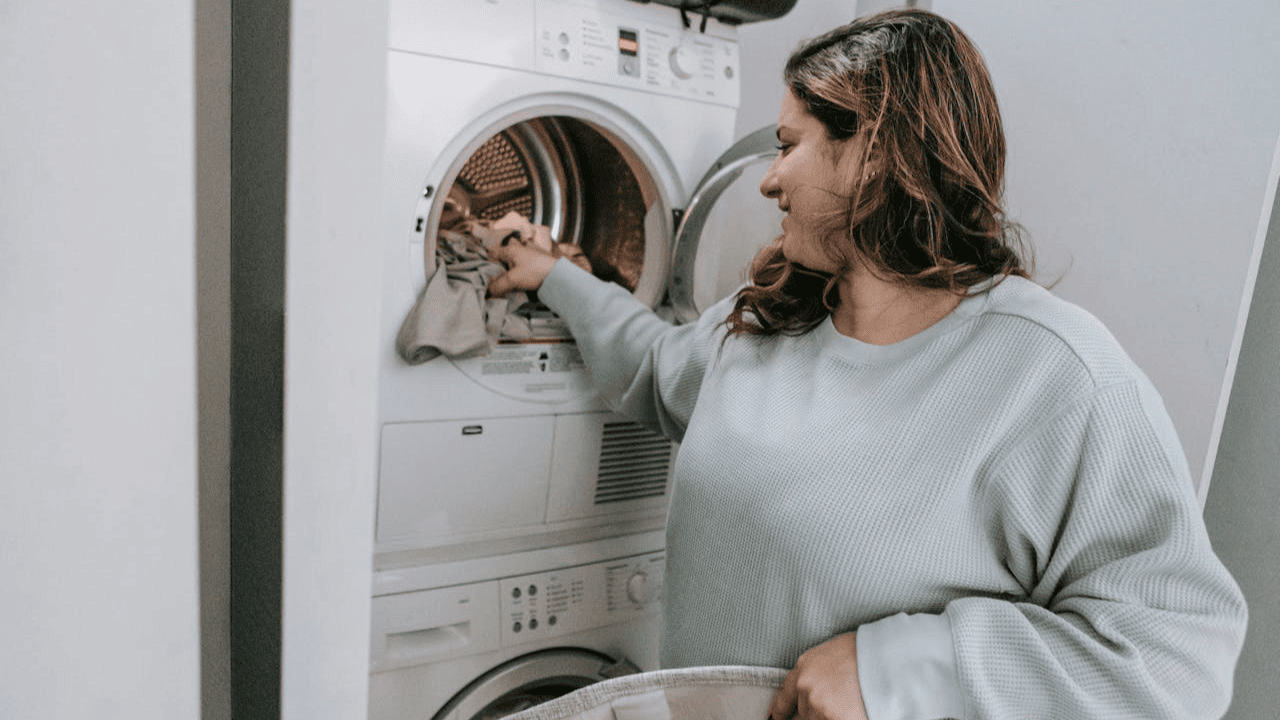
Most people wash their clothes too soon. Unless it's visibly dirty or smelly, it can usually be worn again. Every wash cycle weakens fibers, especially cotton and denim, and shortens the lifespan of your clothes.
Air out lightly worn clothes instead of tossing them in the hamper. Hanging them overnight or using a fabric refresher spray can buy you another wear or two without sacrificing freshness.
Turn clothes inside out
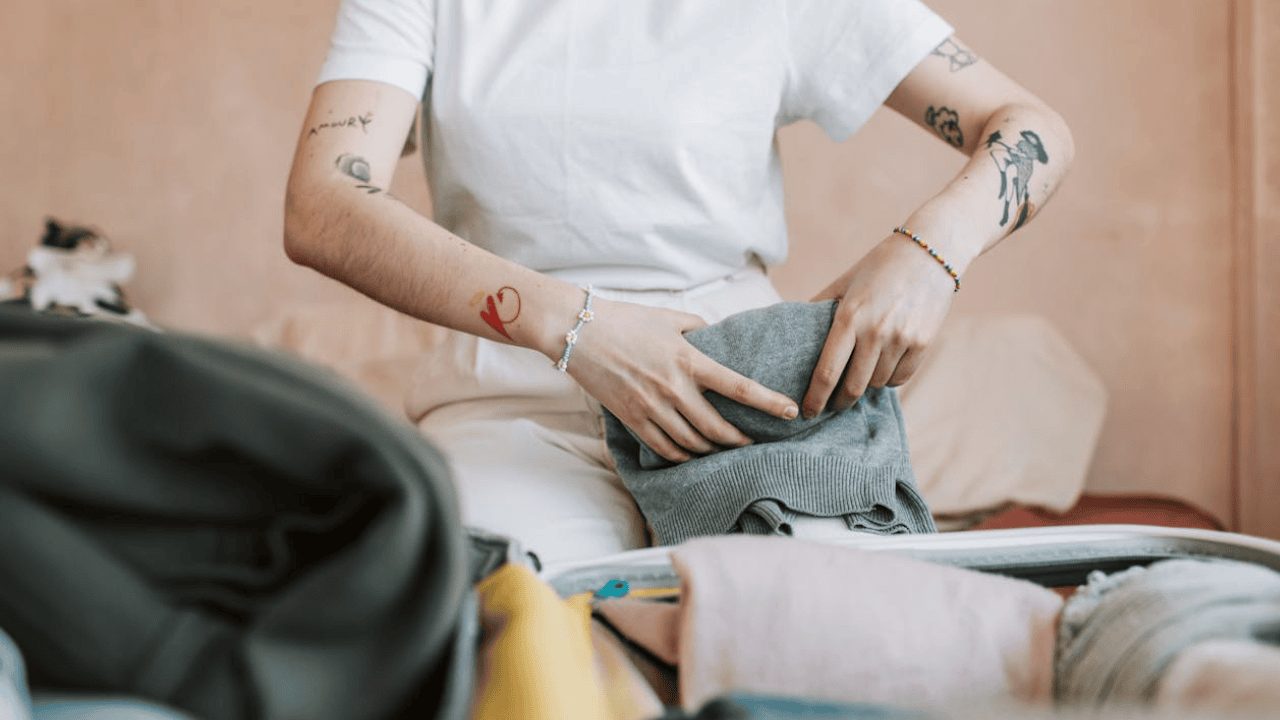
Turning clothes inside out before washing protects the outer layer from friction and fading. It's especially helpful for dark colors, printed tees, and jeans that lose their look fast when washed right-side-out.
It also helps prevent pilling on softer fabrics like fleece or knits. It takes five seconds, but that small habit can make your clothes look newer for a lot longer.
Use cold water
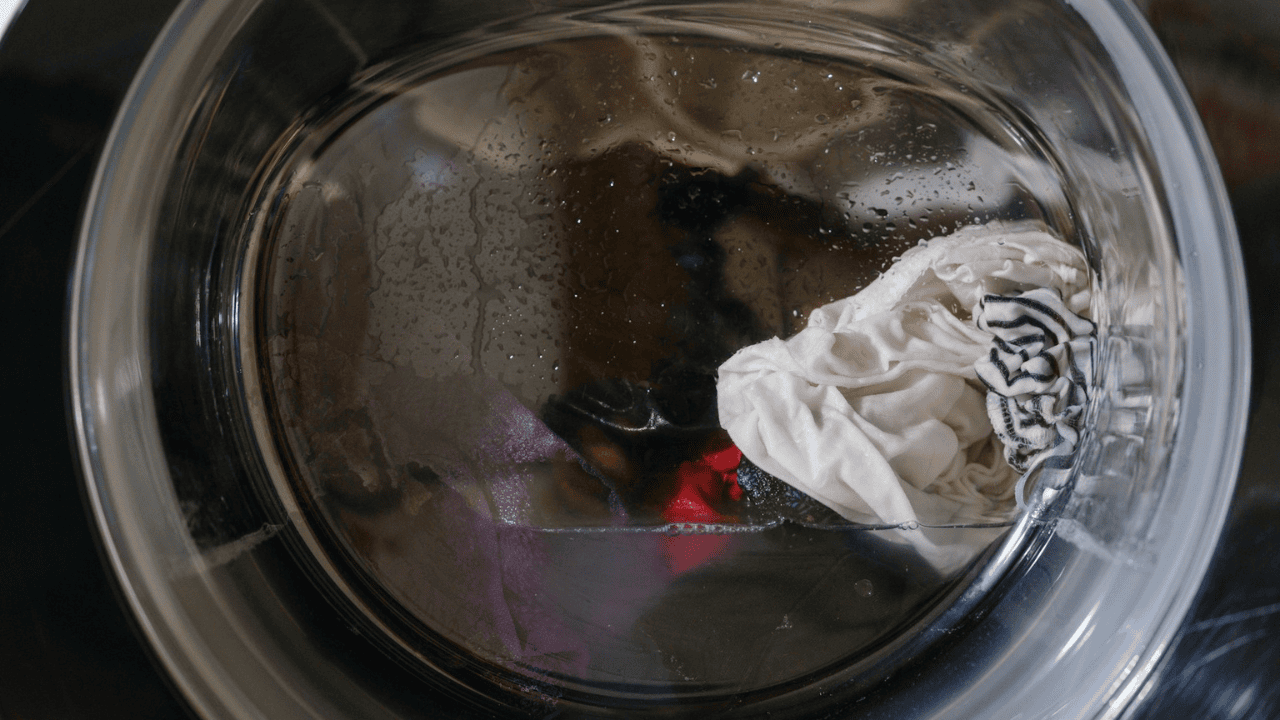
Hot water might feel cleaner, but it's rough on most fabrics. Cold water is gentler and still gets the job done, especially with modern detergents that are made to work in lower temps.
It helps preserve elasticity in workout clothes, prevents shrinking in cotton, and keeps colors from bleeding. Plus, it saves energy - your washer uses most of its power heating water.
Skip the dryer when you can
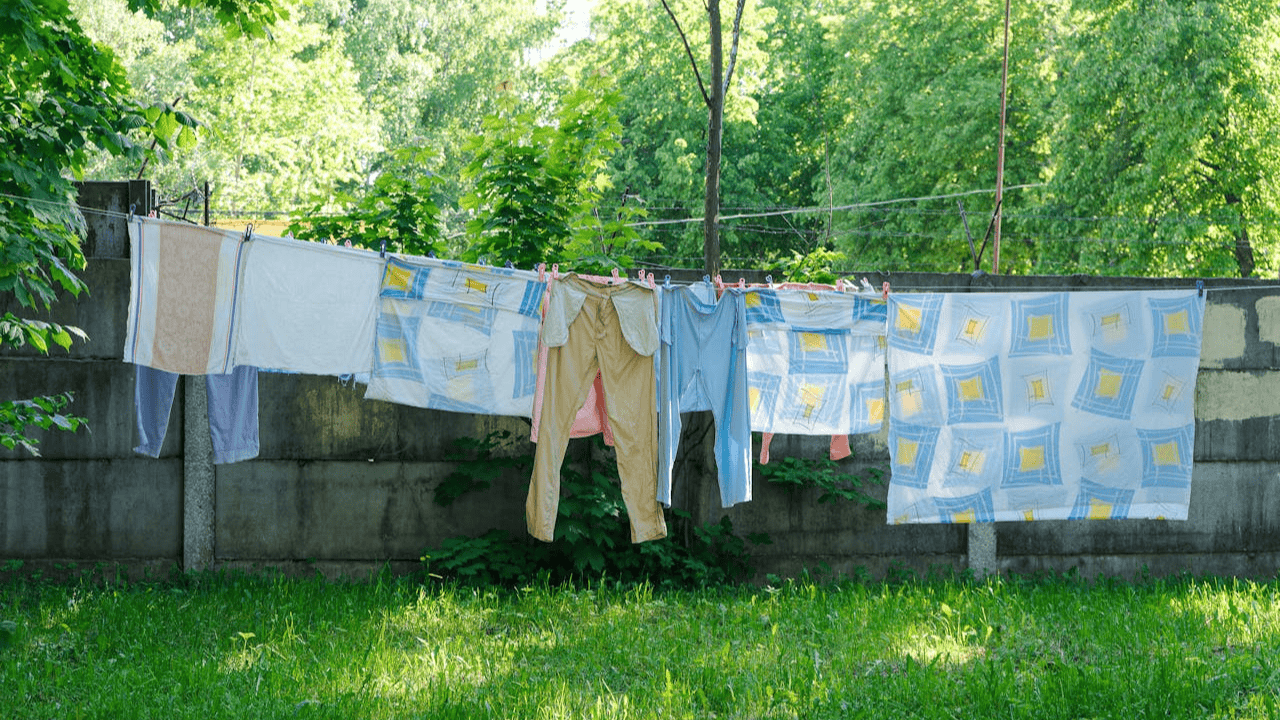
Dryers are convenient, but that constant tumbling and heat do more damage than washing ever does. It weakens fabric fibers, fades colors, and makes elastic brittle over time.
Try air-drying when possible. Hanging or laying clothes flat helps them hold their shape and softness much longer. If you do use the dryer, choose a low-heat or delicate setting.
Don't overload the washer
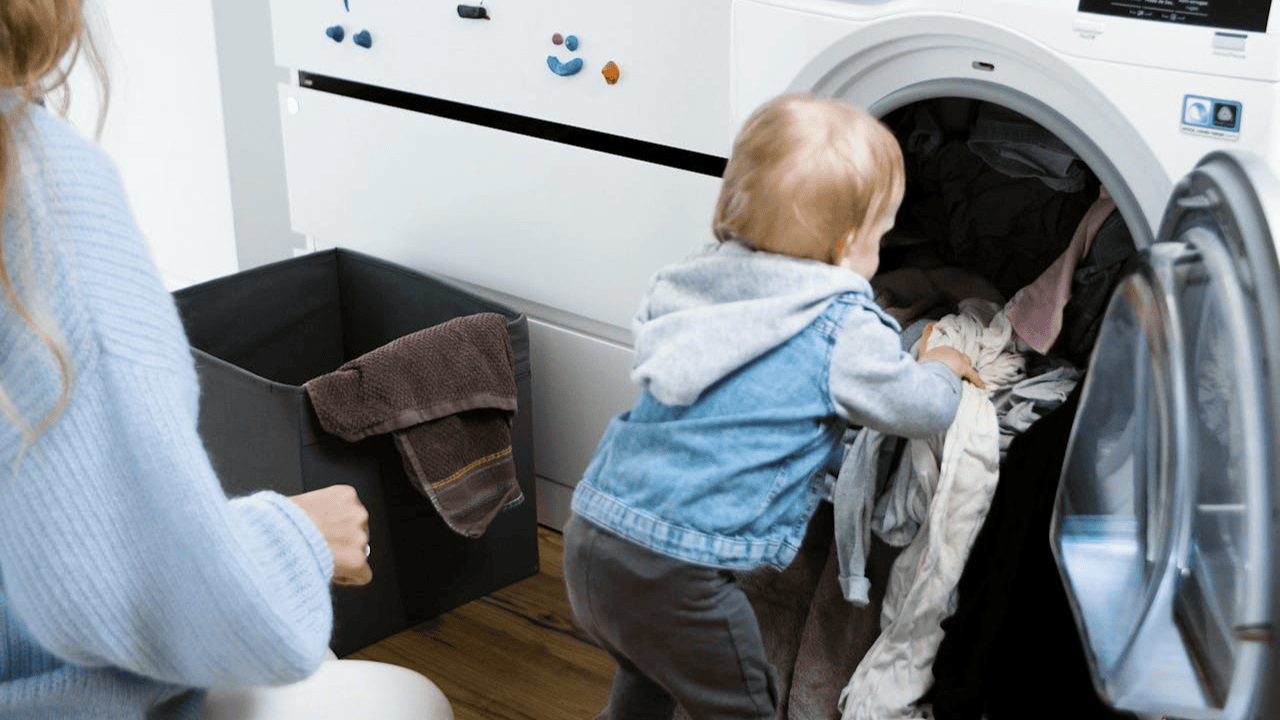
When you cram too many clothes in the washer, they can't rinse or move properly. The friction from rubbing together causes pilling, stretching, and faster wear.
Leave enough space for your clothes to move freely. They'll get cleaner and last longer, and your washer will run more efficiently, too.
Measure detergent properly
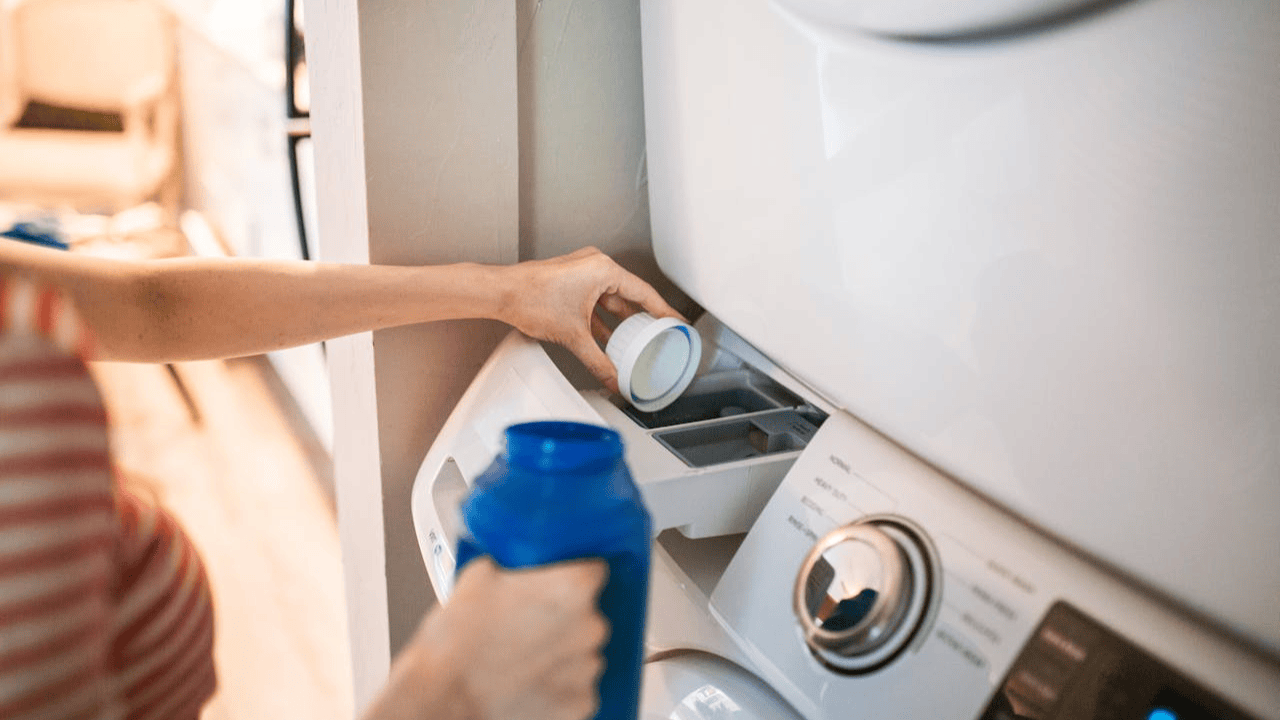
More detergent doesn't mean cleaner clothes. In fact, too much leaves residue that stiffens fabric and attracts dirt faster. It also wears out colors and fibers over time.
Use the recommended amount, or even slightly less for smaller loads. If your clothes ever feel sticky or dull, try running a rinse cycle without detergent to clear buildup.
Wash similar fabrics together
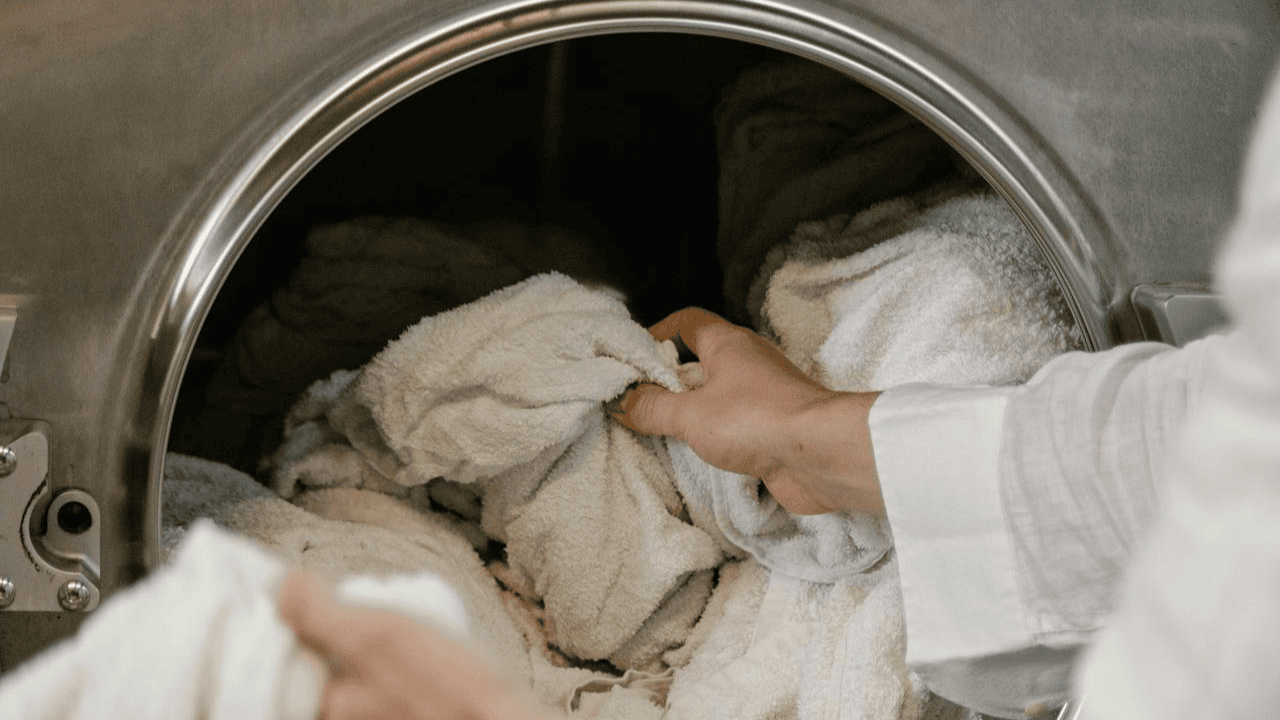
Mixing heavy jeans with delicate shirts is a fast way to ruin them. Different fabrics need different care - heavy items can beat up lighter ones during a cycle.
Group clothes by type and weight before washing. You'll get a better clean and reduce unnecessary wear on softer materials.
Close zippers and hooks
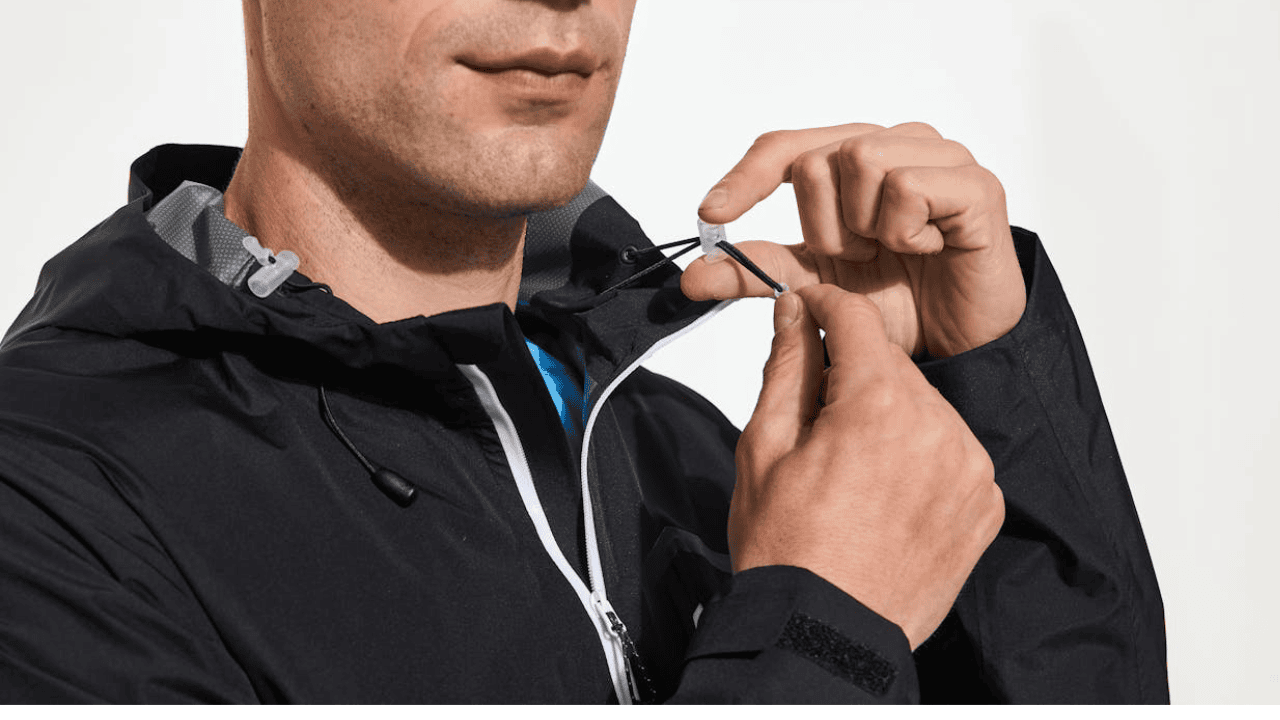
Zippers and hooks snag everything they touch during a wash. Closing them before washing keeps them from catching on delicate fabrics or stretching out knit items.
It also protects the hardware itself from bending or breaking. If you've ever found a mysterious hole in your favorite shirt, a stray zipper was probably to blame.
Use a laundry bag for delicates
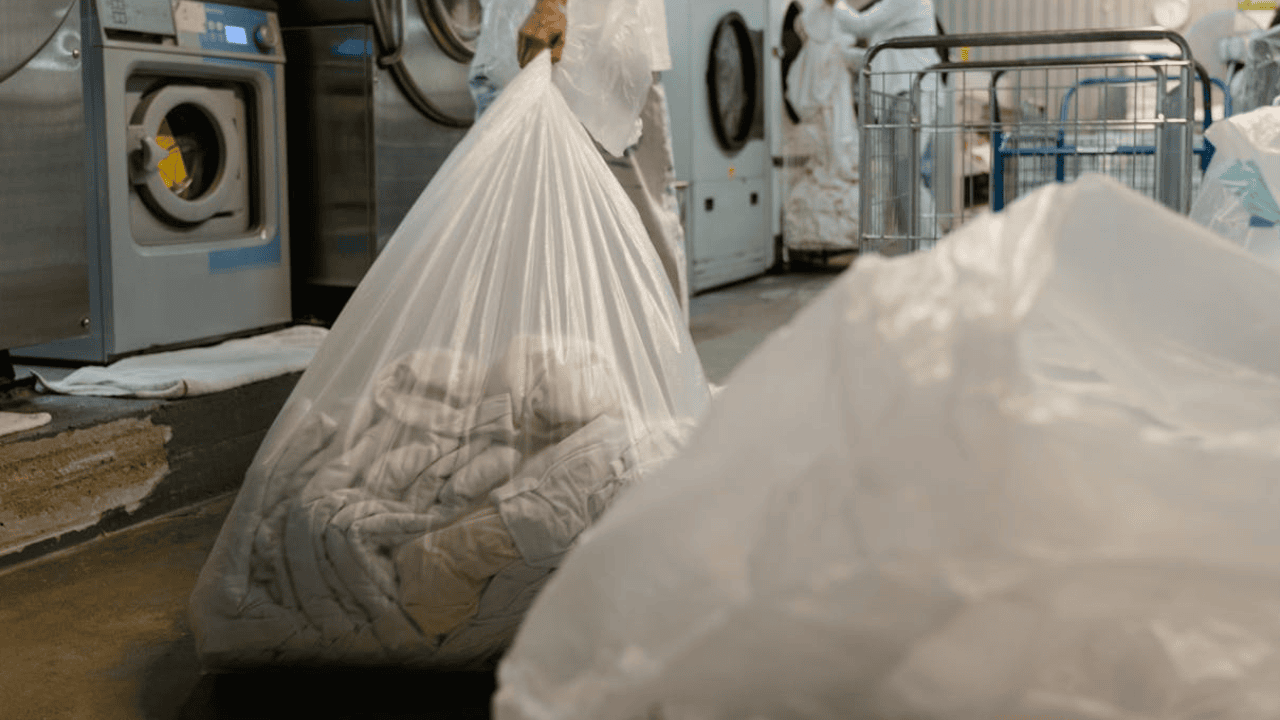
A mesh laundry bag keeps delicate items like bras, lingerie, and lightweight fabrics safe from snags and tangles. It's also useful for small items like socks that tend to disappear.
You'll still get a thorough clean, but without the risk of hooks catching or straps twisting. It's a cheap fix that helps delicate pieces last years instead of months.
Fold and store clothes properly
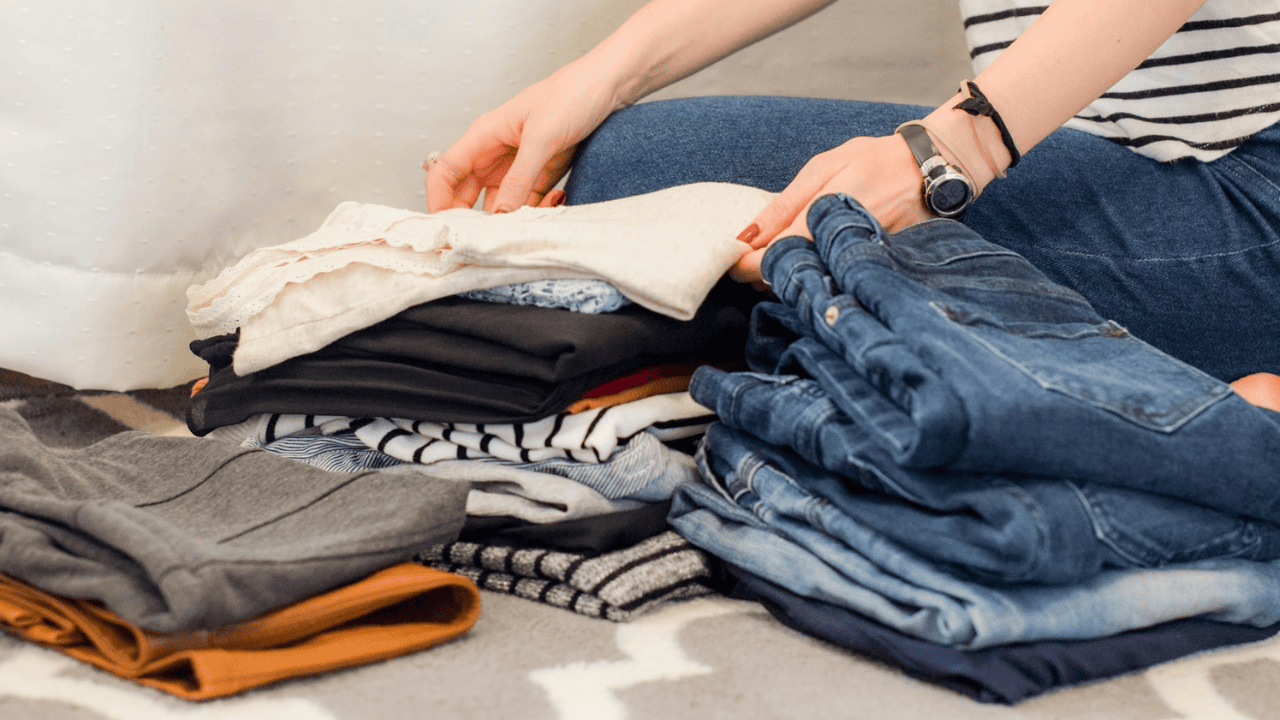
How you handle clothes after washing matters too. Folding along seams, storing in cool, dry spaces, and avoiding wire hangers help prevent stretching and fabric damage.
Don't leave clean laundry piled up for days - the wrinkles and moisture can cause permanent creases or mildew. Treat your clothes well after washing, and they'll hold up through countless more loads.
*This article was developed with AI-powered tools and has been carefully reviewed by our editors.






Leave a Reply