
10 tricks that make our budget feel way less restrictive

Budgeting doesn't have to feel like a punishment. If all you see are limits, it's hard to stick with it long term. The key is finding ways to give yourself flexibility while still staying on track.
Over time, I've picked up habits that make our budget feel less like a set of rules and more like a tool that works for us. These tricks make it easier to save, pay bills, and enjoy life without constantly feeling restricted.
Give yourself fun money

One of the best things you can do for your budget is set aside a little for personal spending. It doesn't have to be much-just enough to cover a coffee run or a small splurge.
Having fun money keeps you from feeling deprived. When you plan for it, you can enjoy it guilt-free without throwing the rest of your budget off track.
Plan for treats ahead of time

Instead of cutting out extras completely, build them into your budget. Whether it's eating out, family outings, or entertainment, planning ahead keeps it from feeling like overspending.
When you know it's already accounted for, you can enjoy it without guilt. This makes sticking to the rest of your budget much easier.
Use sinking funds

Sinking funds are a game changer for irregular expenses like holidays, birthdays, or car repairs. By setting aside a little each payday, you're ready when those costs come up.
This trick makes your budget feel smoother because you're not scrambling to cover big bills. Instead, you've already spread them out over time.
Keep groceries flexible
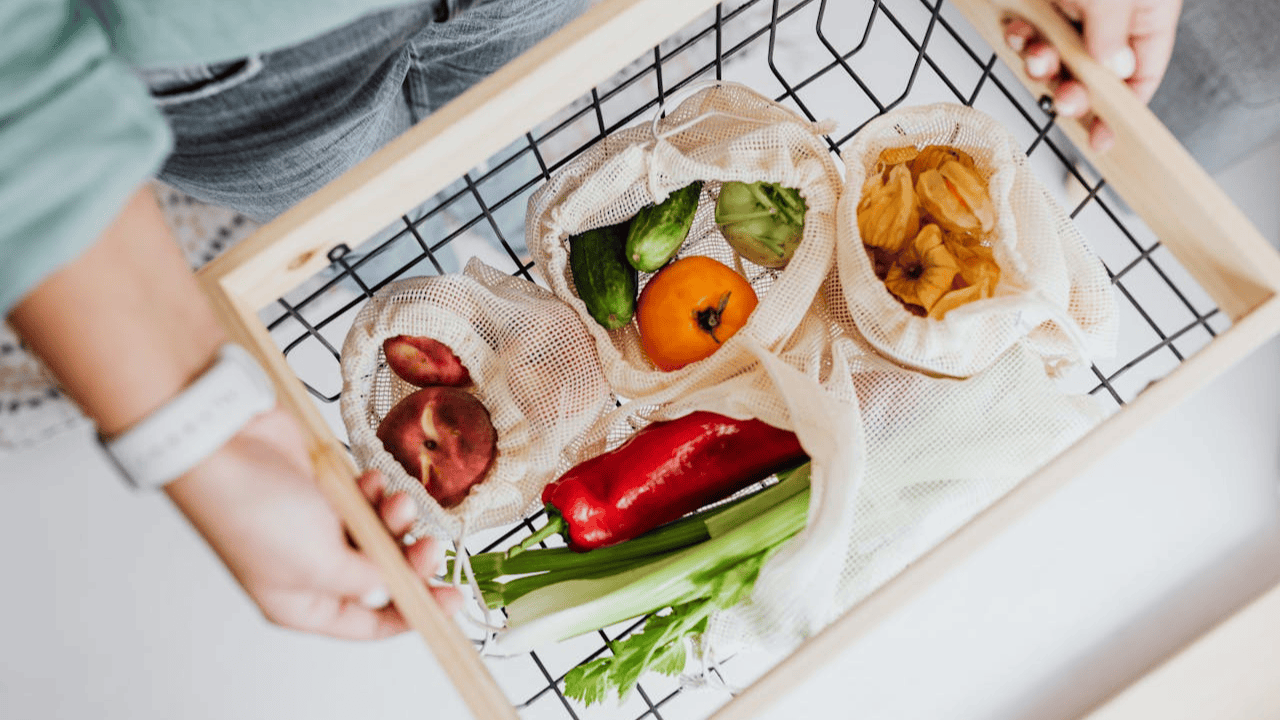
Food is one of the biggest variable expenses, so giving yourself some wiggle room there makes the budget feel easier. Instead of setting a rigid number, allow space for sales and occasional treats.
When you give yourself flexibility, you're less likely to feel boxed in. You'll still stay on track overall while making room for real life.
Limit categories, not purchases
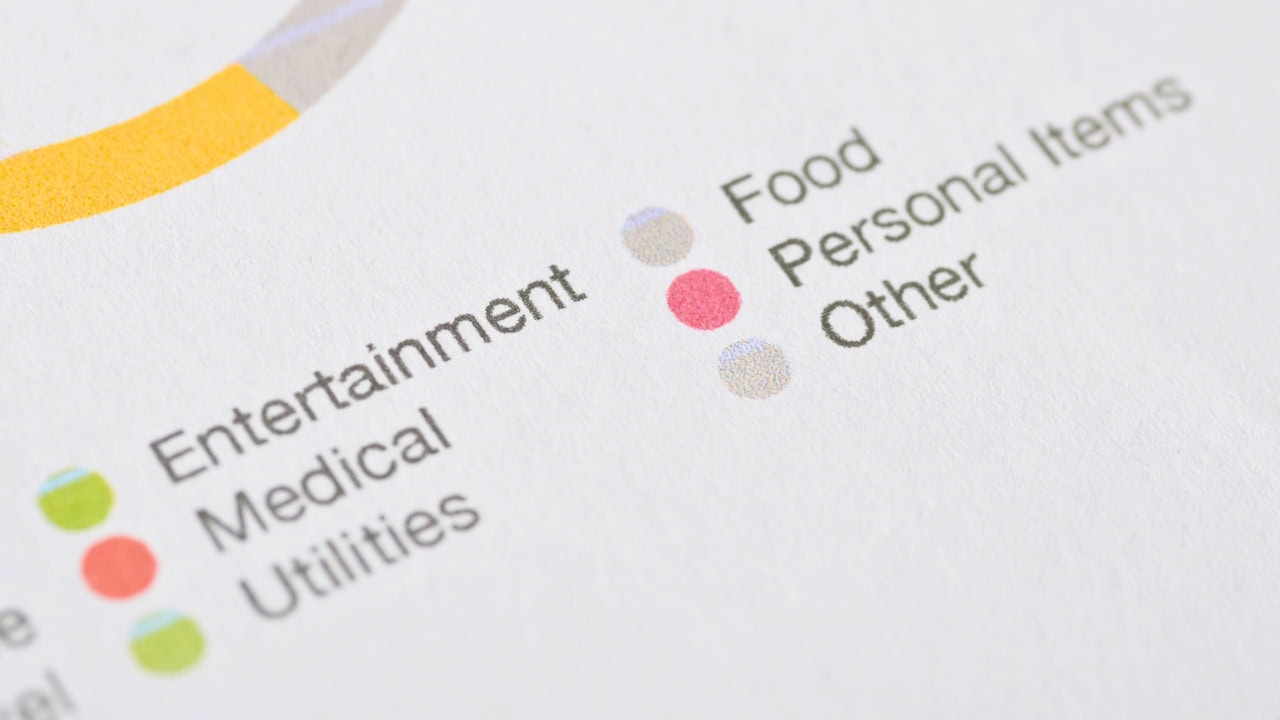
Budgets with too many categories can feel overwhelming. Simplifying into broader sections-like food, housing, and extras-keeps things manageable.
When you limit categories, you still control spending without tracking every dollar in painful detail. It feels more natural and less restrictive day to day.
Pay yourself first

Moving money into savings right after payday makes it automatic. When you treat savings like a bill, you don't have to think about it later.
This habit gives you freedom because you know your priorities are covered. Spending what's left feels more flexible when savings are already handled.
Use cash for extras

Cash creates a natural stopping point. Setting aside cash for extras like dining out or entertainment keeps spending in check.
Once the cash is gone, you know to stop. It makes the budget feel more balanced because you can enjoy extras without worrying about overspending.
Focus on progress, not perfection
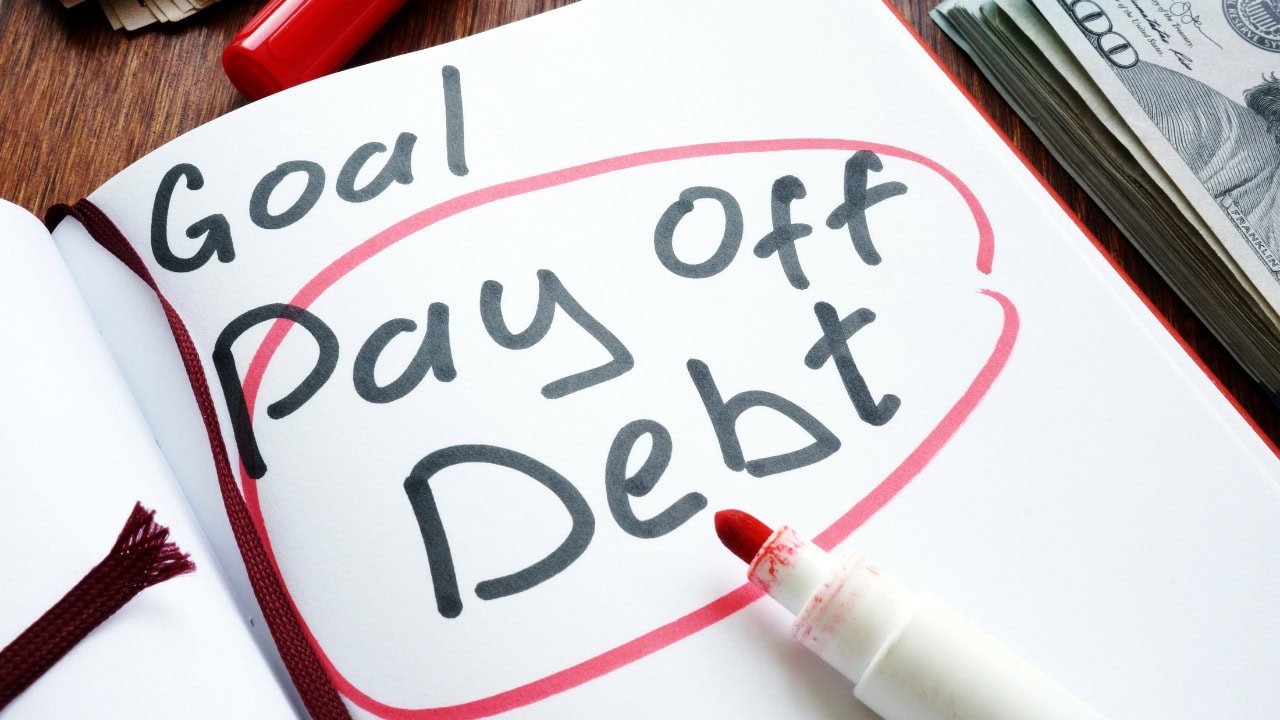
Budgets can feel restrictive when you expect perfection. Instead, focus on overall progress-like paying off debt, saving more, or sticking to limits most of the time.
Giving yourself grace makes it easier to stay consistent. You'll see long-term results without burning out from trying to be perfect.
Shop secondhand first

Secondhand shopping makes your budget stretch further without cutting things out. Furniture, clothes, and household items are easy to find at a fraction of retail.
This habit keeps your home and wardrobe updated without the guilt of overspending. You get what you need while staying well within your budget.
Plan free entertainment

You don't have to spend a lot to enjoy yourself. Parks, community events, or at-home game nights can all be built into your routine.
When you plan free options, you're not tempted to blow the budget on activities. It makes life feel full without draining your wallet.
*This article was developed with AI-powered tools and has been carefully reviewed by our editors.






Leave a Reply