
Some trends catch on because they're fun. Others because they make us feel like we're "keeping up." The problem is that many of them quietly pull cash out of your wallet faster than you realize.
Whether it's home upgrades that age out in a year or lifestyle fads that promise savings but cost more long-term, certain trends just don't hold up financially. Here are the ones that tend to drain your account before you even notice what happened.
subscription everything
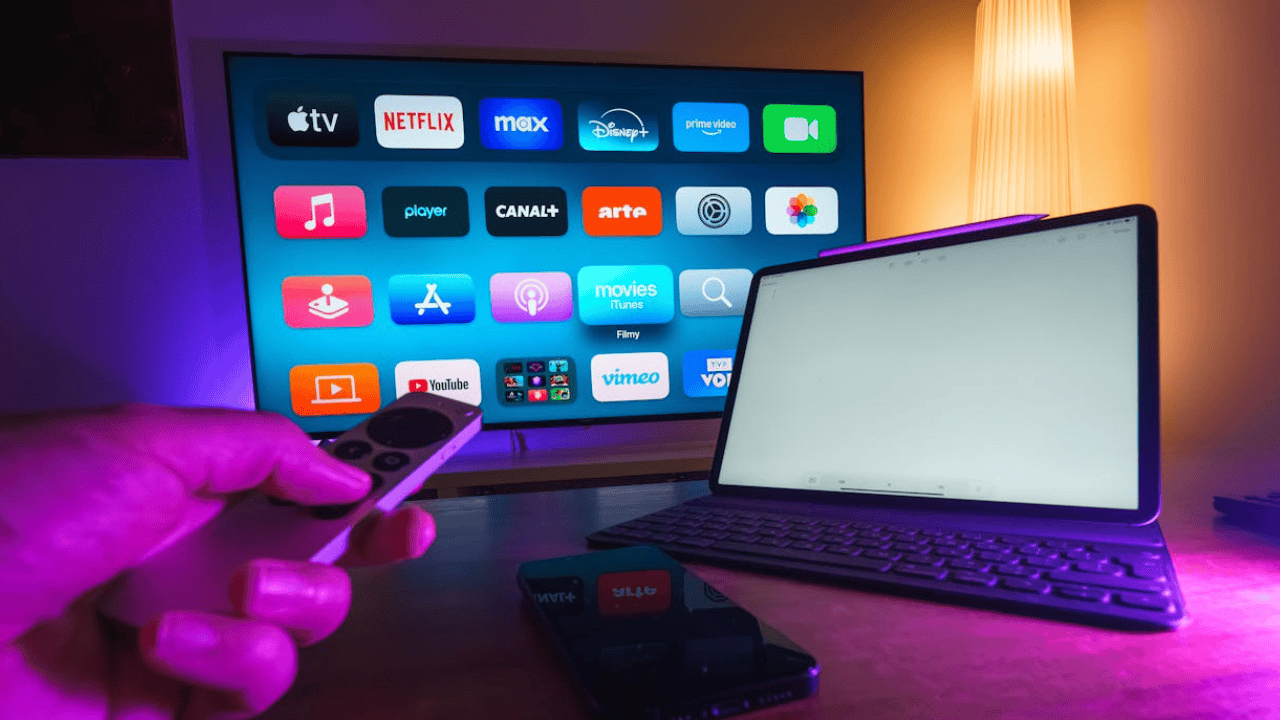
The push to "subscribe and save" sounds convenient, but it's often a marketing trick. When you automatically reorder items like cleaning products, razors, or vitamins, you lose track of what you actually use. Those $10 and $20 charges pile up quietly.
You're better off setting a reminder to reorder when you're low. That one small change can save hundreds a year without cutting out anything you really need.
influencer home decor
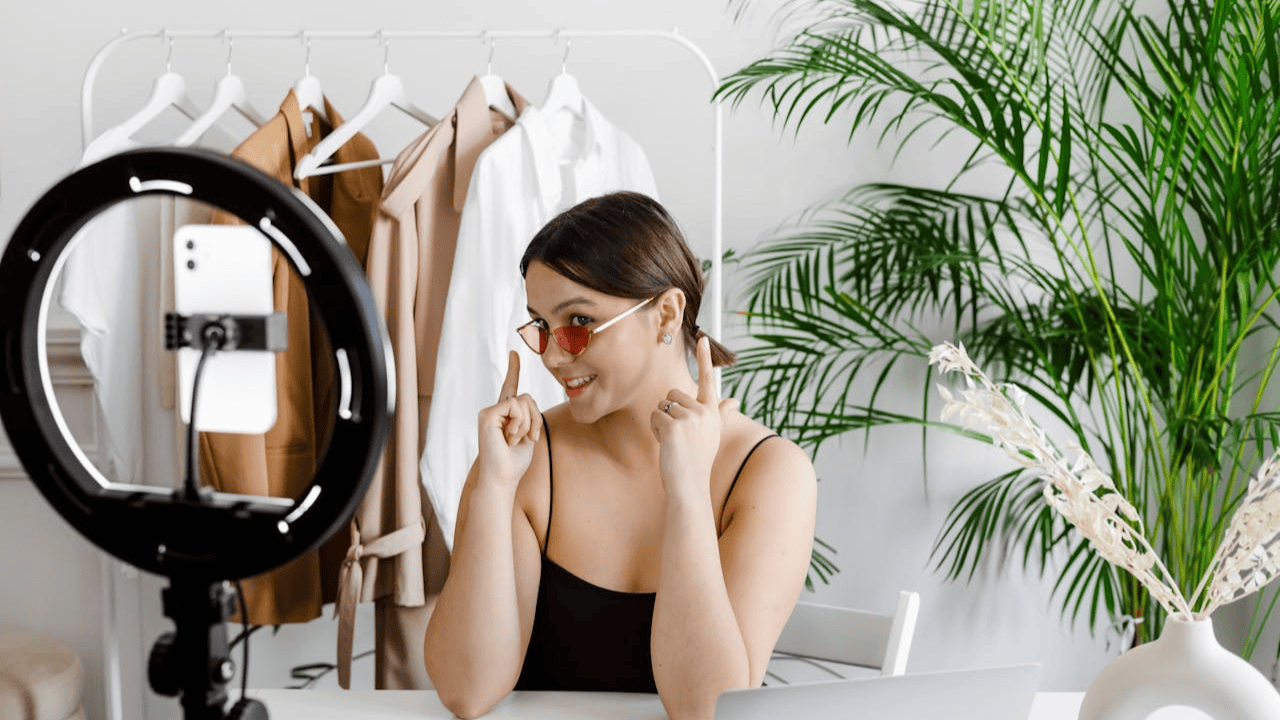
Social media has made trendy home decor feel like a revolving door-swapping rugs, furniture, and light fixtures the minute styles shift. But home trends move faster than they used to, and trying to keep up makes your space look dated and your wallet empty.
Stick to classic, neutral pieces for big items and use smaller accents to switch things up. It keeps your home fresh without sending you back to the store every few months.
brand-name cleaning products
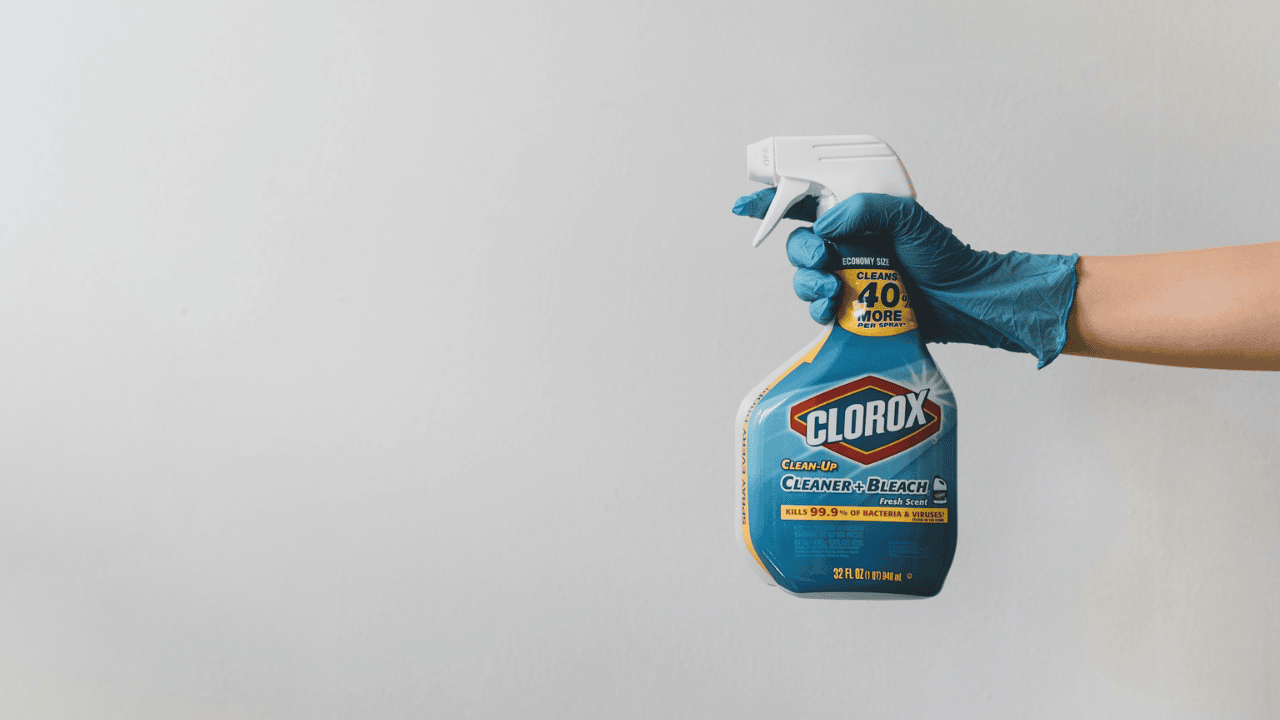
Many people stick to certain cleaning brands because they've been marketed as "premium," but most are full of the same active ingredients as store brands. The price difference has nothing to do with performance-it's the label.
Generic options clean just as well for half the cost. If you're willing to test a few alternatives, you'll quickly see which ones work and which aren't worth the markup.
luxury coffee habits
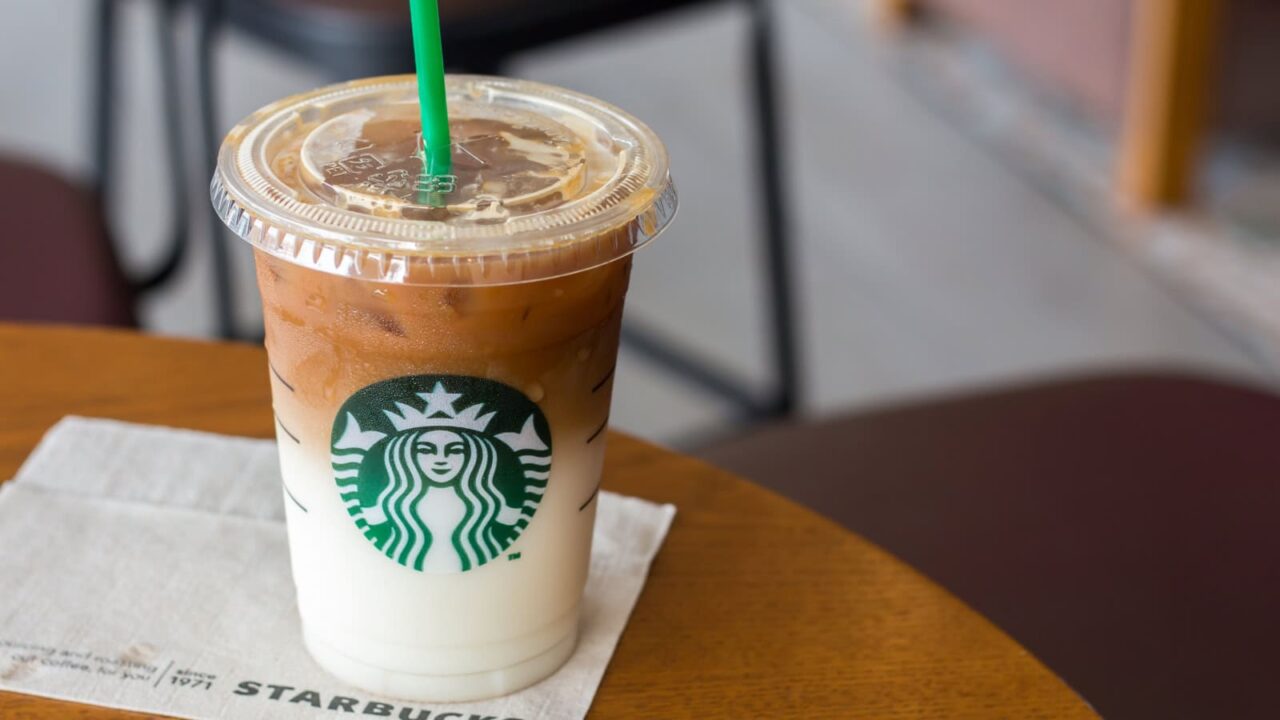
That $6 drink a few times a week doesn't seem like much until you add it up. It's easy to convince yourself it's a small daily reward, but when you run the math, it's a car payment's worth of caffeine.
You don't have to give up good coffee altogether-just rethink where you're buying it. Investing once in a solid home setup saves a surprising amount long-term.
constant wardrobe refreshes
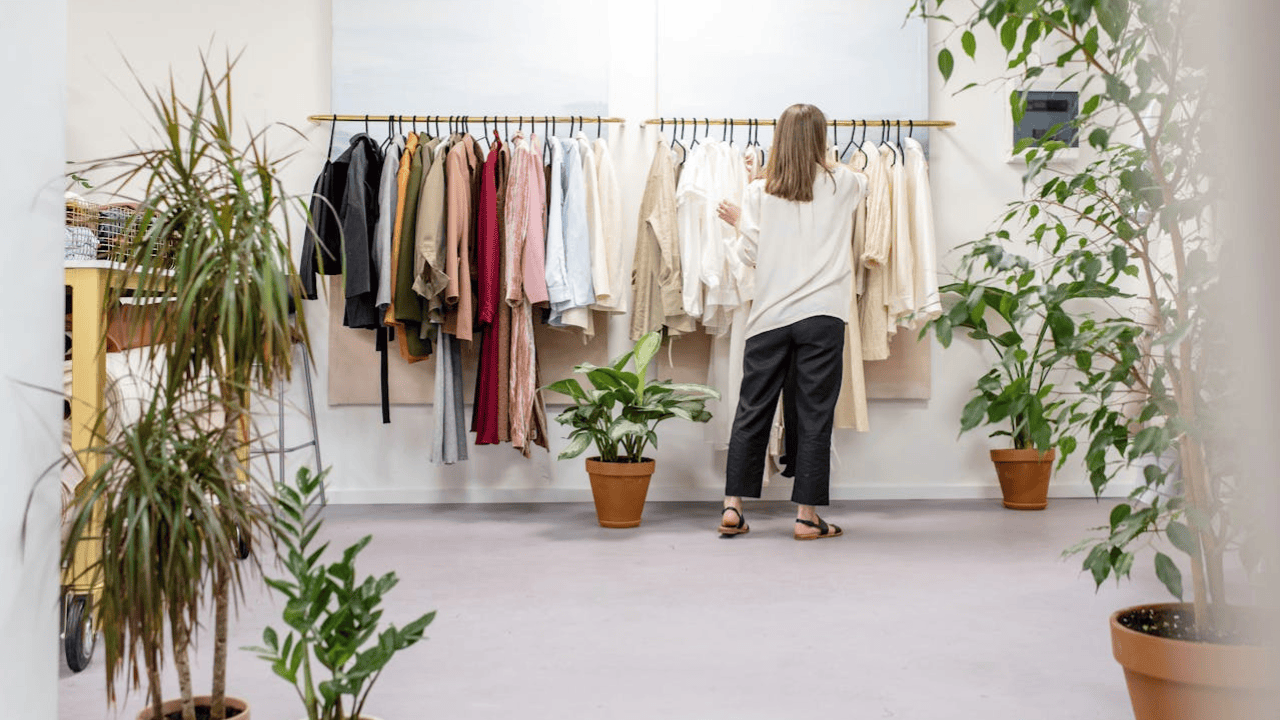
Fast fashion makes it too easy to feel like you "need" a new outfit for every season or event. The problem is that these pieces wear out fast, forcing you to replace them constantly.
Focusing on quality basics that mix and match will stretch your wardrobe way further. Once you build that foundation, trend pieces become optional instead of essential.
expensive wellness products
From detox teas to $40 protein powders, the wellness industry has become a money pit for anyone trying to stay healthy. Most of what's being sold is repackaged marketing-it won't make a noticeable difference.
You'll get far better results sticking with real food, good sleep, and a consistent routine. Those things are free and have been working long before the fancy powders came around.
trendy smart home gadgets
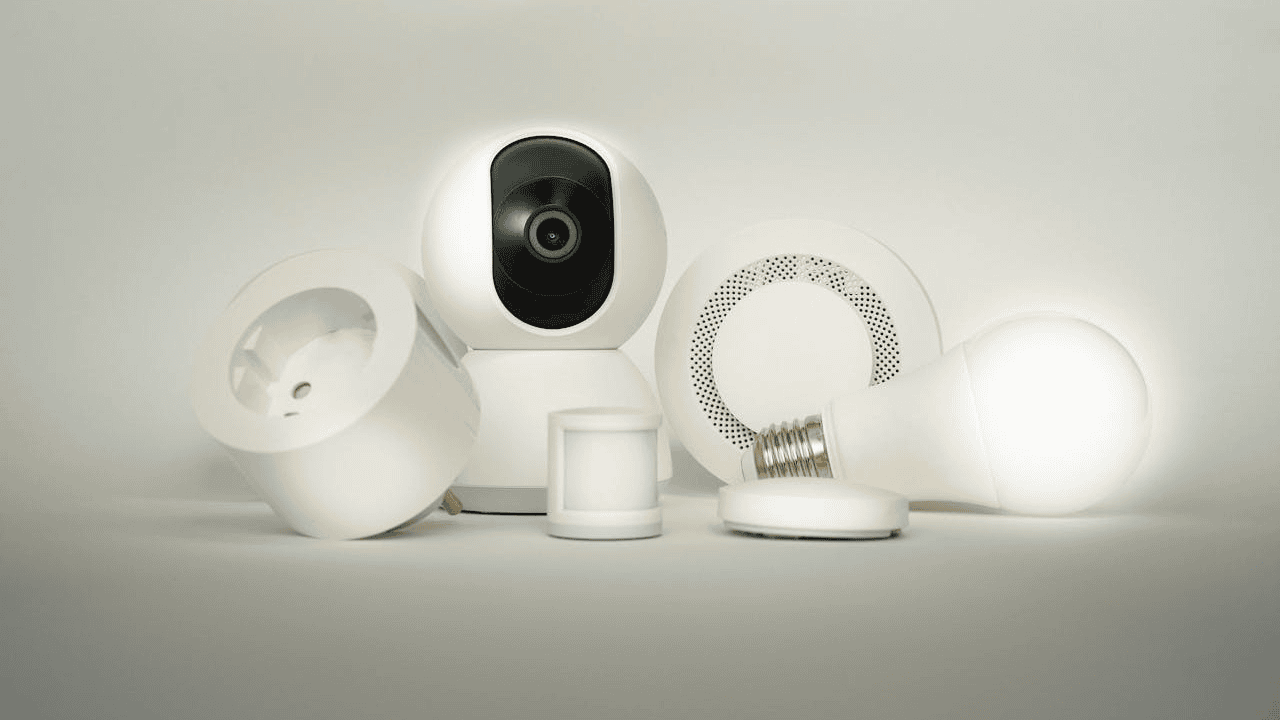
Smart plugs, lights, and subscription-based security systems sound like upgrades, but the costs sneak up fast. Many require their own apps or paid services that add recurring fees.
Stick with upgrades that actually simplify life, like a programmable thermostat or smart power strip. Anything that adds more steps-or charges you monthly-rarely pays off.
dining out "for convenience"

Ordering takeout or delivery feels like a quick fix on busy nights, but the added fees can double the cost of a meal you could've made at home in 20 minutes. Those $30 dinners add up fast when they become routine.
Meal prepping or freezing a few easy dinners ahead of time keeps you from defaulting to delivery when you're tired. It's one of the simplest ways to trim your weekly spending.
home upgrades for "resale value"
Not every project that looks HGTV-worthy adds actual value. Over-customizing your space-especially with trendy finishes or unique layouts-can make it harder to sell later.
Before tackling big projects, research what upgrades actually pay off in your area. A practical improvement like energy efficiency often does more for your resale value than an aesthetic one.
loyalty to one brand
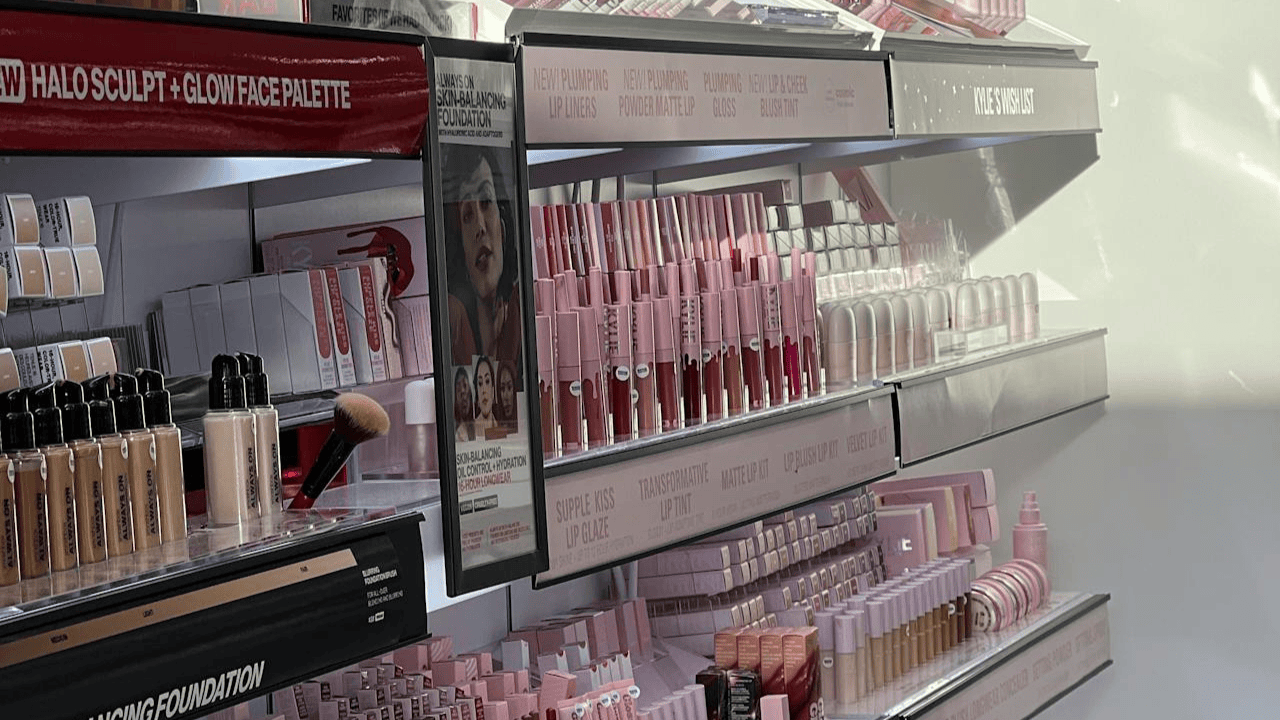
Whether it's clothes, makeup, or tools, brand loyalty can cost more than it's worth. Companies count on that loyalty to raise prices gradually without pushback.
Comparing alternatives once or twice a year keeps you from getting locked into price creep. You might find an equal-quality option that's cheaper-and that small switch adds up big over time.
*This article was developed with AI-powered tools and has been carefully reviewed by our editors.





Leave a Reply