
Most mechanics are honest, but the auto industry is one of the easiest places for overcharging to hide. When you don't speak the same technical language or know how long a repair should take, it's easy to nod along to a convincing explanation and hand over your card.
Some shops take advantage of that gap-padding labor hours, upselling unnecessary parts, or adding vague fees that sound legitimate. Here are ten common ways people get ripped off without even realizing it.
Paying for unnecessary fluid flushes
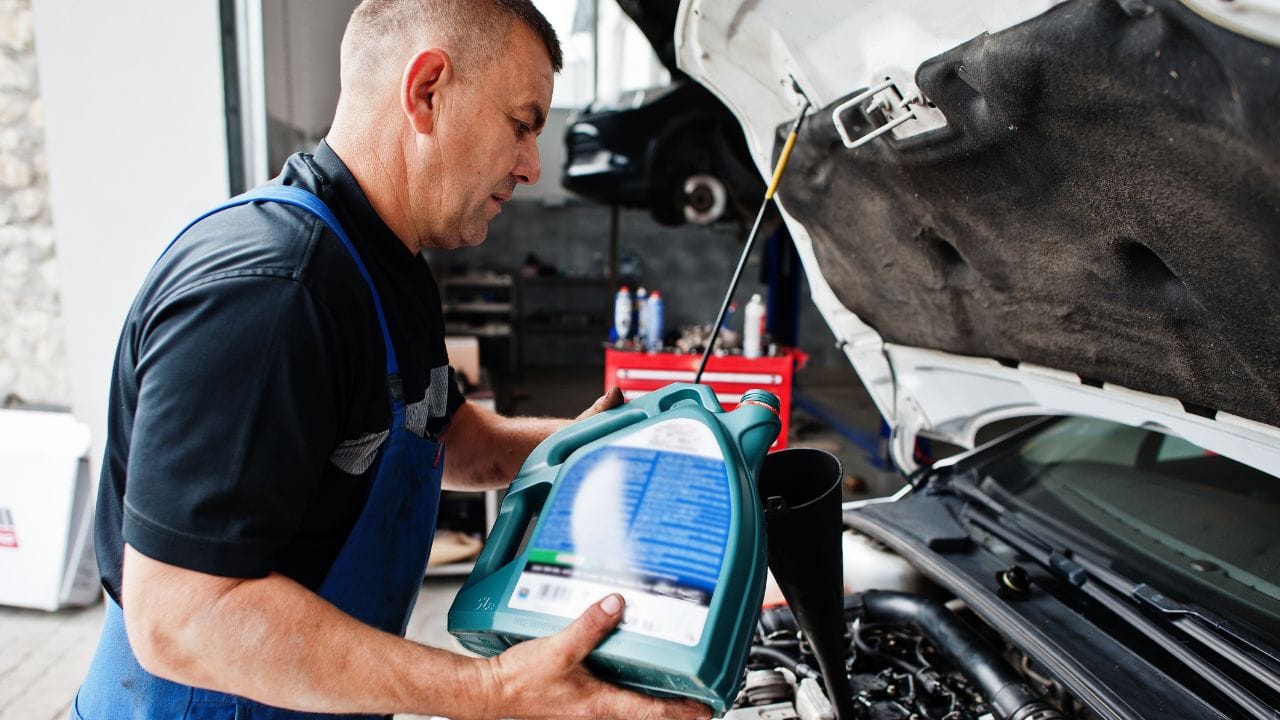
Shops love to sell transmission, power steering, or coolant flushes long before you need them. While these fluids do wear out, most cars can go tens of thousands of miles between services.
They'll often show you "dirty" fluid as proof, but that's normal discoloration-not an emergency. Always check your owner's manual before agreeing to a flush. Chances are, your car isn't due yet.
Getting charged for "shop supplies"
Ever noticed a mysterious fee at the bottom of your invoice labeled "shop supplies"? It's a vague charge meant to cover things like rags, oil disposal, or cleaner-but it's often inflated.
Some shops add up to 10% of your bill as "supplies." That's excessive. Ask them to itemize what the fee includes. A few dollars is fair-anything more is padding their profits.
Replacing parts that could've been repaired
If a shop immediately recommends replacing expensive components like alternators or starters, get a second opinion. Many parts can be rebuilt or repaired for far less.
Some mechanics automatically choose full replacement because it's faster and more profitable. A quick online search for the average repair cost can help you spot when you're being upsold.
Replacing air filters too often
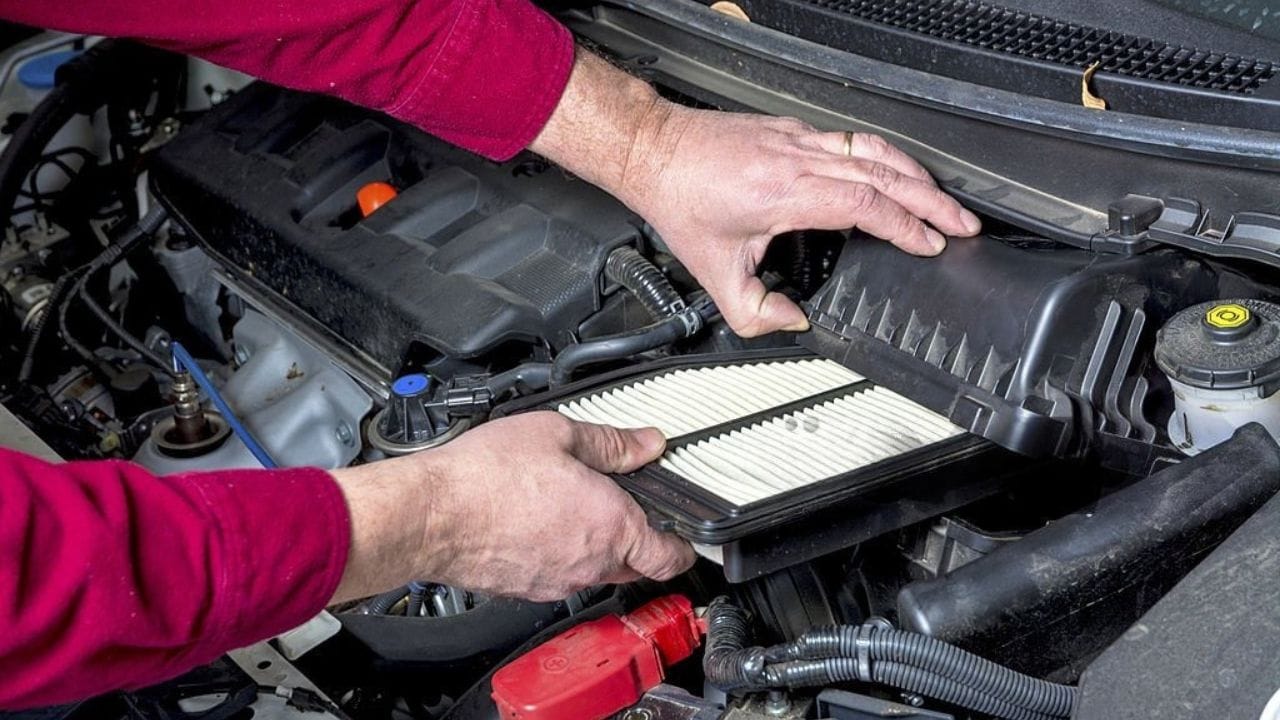
Air filters are a favorite upsell. While they do need replacement, most last 15,000 to 30,000 miles. Many shops try to sell new ones at every oil change.
They'll often show you a dirty-looking filter to justify it-but some dust is normal. If it's not visibly clogged or causing performance issues, it can usually wait.
Overcharging for diagnostic tests
Diagnostic fees are normal, but they shouldn't cost $200 for someone to plug in a scanner and read a code. Many auto parts stores offer the same scan for free.
You're paying for expertise, not the device itself. If they charge a diagnostic fee, ask whether it'll be applied to the repair cost-some shops will waive it if you move forward with the work.
Adding services that weren't requested
Some shops quietly tack on extras-like topping off fluids, replacing wiper blades, or adding fuel cleaner-without asking first. Those small add-ons inflate your bill quickly.
Always review your estimate before signing, and compare it to the final invoice line by line. If something wasn't approved, you have the right to refuse the charge. The best mechanics won't sneak in surprises-they'll explain them first.
Selling you unnecessary oil changes
Old advice said to change oil every 3,000 miles, but most modern engines can go 5,000 to 7,500-or even longer with synthetic oil. Some shops still push the outdated schedule to bring in repeat business.
Check your owner's manual or oil life monitor instead of relying on the sticker on your windshield. If they're pressuring you to change oil too often, they're cashing in on habit, not necessity.
Charging full price for "book hours"

Mechanics use labor guides that estimate how long repairs should take. The problem is, experienced techs often finish the job faster-but you still get billed for the full "book time."
You're not paying for time; you're paying for the skill. Still, it's fair to ask how they calculate labor costs and whether those rates match the average in your area.
Charging for premium parts you didn't get
Some shops claim they're using high-end or OEM parts, but install cheaper aftermarket versions instead. You'd never know unless you check.
Always ask to see the old part and confirm the replacement's brand and part number. Honest mechanics won't hesitate to show you-they'll even explain the difference.
Selling unnecessary brake work
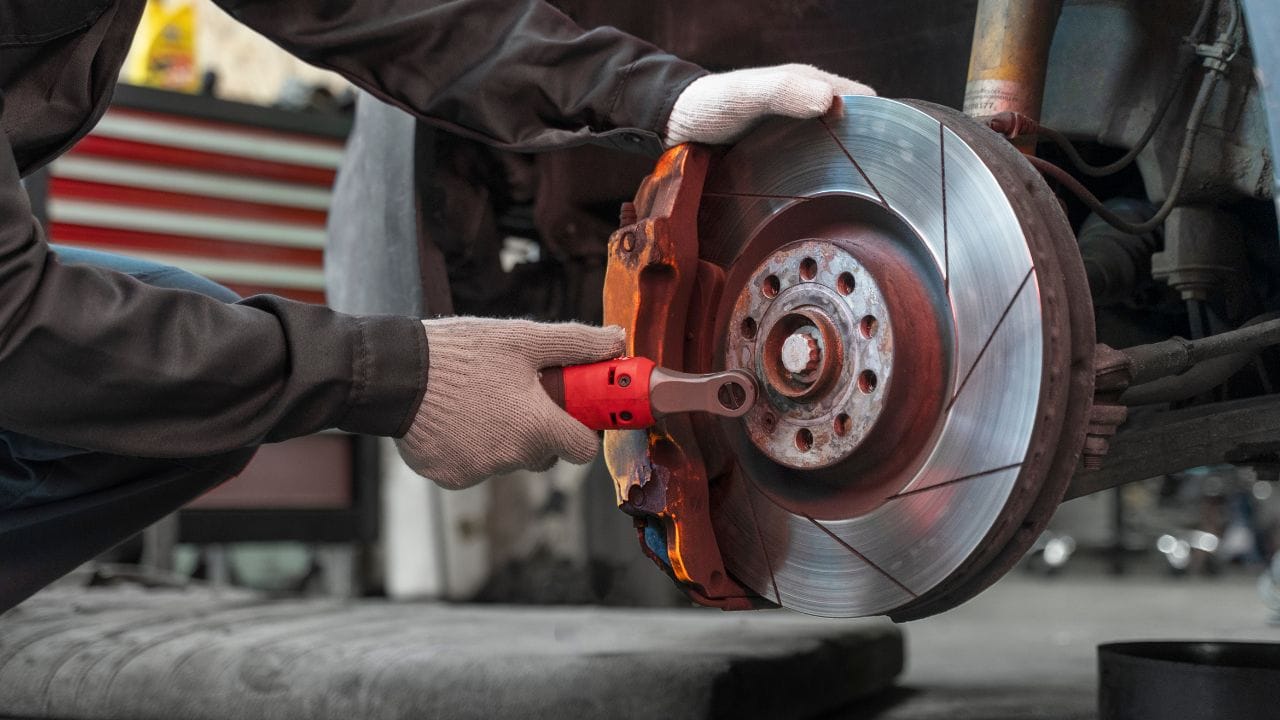
Brakes are a safety issue, which makes them easy to upsell. Some shops exaggerate wear or claim parts are unsafe when they're still within normal range.
If you're told your brakes "need immediate replacement," ask for the pad thickness in millimeters. Anything above 4mm usually has life left. Getting a second opinion can save you hundreds.
*This article was developed with AI-powered tools and has been carefully reviewed by our editors.






Leave a Reply