
It's easy to treat your car like a rolling storage bin, especially when life gets busy. But leaving certain things inside-especially in the heat or cold-can quietly damage your car, your stuff, or both. From leaky batteries to warped plastics, the long-term effects can hit your wallet faster than you think.
A few small clean-outs each week can save you from premature wear, wasted gas, and expensive repairs down the road.
Bottled water
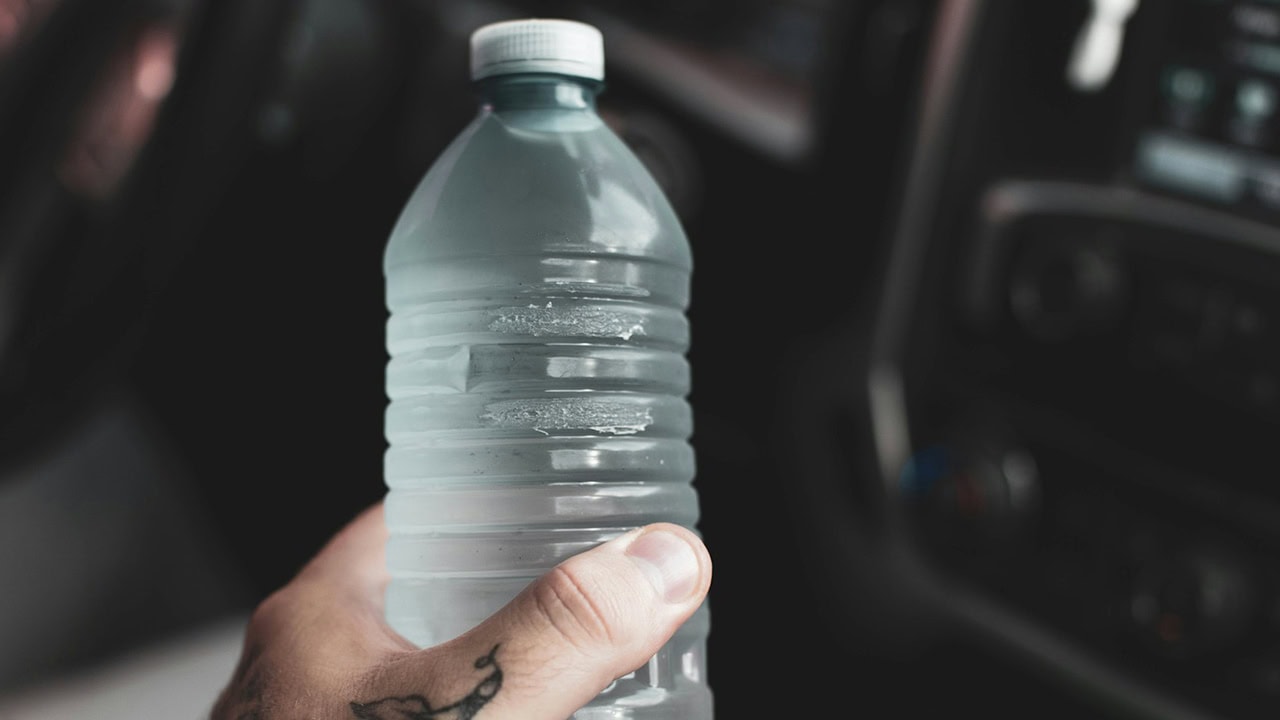
Leaving bottled water in a hot car might seem harmless, but plastic breaks down under heat and sunlight. That can cause chemicals like BPA or antimony to leach into the water, making it unsafe to drink. On top of that, bottles can expand, leak, or burst in extreme heat, leading to mold or stains in your car. If you want to stay hydrated, grab a reusable stainless-steel bottle instead.
Electronics and charging cables
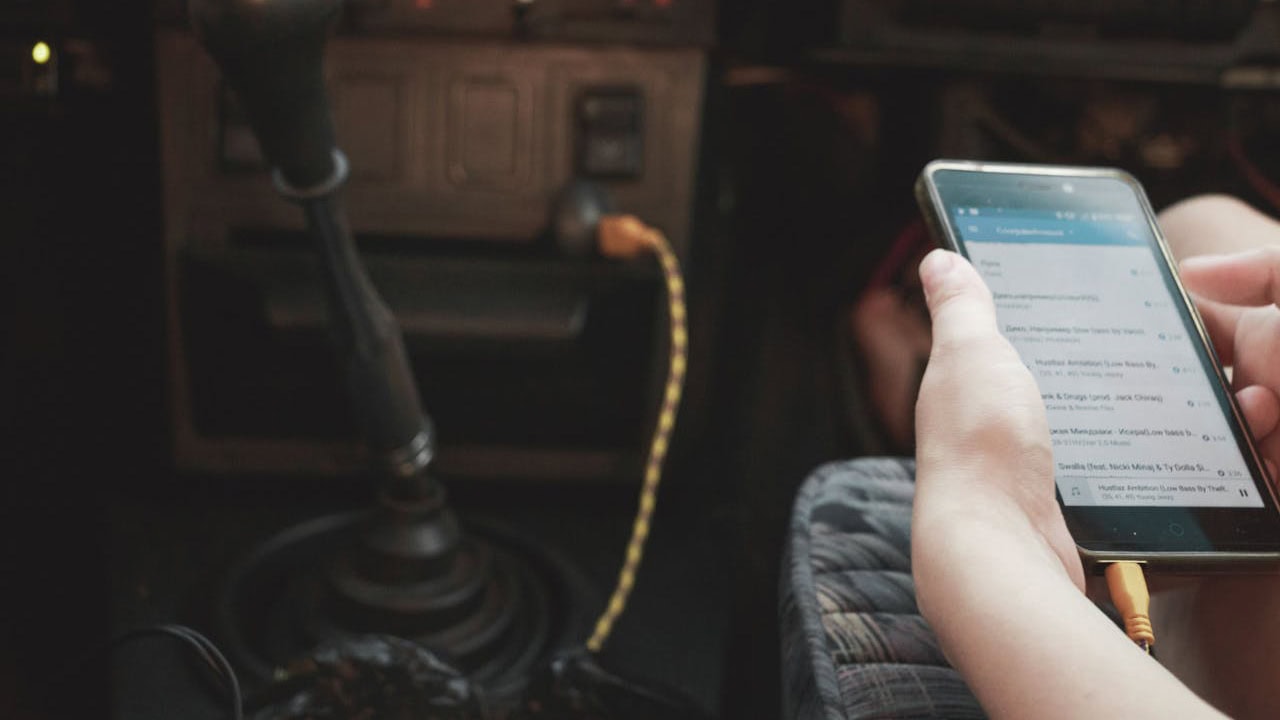
Phones, tablets, and cables left inside a hot or freezing car can lose battery life fast. Lithium-ion batteries degrade when exposed to temperature extremes, and cords can dry out or crack. Even worse, a forgotten device can attract thieves. Keeping your gear with you helps it last longer-and saves you the headache of replacing something that cooked or froze in your cup holder.
Loose change and cash
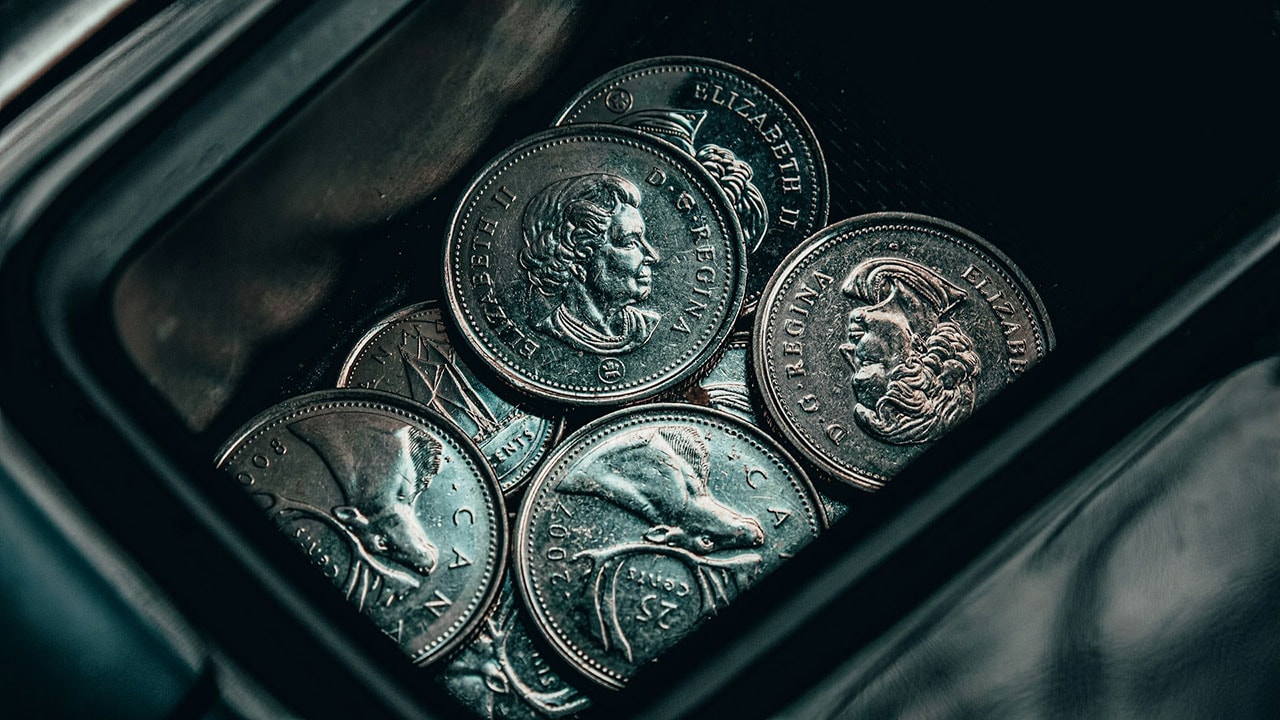
It might not seem like much, but coins and bills left in the open can draw unwanted attention. Thieves often look for easy grab-and-go items, and even a few dollars can be enough reason for a smashed window. Beyond that, coins can slip into seat tracks or vents, causing annoying rattles or jams. Keep a small zip pouch in your bag for parking change instead.
Food or drinks
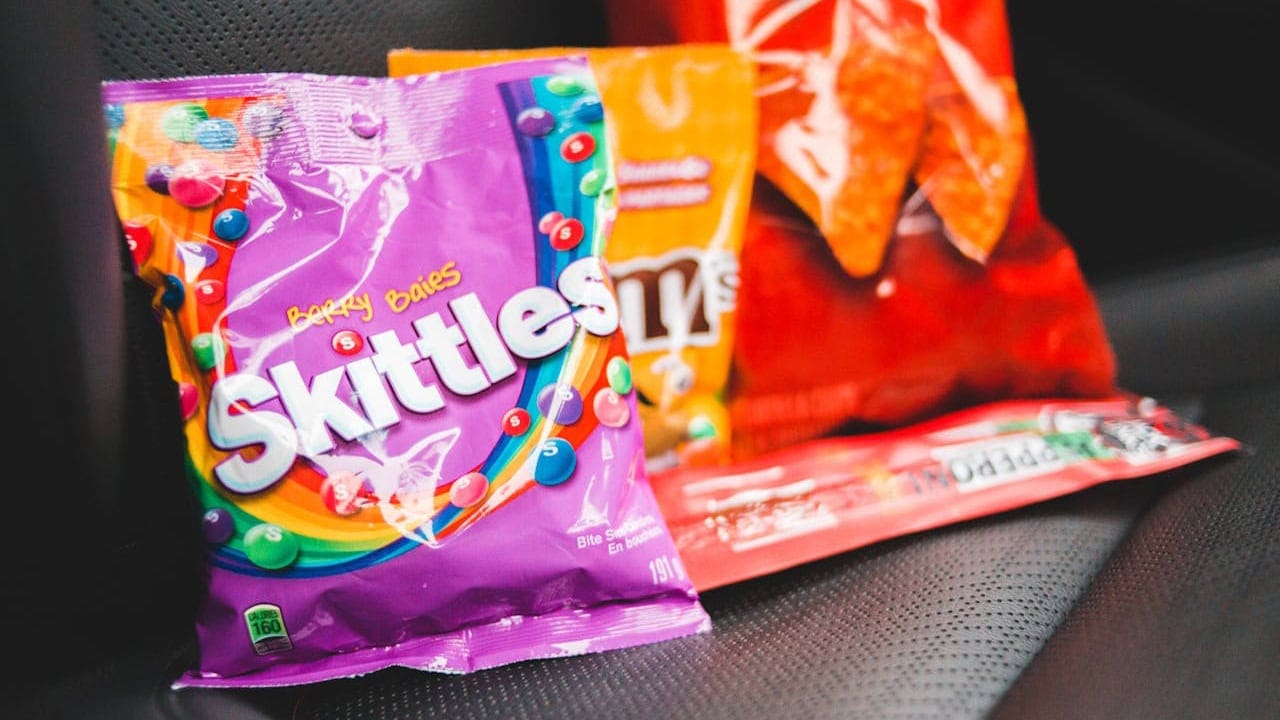
Even a small snack wrapper or half-empty cup can stink up your car faster than you think. Heat amplifies smells, and spills can attract bugs or rodents. Drinks with sugar-like coffee or soda-can leave sticky residue that damages cup holders and upholstery. A quick wipe-down and emptying food trash daily keeps your car cleaner and saves you from a lingering odor that's hard to remove.
Makeup or sunscreen
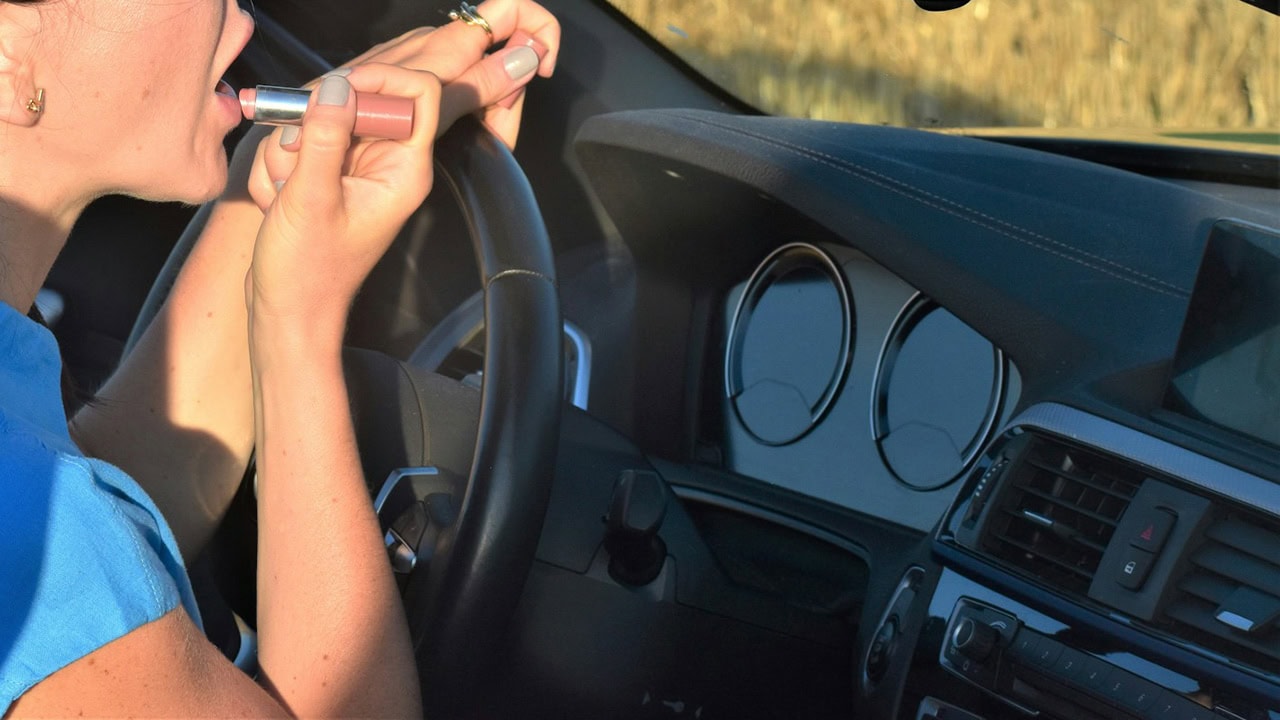
These melt and separate easily in the heat, ruining their texture and effectiveness. In the cold, they can freeze and separate once thawed, making them unusable. Aerosol sprays, in particular, can explode in high temperatures, damaging your car interior. Store personal care items in a small bag you bring inside instead of letting them cook in the glove box.
Important paperwork

Registration papers, checks, and other documents might seem fine tucked in the console, but they're a security risk. If your car gets broken into, that paperwork gives thieves access to personal information. It's safer to keep originals in a home file and only carry copies if needed. If you must keep registration or insurance in your car, store them in a labeled envelope out of sight.
Reusable grocery bags
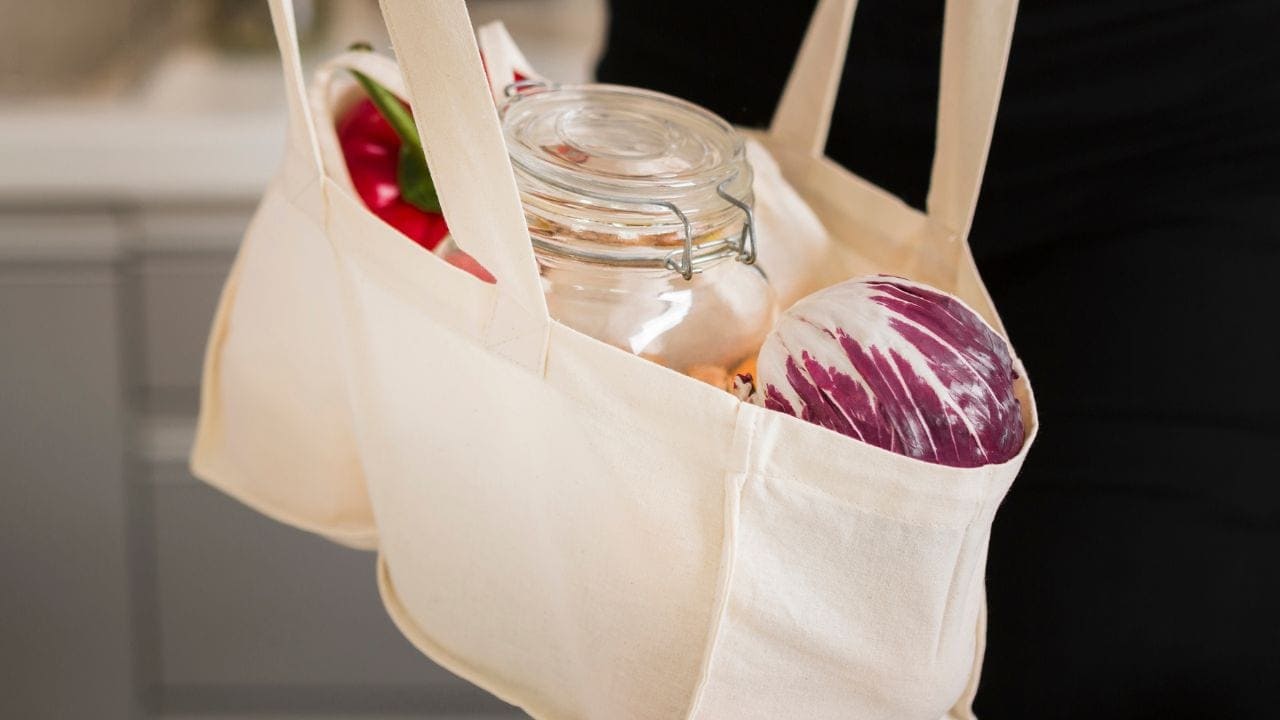
Reusable bags left in the car can quickly become a bacteria hotspot, especially after carrying meat or produce. The heat and humidity inside your vehicle turn them into the perfect breeding ground for germs. Wash or wipe them out regularly, and bring them inside after unloading groceries. Keeping a clean set ready to grab on your next trip is much better than replacing smelly, stained ones later.
Spare clothes or shoes

Tossing an extra hoodie or pair of sneakers in the back seat seems convenient until they trap moisture or mildew. Fabric items can hold onto dampness, creating musty odors and even mold growth. Plus, shoes can warp or crack in extreme heat. If you like keeping spares for emergencies, store them in a sealed bag or small bin to protect them.
Car cleaning supplies
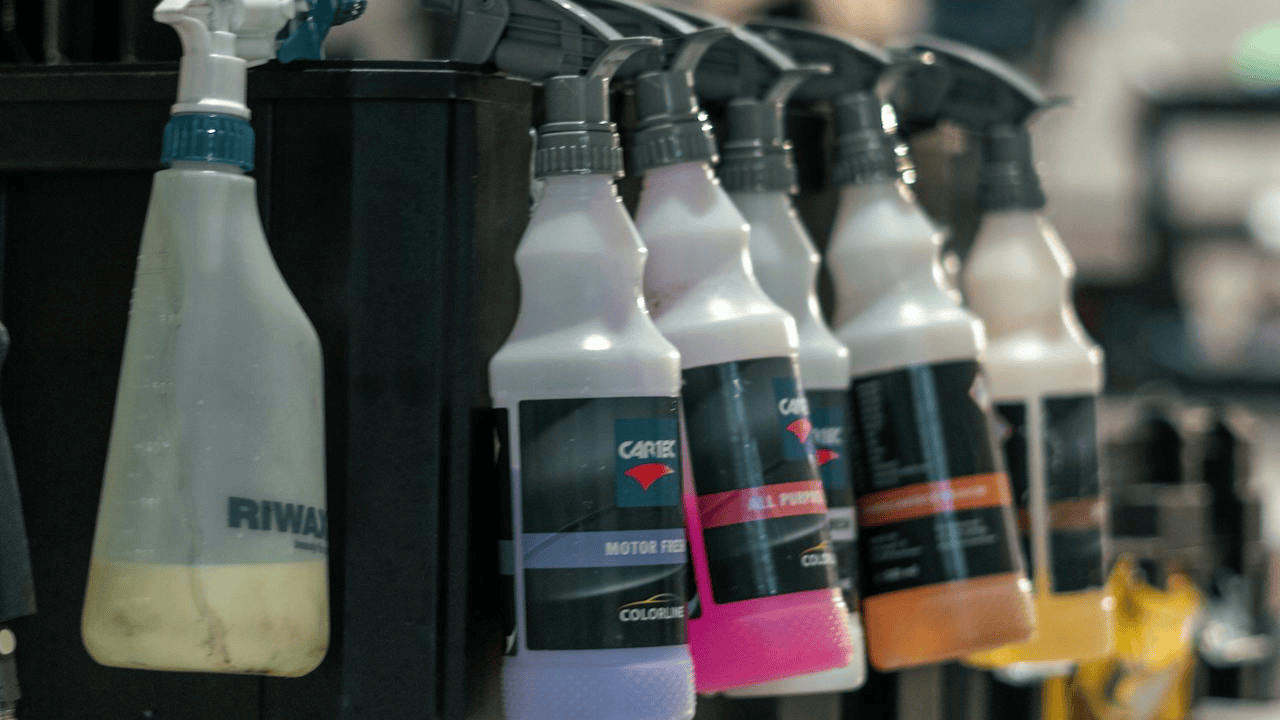
That bottle of cleaner or air freshener rolling around in your trunk might be leaking fumes. Many cleaning products expand in heat and can warp or burst. Some even release flammable vapors, which is dangerous in enclosed spaces. Stick to small travel-sized bottles and remove them when temperatures spike. Keeping them in the garage is a safer bet.
Umbrellas
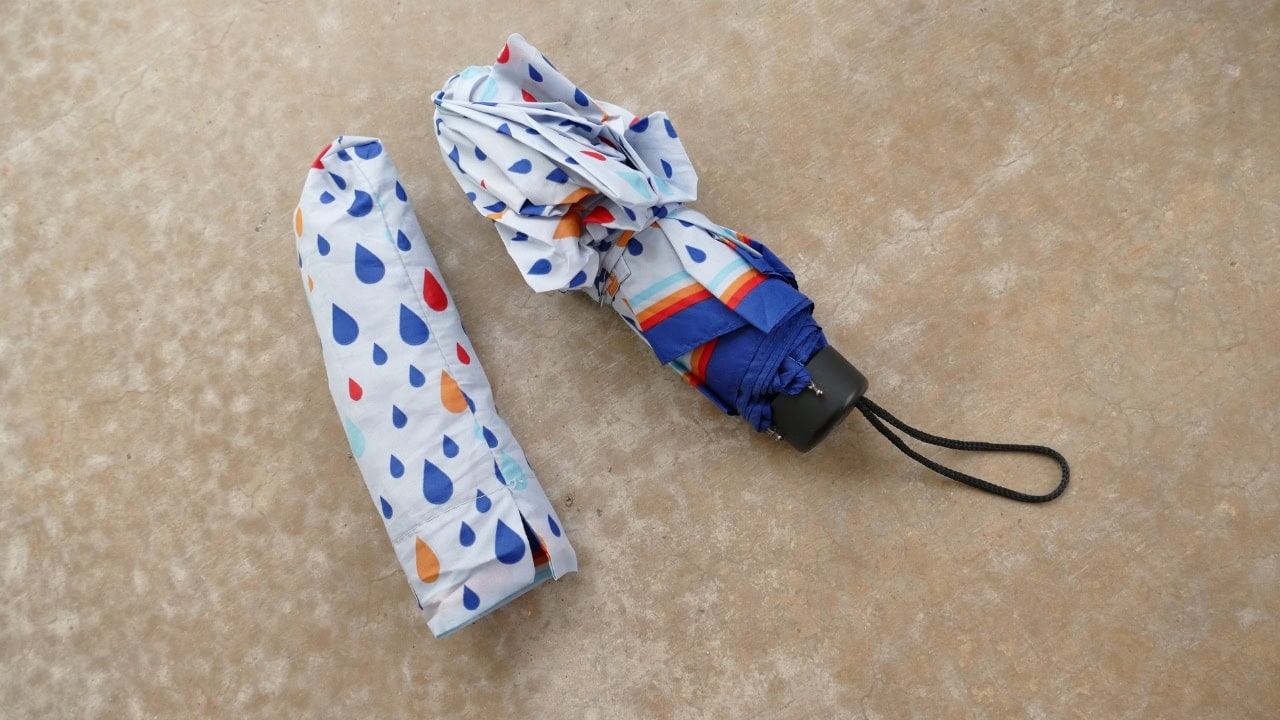
A wet umbrella tossed in the back seat might not seem like a big deal, but moisture can seep into upholstery and lead to mold or musty smells. If you often keep one in your car, shake it out and let it dry fully before storing it. Better yet, get a compact one with a sleeve so you can stash it neatly without leaving a damp mess behind.
*This article was developed with AI-powered tools and has been carefully reviewed by our editors.






Leave a Reply