
10 things you’re keeping that are actually wasting you money
Some things in your house might seem harmless to keep around, but they're actually draining money without you realizing it. Expired products, clutter that causes replacements, or items you never use end up costing more in the long run.
When you pay attention to what you're holding onto, you'll notice how quickly those "extras" add up. Here are 10 common items that might be eating into your budget without giving you anything back.
Expired Pantry Items
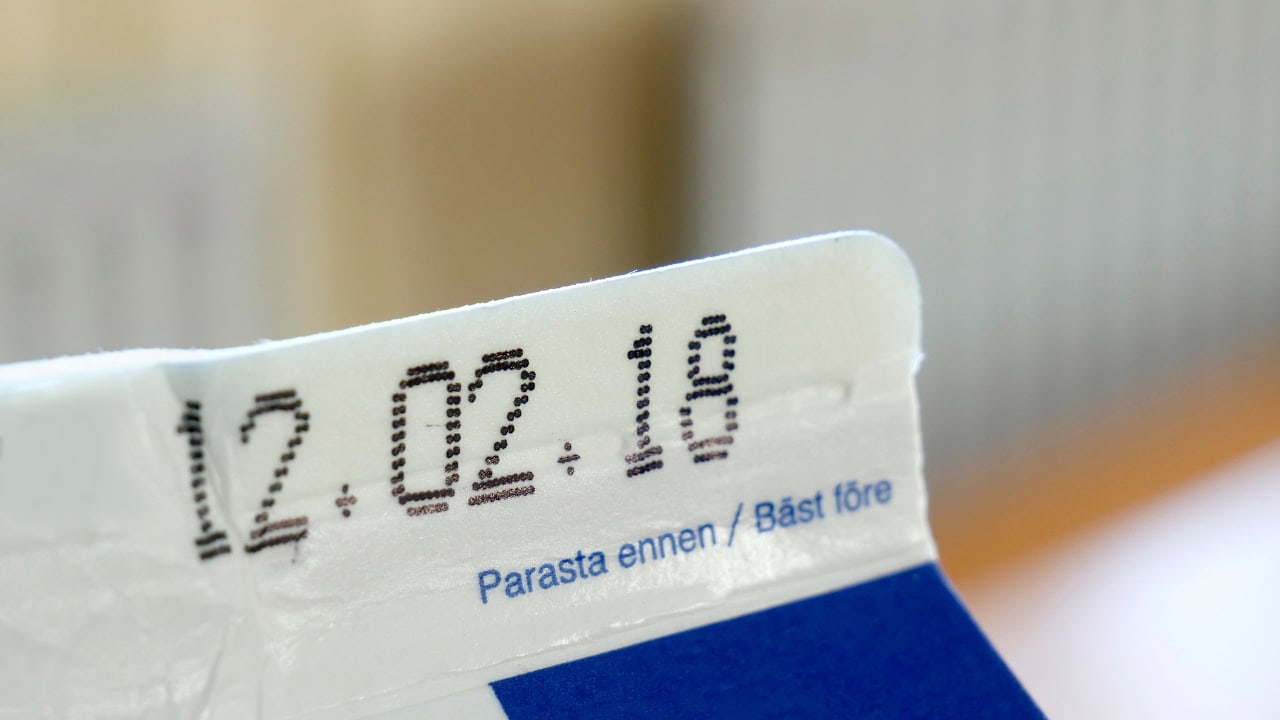
Cans, pasta, and snacks sitting in the back of your pantry might feel like a safety net, but expired food means wasted money. Even shelf-stable items lose quality or become unsafe if they've been there too long.
When you replace expired food, you're paying for it twice-once when you bought it and again when you throw it out. Rotating your pantry and buying in smaller quantities saves you from that hidden expense.
Clothes You Don't Wear

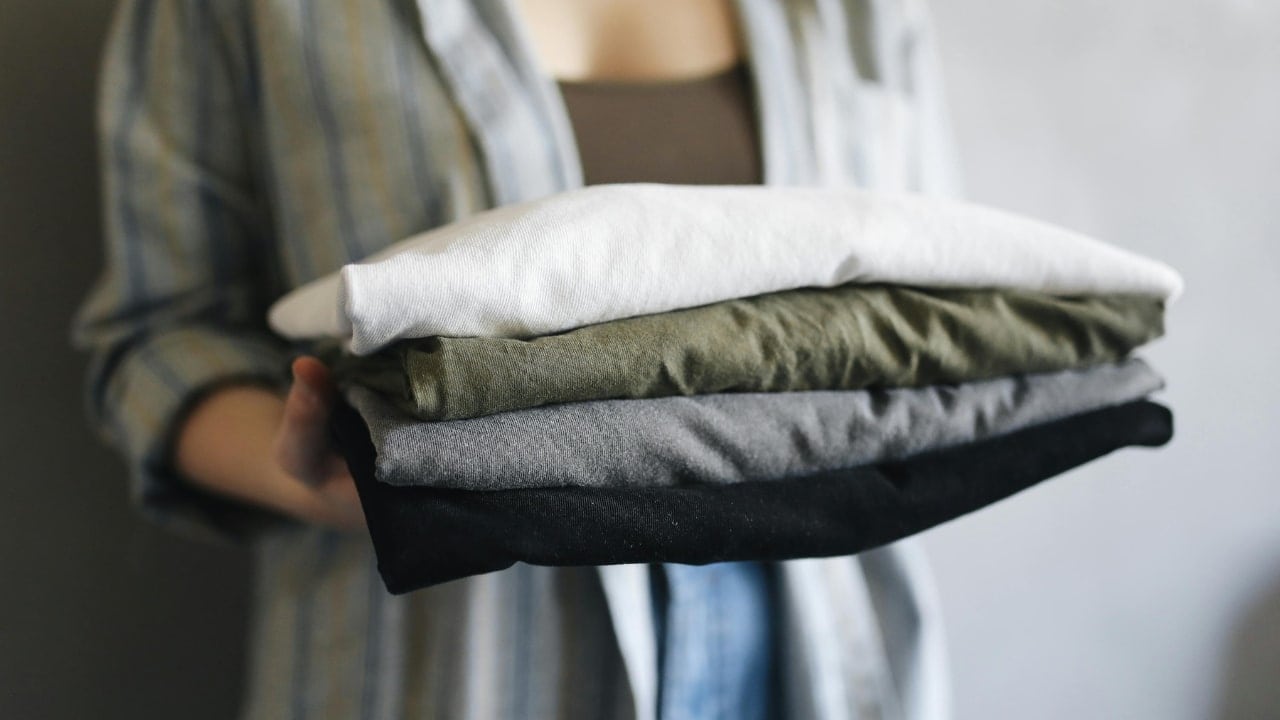
Holding onto clothes you never reach for doesn't cost you up front, but it takes up space and tricks you into thinking you don't need basics you'll actually wear. That often leads to more shopping.
Instead of crowding your closet with things you don't use, clear them out. You'll find you don't feel the urge to buy duplicates because you can actually see what's missing.
Skincare and Makeup Past Expiration
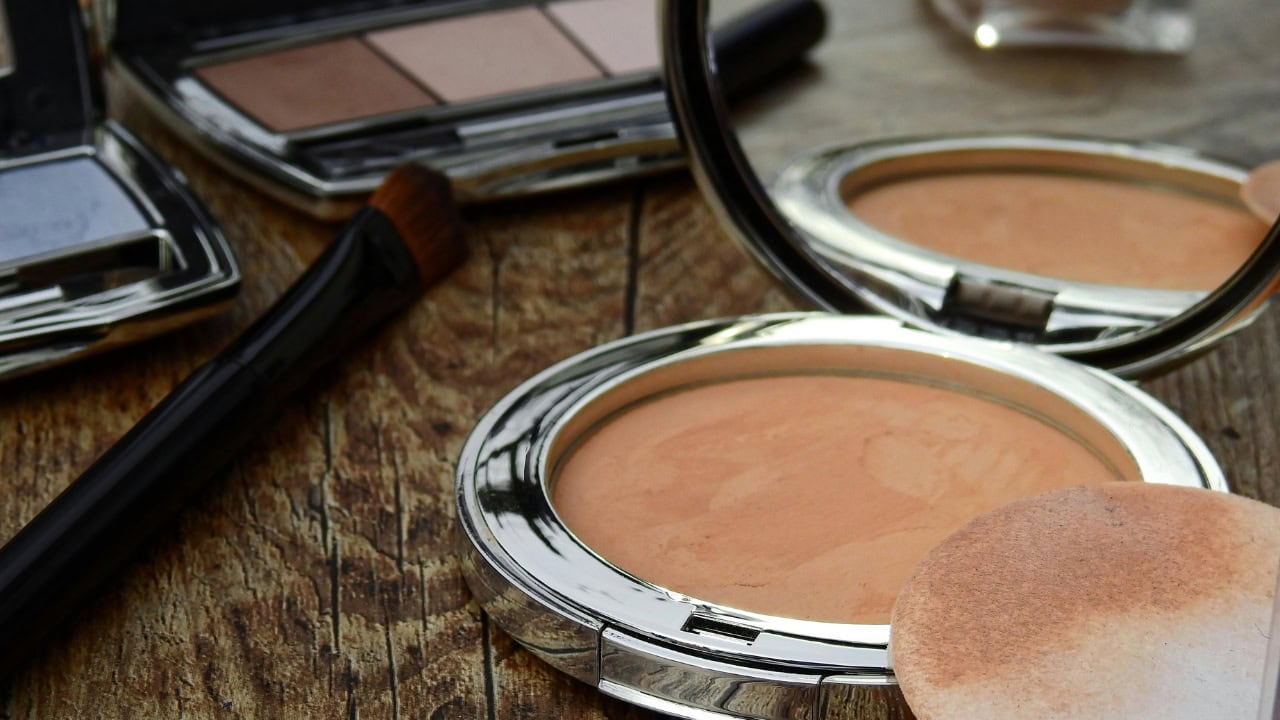
Old bottles of lotion, foundation, or mascara sitting in a drawer are more than clutter-they're wasted money. Once products expire, they lose effectiveness or can even cause irritation.
By keeping fewer products and using them up before replacing, you avoid tossing out half-used items. That keeps more money in your pocket and your bathroom drawers from overflowing.
Cheap Furniture That Doesn't Last
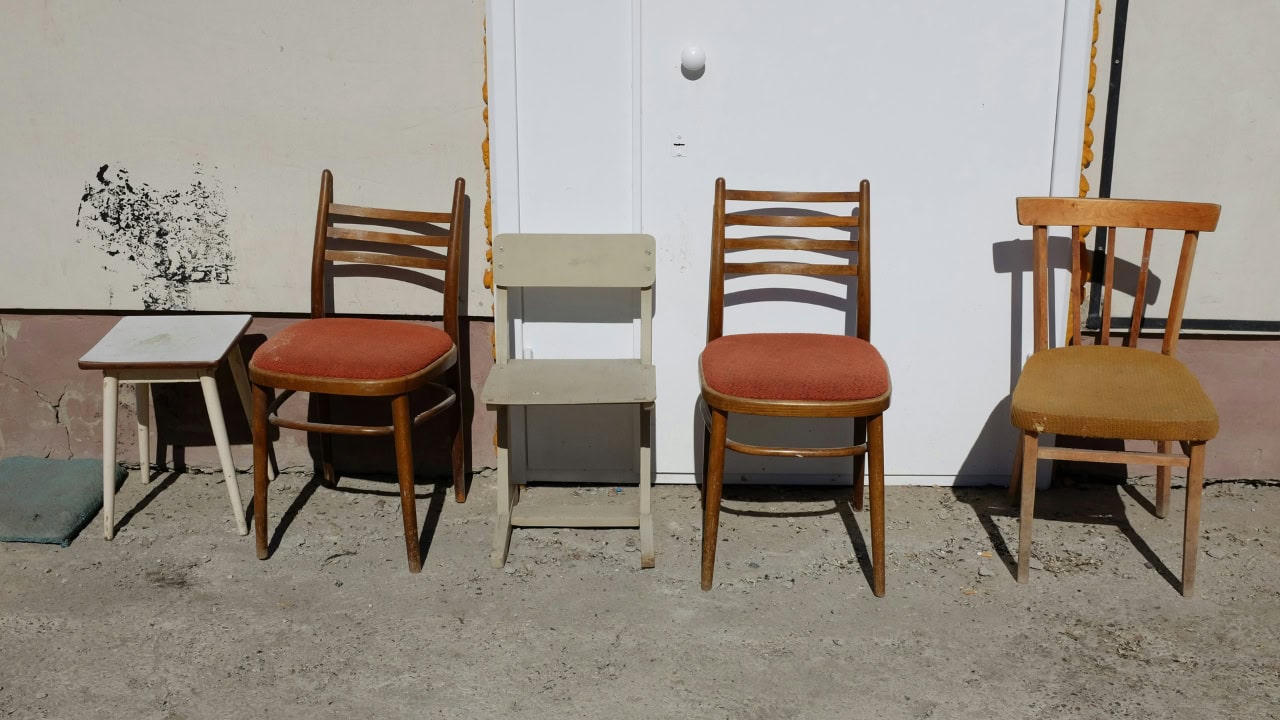
Furniture that wobbles, peels, or falls apart costs you more than it saves. If you're holding onto a piece that isn't sturdy, you'll likely end up replacing it sooner than you think.
Investing in fewer, more durable pieces pays off long-term. Letting go of things that constantly break keeps you from spending over and over again.
Excess Towels and Linens
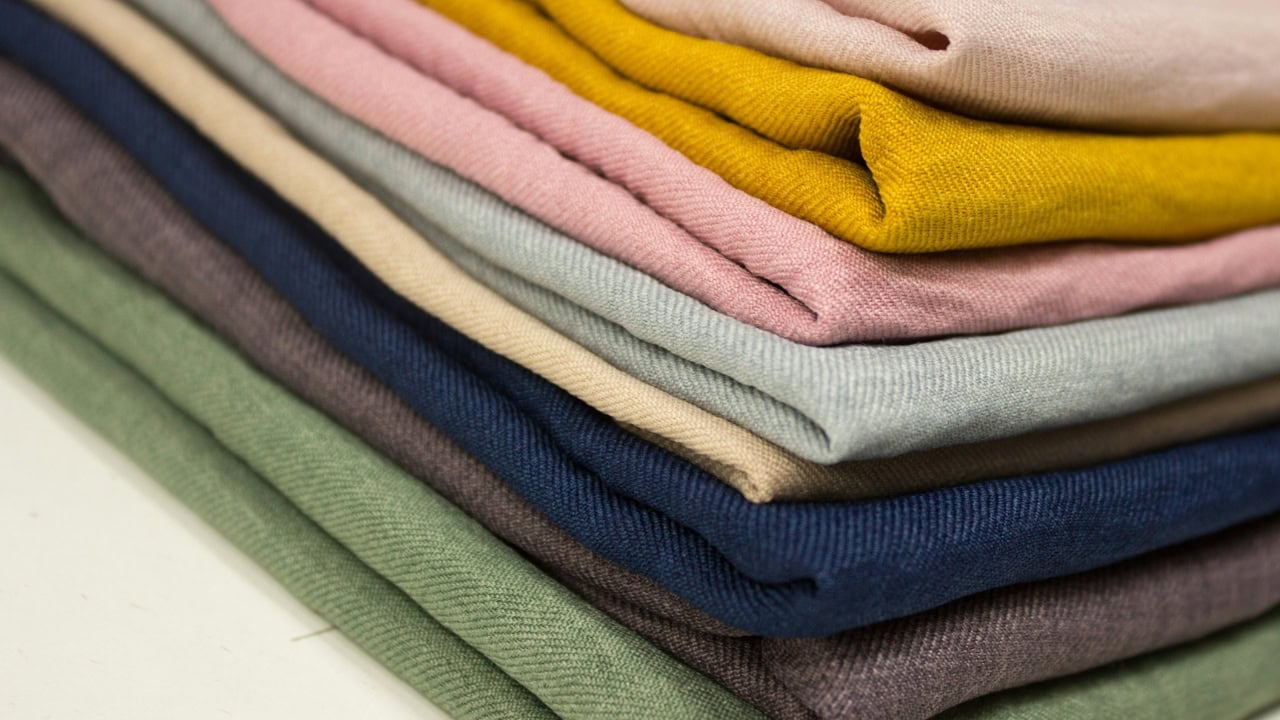
It feels practical to have a big stack of towels and sheets, but when you keep too many, they wear unevenly. That means some fall apart while others sit unused, and you wind up replacing sets more often.
A smaller, rotating collection gets better use and lasts longer. You'll save money by avoiding the cycle of tossing and rebuying extras you didn't really need.
Old Electronics
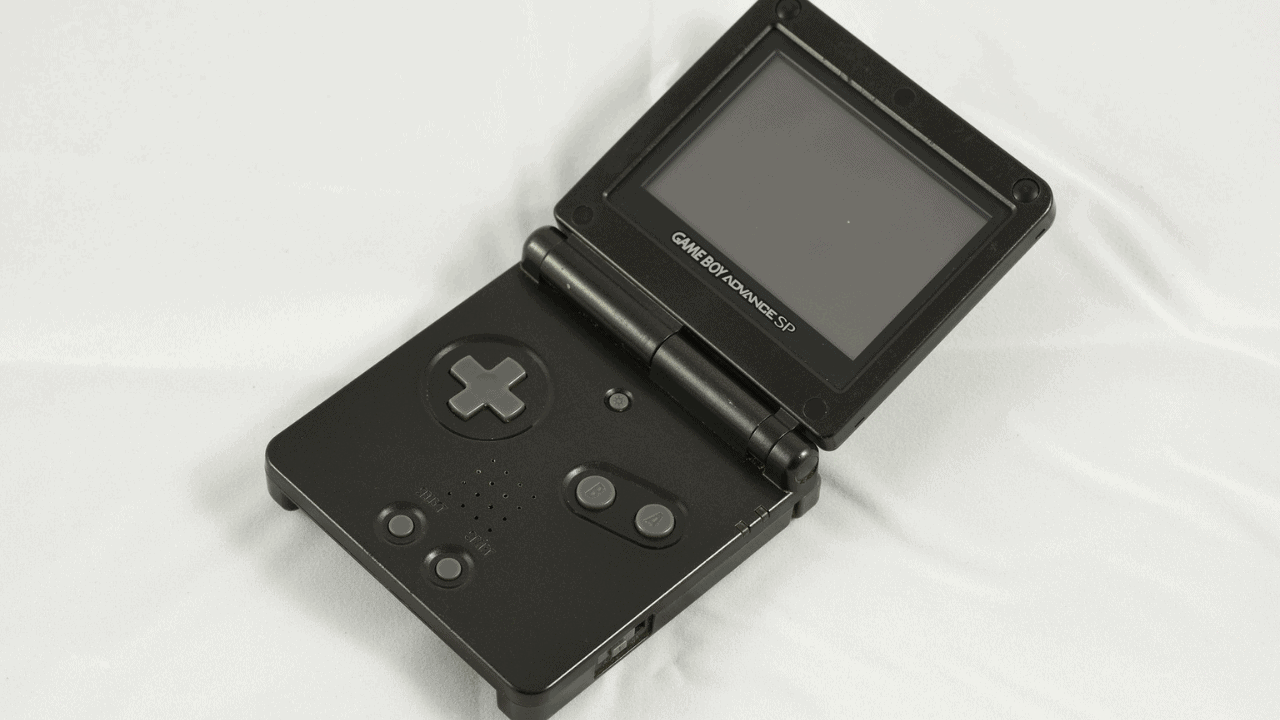
Outdated gadgets, extra chargers, and broken devices pile up fast. They don't add value, and often, you still end up buying replacements when something actually breaks.
Selling, recycling, or donating unused electronics clears space and may even bring in a little cash. More importantly, it stops you from holding onto clutter that makes you forget what still works.
Storage Containers Without Lids
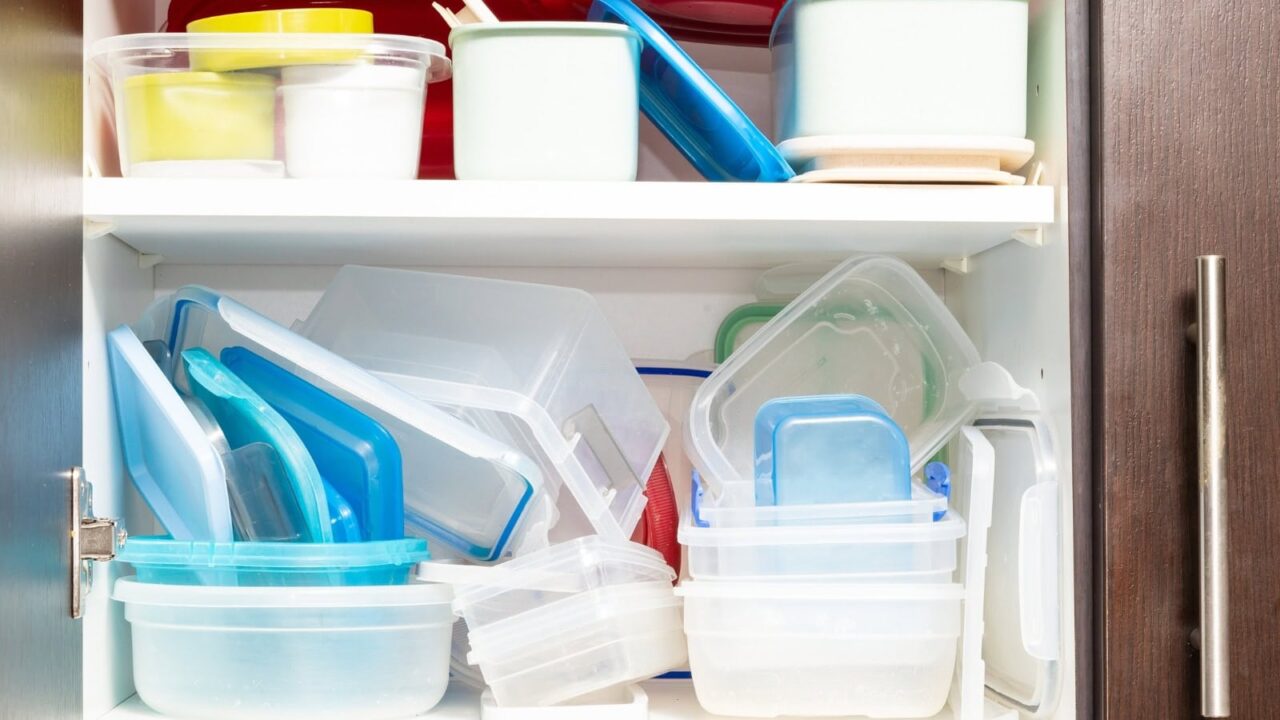
That cabinet full of mismatched plastic containers might look like you're prepared, but without lids, most of them are useless. You'll eventually buy new sets, while the old ones still take up space.
Clearing them out and keeping only what you actually use prevents that replacement cycle. A smaller, matched set lasts longer and saves you money on constant rebuys.
Specialty Kitchen Gadgets
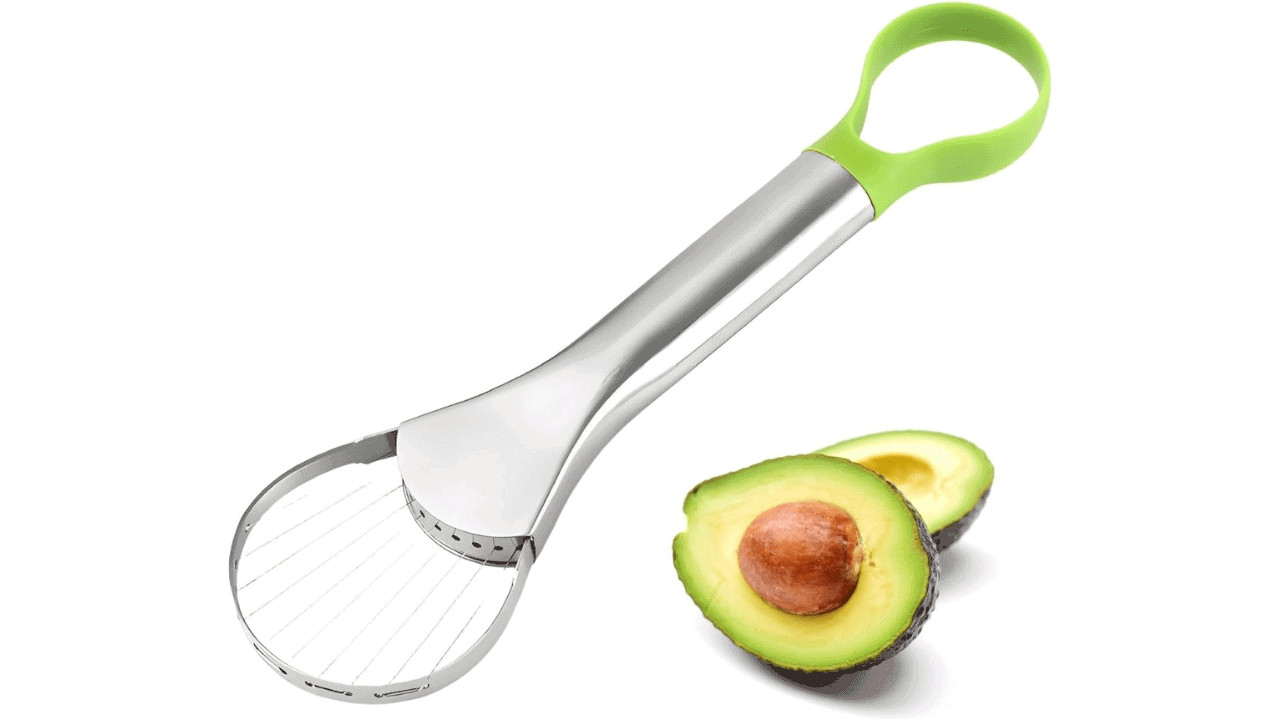
That avocado slicer or single-purpose appliance you never use isn't doing you any favors. They not only take up space but also make you more likely to buy replacements for things you already had.
Sticking to versatile tools keeps your kitchen functional without the waste. Selling or donating unused gadgets can even help offset the cost of what you'll actually use.
Candles You Never Burn
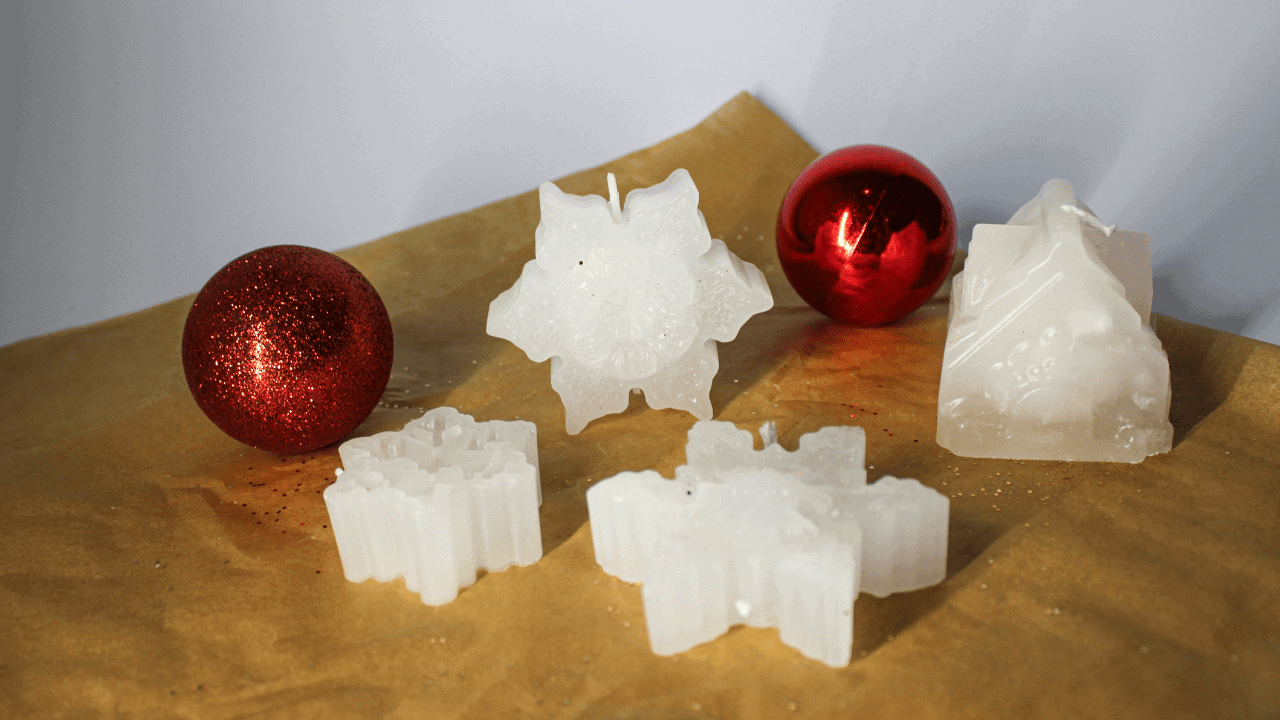
Stockpiled candles seem like a good deal until the scents fade and the wax gets brittle. At that point, you've paid for something that doesn't give you the experience you wanted.
Keeping fewer candles on hand ensures you use them while they're fresh. That habit saves you from tossing stale ones and buying more before you ever got your money's worth.
Duplicates of Everyday Items
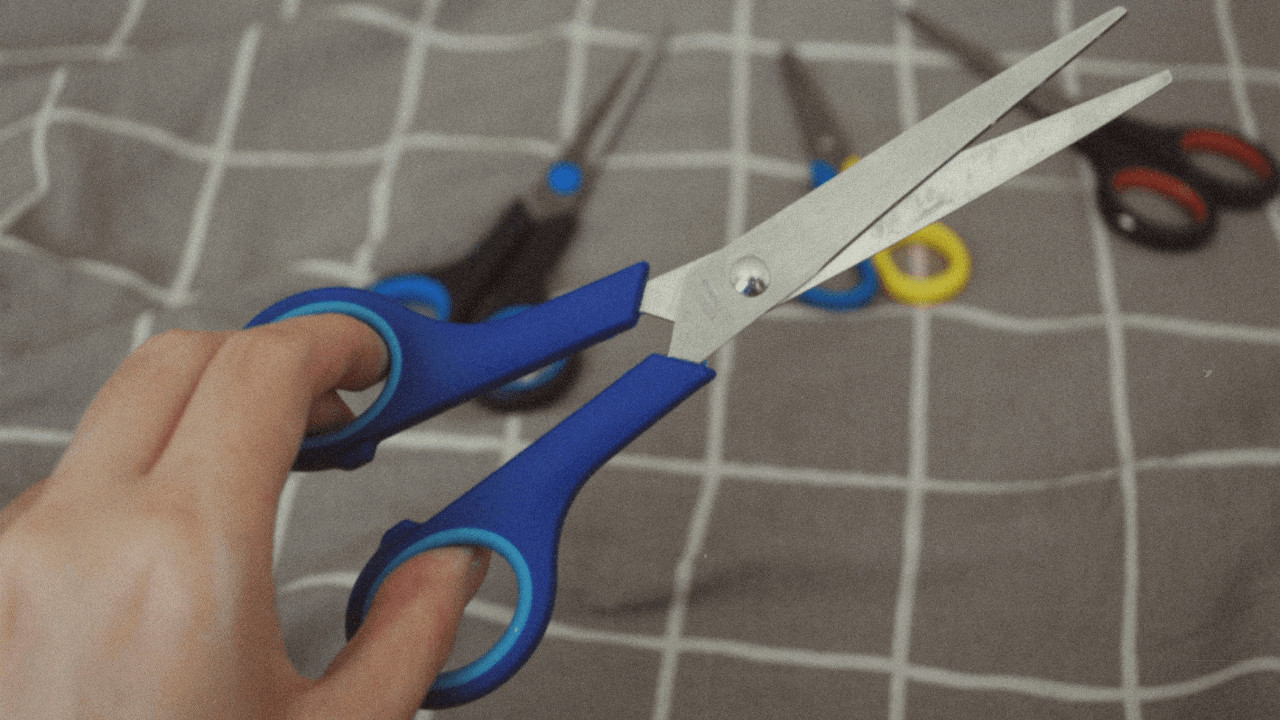
Extra scissors, five phone chargers, or a pile of laundry baskets-these duplicates sneak into your home and drain money slowly. You only need so many, and beyond that, they clutter up your space.
By keeping track of what you already own, you avoid rebuying replacements unnecessarily. A little organization saves you from spending money on things you already had but couldn't find.
*This article was developed with AI-powered tools and has been carefully reviewed by our editors.




Leave a Reply