
10 things you're hoarding that drain $200 from your wallet
Hoarding everyday items seems harmless until you realize you're actually wasting money. When you stockpile more than you'll ever use, things expire, go bad, or get lost in the clutter. That means you end up replacing them anyway, and the cycle keeps repeating.
By quitting certain hoarding habits, you not only free up space but also avoid spending money on replacements you didn't need in the first place. Here are ten things that can save you around $200 a year if you stop hoarding them.
Cleaning Supplies
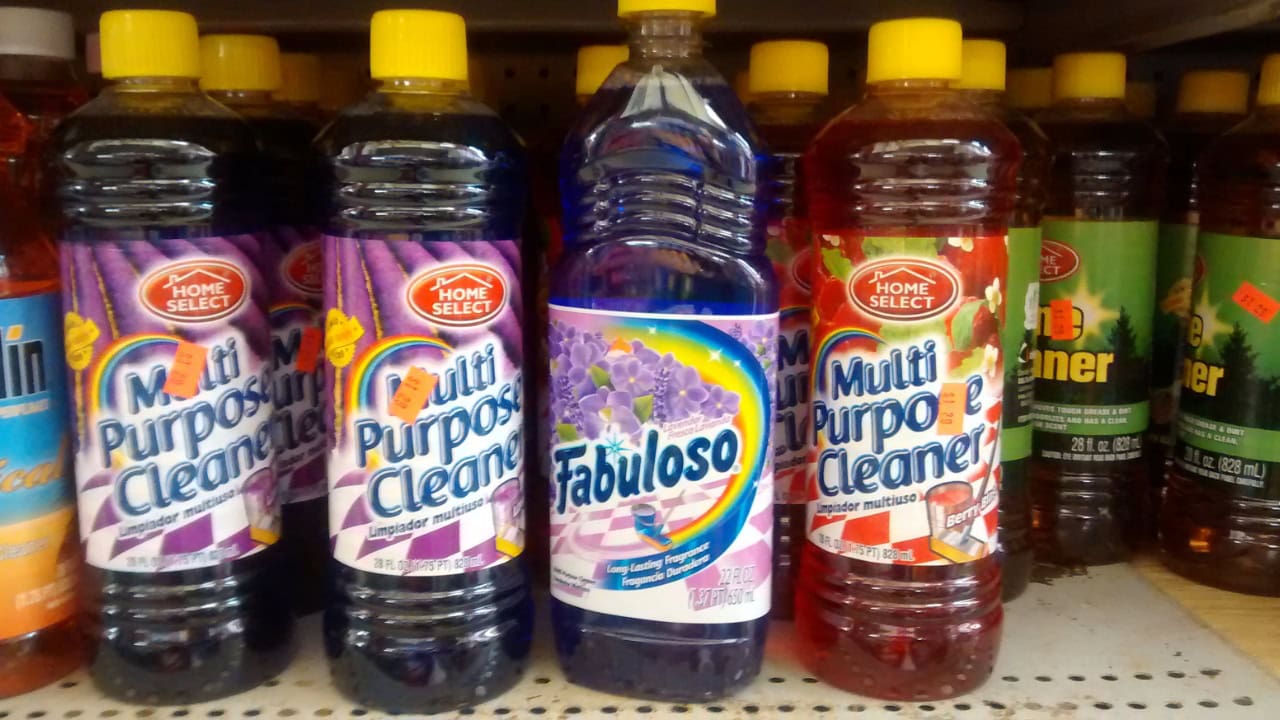
Buying cleaning sprays or multipurpose cleaners in bulk sounds smart, but most of them lose effectiveness if they sit too long. Instead of hoarding, keep one or two on hand and actually finish them before replacing.
You'll find that you're not only saving space under your sink but also preventing wasted money on bottles that end up half-used and expired. This small change can easily cut down replacement costs every year.
Spices
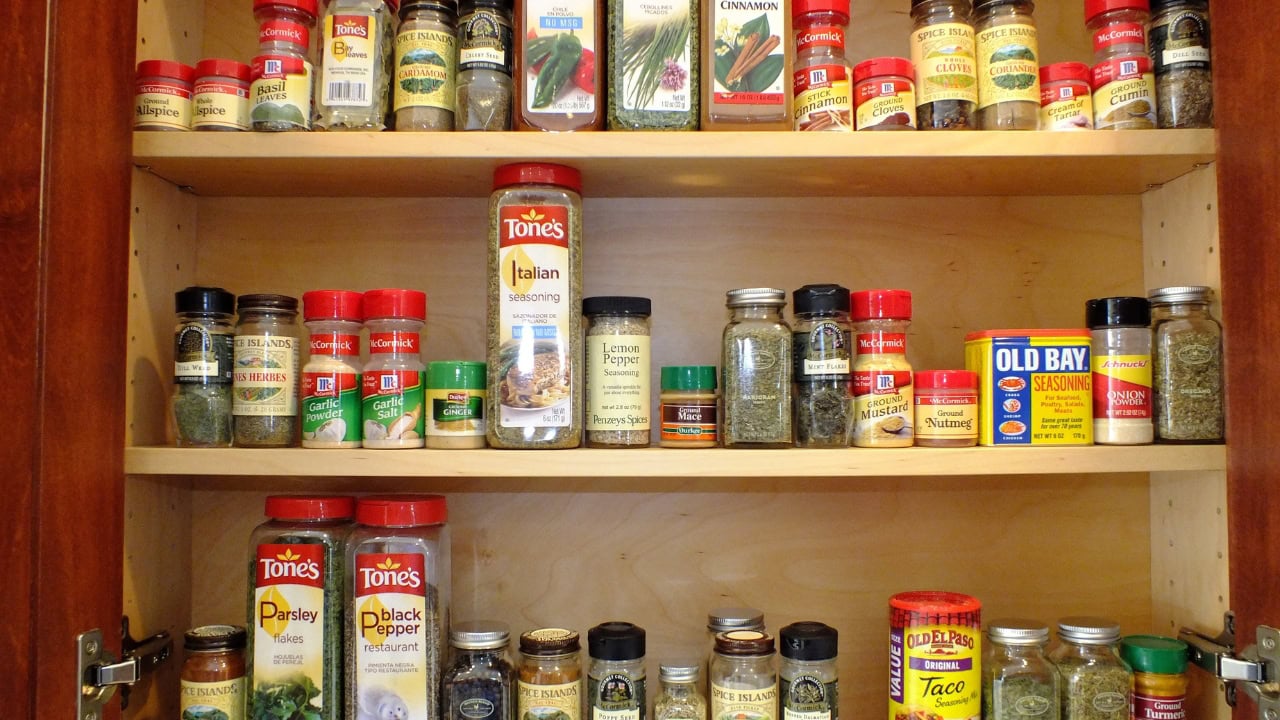
Spices lose flavor over time, and those tiny jars aren't cheap. Hoarding them means you're stuck with a cabinet full of dull seasonings that don't actually do much for your cooking.
If you stick to a core set you use regularly, you'll cut back on waste and avoid having to rebuy them when they lose potency. This adds up fast, especially since specialty spices can run several dollars each.
Skincare Products
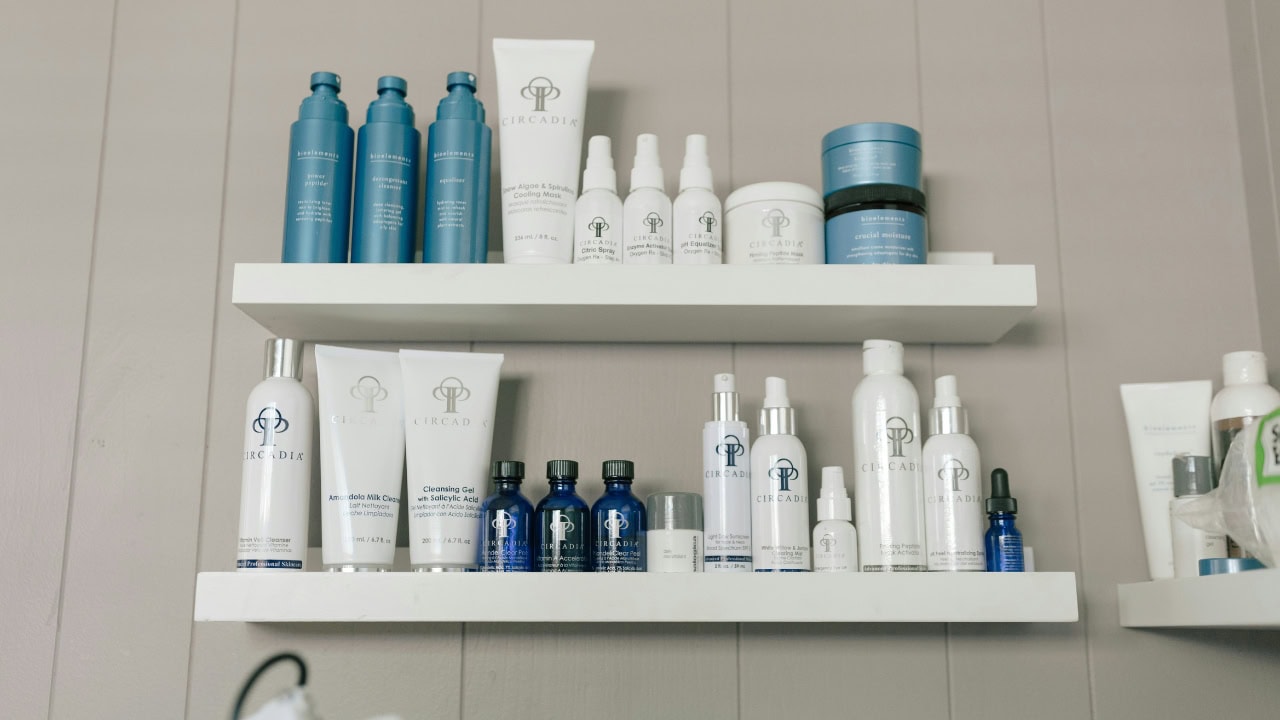
When you hoard skincare, most of it expires before you ever finish the bottle. Lotions, creams, and serums go bad surprisingly quickly, and once they do, they aren't safe or effective.
By buying what you'll actually use, you save money and avoid tossing out half-used products. Sticking to fewer staples helps you get through them on time and keeps your bathroom drawers from overflowing.
Stationery and Office Supplies
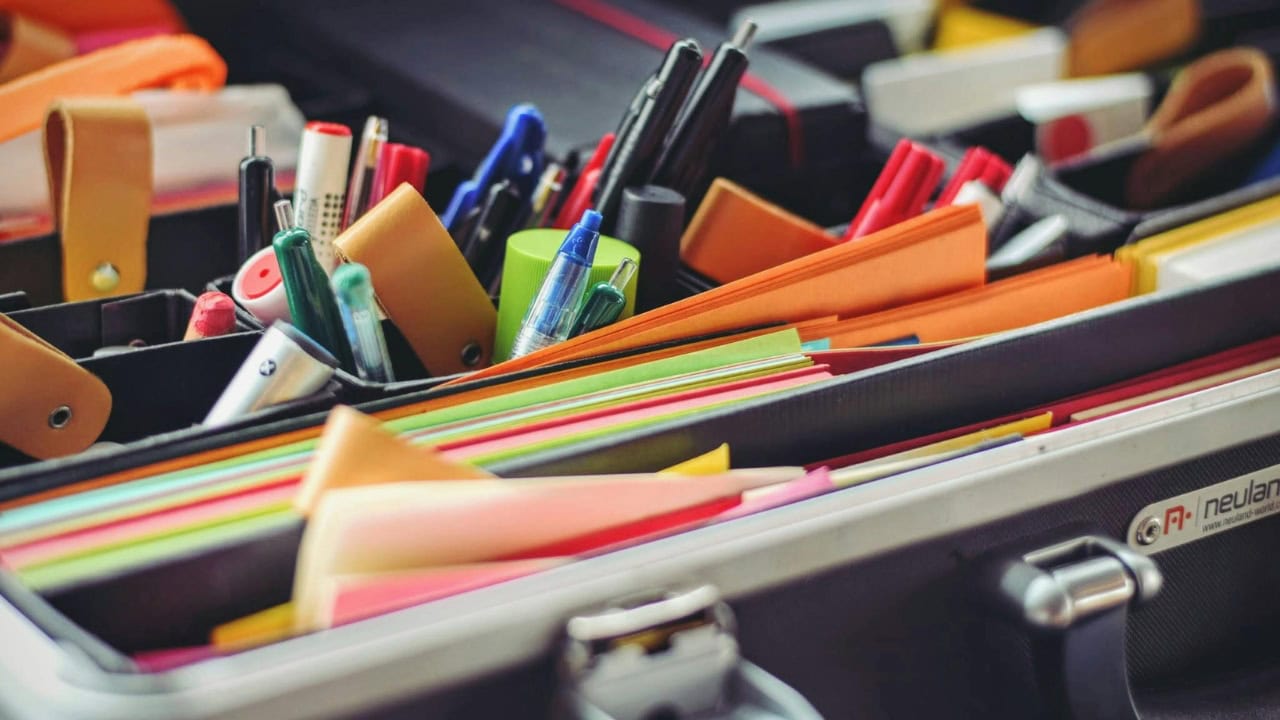
It's easy to grab extra pens, notebooks, or sticky notes thinking you'll eventually need them. But most of the time, they sit around while you keep buying more.
By quitting the hoarding habit, you actually use up what you already have. That means fewer last-minute store runs and no wasted money on duplicates that disappear into cluttered drawers.
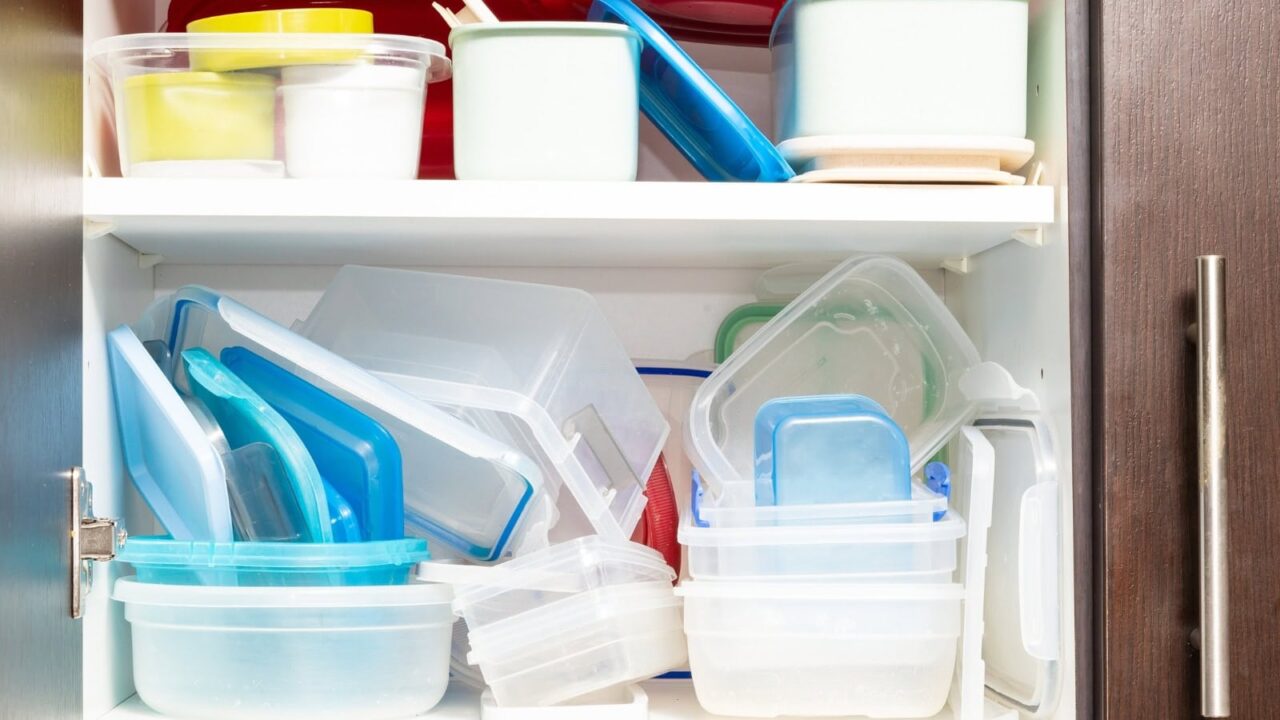
Food Storage Containers
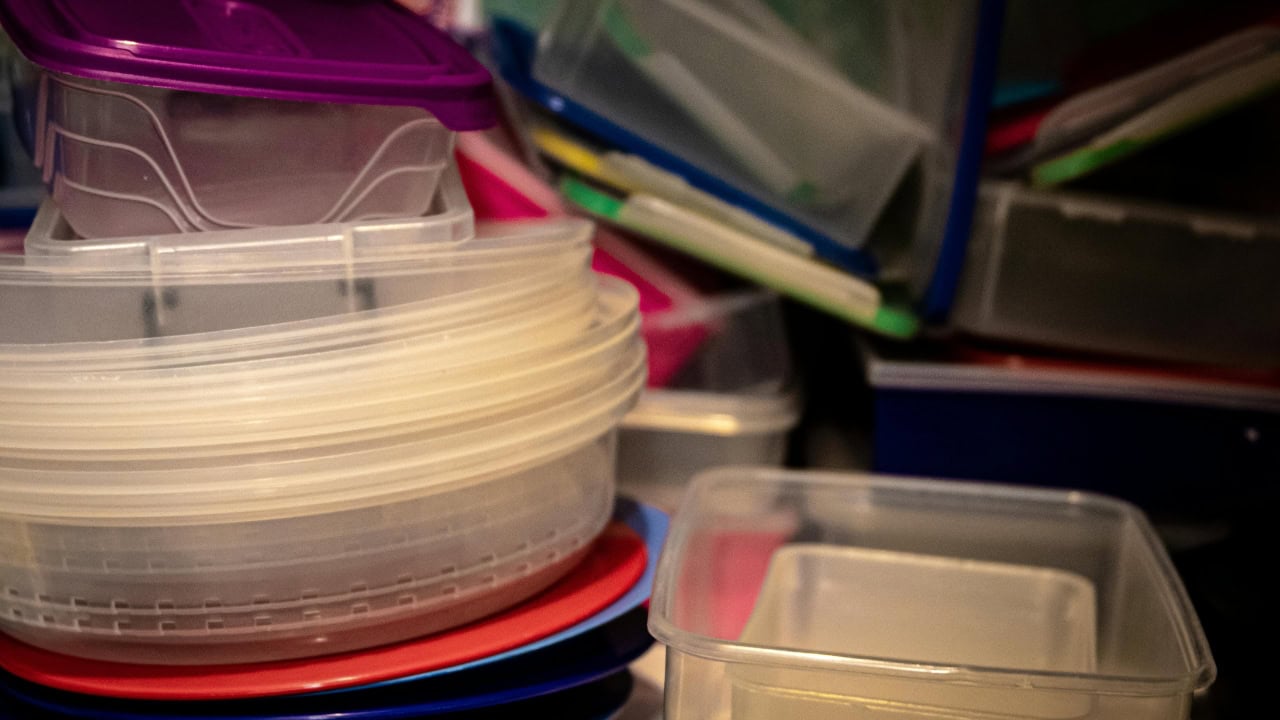
Hoarding mismatched plastic containers leads to a chaotic cabinet, and eventually you'll toss them out when the lids go missing. Then you end up spending on replacements you didn't actually need.
If you keep a smaller, organized set, you'll save money by actually using what you have instead of letting piles of cheap containers build up. A streamlined set also makes your kitchen easier to manage.
Candles
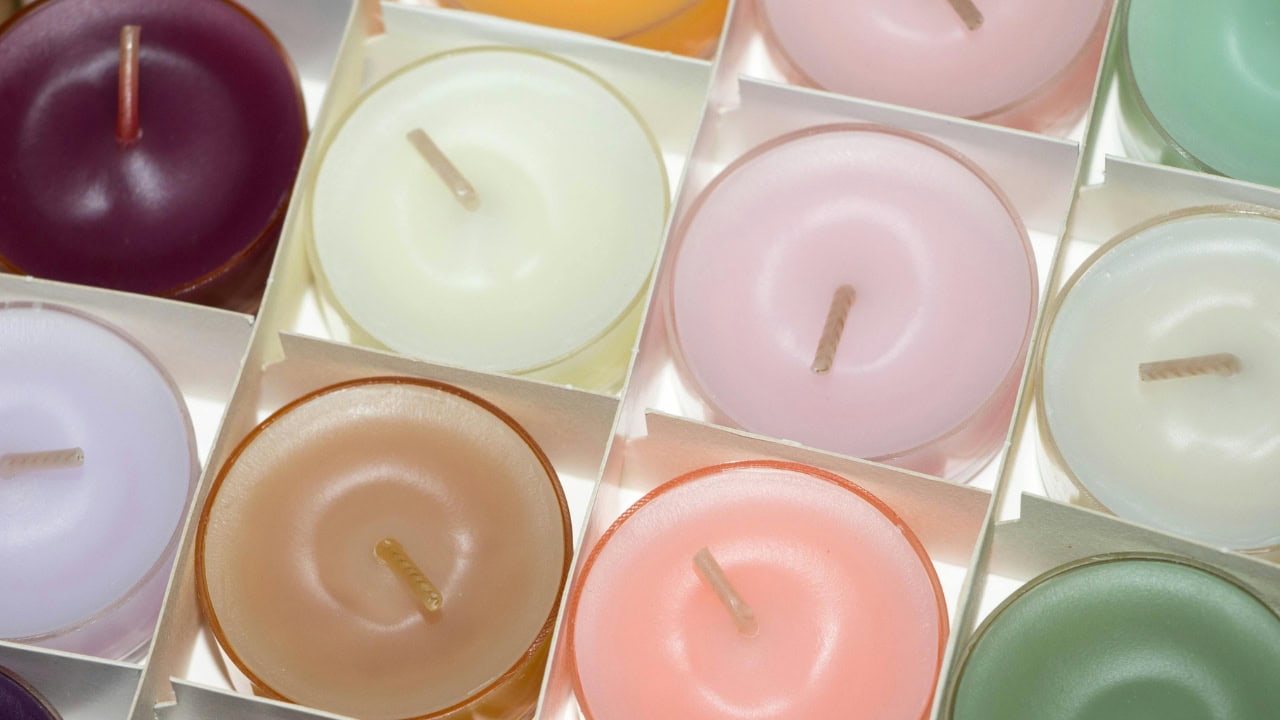
Stockpiling candles because they're on sale may seem harmless, but over time the scents fade and the wax can discolor. When that happens, they don't burn or smell the way they should.
Keeping only a few on hand saves money and ensures you're enjoying candles at their best. Otherwise, you'll waste money replacing ones that have gone stale before you ever lit them.
Makeup
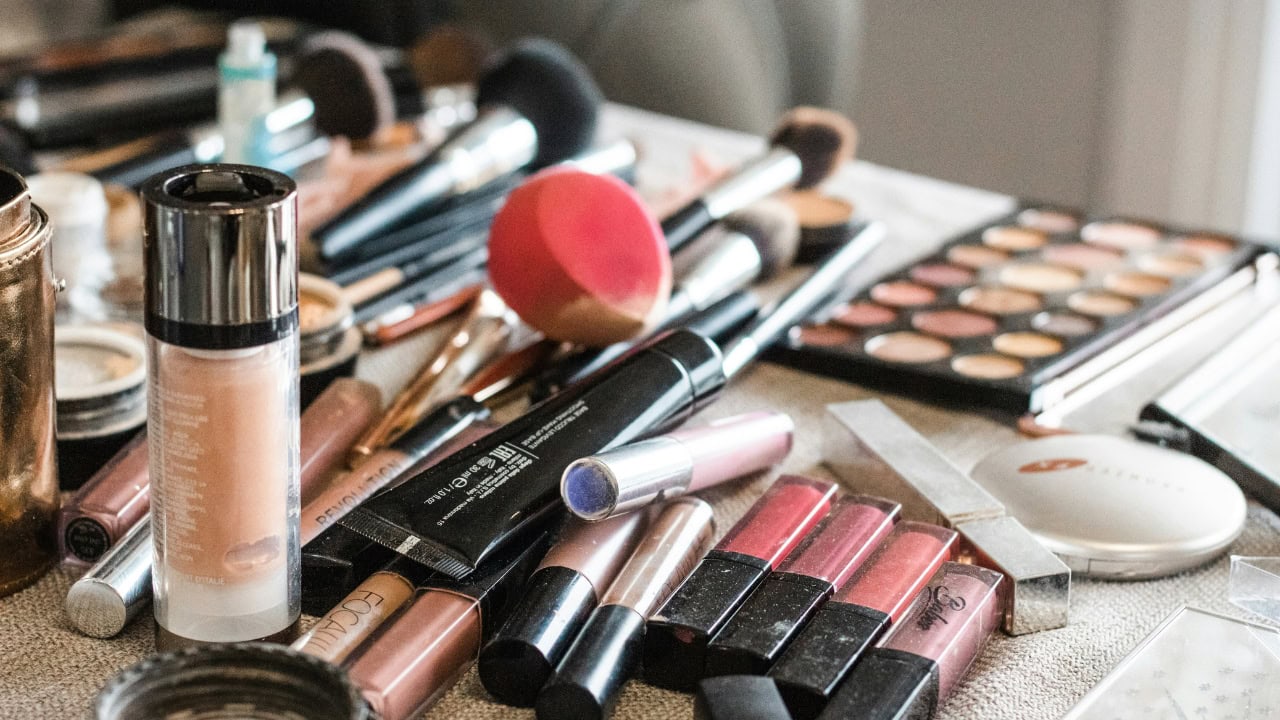
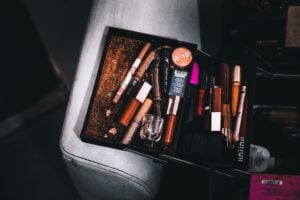
Like skincare, makeup has a shelf life. Mascara, foundation, and lip products all expire, which means hoarding them is basically throwing money away.
By sticking to the shades and products you actually wear, you'll finish them before they expire. This keeps you from tossing old makeup and rebuying replacements that could have been avoided.
Towels and Linens
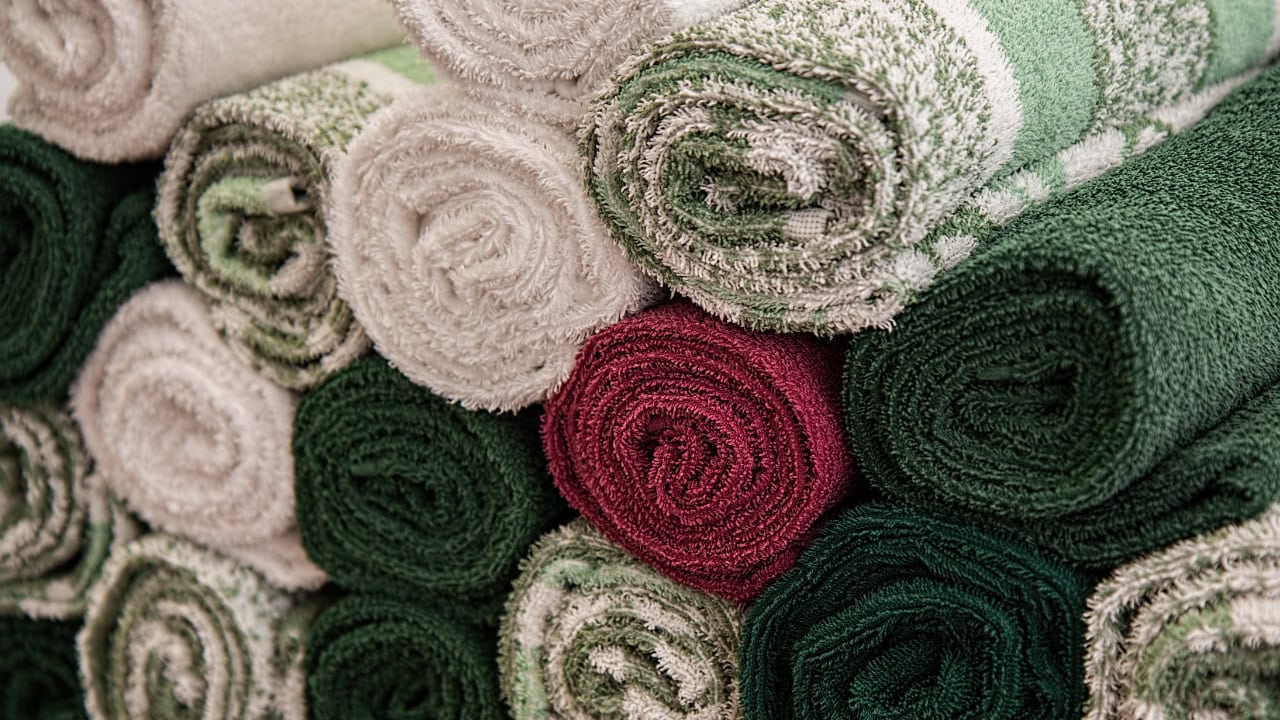
Having more towels than you'll ever need leads to faster wear because they get shoved into closets and forgotten. Eventually, you end up tossing frayed ones and buying new sets.
By keeping a reasonable amount, you'll rotate them properly and get longer use out of each. That cuts down on how often you spend money replacing them unnecessarily.
Pantry Staples
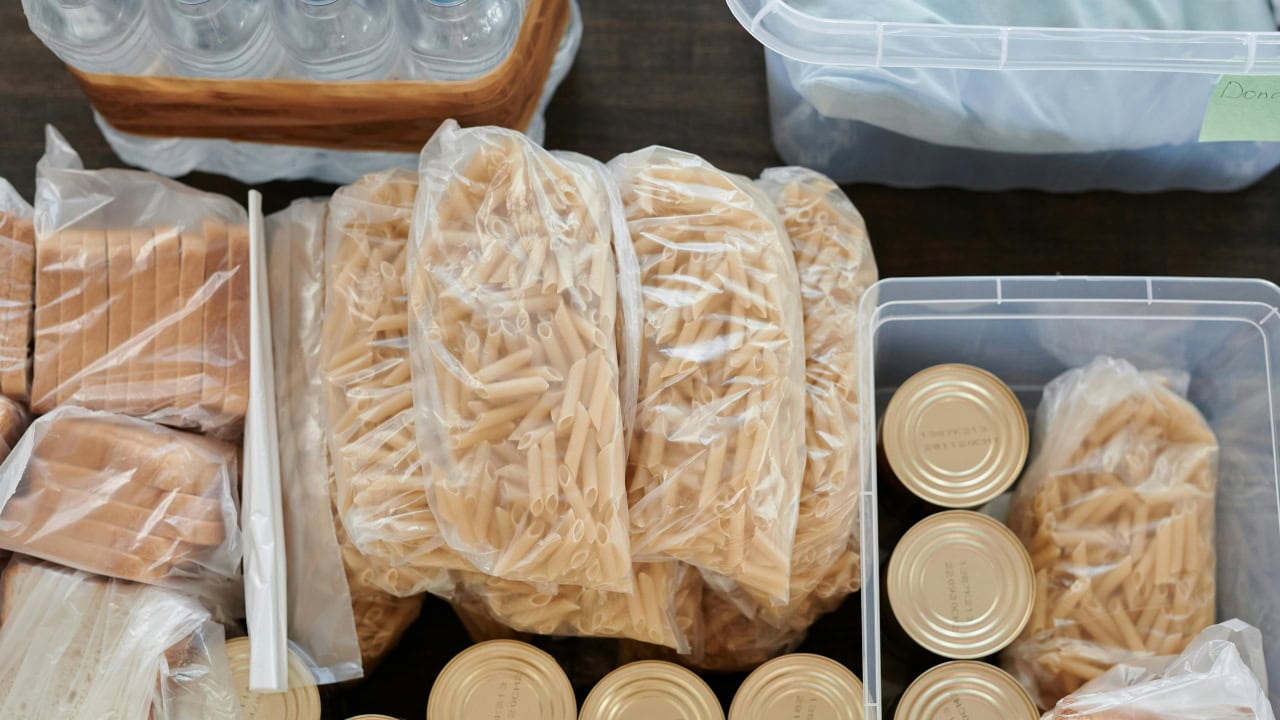
Buying too much pasta, rice, or canned goods can backfire if you can't get through them before they expire. Even shelf-stable items don't last forever, and throwing them out is wasted money.
If you keep your pantry reasonable, you'll always know what you have and avoid double-buying. That habit alone can save a surprising amount over a year.
Water Bottles and Travel Cups
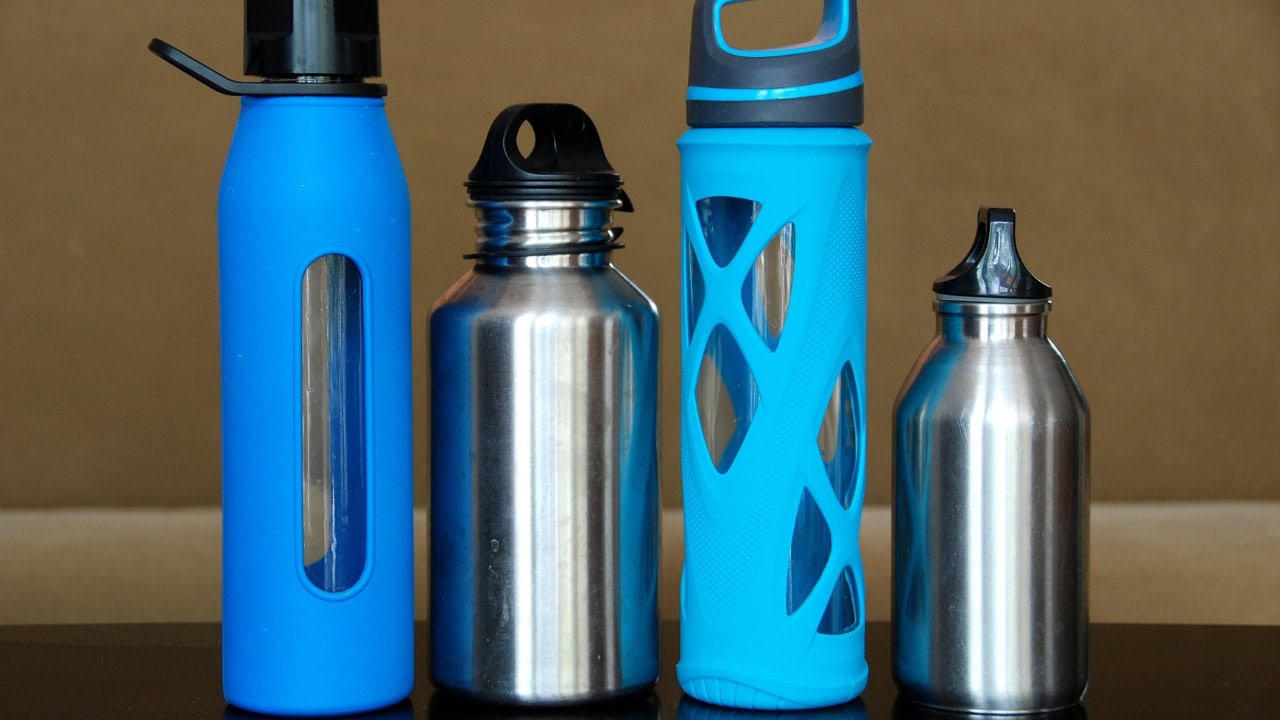
It seems like every household ends up with a cabinet full of reusable water bottles and cups, most of which don't get used. Hoarding them means some sit unused until they're too gross to bother with.
Cutting back to a few good ones saves space and prevents you from buying replacements just to avoid dealing with the pile. This one change alone can keep an extra $20-$50 in your pocket each year.
*This article was developed with AI-powered tools and has been carefully reviewed by our editors.




Leave a Reply