
When the power goes out, it's usually at the worst possible time-during a storm, in the middle of dinner, or when it's too dark to find what you need. Most people realize too late that they weren't as prepared as they thought.
Having a few key supplies on hand makes a huge difference, not just for comfort but for safety. These are the things you'll be glad you already had ready before the lights go out.
Flashlights and batteries
Relying on your phone flashlight only works for so long before it dies. Keep a few reliable flashlights around the house, along with extra batteries in multiple sizes.
Store one in every main room so you're not digging through drawers in the dark. A headlamp is also a smart backup since it keeps your hands free for cooking or repairs.
Battery-powered lanterns
Lanterns light up a whole room instead of one spot, which helps more during longer outages. They're safer than candles and last much longer on a fresh set of batteries.
LED lanterns are the most efficient, and some even have USB ports for charging small devices. Keep a few near the kitchen, bathroom, and main living areas.
Nonperishable food
Canned soups, peanut butter, crackers, and protein bars go a long way when you can't cook. Don't forget an old-fashioned can opener-electric ones won't do much good.
Stock food that doesn't need refrigeration or heat. Rotate it every few months so you're not left with expired items when an outage hits.
Bottled water
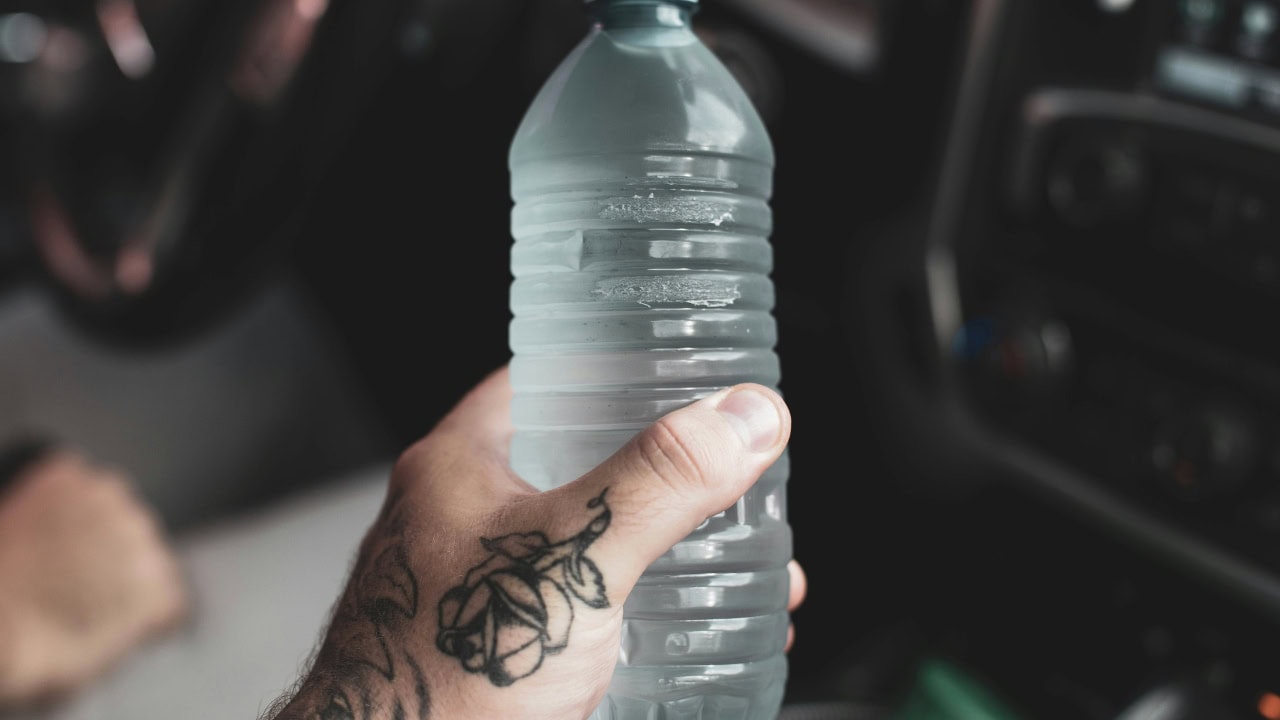
If the outage affects your water pump or local supply, bottled water becomes essential. You'll need at least one gallon per person per day for drinking and basic hygiene.
Keep a stash in a cool, dark area and rotate it out occasionally. Having it on hand means you won't be scrambling if taps stop running.
Power banks
A few charged power banks can keep your phone and small electronics running for days. They're worth every penny when you need to contact family or check weather updates.
Recharge them every few months, and consider a solar or crank option for extended outages. A dead phone is more than inconvenient-it's unsafe if you can't reach help.
Manual tools
Electric drills, saws, and garage doors won't work without power. Having a few manual tools-a wrench, hammer, and screwdriver set-means you can still make basic fixes.
Even a hand-crank radio or manual can opener falls into this category. When power's out, having low-tech options can make a frustrating situation manageable.
Ice or freezer packs
A full freezer keeps food cold longer, but once power's out, the clock starts ticking. Extra ice or freezer packs can help extend that time by several hours.
If you have advance warning, fill empty containers with water and freeze them. They'll help preserve your groceries longer and double as water sources once melted.
First aid supplies
Outages can make simple injuries harder to deal with, especially if you can't drive right away. Keep a stocked first aid kit with bandages, antiseptic wipes, pain relievers, and prescription meds.
Check your kit every few months to restock what's missing. It's one of those things you never want to need-but you'll be thankful it's there if you do.
Cash on hand

ATMs and card readers go down during major outages. Having some small bills in a safe spot can help if you need gas, food, or supplies.
Don't rely on being able to "Venmo later." A little emergency cash can get you through those first few days without the headache of being unprepared.
Backup heat or cooling options
In winter, no power means no heat. In summer, it means no air conditioning. Both can turn serious fast, especially for kids or older adults.
A small propane heater or battery-powered fan can make a huge difference in comfort and safety. Always store them safely and follow all ventilation instructions before using.
*This article was developed with AI-powered tools and has been carefully reviewed by our editors.






Leave a Reply