
When something breaks, it's easy to say "fix it" and move on - especially if you're in a hurry. But that's how a quick repair turns into an expensive surprise. Many people end up paying for parts they didn't need, labor that wasn't done, or warranties they didn't know they had.
Before you hand over your card, there are a few key things you should always verify. It takes a few extra minutes but can save you hundreds, sometimes thousands, over time.
Confirm the estimate in writing
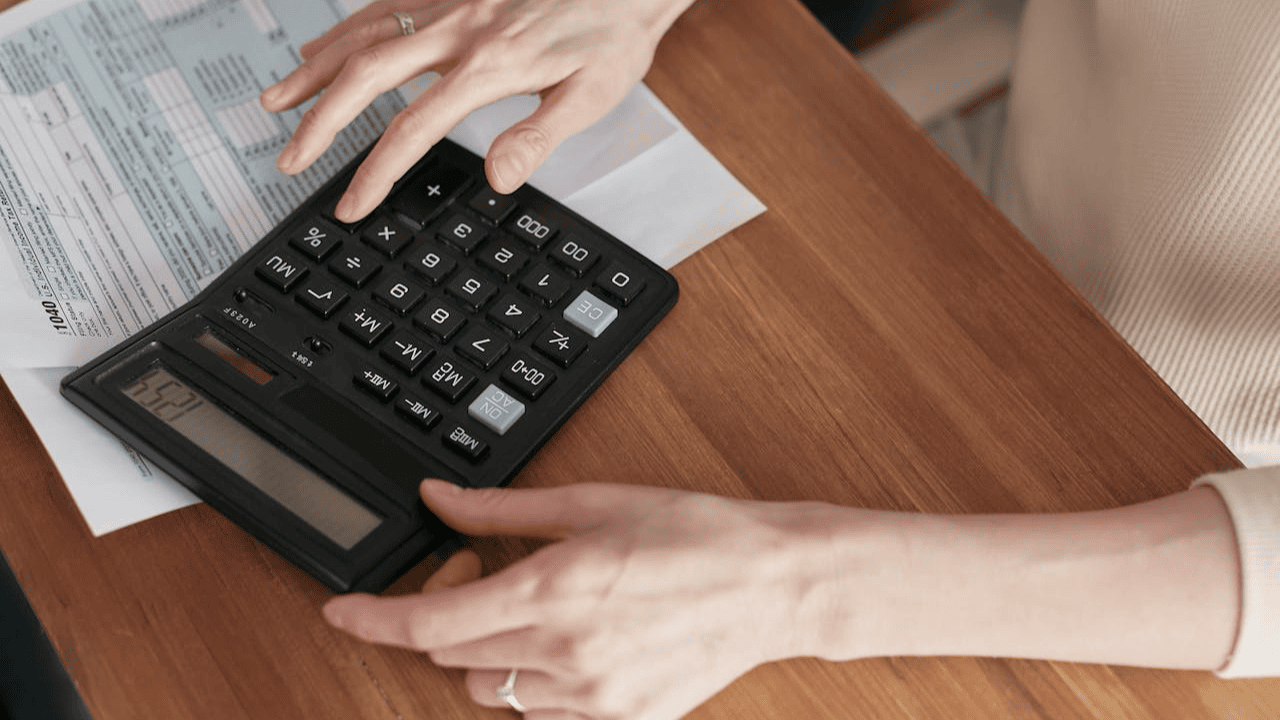
A verbal quote means nothing once the work's done. Always ask for a detailed written estimate that lists parts, labor, taxes, and potential add-ons. If something changes during the repair, the shop should contact you before doing extra work.
Having that paper trail keeps everyone honest and makes it easier to dispute charges later. A reputable shop won't hesitate to write things out - if they push back, that's a red flag right away.
Verify the parts being used
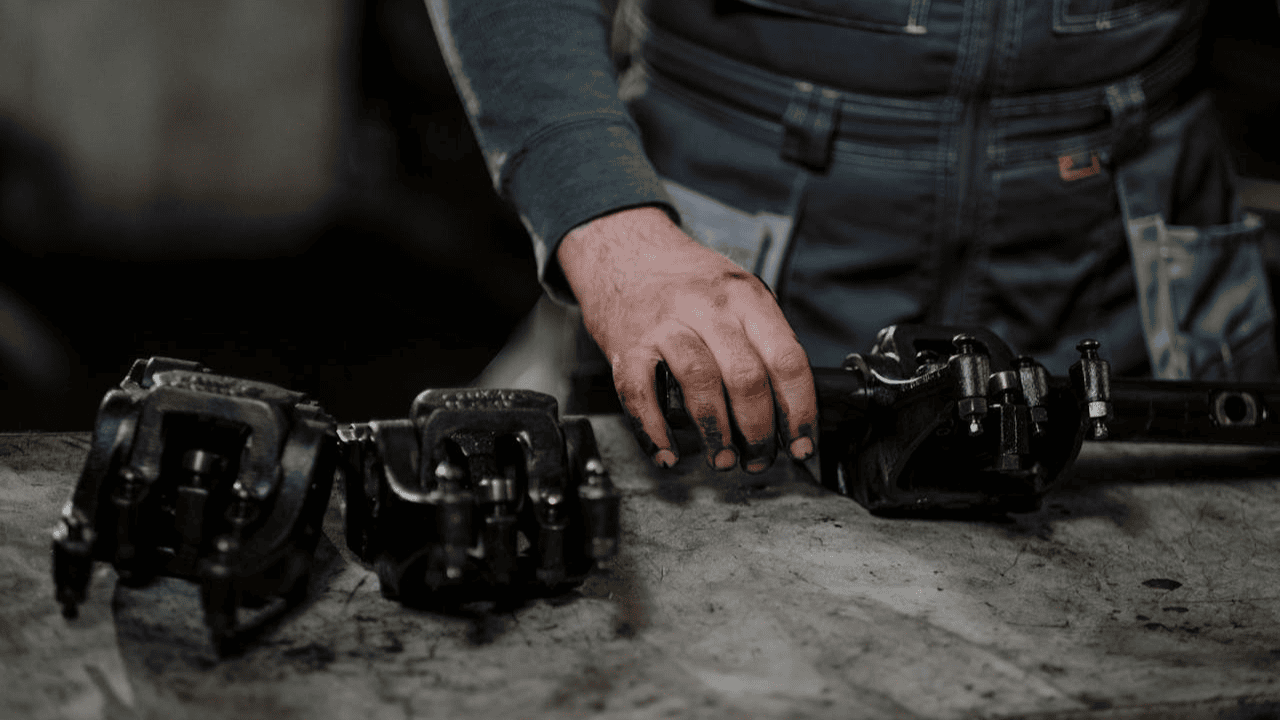
Make sure the parts listed are actually being used on your repair. Some shops swap in cheaper aftermarket pieces but still charge for OEM or name-brand components. Ask to see the packaging or part number if you're unsure.
If you're paying for genuine parts, you should get what you paid for. Using lower-quality replacements might save them money, but it can cost you in performance and durability down the road.
Check the warranty coverage first
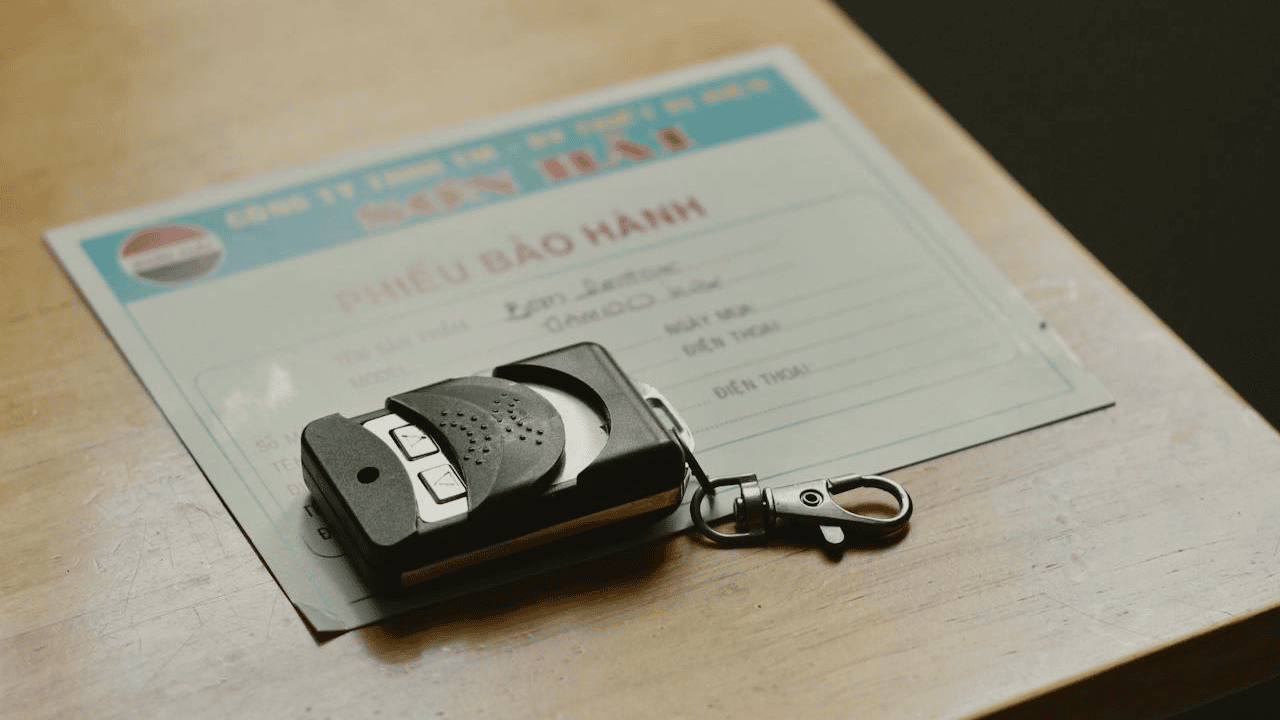
Before agreeing to pay for a repair, make sure it's not already covered under a manufacturer's warranty, extended warranty, or even your credit card's protection plan. Many people pay out of pocket for something they didn't have to.
Call your dealer or check your vehicle manual for coverage details. Even smaller appliances and electronics often come with longer warranties than people realize. It's worth checking before you spend a dime.
Review the labor rate
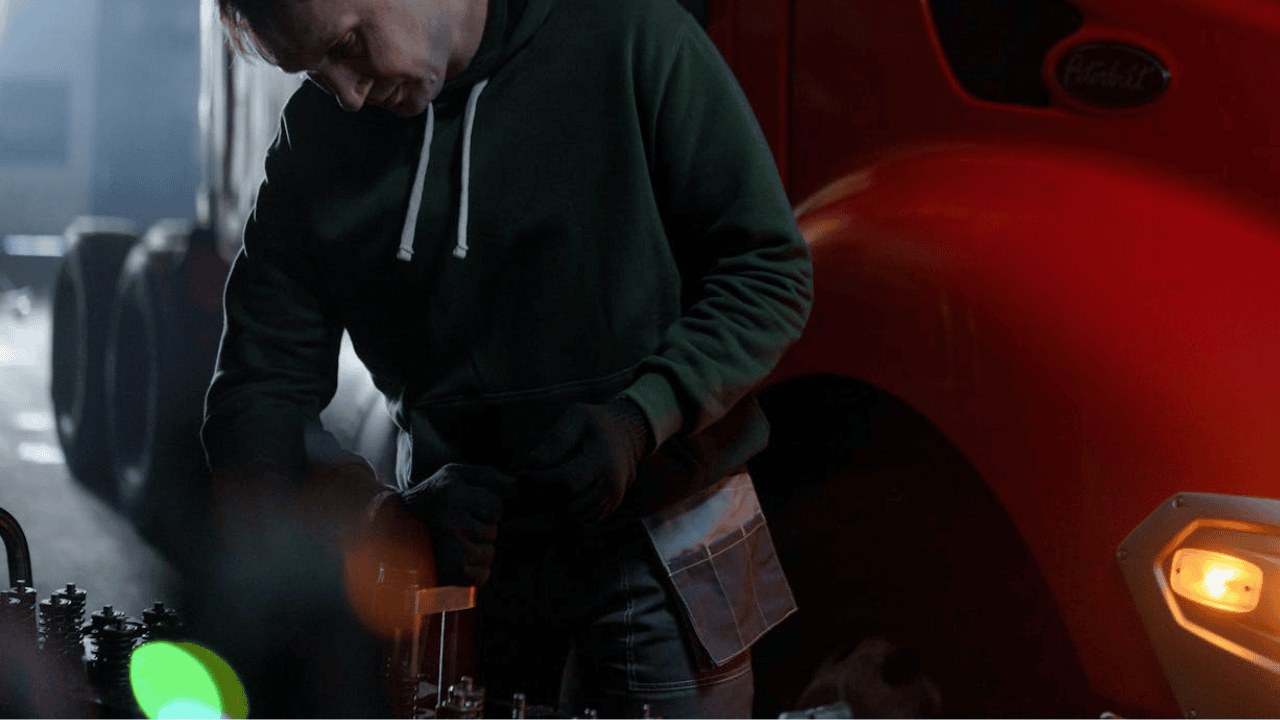
Shops set their own hourly labor rates, and they can vary wildly. Always confirm what the rate is before the work starts. Some places charge dealership-level rates for jobs that could easily be done at an independent shop for half the cost.
You can even ask how many hours the repair should take according to the industry standard "flat rate" guide. That way, you'll know if they padded the bill.
Ask to see the old parts
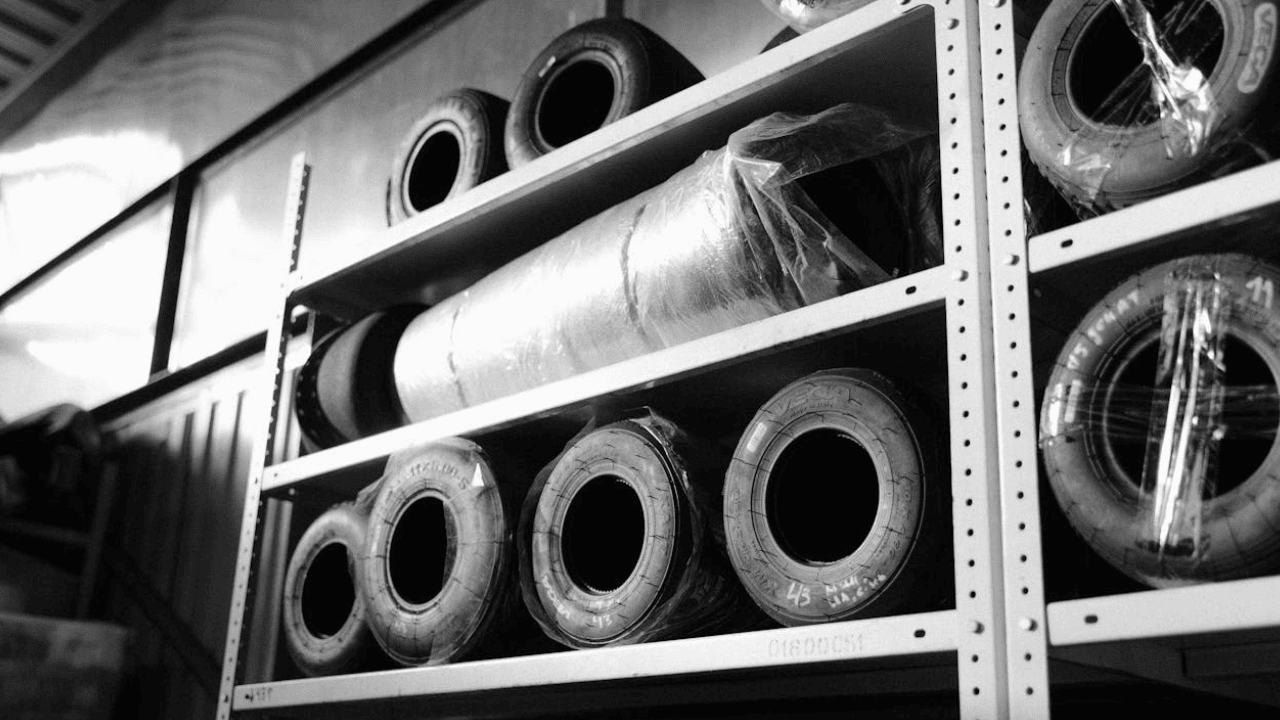
When a shop replaces parts, ask to see the old ones afterward. It's an easy way to confirm the repair was actually done and gives you a chance to check wear for yourself. Honest shops won't mind showing you what they removed.
If they refuse or say the parts were "already disposed of," that's suspicious. It's your right to see what you paid to have replaced - especially for big-ticket jobs like alternators or brake systems.
Double-check the diagnostic fee
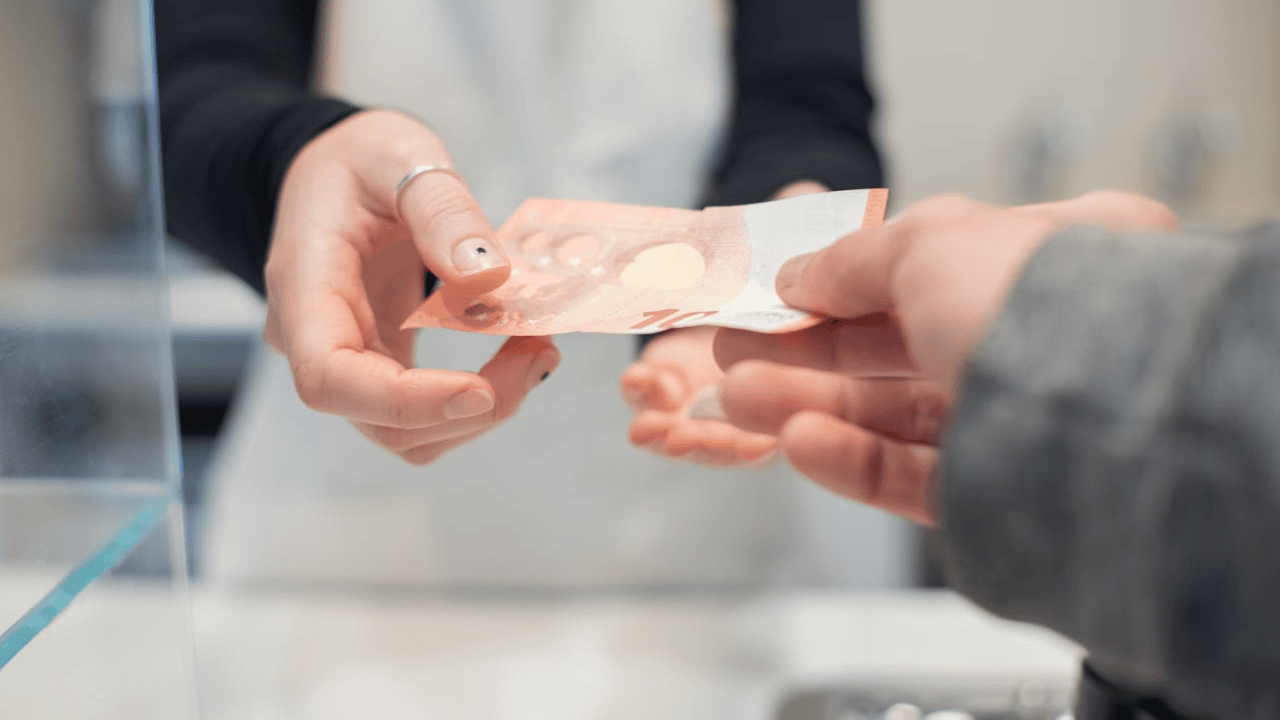
Many shops charge a diagnostic fee, but that shouldn't automatically roll into the total cost if you decline the repair. Make sure you know what's included upfront and whether that fee gets applied toward the repair if you go through with it.
If you decide to get a second opinion, confirm you're not being double-billed for the same diagnostic work. Some places quietly add it on twice - once for the test and again as "labor."
Verify that all charges match the quote

When the bill comes, line it up against the original estimate. Check for added parts, unexpected shop fees, or disposal costs that weren't mentioned before. These small extras add up fast, especially on larger jobs.
If anything looks off, ask for an explanation before you pay. Mistakes happen, but you shouldn't be the one footing the bill for them.
Make sure fluids were topped off
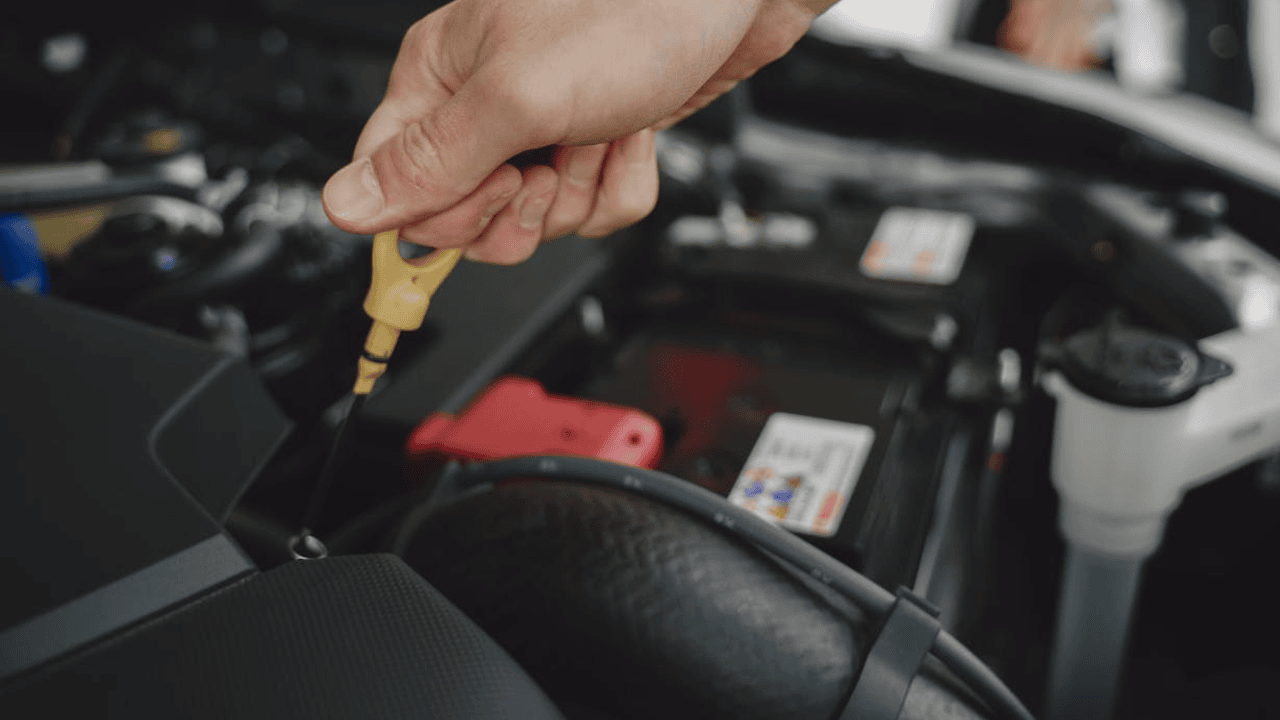
If the repair included any fluid work - like coolant, oil, or transmission fluid - ask to see proof it was done. A good mechanic will gladly show you the dipstick or reservoir.
Some shops skip this step or charge for more fluids than they actually used. A quick check before you leave keeps your engine protected and ensures you got what you paid for.
Check for additional damage before leaving
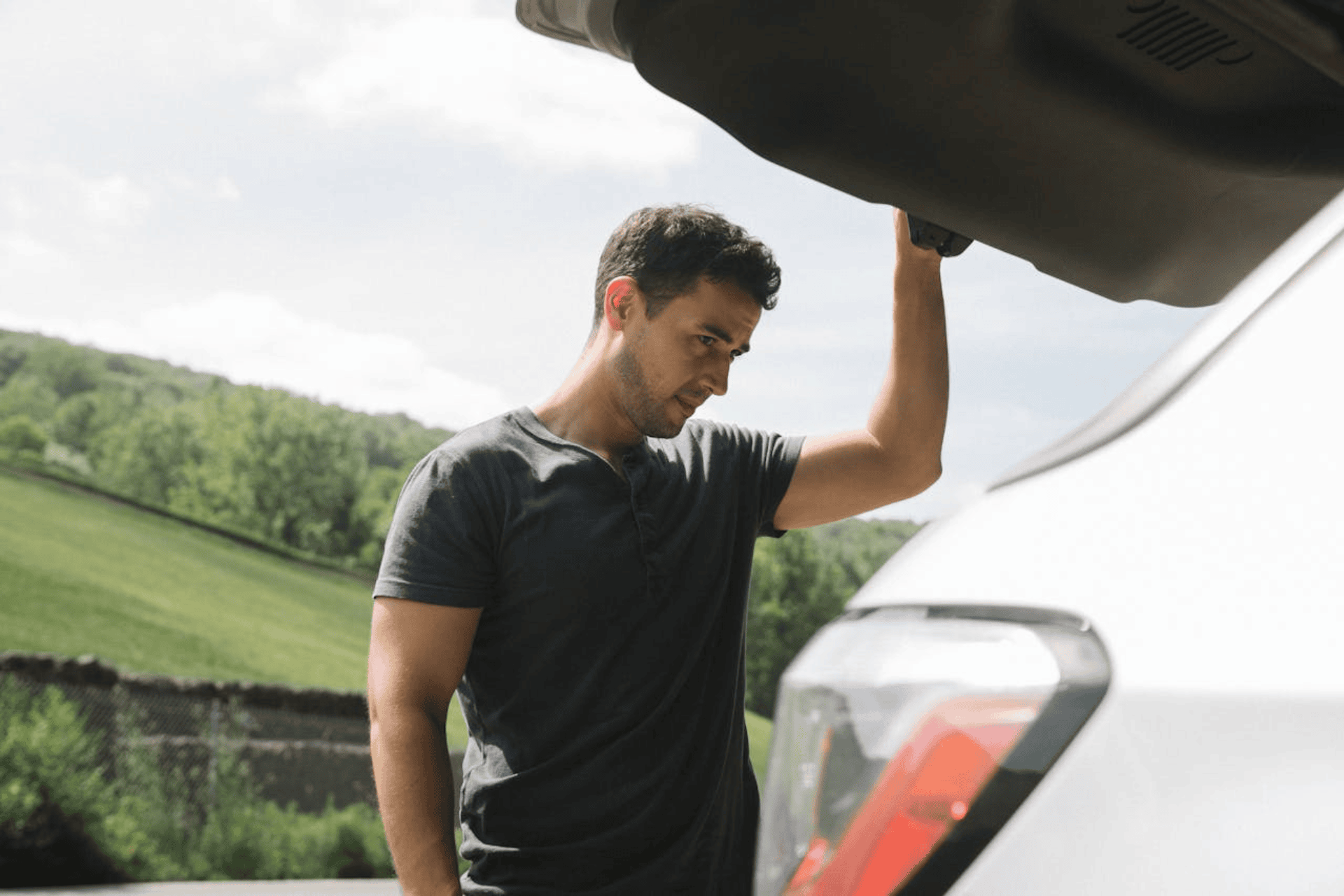
Before paying and driving off, pop the hood and walk around the vehicle. Look for scratches, loose panels, or anything that wasn't there before. Accidental damage during repairs happens more often than people think.
If you find something, report it immediately while you're still at the shop. Once you leave, it's much harder to prove it wasn't your fault.
Confirm the repair actually fixed the problem
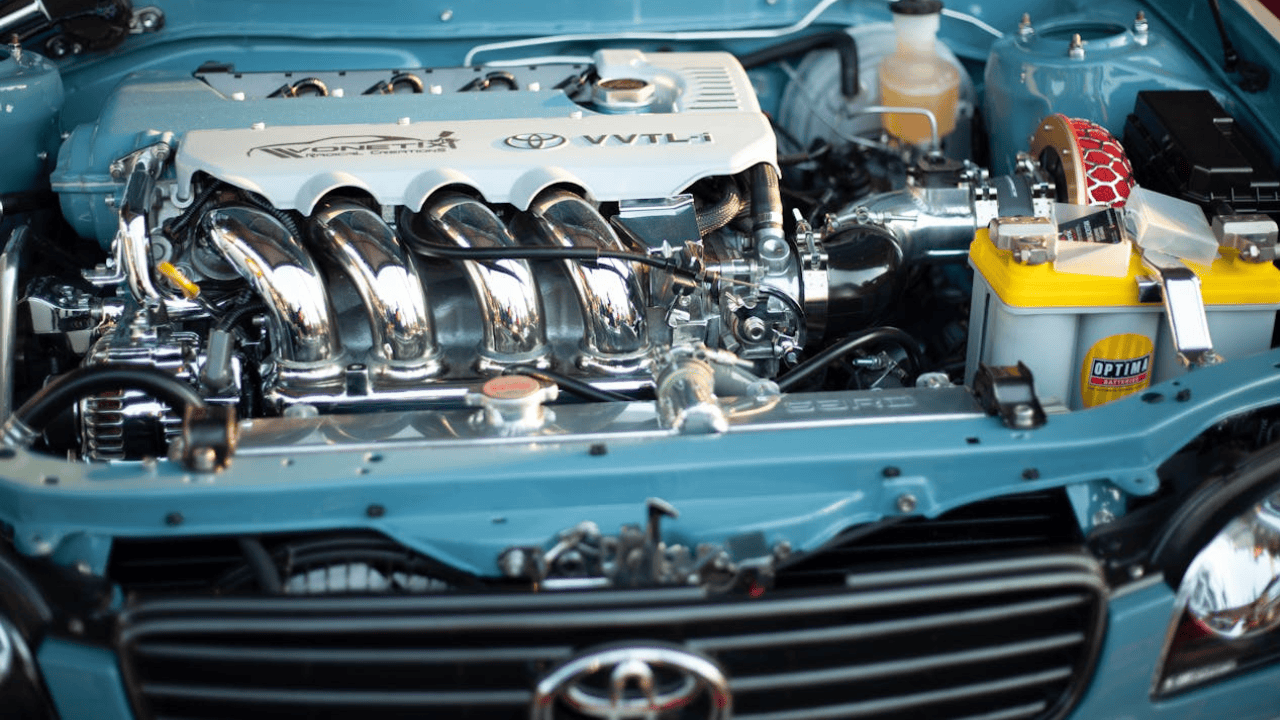
The final step before paying is to make sure the original issue is resolved. Start the engine, test the system, or try out the appliance right there. If it still makes the same noise or shows the same warning light, don't pay until it's corrected.
A reputable shop will want you to be satisfied before you leave. Paying before verifying the repair is like signing off on a job that might not even be finished.
*This article was developed with AI-powered tools and has been carefully reviewed by our editors.





Leave a Reply