
Mornings set the tone for the day-but they're also when a lot of small, expensive habits sneak in. Between coffee runs, energy use, and "convenience" routines, it's easy to spend more before 9 a.m. than you realize.
The good news is, most of it comes down to habit, not necessity. A few small tweaks can save you hundreds a year without changing your routine much at all.
Here are the morning mistakes that quietly drain your wallet.
Buying coffee instead of brewing it
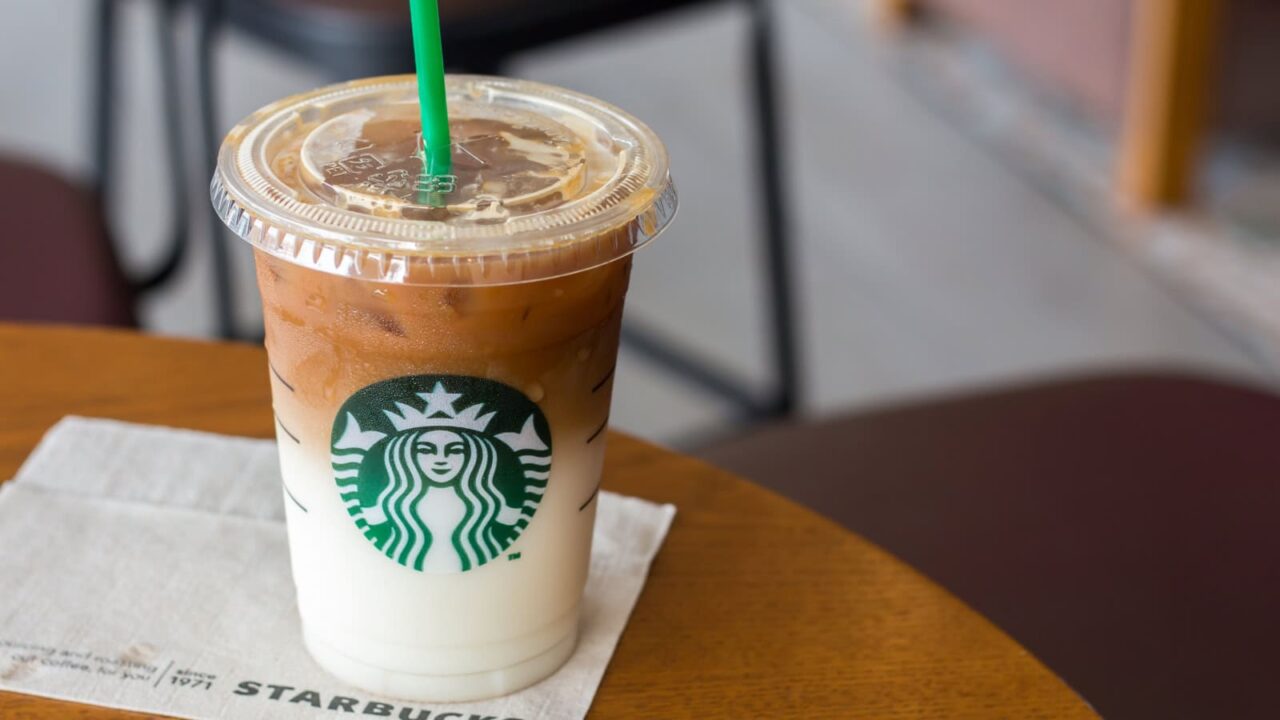
A $5 coffee every workday adds up to over $1,000 a year-more if you grab a pastry, too. Brewing at home costs a fraction of that and takes less time than waiting in line.
If you like your lattes, invest in a small milk frother or flavor syrup. You'll get the same taste without the markup, and your morning won't depend on a drive-thru.
Leaving lights and electronics on while you get ready

It's easy to forget lights, fans, or TVs running while you're showering or dressing. But that constant draw adds to your energy bill every month.
Using LED bulbs and turning things off when you leave a room can make a noticeable difference. It's not about cutting comfort-it's about not paying for energy you're not actually using.
Running long, hot showers
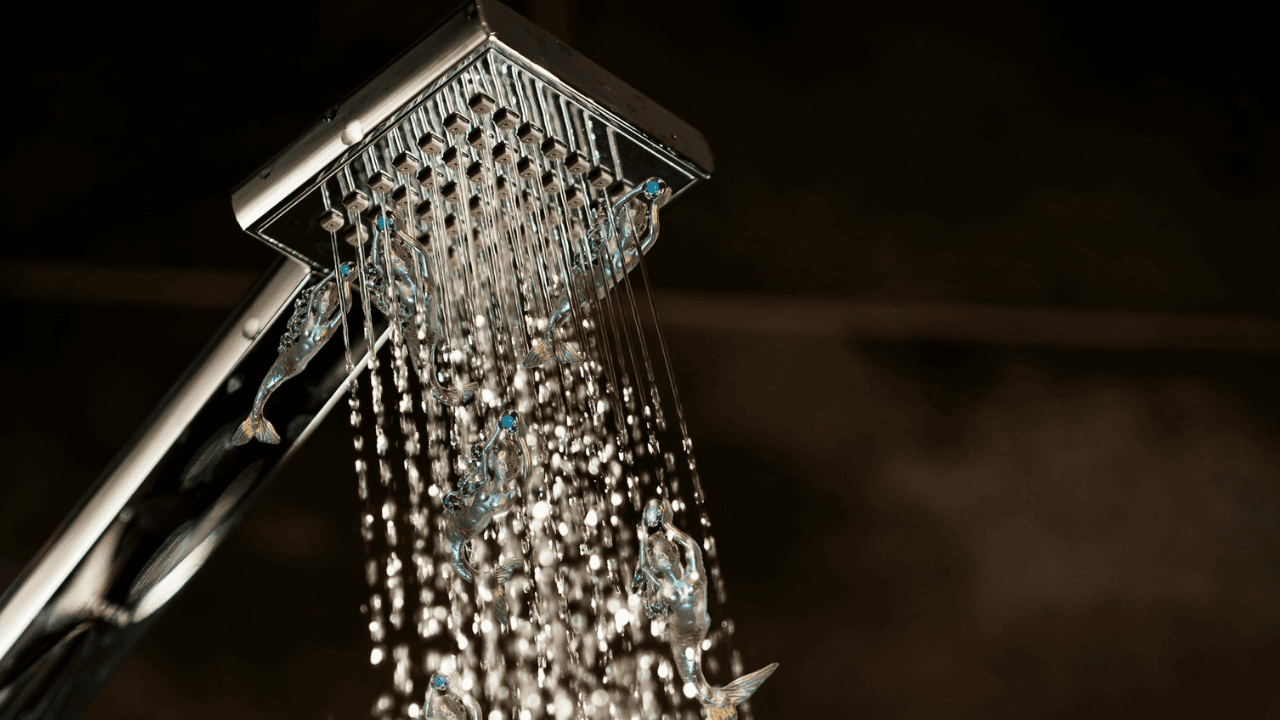
A long, steaming shower feels great, but it's one of the most expensive morning habits. Between water use and heating costs, those extra minutes add up fast.
Keeping it under 10 minutes or installing a low-flow showerhead can save gallons-and real money-without sacrificing comfort. You'll also extend the life of your water heater.
Cranking the thermostat before leaving the house
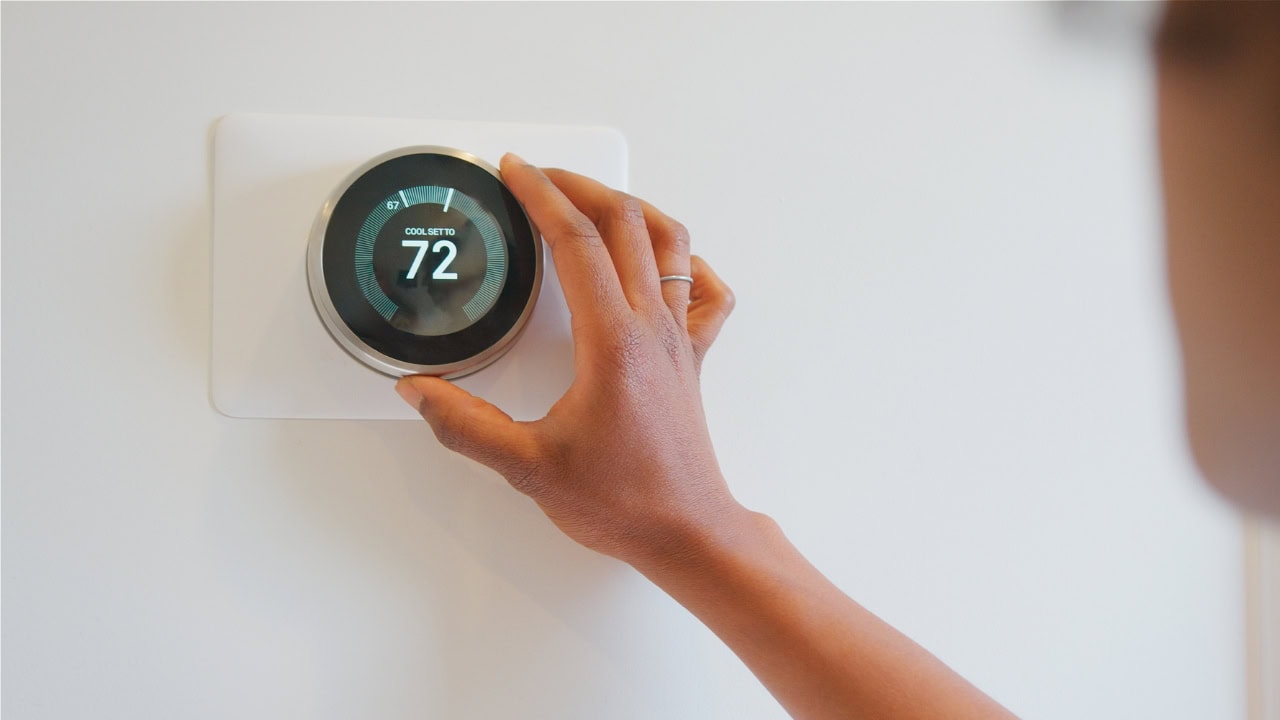
Turning up the heat (or AC) for a "comfortable" morning can cost more than you think-especially if you forget to adjust it before heading out.
A programmable thermostat fixes that by automatically adjusting temperatures once you leave. It keeps your mornings comfortable but stops you from paying to heat or cool an empty house.
Using too much laundry detergent for small loads
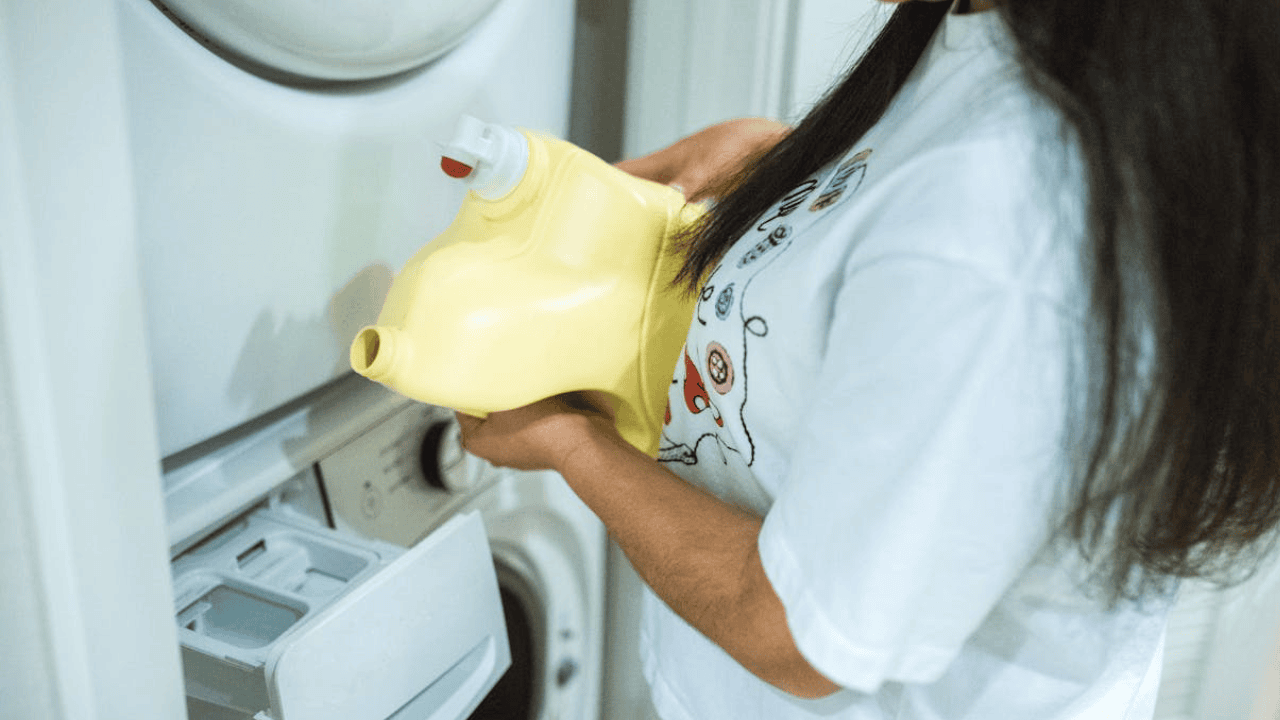
If you're throwing a quick load in before work, using a full cap of detergent is a waste. Most people use double what's needed, which ruins clothes and forces you to restock more often.
Follow the fill lines or use half the recommended amount for smaller loads. Your clothes will come out just as clean, and your detergent will last twice as long.
Grabbing breakfast on the go
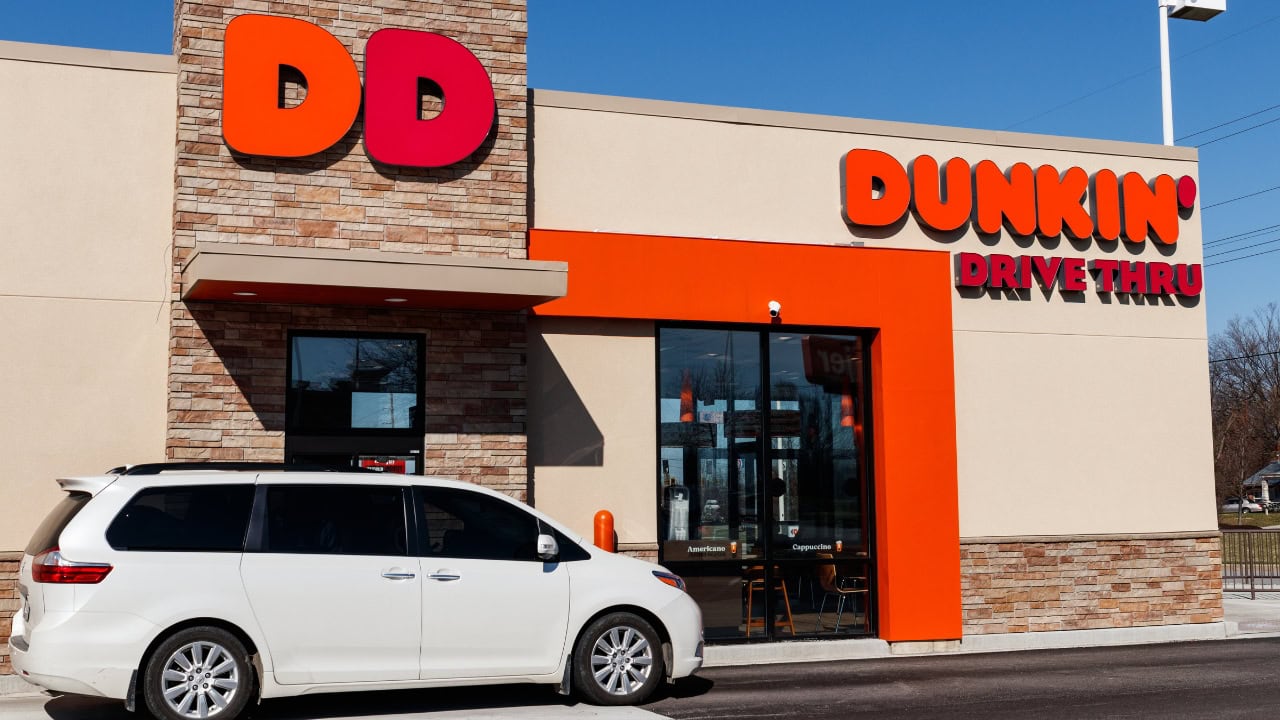
Those drive-thru breakfasts or convenience store snacks add up fast. Even a $4 meal a few times a week can turn into hundreds by the end of the year.
Meal prep or overnight oats are much cheaper and faster in the long run. A quick, homemade breakfast saves money and helps you start the day with better energy.
Overusing personal care products
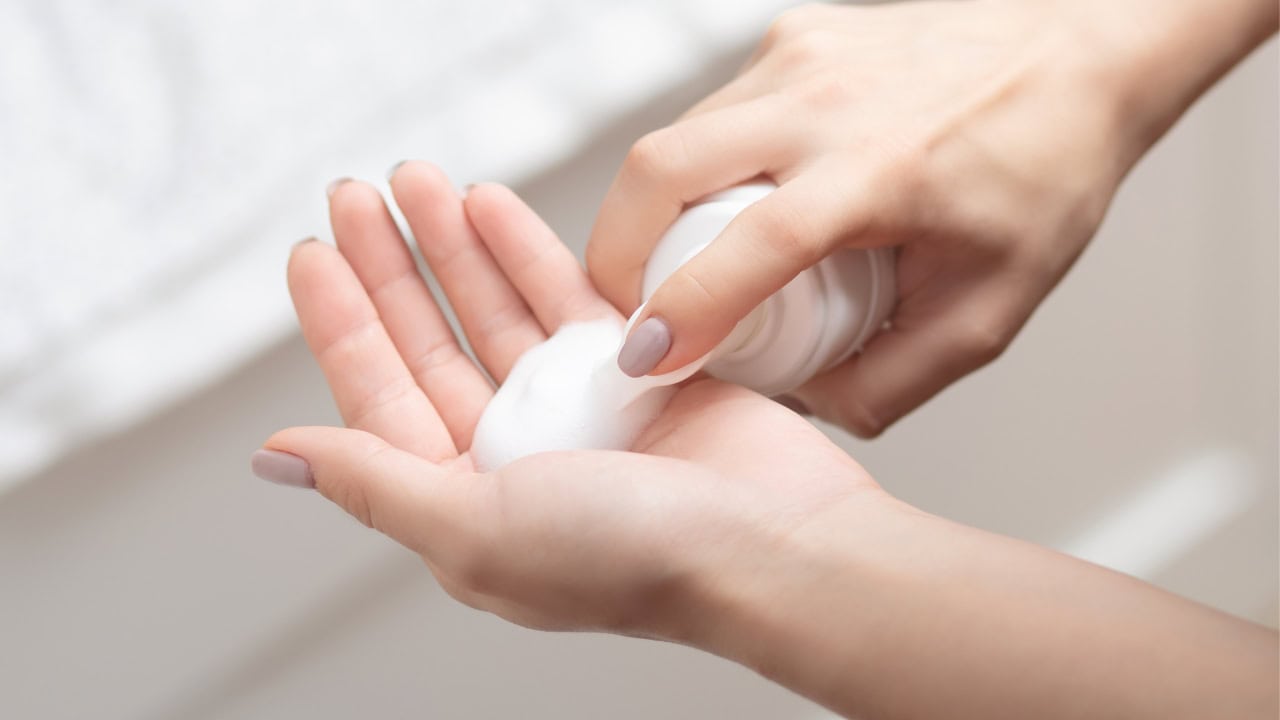
From shampoo to toothpaste, most of us use way more than we need. A pea-sized amount of toothpaste and a dime-sized blob of shampoo are usually enough.
Scaling back doesn't affect hygiene-it just means your bottles last twice as long. You'll spend less over time without feeling like you're cutting corners.
Ignoring slow leaks or dripping faucets
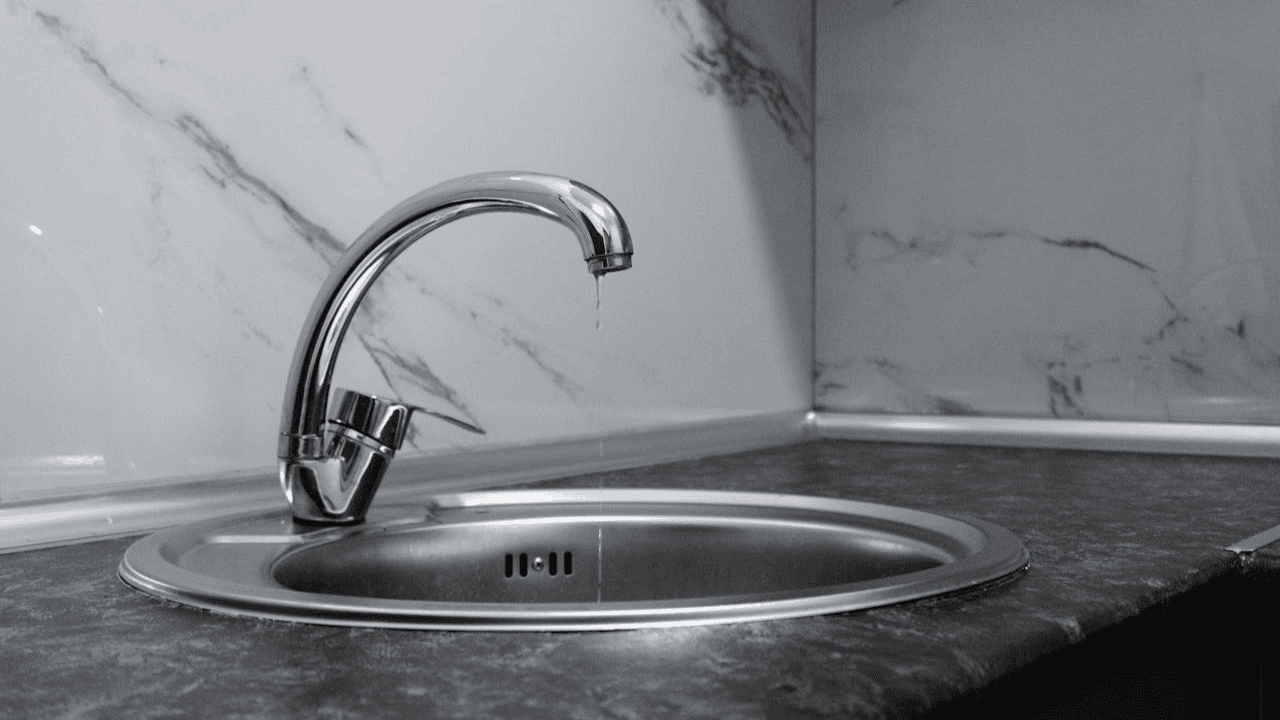
That steady drip you hear while brushing your teeth? It can waste dozens of gallons a month, bumping up your water bill for no reason.
Fixing a leaky faucet is usually a quick job and saves money immediately. It's one of those small maintenance things that pay off faster than you think.
Wasting gas by idling in the driveway

Warming up your car for long stretches might feel necessary, but modern engines don't need it. Anything beyond 30 seconds wastes gas and adds wear to your engine.
Driving gently for the first few minutes does the same job without burning extra fuel. It's an easy habit to change that saves both gas and money.
Forgetting to pack what you need for the day
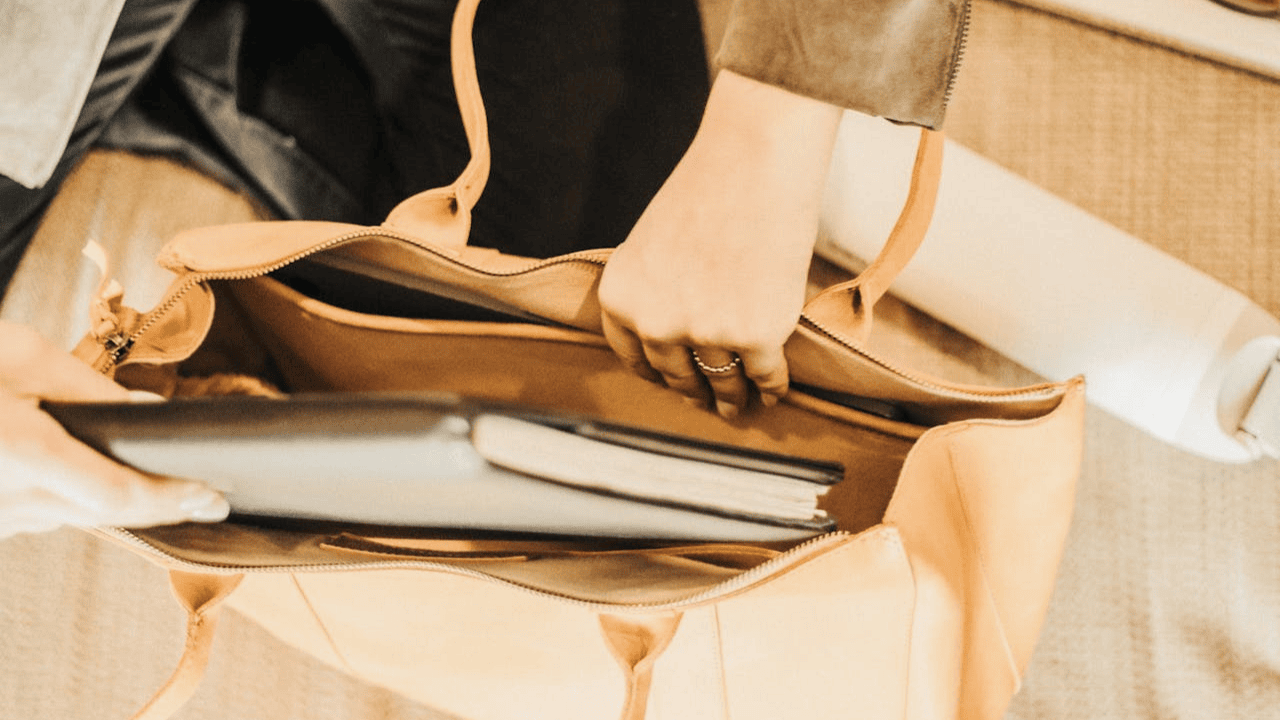
Running home or stopping at the store for forgotten items costs more than people realize-extra gas, impulse buys, and wasted time all add up.
Keep a quick morning checklist on your phone or fridge: wallet, lunch, water bottle, keys. A little prep the night before keeps your morning smooth and your wallet intact.
*This article was developed with AI-powered tools and has been carefully reviewed by our editors.





Leave a Reply