
10 things that pushed my grocery budget over $600 without realizing it

Groceries can quietly eat up a huge portion of your budget, and it doesn't take much for that number to creep higher than you realize. Sometimes it's not about the big-ticket splurges but the everyday habits and little choices that add up.
Before you know it, you're spending hundreds more than you planned, and the cart doesn't even feel that full. Spotting where the money leaks out is the first step to pulling your grocery bill back down to something reasonable.
Adding Extras at Checkout
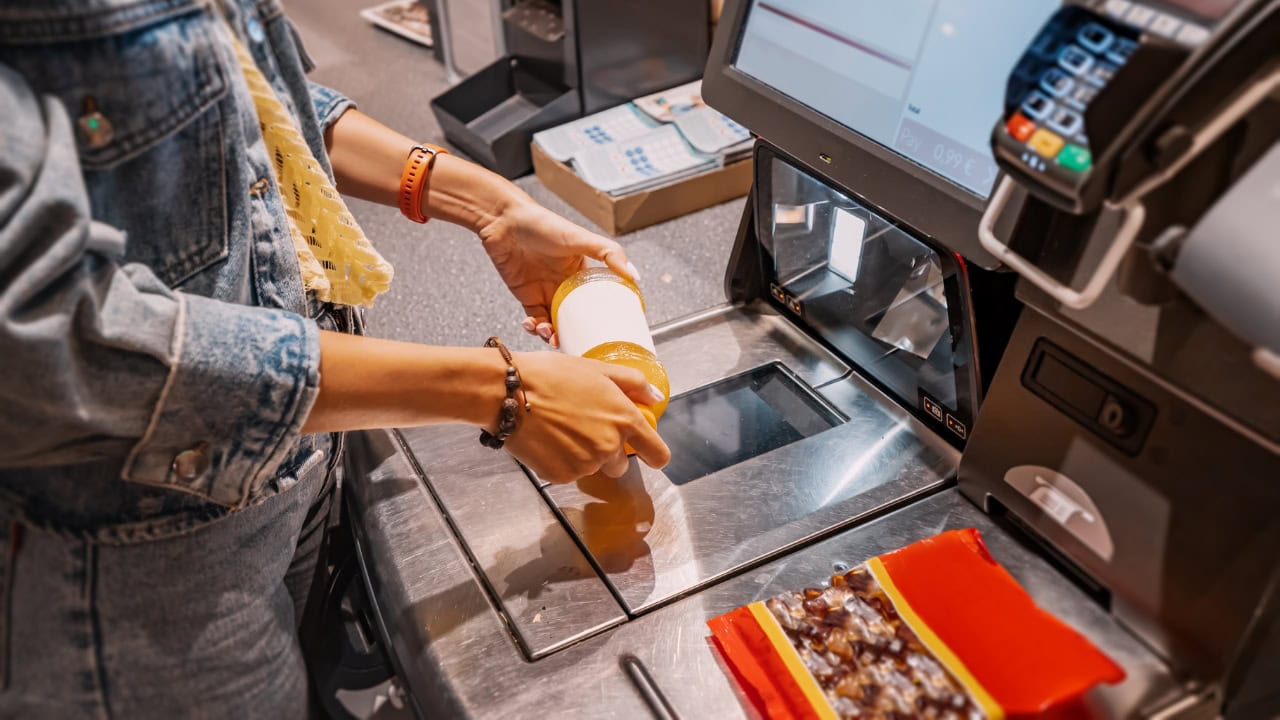
Those last-minute snacks and drinks by the register seem harmless, but they add up faster than you think. Grabbing them every trip can quietly tack on $20-$30 to your monthly bill.
If you start skipping the checkout grabs, you'll notice an instant difference. Keeping a mental rule that the cart is closed once you hit the register keeps those extras out of your total.
Buying Pre-Made Meals
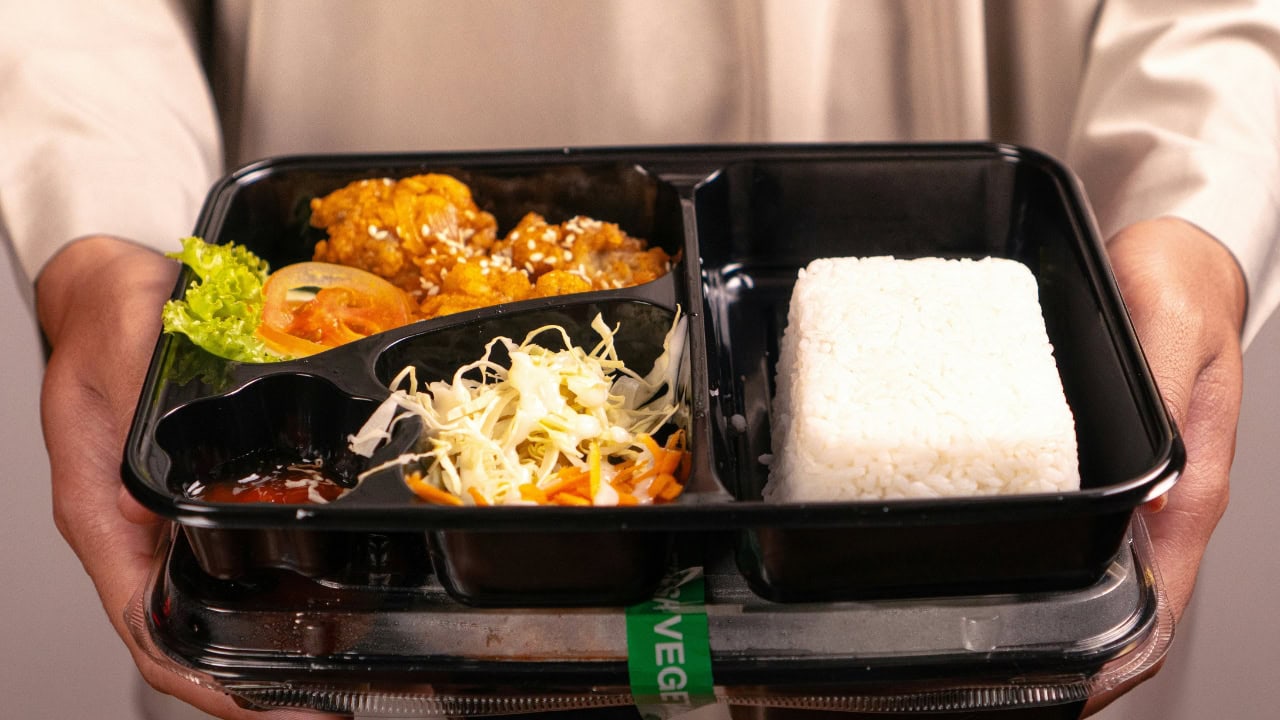
Convenience foods like rotisserie chicken, deli pasta salads, or pre-packed dinners feel like a lifesaver on busy nights. But the price per serving is often much higher than cooking at home.
Shifting toward simple, quick meals you can prep yourself cuts down on those inflated costs. Even replacing two or three ready-made meals each week can save you a big chunk of change.
Shopping Without a Plan
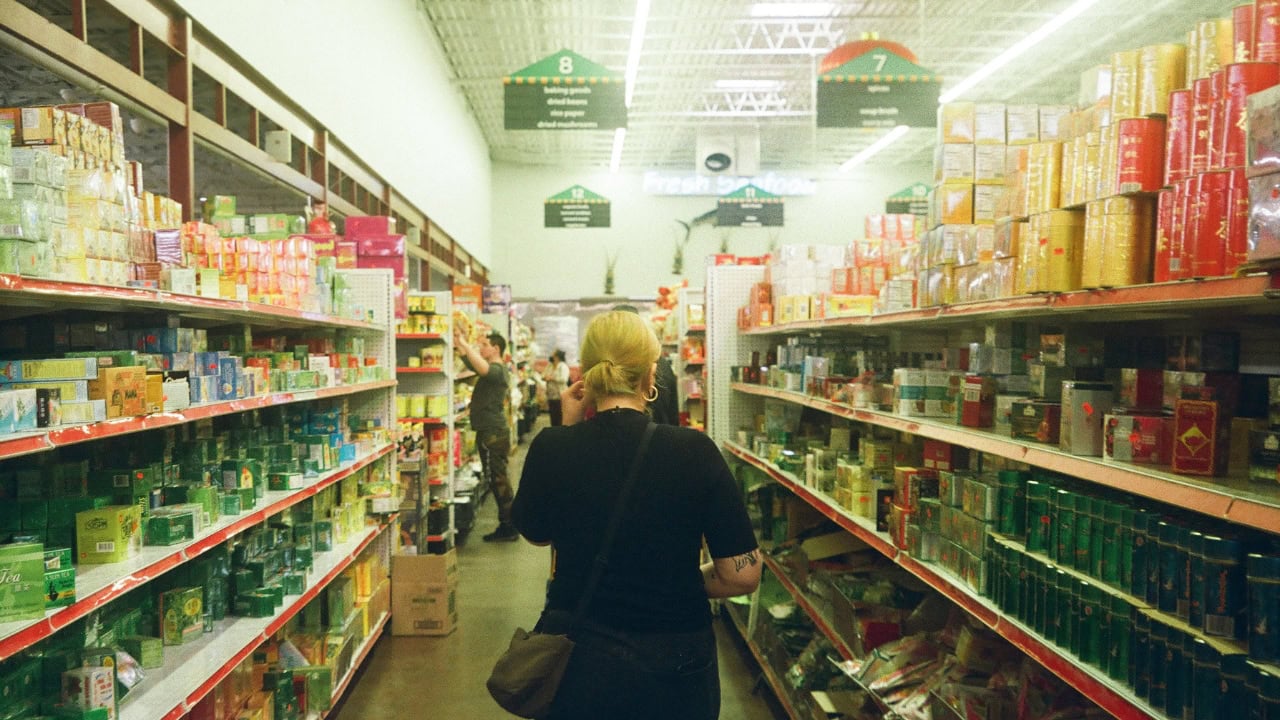
Walking into the store without a list often leads to wandering and grabbing whatever looks good. That habit alone can push your bill far higher than expected.
Planning meals ahead of time and building a list around them keeps your spending in check. It also helps you avoid duplicate items you didn't need in the first place.
Overbuying Fresh Produce
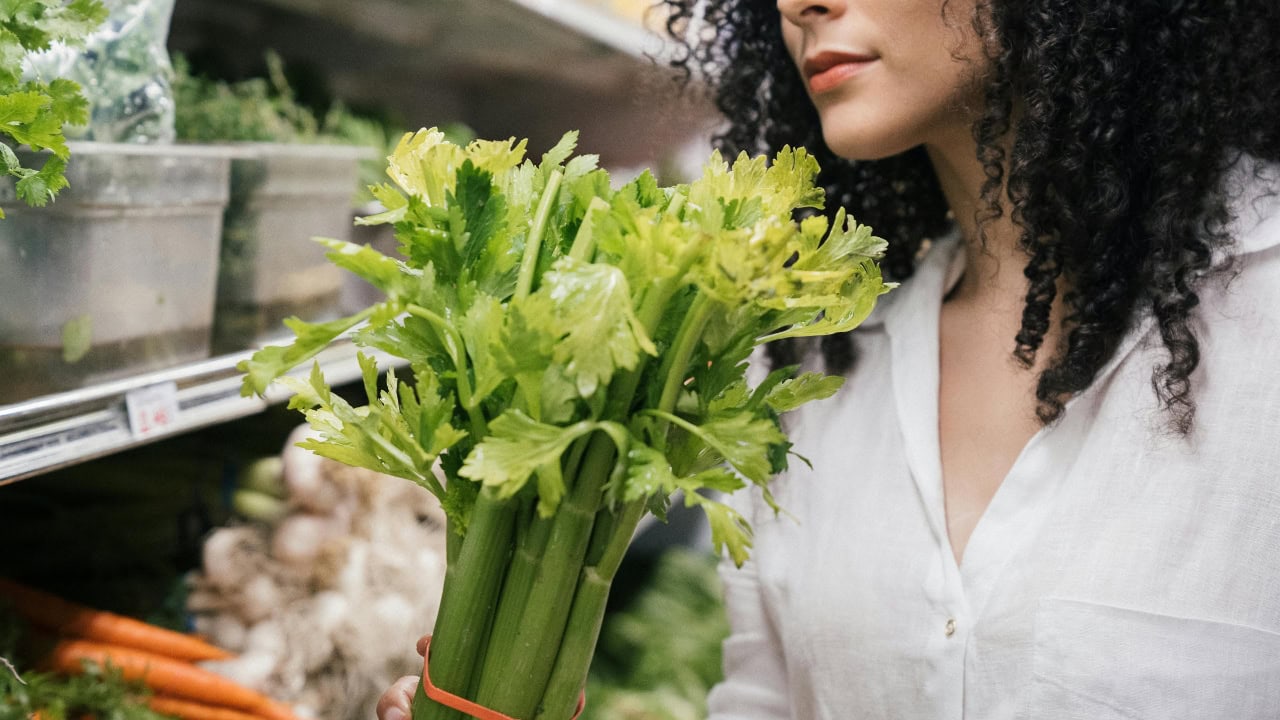
It's easy to get excited about healthy eating and load up on fresh produce, but a lot of it ends up spoiling before you use it. That's money straight in the trash.
Buying smaller amounts more often helps you save. Frozen fruits and vegetables are another way to stretch your budget without sacrificing nutrition.
Falling for Promotions
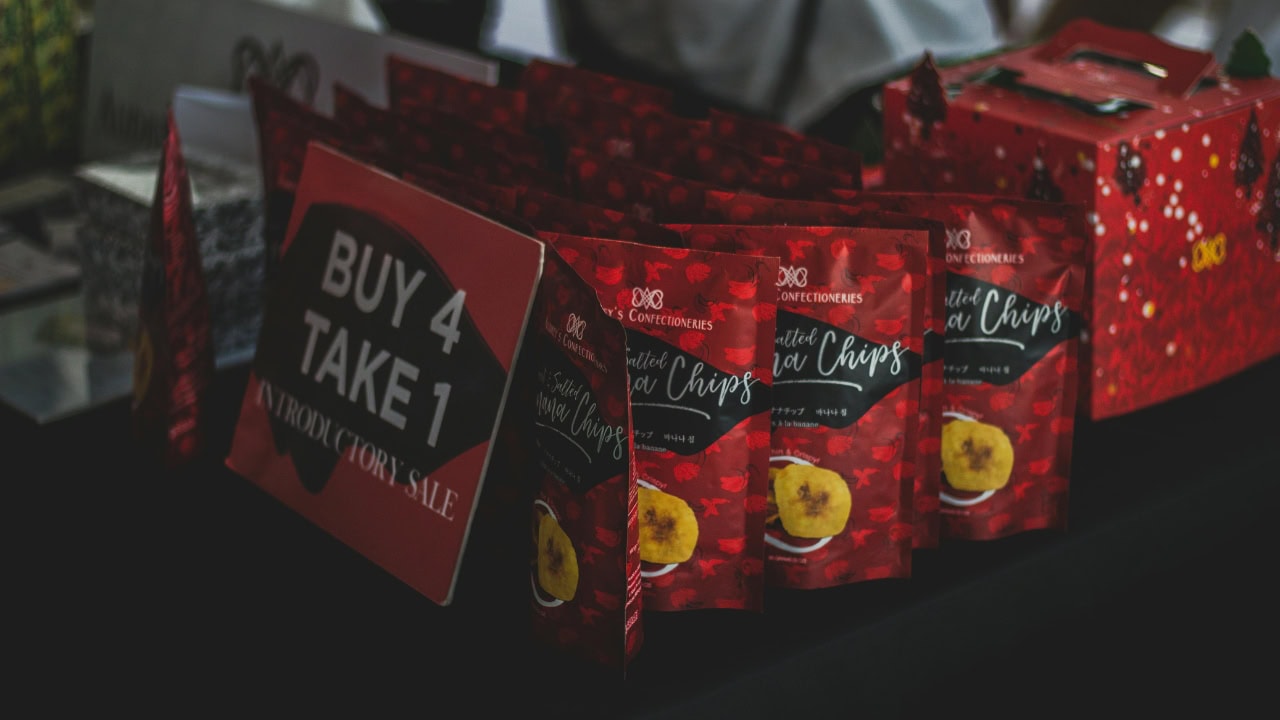
Buy-one-get-one offers or "family packs" look like a deal, but they only save you money if you actually use everything. Otherwise, you're overspending and wasting food.
Checking the price per unit and asking if you'll realistically use it is the best way to decide if the deal is worth it.
Ignoring Store Brands

Sticking to name brands for everything can quietly add hundreds to your annual grocery total. In most cases, store brands offer the same quality at a much lower price.
Swapping even half of your weekly purchases for store brands can pull your budget back down without feeling like you're missing anything.
Picking Up Extra Drinks

Bottled tea, soda, energy drinks, and flavored waters might not look pricey on their own, but buying them regularly racks up fast. Drinks can eat a huge chunk of your grocery budget.
Investing in a good water filter or making your own tea and coffee at home keeps those costs low. You'll still get variety, but for pennies on the dollar.
Forgetting Coupons and Apps
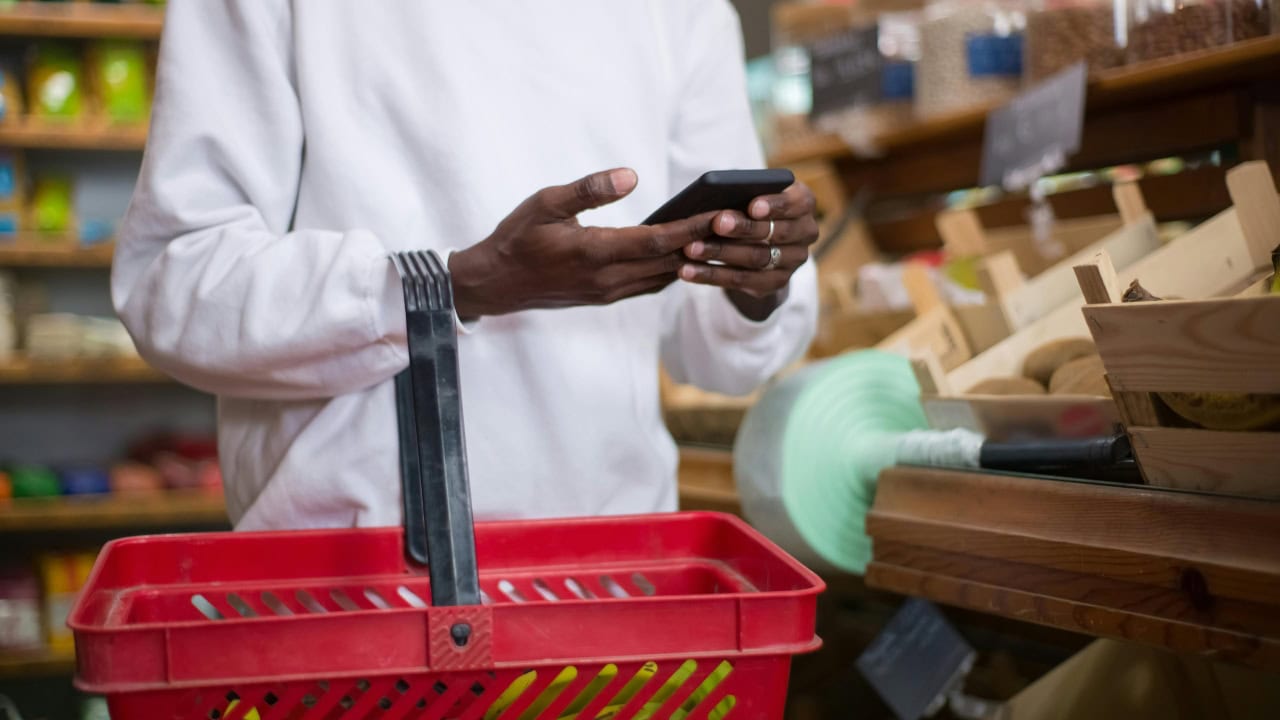
Coupons and store apps aren't old-school anymore-they're where real savings are. Ignoring them leaves money on the table that could lower your weekly total.
Even five minutes of checking apps before you shop can make a difference. Stacking a store sale with a digital coupon is one of the easiest ways to bring that $600 bill back down.
Making Too Many Trips

Running to the store several times a week makes it harder to track what you're spending. Quick trips often lead to buying more than what you planned.
Consolidating trips into one or two per week helps you stick to your list and control impulse buys. Fewer visits means fewer opportunities for overspending.
Paying Full Price for Meat

Meat is one of the biggest grocery expenses, and buying it at full price week after week keeps your bill high. Sales rotate often, and catching them makes a big difference.
Stocking up during sales and freezing portions saves you a lot over time. Even a small habit shift here can shave down your grocery budget significantly.
*This article was developed with AI-powered tools and has been carefully reviewed by our editors.






Leave a Reply