
10 things that feel frugal but don't really save you anything

Some frugal habits are genuinely helpful. Others feel wise but don't actually move the needle-and sometimes they even cost you more in time, gas, or stress than they're worth.
You don't have to be perfect with money, but it's nice to know which "smart" habits you can let go of without guilt.
1. Driving to three different stores to save a few cents

Yes, milk might be cheaper at one store and bread cheaper at another. But if you're burning extra gas and time ping-ponging around town, you're probably not really saving.
Instead, pick one main store that treats you well on most prices. Use the others strategically for big stock-ups or true deals-not daily runs.
2. Buying the absolute cheapest version of everything

There's a difference between "affordable" and "so cheap it breaks." If you keep rebuying low-quality tools, clothes, or appliances because they fall apart, you're spending more over time.
It's okay to choose the mid-range option that actually lasts. A $25 item that works for years beats a $10 one you replace every few months.
3. Extreme couponing on stuff you don't use
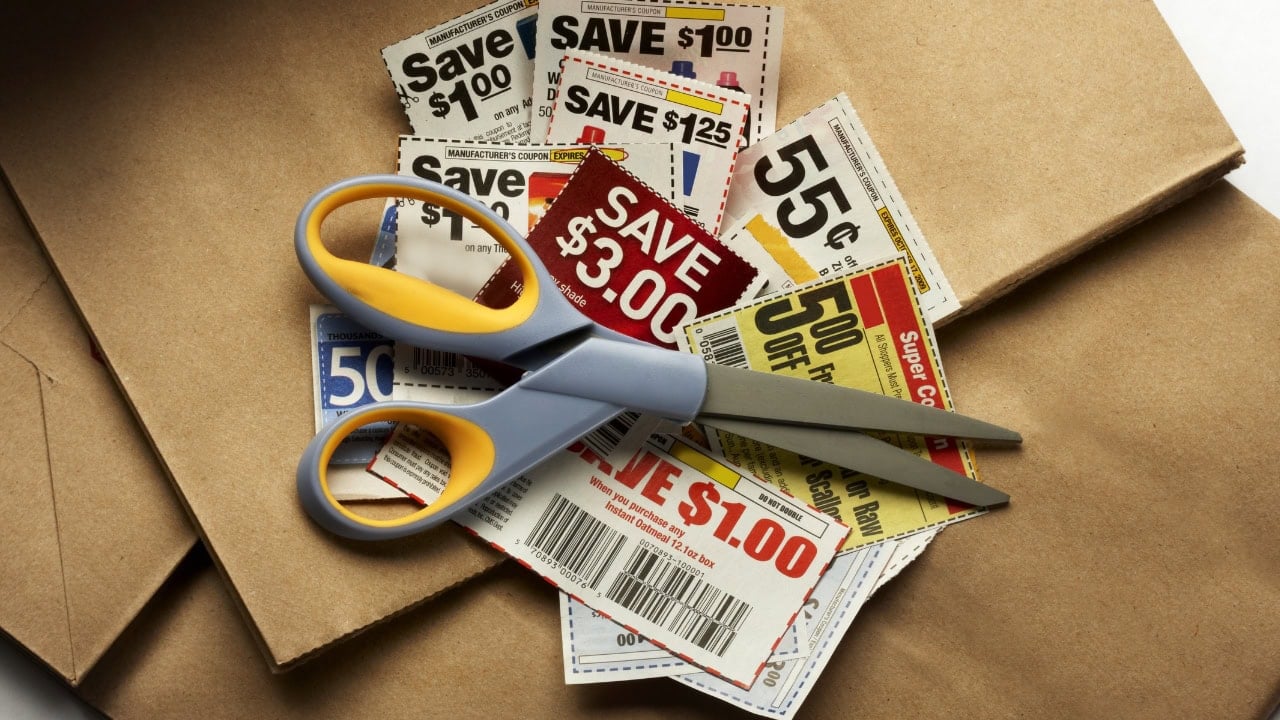
If you love couponing and it fits your season of life, great. But stacking deals for products your family doesn't even like-or that clutter your cabinets-isn't saving. It's just shifting money into a category you never needed.
Use coupons for things you were already going to buy, or let them go. You're not failing if you don't chase every deal.
4. Skipping regular maintenance to "save" money

Putting off oil changes, ignoring small leaks, or never servicing your HVAC can feel like saving…until something breaks in a bigger, more expensive way. That's true for cars, houses, and even appliances.
Basic maintenance is often the cheaper option long-term. Build those costs into your budget as part of owning the thing, not an optional extra.
5. Buying in bulk when it leads to waste

Grabbing giant sizes because the per-unit cost is lower only works if you actually use everything before it goes bad. Throwing out half a container of food or cleaner cancels out the "savings" instantly.
If your house is small or your family doesn't plow through certain items, smaller sizes that you finish are the smarter choice.
6. Signing up for store cards just for the discount

That "extra 20% off today" is tempting, but store cards can encourage more spending and add one more bill to manage. If you're not organized, it's easy to rack up interest and fees that wipe out the discount entirely.
Unless you're extremely disciplined and the card truly fits your long-term plan, it's okay to say, "No thanks, I'm good," at the register.
7. Using Buy Now, Pay Later for small stuff
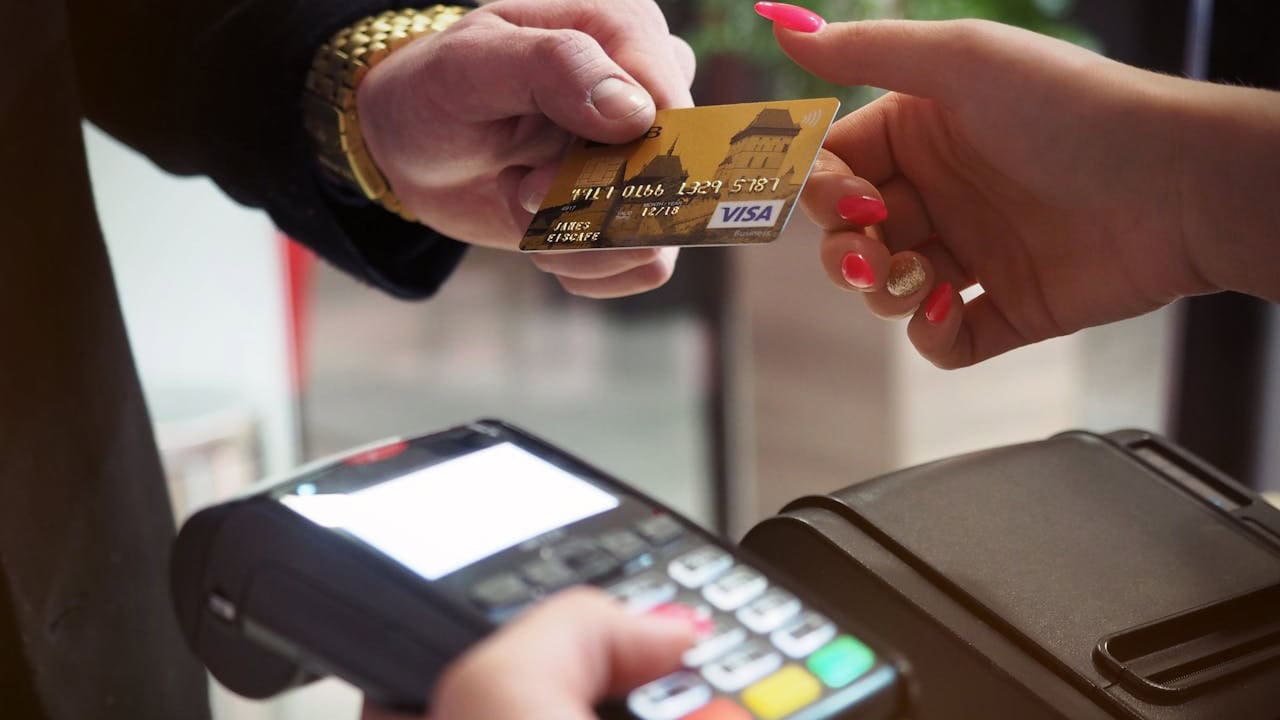
BNPL can make it feel like you're spreading out the cost responsibly, but people end up overspending and juggling multiple payments across apps. A growing number of users report missed payments and fees, and regulators are starting to pay closer attention to the debt it creates.
If you couldn't comfortably pay for it this month, breaking it into four chunks doesn't magically make it affordable.
8. Chasing every rewards program
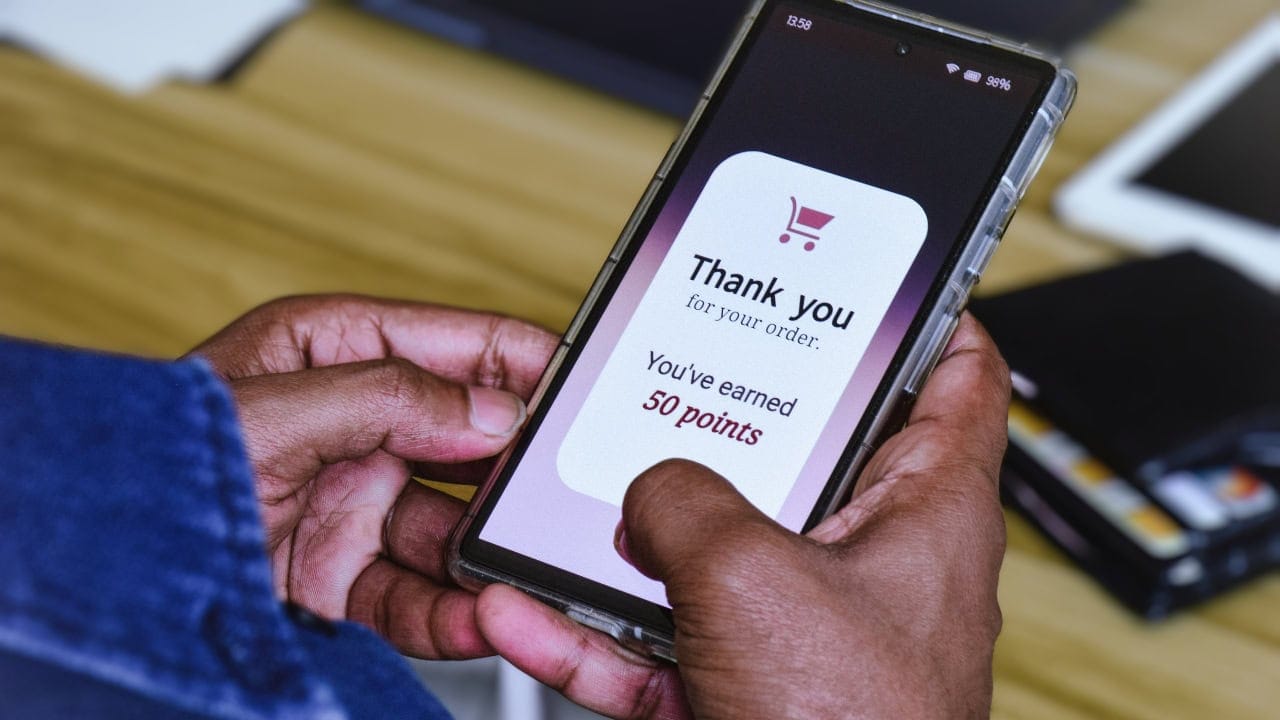
Rewards can be great-but only if they line up with what you'd do anyway. If you're spending extra or choosing higher-priced stores just to earn points, the math often doesn't work out.
It's perfectly fine to pick one or two programs that genuinely save you money and ignore the rest. Your brain only has room for so many logins and "earn 2x points this Tuesday" emails.
9. DIY-ing everything, even when you hate it
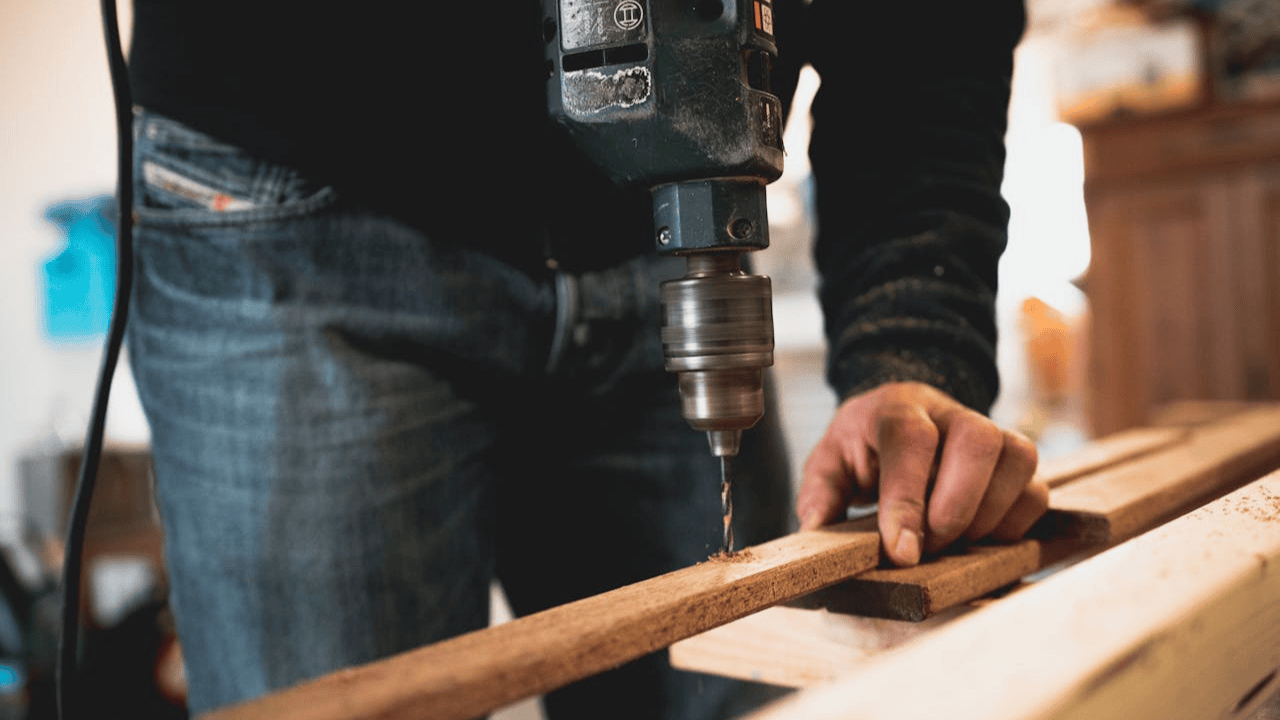
Doing things yourself can save a lot. But forcing yourself into every single DIY-especially ones you dread or aren't good at-can lead to wasted supplies, do-overs, and burnout.
Pick your spots. Maybe you cook at home more and hire out a small project, or you DIY gifts but buy a cake. Your time and energy are worth something too.
10. Constantly chasing the absolute lowest price

There's a difference between being thoughtful and being exhausted. If you're spending hours every week price-comparing tiny differences, that's time you could be using to meal plan, declutter, pick up a side gig, or just rest.
Aim for "good enough" pricing on most things and save your research energy for big purchases: appliances, vehicles, trips, or anything that truly impacts your budget. Small wins matter, but they're not worth your peace of mind.
Like Thrifty Jinxy's content? Be sure to follow us.
Here's more from us:
How to Make Baby Yoda Cookies with Step-by-Step Instructions
Super Easy Biscuit Recipe with No Shortening
*This article was developed with AI-powered tools and has been carefully reviewed by our editors.






Leave a Reply