
10 things that cost way more at Walmart than at Aldi
If you've ever shopped both Walmart and Aldi, you know the prices don't always line up. Walmart wins on variety, but Aldi is built around keeping everyday staples cheaper. When you compare unit prices, there are certain items where Walmart almost always costs you more.
Knowing what to grab at Aldi can save you real money, especially on products you buy every week. Here are ten things you'll typically pay more for at Walmart than Aldi.
Eggs

Eggs are one of the clearest examples where Aldi beats Walmart. A dozen large, grade-A eggs usually runs cheaper at Aldi, and the difference gets even bigger when you buy cage-free or pasture-raised. Walmart might stock more brands, but those options come at a higher cost. Over time, the extra cents per carton at Walmart add up, especially if eggs are a staple in your house. Aldi's limited selection keeps prices consistently low.
Sparkling Water
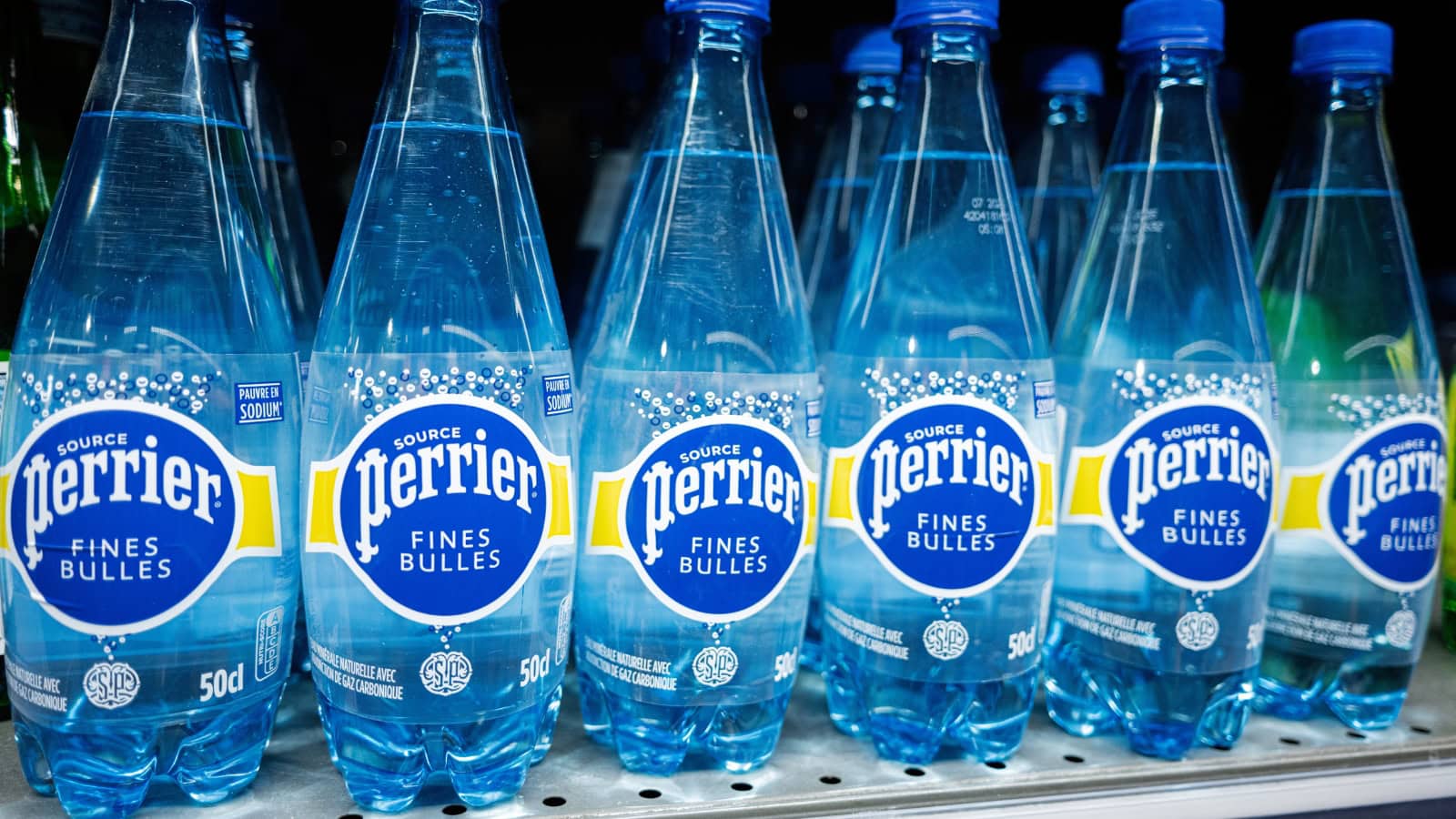
National sparkling water brands like La Croix often end up costing more at Walmart. The price tags might look close, but Aldi tends to package their store brand or multi-packs in ways that drop the cost per can lower than Walmart. If sparkling water is part of your daily routine, that difference adds up fast. Checking the unit price tells the story-Walmart usually comes out higher unless you catch a rare sale.
Name-Brand Cereal

Cereal is another aisle where Aldi usually wins. While Walmart often carries the bigger boxes, the price per ounce tends to be higher than Aldi's comparable store brands. Even when you're looking at the same national name, Aldi usually undercuts Walmart. That means if you're buying for a family that plows through cereal, sticking with Aldi keeps costs lower. At Walmart, you often end up paying for packaging and size, not actual savings.
Butter
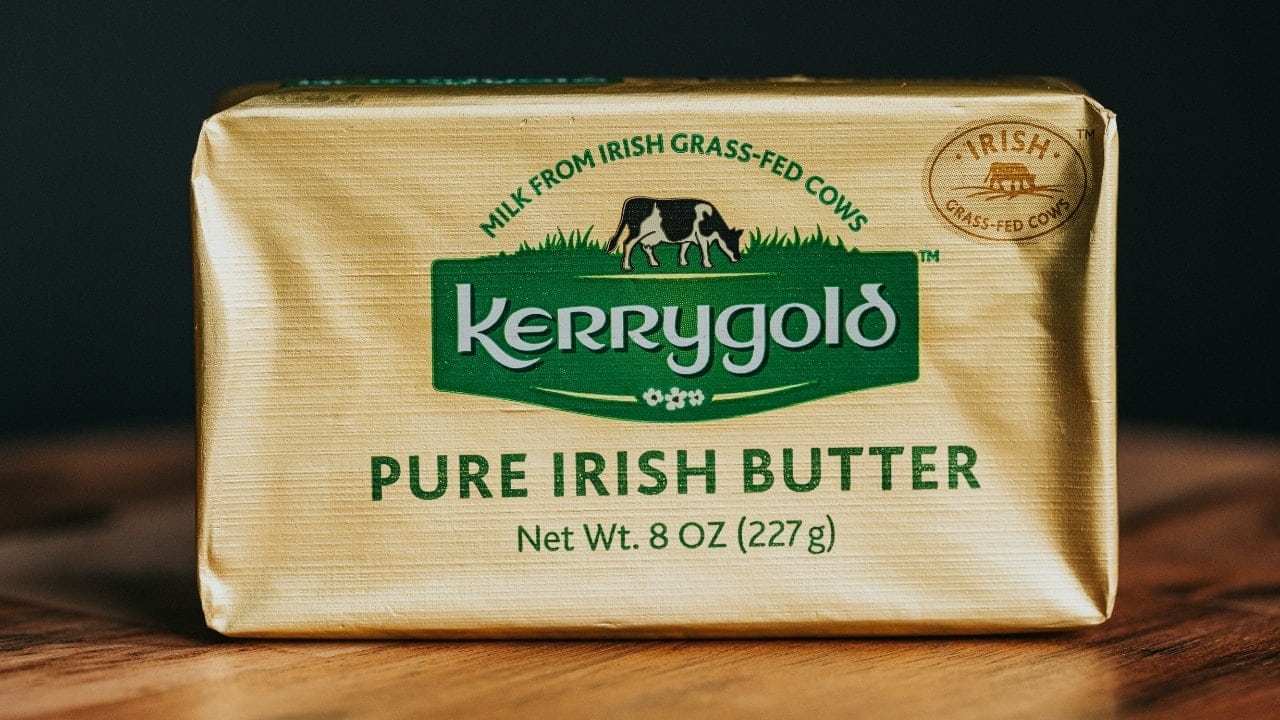
Regular butter-your everyday sticks or one-pound packs-is typically cheaper at Aldi. Walmart's store brand is more affordable than name brands, but it still comes in higher than Aldi's pricing on the same quality. For anyone who bakes or cooks with butter often, that difference makes a real dent over time. Specialty butters like Irish or organic can swing either way, but for the basics, Aldi holds the better deal.
Milk
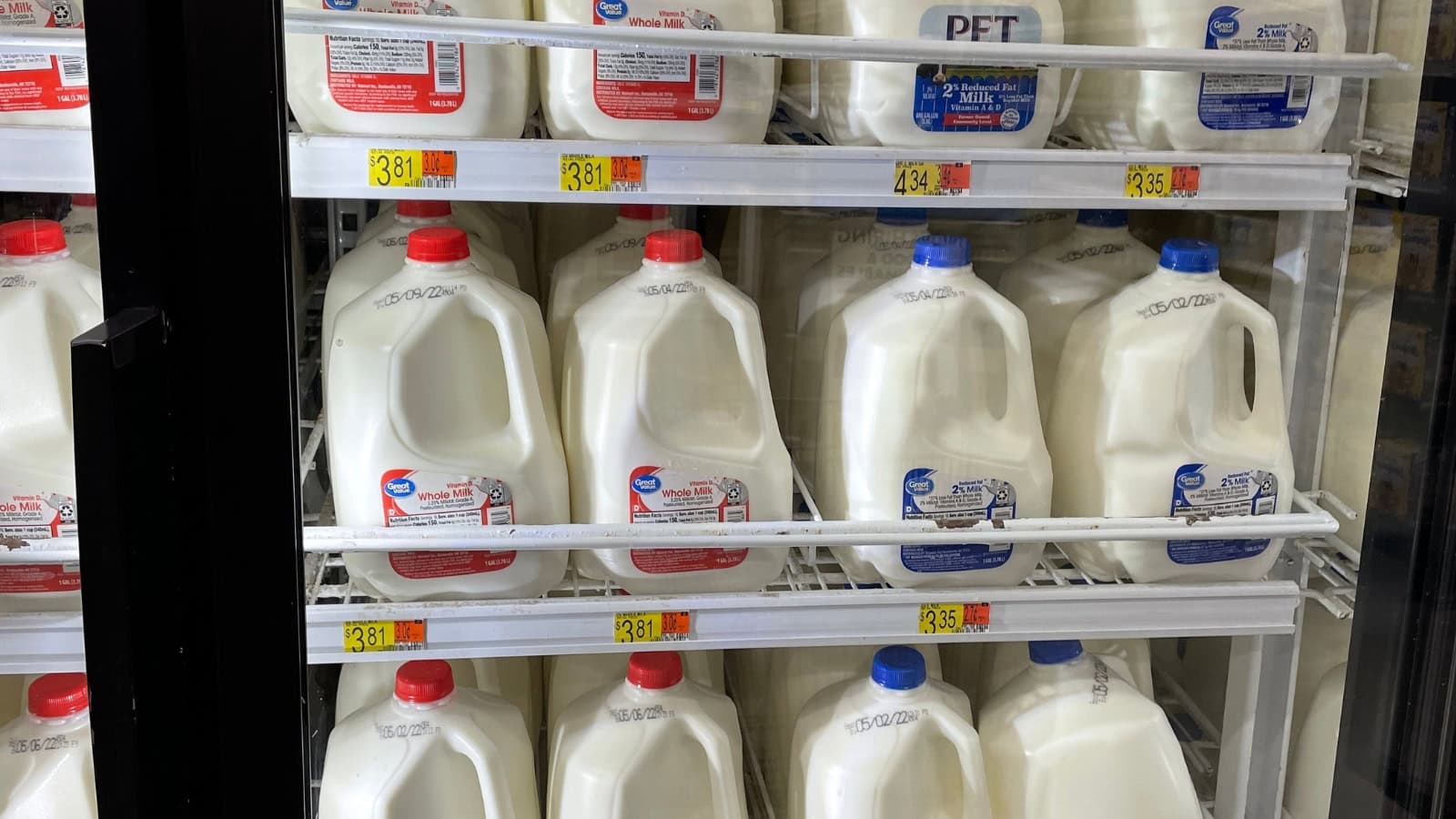
Standard milk, whether it's whole, 2%, or skim, usually costs less at Aldi. Walmart has a bigger selection and brand variety, but you'll often pay more per gallon. Aldi keeps their store-brand dairy staples priced aggressively low, which makes them tough to beat. If your household goes through milk quickly, shopping at Walmart could cost you dollars more every month without you even realizing it.
Produce
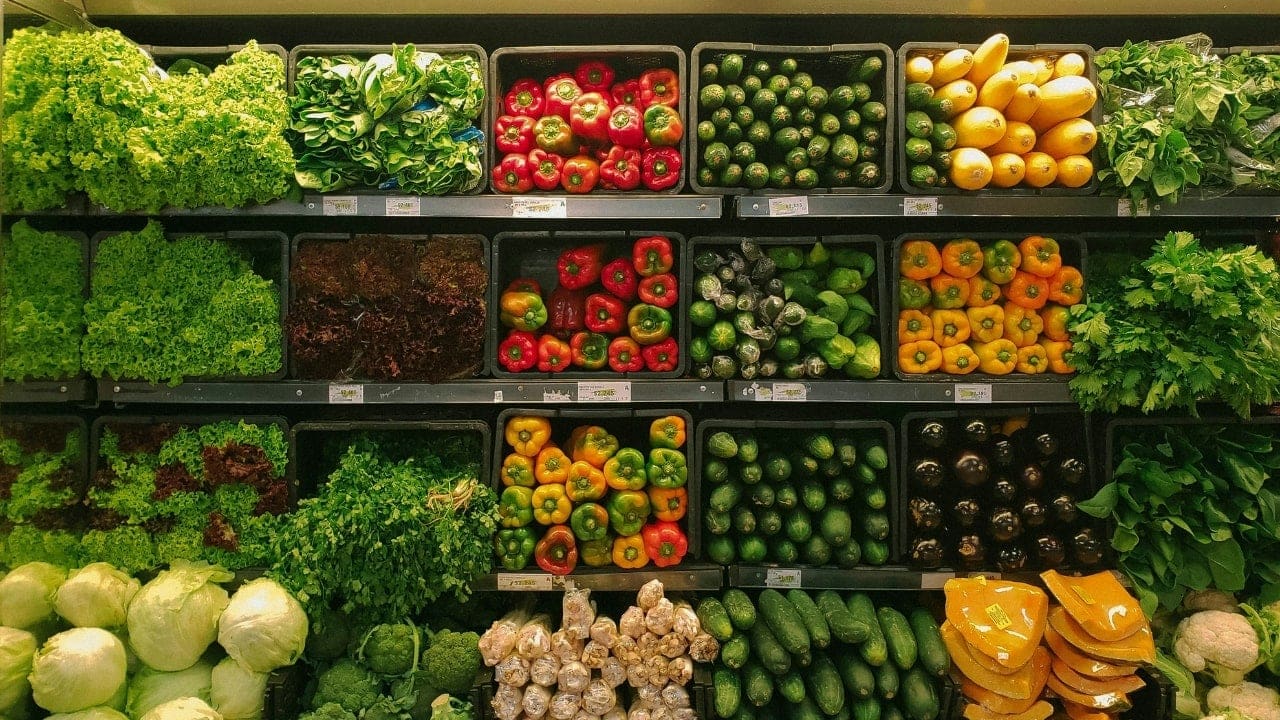
Produce is one of Aldi's strongest categories for savings. Items like baby carrots, mini peppers, and avocados often run noticeably cheaper than Walmart's prices. Walmart does carry more selection, but you'll usually pay more for the basics. Aldi rotates seasonal produce at low prices, so if you're buying week to week, the savings stack up fast. Walmart's convenience is nice, but it rarely matches Aldi's pricing on fresh produce staples.
Snack Foods
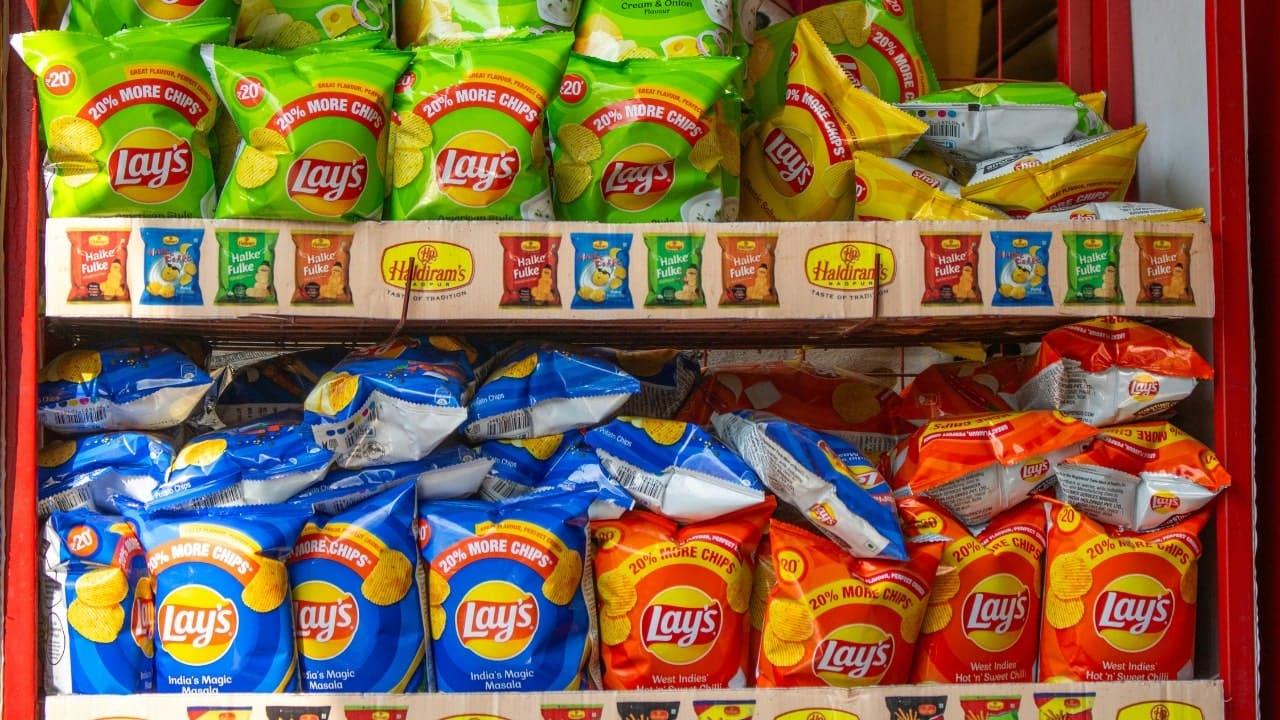
When it comes to national-brand snacks, Walmart's shelves are loaded, but you'll usually pay more for them. Aldi's store brands are almost always cheaper while still tasting close enough for most families. Even on name-brand candy or chips, Aldi's pricing often undercuts Walmart's per-ounce cost. If you're restocking for school lunches or movie nights, those higher Walmart prices can sneak up on you. Aldi makes snacking cheaper without sacrificing variety.
Rice
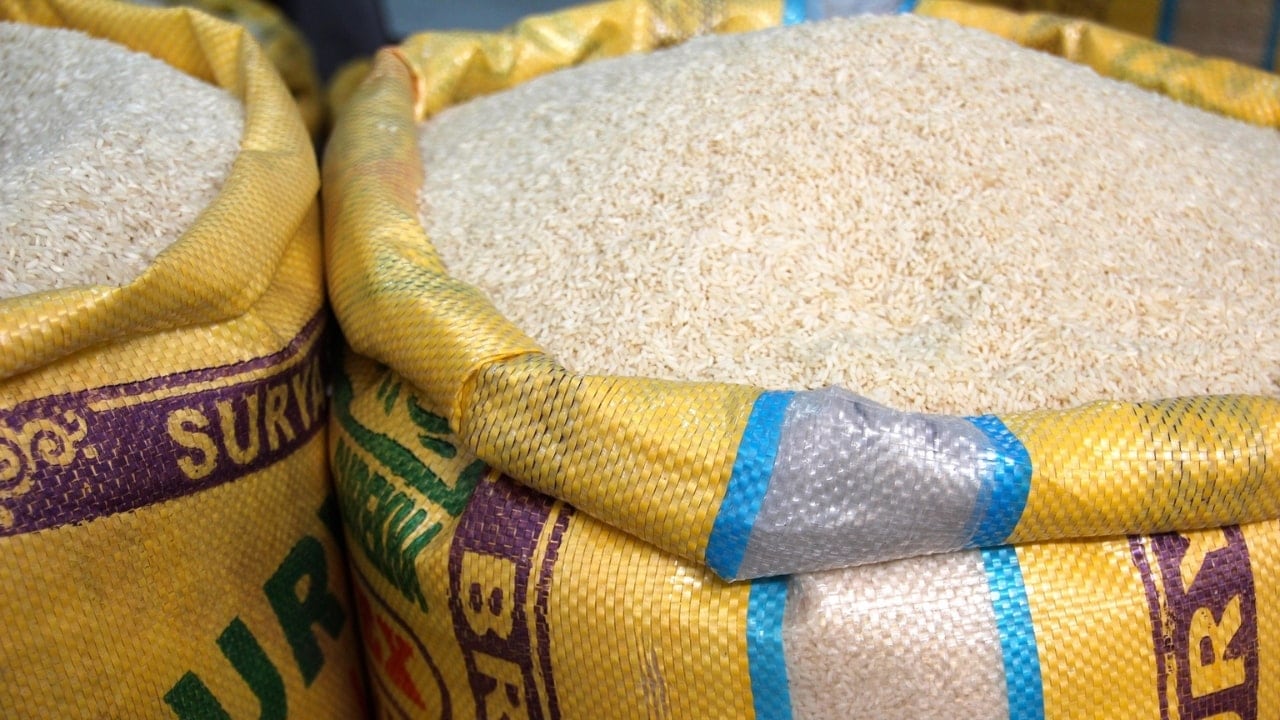
Rice is another pantry staple that usually costs more at Walmart. Aldi's long-grain, jasmine, and basmati rice bags tend to be priced lower per pound. Walmart often looks competitive at first glance because of larger bags, but the math works out differently once you break down the unit cost. If rice is a regular part of your meals, Aldi saves you money over time without compromising quality.
Household Staples

Paper towels, toilet paper, and trash bags are easy to overlook, but Aldi usually comes out cheaper. Walmart's versions lean heavily on name brands, which push the price up even when "rollbacks" are in place. Aldi's store-brand household goods cost less and perform about the same for everyday use. When you're stocking up on basics, buying them at Walmart often means paying more without actually getting better quality.
Cheese
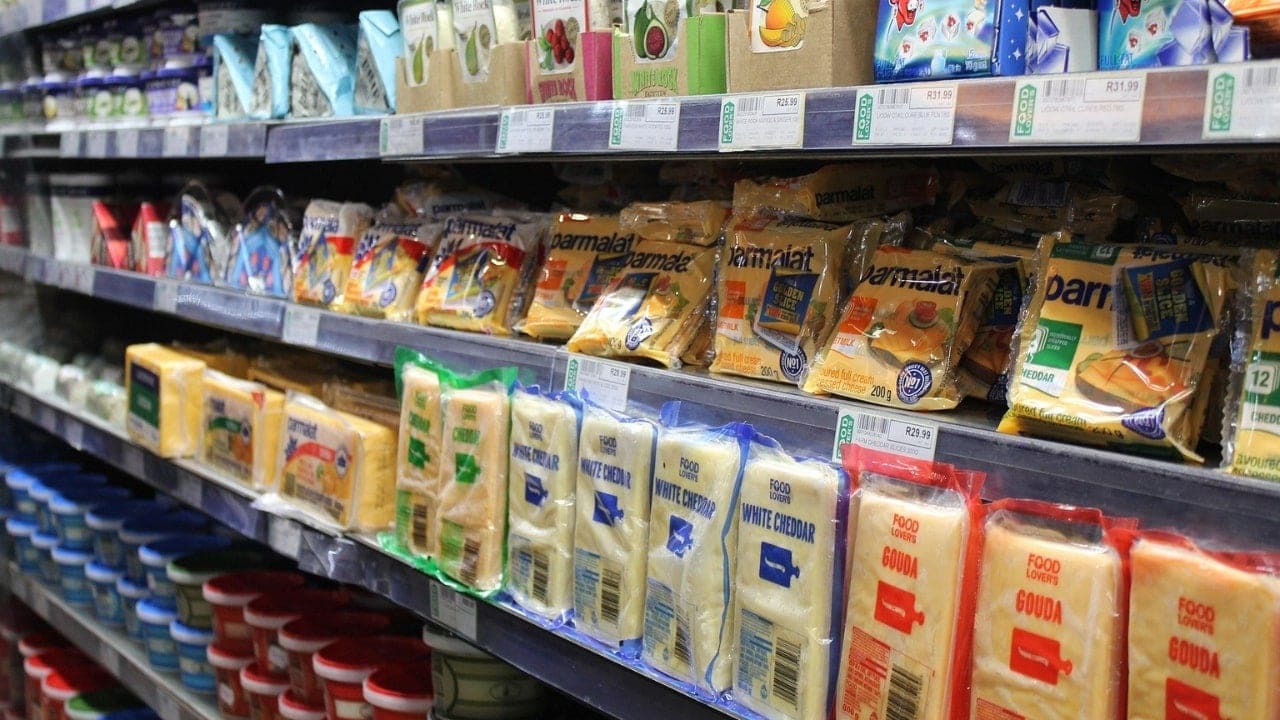
Cheese-blocks, shredded bags, or sliced packs-is another area where Aldi's store-brand pricing usually beats Walmart. While Walmart may have more flavors and specialty brands, the standard types run higher. Aldi's cheese selection might be smaller, but it consistently costs less per ounce. For families who go through cheese quickly, shopping at Aldi can shave dollars off the weekly grocery bill compared to Walmart's prices.
*This article was developed with AI-powered tools and has been carefully reviewed by our editors.






Leave a Reply