
It's easy for your bank statement to fill up with small, forgettable charges that slowly chip away at your balance. Most people have at least a few line items that don't make sense anymore-old subscriptions, hidden fees, or expenses that once felt worth it but aren't pulling their weight now.
Cleaning them up can feel like giving yourself a raise without doing any extra work. Here's what's likely draining your account quietly and what you can finally cross off for good.
Forgotten subscriptions
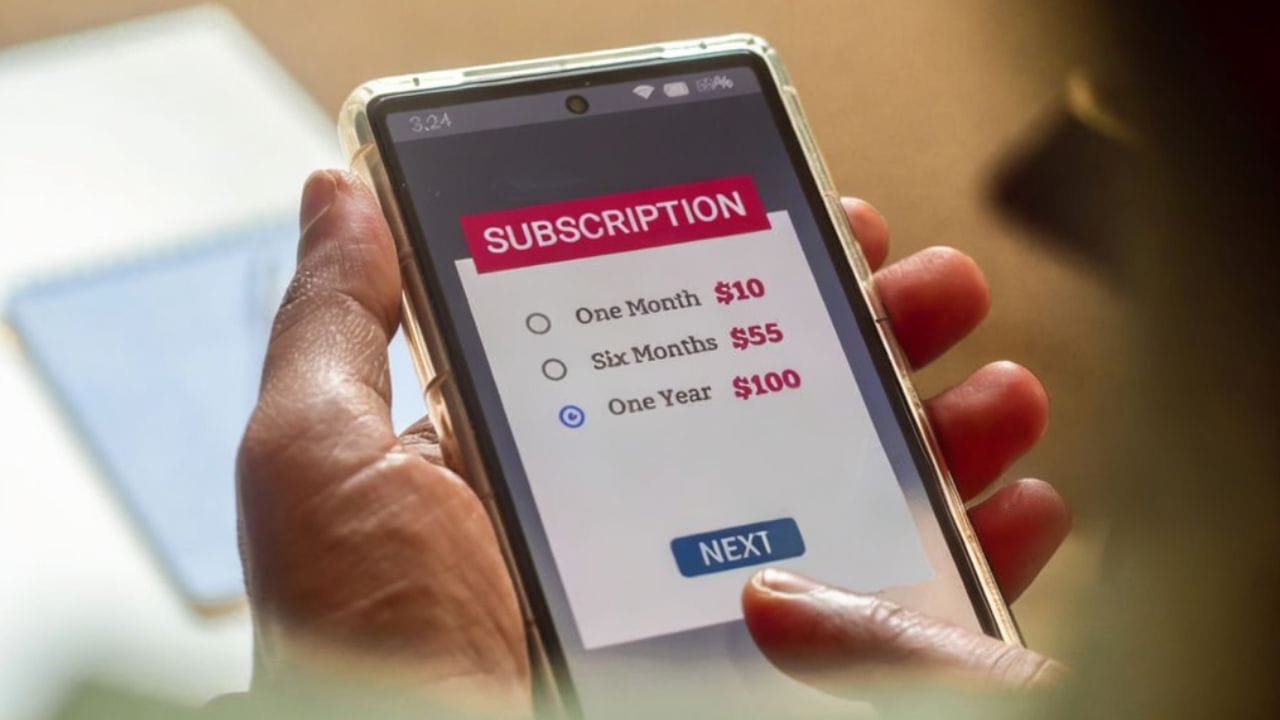
It's easy to forget about the free trial that turned into a monthly charge or the app you stopped using last year. These small recurring fees often keep charging until you manually cancel them.
Check your bank statement and look for anything you don't actively use. Streaming services, fitness apps, or digital magazines are common culprits. Canceling a few can easily free up $20-$50 a month.
Overlapping streaming services
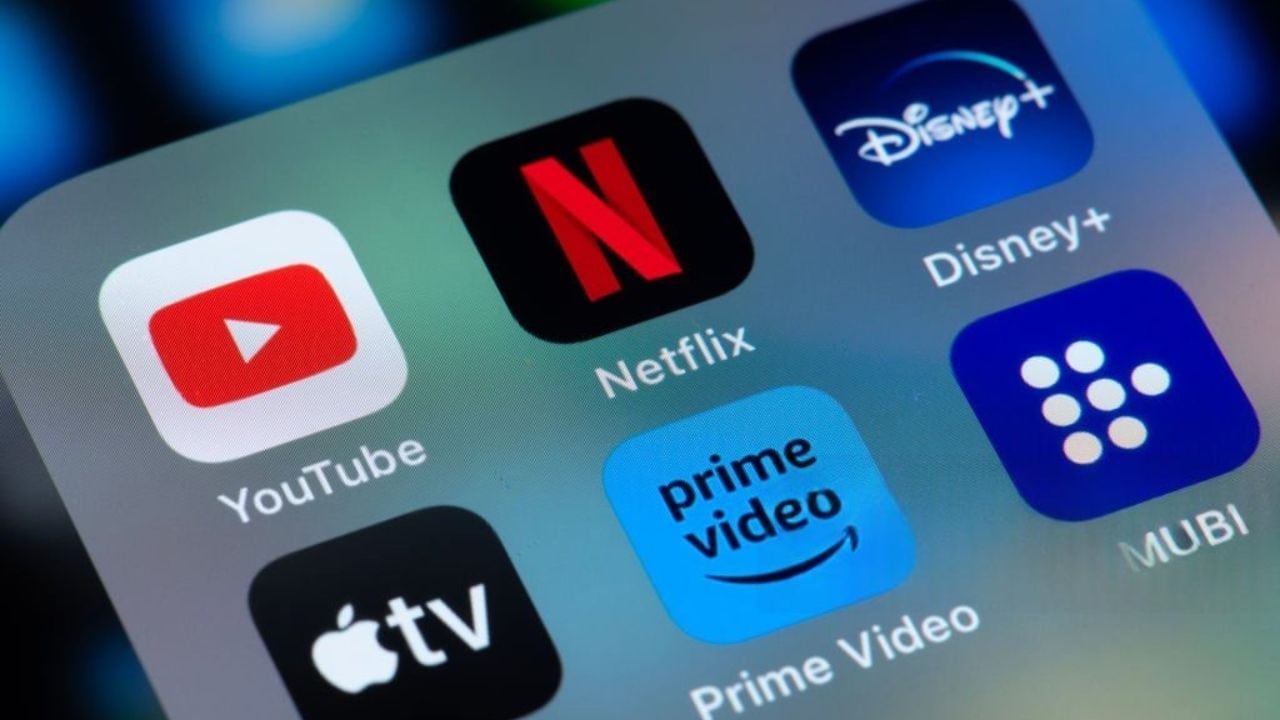
You might have signed up for multiple streaming platforms thinking you'd rotate between them-but most people don't. Paying for two or three services with similar shows or channels adds up fast.
Pick the one you actually use most often and pause the rest. You can always resubscribe later if there's something specific you want to watch.
Unused memberships
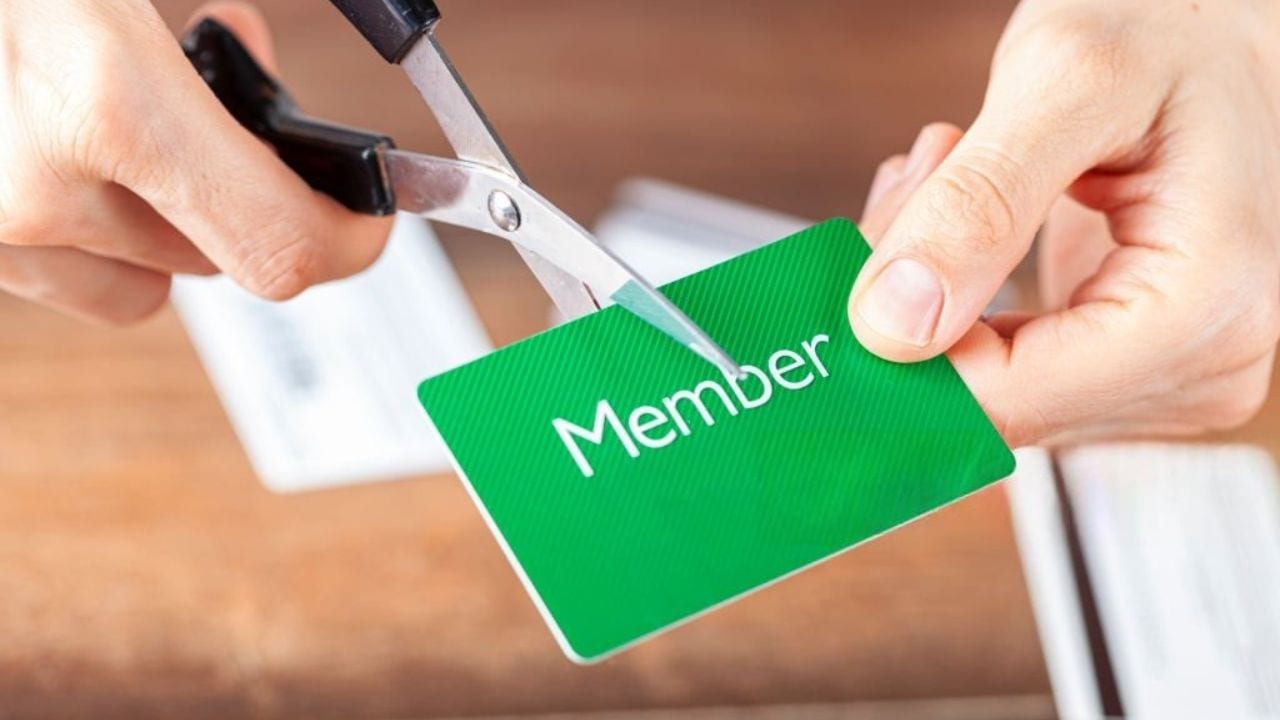
Gym, warehouse clubs, and online memberships often renew automatically even if you haven't used them in months. These are easy to overlook because the charges tend to be small and consistent.
If you haven't set foot in the gym or placed a bulk order recently, it's time to reevaluate. Canceling unused memberships can save hundreds a year with zero lifestyle impact.
Bank or card fees
Maintenance, overdraft, and "convenience" fees sneak up on you. Many banks quietly tack them on when your balance dips or you use out-of-network ATMs.
Look at your monthly statement and identify any recurring bank fees. Switching to a no-fee account or linking a backup savings account can help you avoid them altogether.
Food delivery markups

Ordering takeout through delivery apps can cost up to 30% more once you factor in service charges and tips. It's convenient, but those extra costs pile up quickly.
Pick up your order yourself or order directly from the restaurant when you can. Even a few skipped deliveries a month could save you over $100.
Automatic renewals you forgot about
Annual renewals for antivirus software, office tools, or website domains can hit your account without warning. You might not even recognize the charge when it shows up.
Set reminders before annual renewals so you can decide if you still need them. Many of these tools have free or lower-cost alternatives that work just as well.
"Free trials" that kept charging
A lot of services hook you with a free trial that turns into a paid subscription after a week or month. If you didn't cancel in time, that "free" trial could still be charging you.
Go through recent small charges and look for anything that matches an old trial you signed up for. Cancelling them now can prevent more wasted money next month.
Inactive app charges
App store purchases can hide under vague names, making them easy to miss. Some charge monthly for premium features you may have stopped using long ago.
Check your Apple or Google subscriptions through your phone settings. Removing unnecessary app charges keeps your statement cleaner and your budget healthier.
Insurance add-ons you don't need
Extra coverage options-like rental car protection, device insurance, or identity monitoring-often sound smart at first but rarely get used.
Review your policies and see what's overlapping or unnecessary. If you're already covered through another plan, removing redundant insurance saves money without sacrificing protection.
Coffee runs and convenience stops

Those quick stops for coffee, snacks, or drive-thru drinks might not stand out individually, but they add up fast across a month.
Try tracking how often you're swiping your card for small buys. Cutting back on even a few of these weekly habits can save you more than you think-and make your statement look a lot cleaner.
*This article was developed with AI-powered tools and has been carefully reviewed by our editors.






Leave a Reply