
10 things I gave up that added $150 to our savings each month
Saving money doesn't always mean making more-it often means cutting back on the things that don't give you much value in the first place. When you look at your spending habits honestly, it's surprising how many small changes can free up real cash.
I trimmed back on certain things and ended up with an extra $150 each month going into savings. Here's what I gave up that made the biggest difference.
Daily Coffee Runs
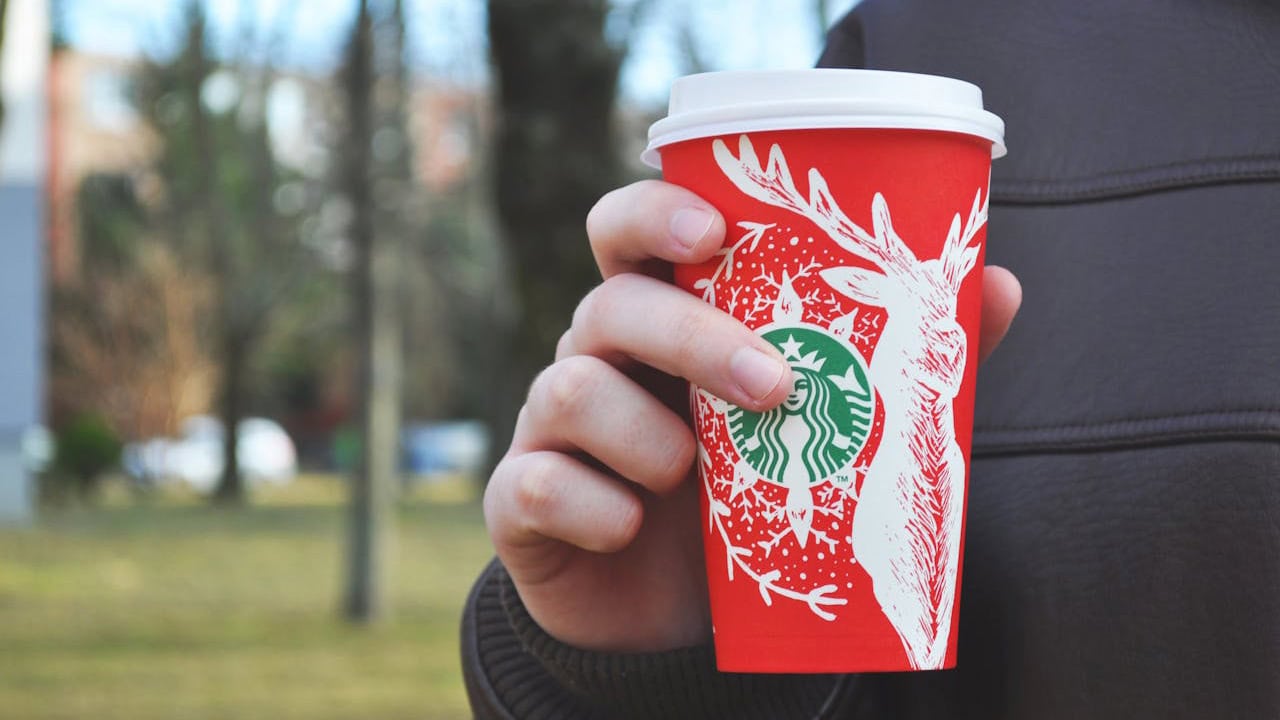
A $4 or $5 coffee might not feel like much, but when it's happening several times a week, it's a major leak in your budget. Brewing coffee at home costs pennies per cup and lets you control exactly how strong or sweet it is.
Once you get used to it, you don't miss the line at the drive-thru or the daily swipe of your card. That habit alone freed up $40 a month.
Unused Subscriptions
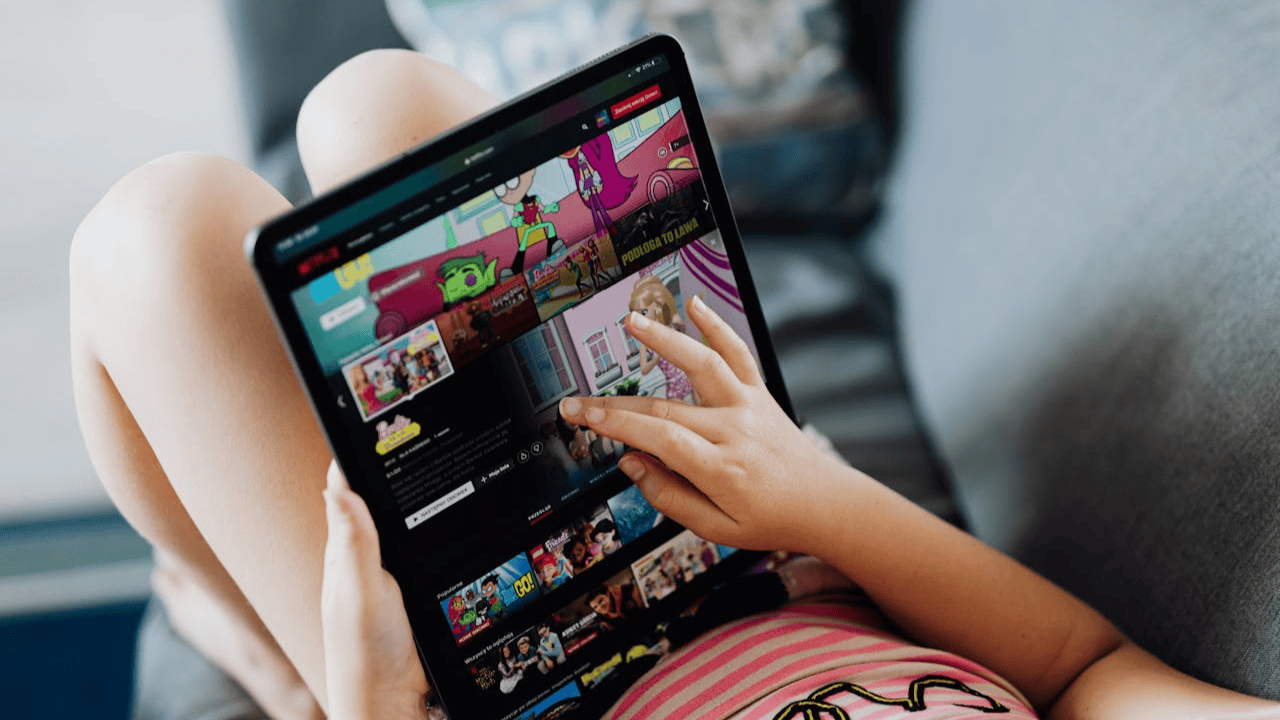
Streaming services and apps are sneaky because they feel cheap on their own, but stacked together, they eat a big part of your budget. Canceling the ones I barely touched made an immediate difference.
Even cutting out two or three unused services can save you $20-$30 a month. The best part is you can always add one back if you realize you miss it.
Bottled Water
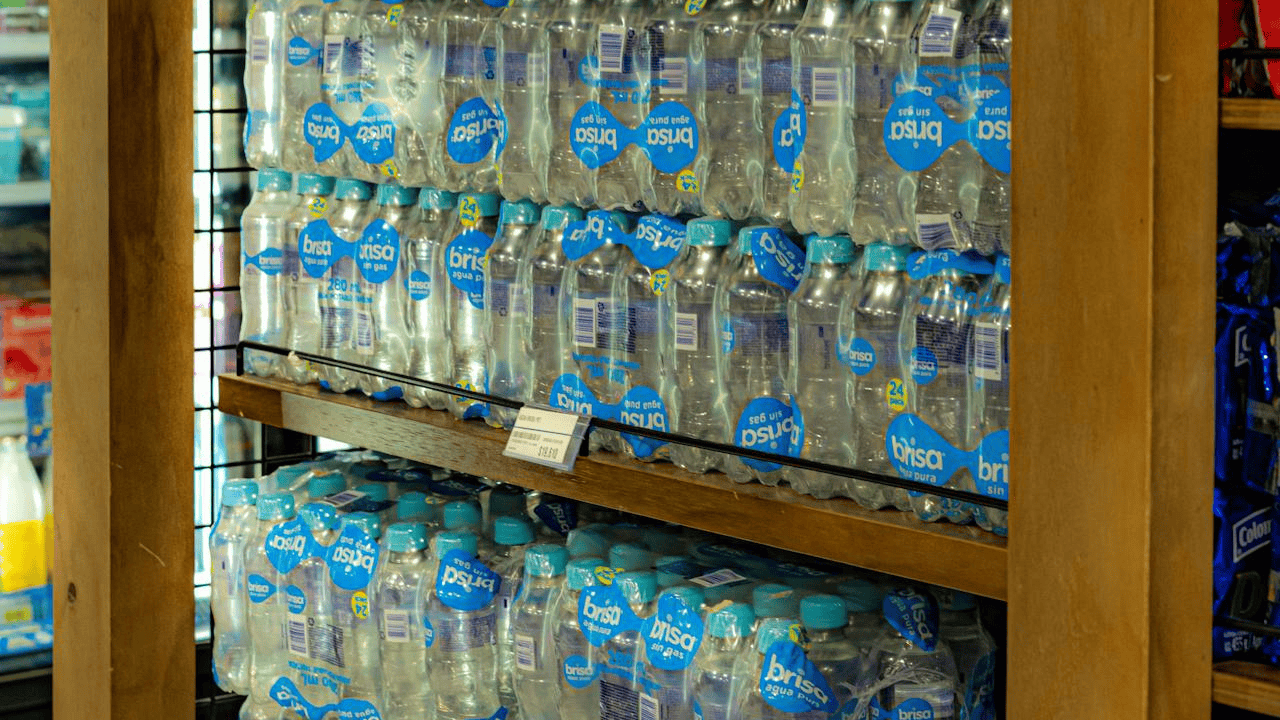
Buying bottled water every week adds up fast, especially if you're stocking the fridge with cases. A one-time purchase of a water filter pitcher eliminated the need for constant refills at the store.
Not only did it save money, but it also cut down on plastic waste. Over the month, it easily saved $20 without any real sacrifice.
Eating Out on Weeknights
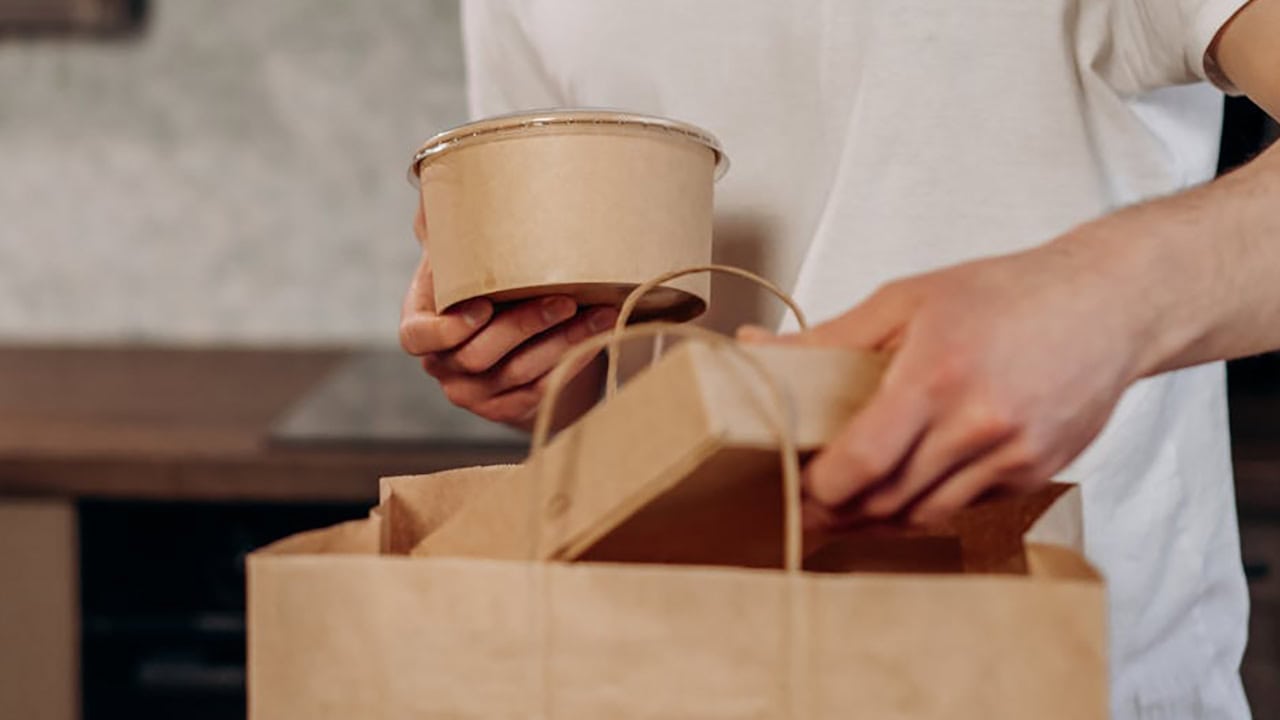
Grabbing takeout after a long day feels convenient, but those $15-$20 meals stack up quickly. Cooking simple meals at home, even on busy nights, made a huge difference in both health and spending.
When you swap two takeout nights for groceries, you're saving $40 or more right there. That was an easy change that added real money back into the budget.
Buying Clothes on Impulse
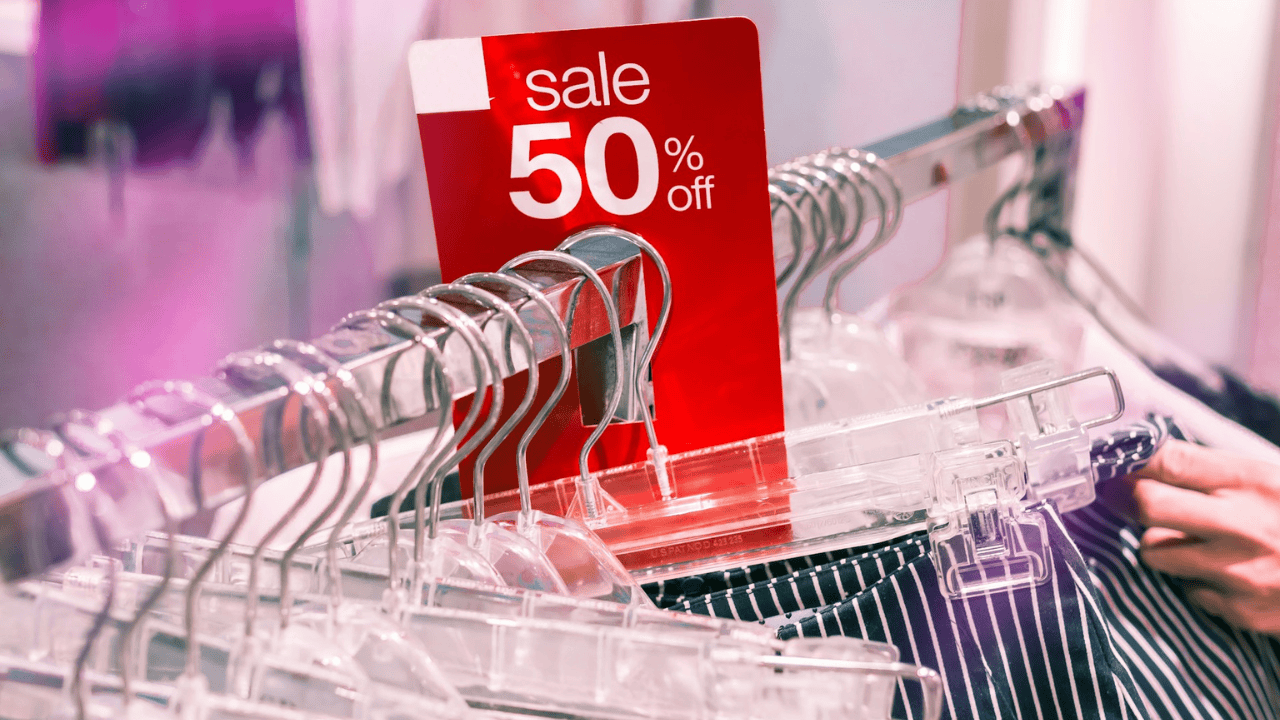
Sales and fast-fashion deals used to draw me in, but most of those pieces didn't last long or even get worn much. Cutting back on impulse shopping stopped money from disappearing into the closet.
Now, when I do buy clothes, it's intentional and higher quality, so I don't replace them as often. Avoiding a couple of "bargain" purchases each month saved about $25.
Name-Brand Groceries

Swapping out name-brand pantry items for generic versions cut my grocery bill without cutting quality. Flour, canned vegetables, rice, and cleaning supplies all added up to extra savings.
Most generics are nearly identical, and in some cases, made in the same facilities as their pricier counterparts. This one shift easily knocked $15-$20 off my bill every month.
Drive-Thru Snacks
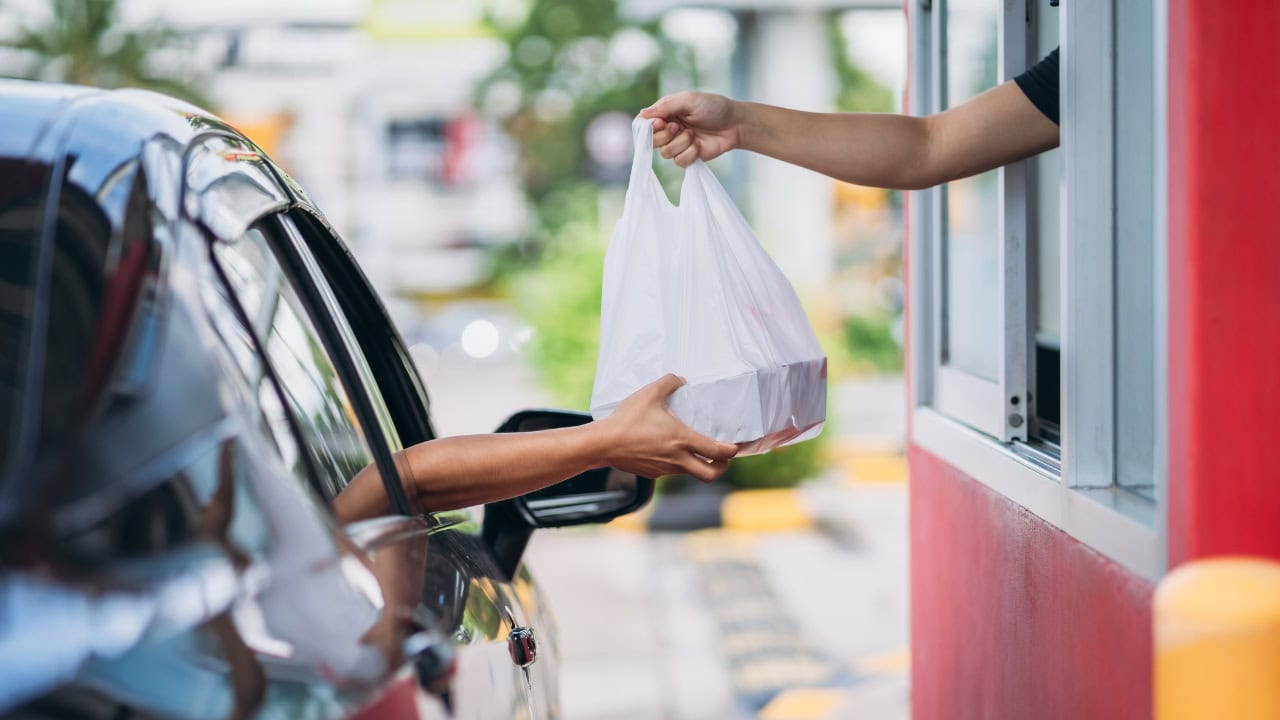
Swinging through for a soda or snack seemed harmless, but it added $2-$5 here and there that piled up by the end of the week. Packing snacks and drinks from home made those quick stops unnecessary.
It may not sound like much, but skipping those small extras freed up around $20 each month without me feeling deprived.
Extra Household Products
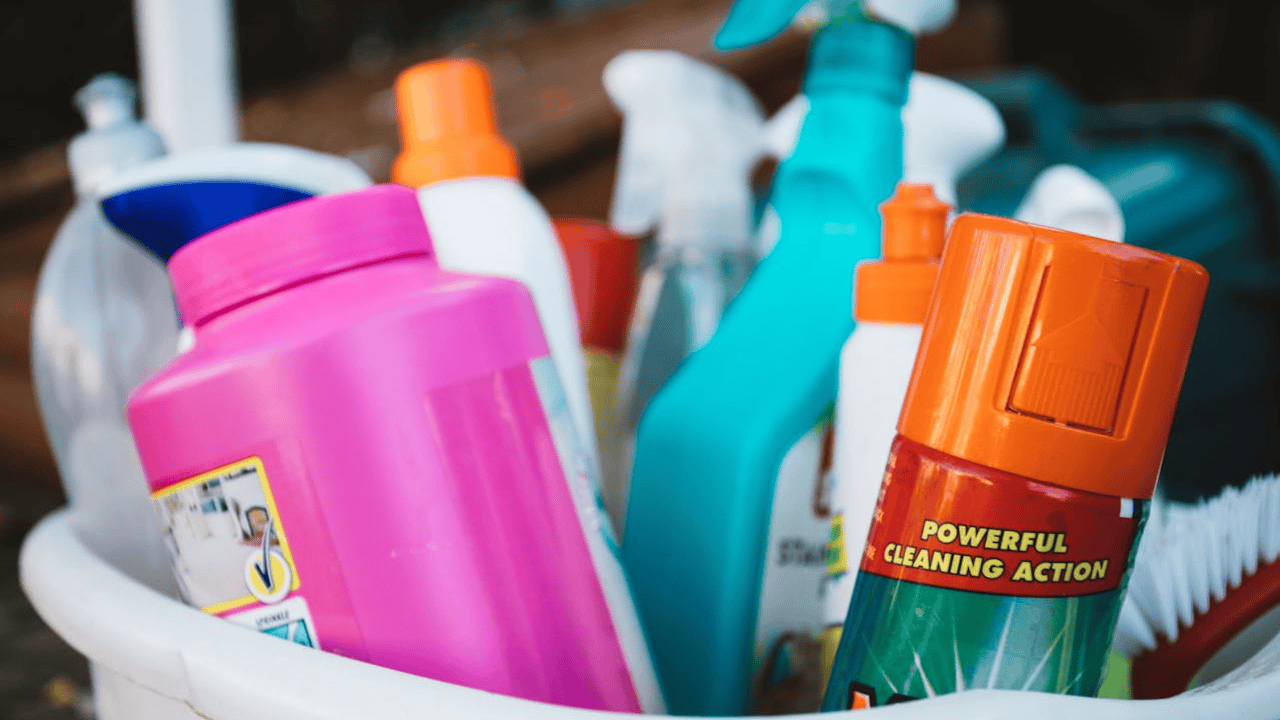
I used to buy every cleaning spray under the sun for different surfaces, but most of them overlapped. Cutting back to a few multi-purpose cleaners not only saved money but cleared up storage space too.
By not overbuying, I shaved about $10 off my monthly spending. Over a year, that adds up to more than $100.
Paid Car Washes

Running through the car wash once or twice a month cost more than I realized. Instead, I started washing the car at home with basic supplies I already had.
The car still gets cleaned, but I save $15-$20 each month. Plus, doing it myself means I'm more thorough and can catch little maintenance issues early.
Buying New Books Instead of Borrowing
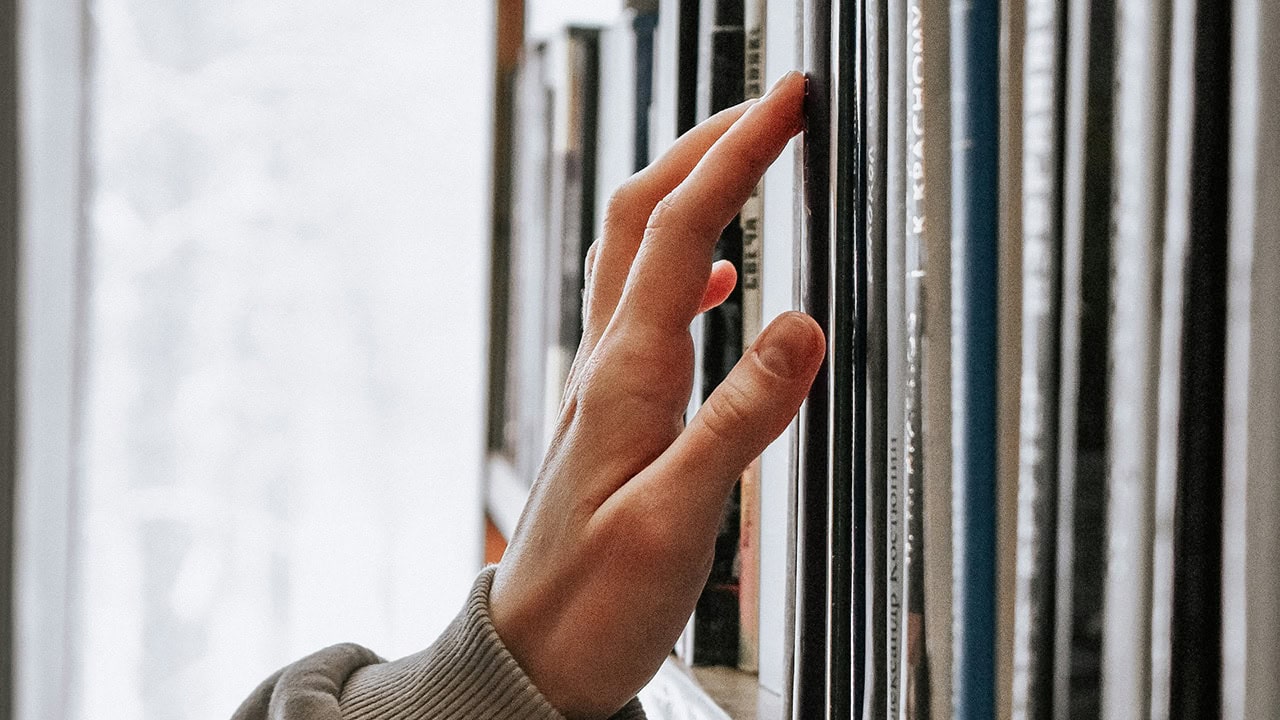
I love reading, but brand-new books can cost $15-$20 each. Swapping to the library, borrowing from friends, or using free digital apps saved me a surprising amount of money.
If you're reading even a couple of books a month, that's $30 or more back in your pocket. It's an easy switch that doesn't cut back on the enjoyment of reading.
*This article was developed with AI-powered tools and has been carefully reviewed by our editors.






Leave a Reply