
10 things I do every payday that keep me grounded

Payday feels good-but it can also be a trigger to overspend, overcommit, or ignore the bigger picture. If you've ever watched a direct deposit hit your account and felt like it vanished overnight, you're not alone. That's why having a steady routine every payday helps keep you from making decisions you'll regret in two days.
These habits don't take long, but they keep you grounded, focused, and in control of your money instead of letting it control you.
Check the Account Before Doing Anything

Before you pay bills or buy anything, take a second to log in and see what's actually there. Not what you think should be there-what's real, right now. That includes pending charges, transfers, and anything unexpected.
Doing this first helps you operate from facts, not feelings. It also keeps you from mentally spending money that's already spoken for. A two-minute check-in can save you from overdrafts, miscalculations, and bad moods later.
Pay the Non-Negotiables First

Rent, mortgage, utilities, insurance-those are the things that don't care how tired or distracted you are. They'll show up anyway. So pay them first while your account is full and your head is clear.
This takes the weight off your shoulders fast. You don't have to carry mental clutter all week, and you don't risk accidentally blowing money on takeout when the electric bill's still unpaid. It's a way to prioritize peace.
Do a Quick Debt Check-In

Even if you're not throwing extra at it this week, it helps to look at where your balances stand. Seeing your numbers can either motivate you or snap you back to reality before you spend too much elsewhere.
It also builds accountability. You're not avoiding the problem-you're facing it, tracking it, and staying in control of your plan. That alone keeps you grounded more than pretending it's not there.
Move a Set Amount to Savings

You don't have to move hundreds for it to matter. Even a small, automatic transfer every payday builds discipline. And watching that savings grow over time? That'll ground you fast when spending temptations hit.
You're training yourself to treat saving like a regular bill-not a leftover. And when emergencies hit or opportunities come up, you'll be glad you made this part of your routine.
Take Inventory of What You Actually Need

Before you go stock up on groceries or run errands, take five minutes to check the fridge, pantry, bathroom drawers, and wherever else you stash supplies. You'll likely realize you don't need half the things on your mental list.
This helps you shop smarter, waste less, and avoid "dupe" purchases you forget you already had. It saves money upfront, but more than that-it keeps you mindful.
Plan a Meal or Two That Use What You Already Have

You don't need to prep a week's worth of food to feel organized. But looking at what's in the kitchen and planning even two dinners from it can help you cut your grocery bill in half.
This grounds you in the resources you already have instead of rushing to buy more. And once the mental load of dinner is off your plate, you feel a little more in control of everything else too.
Double-Check Upcoming Auto-Payments
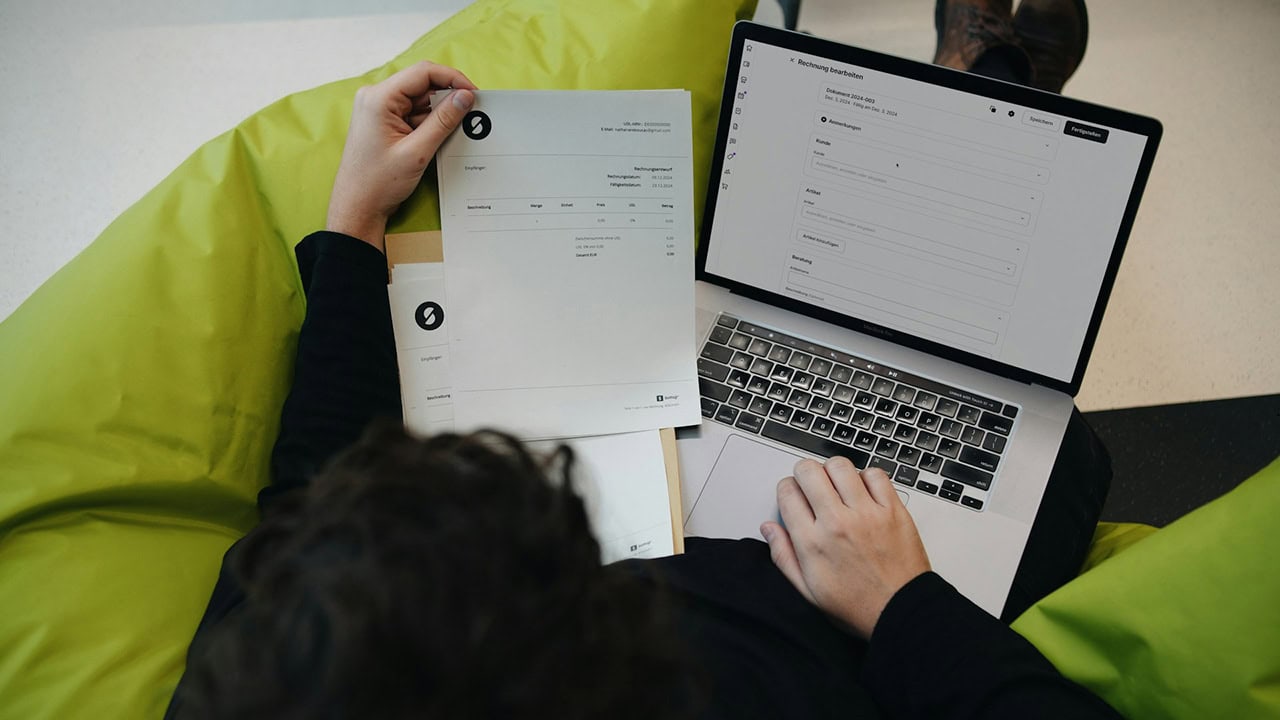
Subscriptions, memberships, insurance premiums-they don't all fall neatly on payday. So it helps to scroll through your calendar or bank history and double-check what's coming out next.
That extra check keeps you from thinking you have more to spend than you actually do. It's also a good reminder to cancel anything that isn't worth it anymore-before it silently drains your account again.
Give Yourself a Little Spending Money

This isn't a free-for-all. It's a small amount set aside intentionally so you don't feel deprived or burnt out. When you plan for it, you're less likely to go overboard later.
You don't need to explain it or justify it. It's money you've given yourself permission to enjoy without guilt. That little bit of freedom can actually help you stick to your bigger financial goals better.
Look Over Any Shared Expenses

If you split bills with someone, use payday as your check-in point. Go over who's paying what, what's still pending, and whether anything needs to be adjusted before it turns into an issue.
This avoids miscommunication and keeps everyone on the same page. Whether it's a roommate or a spouse, this kind of clarity reduces stress-and financial stress is the kind that sneaks up fast.
Reflect on What Worked and What Didn't

Take two minutes to think through your last pay cycle. What did you do well? Where did things get tight? Did anything catch you off guard or feel chaotic?
You don't need a spreadsheet or a full budget breakdown-just a quick gut check. That awareness helps you adjust without beating yourself up. You learn, you reset, and you get better every time. That's the goal.
*This article was developed with AI-powered tools and has been carefully reviewed by our editors.






Leave a Reply