
10 things I did that slowed down every financial goal I had

You can be disciplined, hardworking, and still end up spinning your wheels with money. I learned that the hard way. Every time I thought I was "getting ahead," something would stall my progress-and it wasn't always bad luck.
Most of the time, it came down to habits that seemed harmless but quietly worked against every goal I had. Looking back, these are the things that made saving harder, paying off debt slower, and financial peace feel out of reach for way too long.
Paying the minimums

It felt responsible to pay at least the minimum on every balance, but that mindset kept me in debt for years. I was "managing" instead of making progress.
Interest snowballs fast, and paying the minimum means most of your money never touches the principal. Once I started throwing every extra dollar at one balance at a time, everything sped up. It wasn't about paying more-it was about being strategic.
Saying yes to every outing

I didn't want to miss out or seem cheap, so I said yes to almost everything-dinners, birthdays, coffee runs, random weekend plans. It didn't seem like much, but together, it slowed down every financial goal.
Once I started tracking those small social spends, it became clear how fast they add up. I learned you can still have fun and say no sometimes. The people who matter won't care if you skip a round of drinks.
Buying things "for later"

Sales, backups, and "good deals" were my weakness. I'd convince myself I was saving money by stocking up, but I was tying up cash that could've gone toward real goals.
Even practical items-like toiletries or pantry goods-became clutter when I bought too much. I learned to trust that I could buy what I needed when I needed it, instead of trying to outsmart future prices.
Ignoring my actual numbers
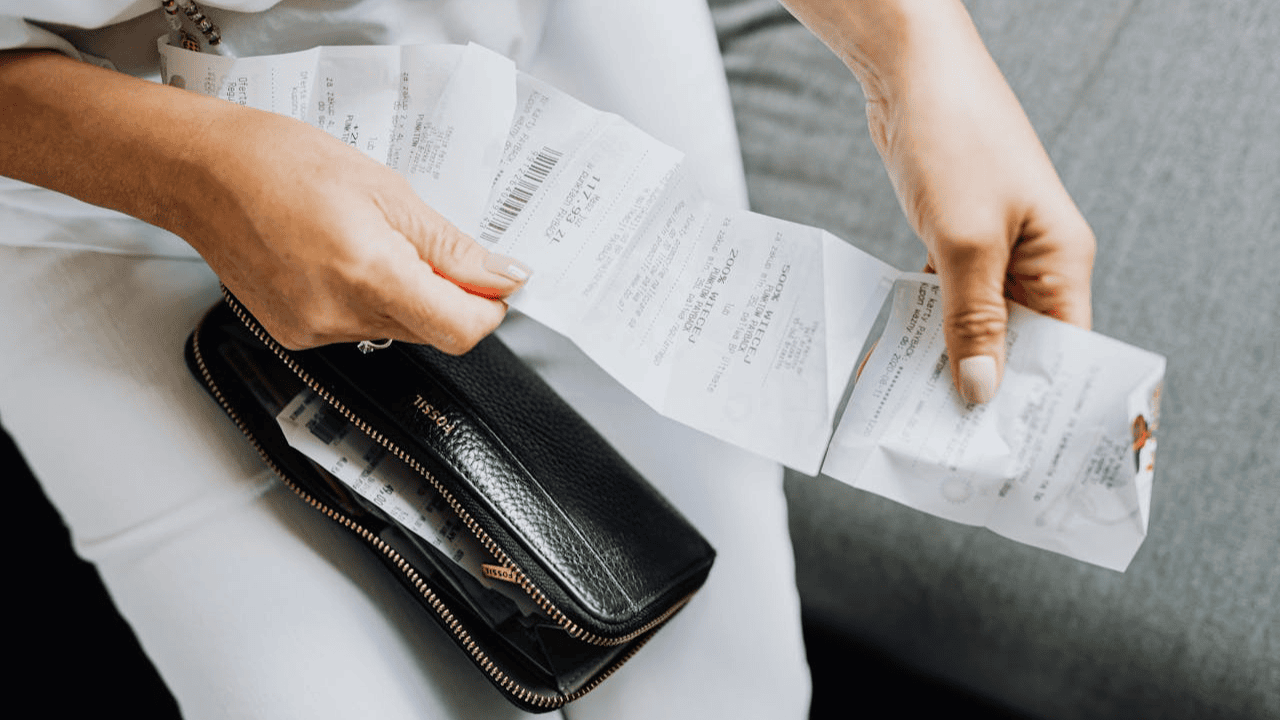
I thought I knew where my money was going because I paid attention in general-but I wasn't tracking it. The problem is, "general awareness" isn't accuracy.
Once I finally sat down and looked at every category, I realized my guesses were way off. Knowing the real numbers made it easier to cut what didn't matter and put more toward what did. It's uncomfortable at first, but eye-opening.
Trying to save without a plan

I used to transfer money into savings whenever I "felt like it." No goal, no target-just effort without direction. Unsurprisingly, that savings never grew.
When I started naming my goals-like "emergency fund" or "car fund"-everything changed. Giving your money a job keeps you consistent, even when motivation dips. Structure builds progress faster than intention ever will.
Upgrading too fast

Anytime we made progress, I found a way to spend it-nicer clothes, better gadgets, a home project here and there. It felt like rewarding hard work, but it quietly reset our baseline every time.
The trick is sitting in that in-between space-when things are fine but not fancy-and staying there long enough to build real momentum. Upgrades are fun, but they're expensive distractions when your goals aren't met yet.
Letting autopay hide bad habits
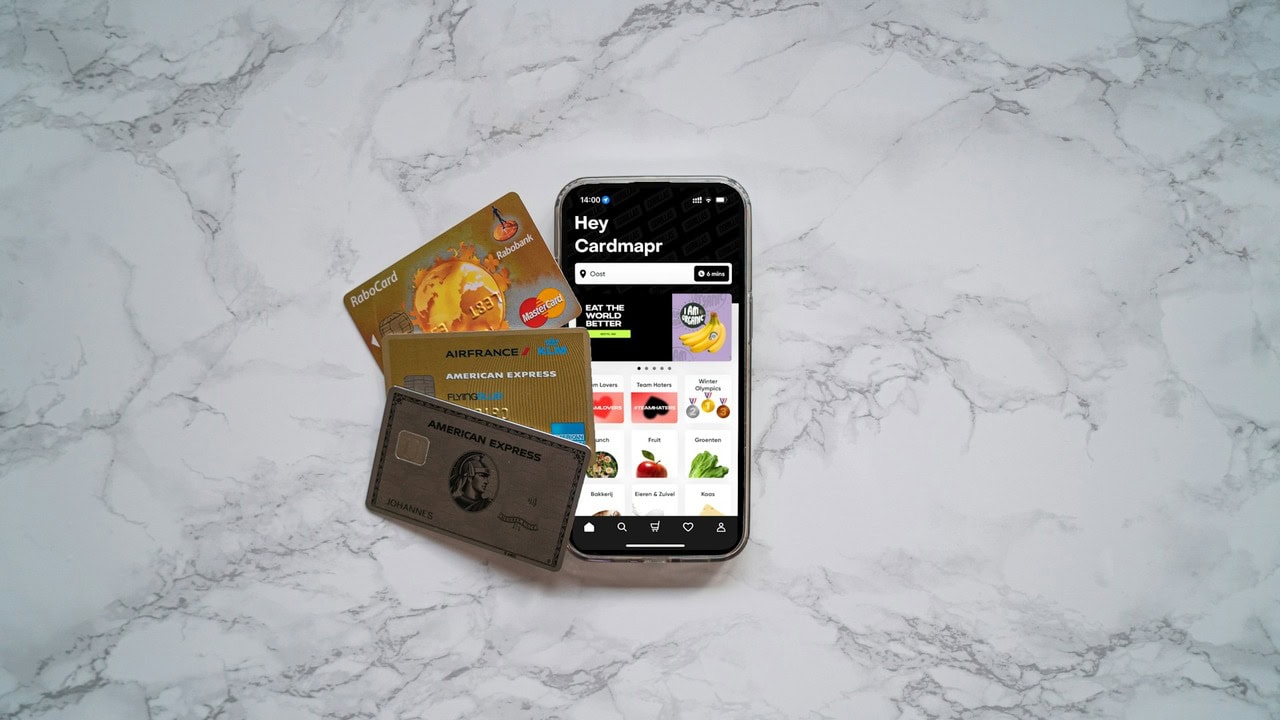
Autopay sounds responsible, and it can be-but it also hides bad spending. When everything runs automatically, you stop noticing what's going out.
I realized I was still paying for things I didn't use-subscriptions, memberships, even insurance coverage I didn't need. Once I started reviewing statements manually, I caught dozens of small leaks that had been slowing me down for years.
Waiting for motivation
I kept thinking I'd "get serious" when I felt more ready or organized. That mindset delayed every goal. Progress doesn't start with motivation-it builds it.
Once I started anyway, the small wins made it easier to keep going. You don't need the perfect plan to start moving in the right direction. Waiting costs more than starting messy.
Thinking short-term

I'd focus on the next bill, next paycheck, or next trip, but rarely thought about the bigger picture. That made my spending reactionary instead of intentional.
Once I began planning for the next six months instead of the next six days, everything shifted. Goals that felt impossible started to make sense on paper. Big changes don't happen by accident-they happen because you give them a timeline.
Avoiding uncomfortable adjustments

Sometimes, you know what needs to change, but you don't want to face it. I stayed on expensive plans, kept unnecessary conveniences, and refused to downsize things that made life "easier."
Those comforts kept me comfortable, but they also kept me stuck. Once I started making harder cuts, progress finally sped up. It's uncomfortable at first-but it's also temporary, and the payoff lasts a lot longer than the sacrifice.
*This article was developed with AI-powered tools and has been carefully reviewed by our editors.






Leave a Reply