
10 swaps that took my grocery budget from $800 to $500

Our grocery budget used to hover around $800 a month for a family of four-and it didn't take much for that number to spiral even higher. Once prices started creeping up, I knew we needed to make some changes. I didn't want to sacrifice meals or quality, but I also couldn't keep watching the numbers climb.
These are the swaps that actually worked. No gimmicks, no extremes-just smart, realistic changes that brought our bill down to around $500 without making life harder.
Swapped Target runs for Aldi

I was doing most of our shopping at Target because it was close and convenient. But the prices, especially on pantry and freezer staples, were slowly draining our budget. Switching to Aldi made a huge difference. The selection isn't as big, but the quality holds up-and the total at checkout is way lower. This one swap easily saved us $100 or more each month without feeling like a downgrade.
Bought bulk snacks instead of individual packs
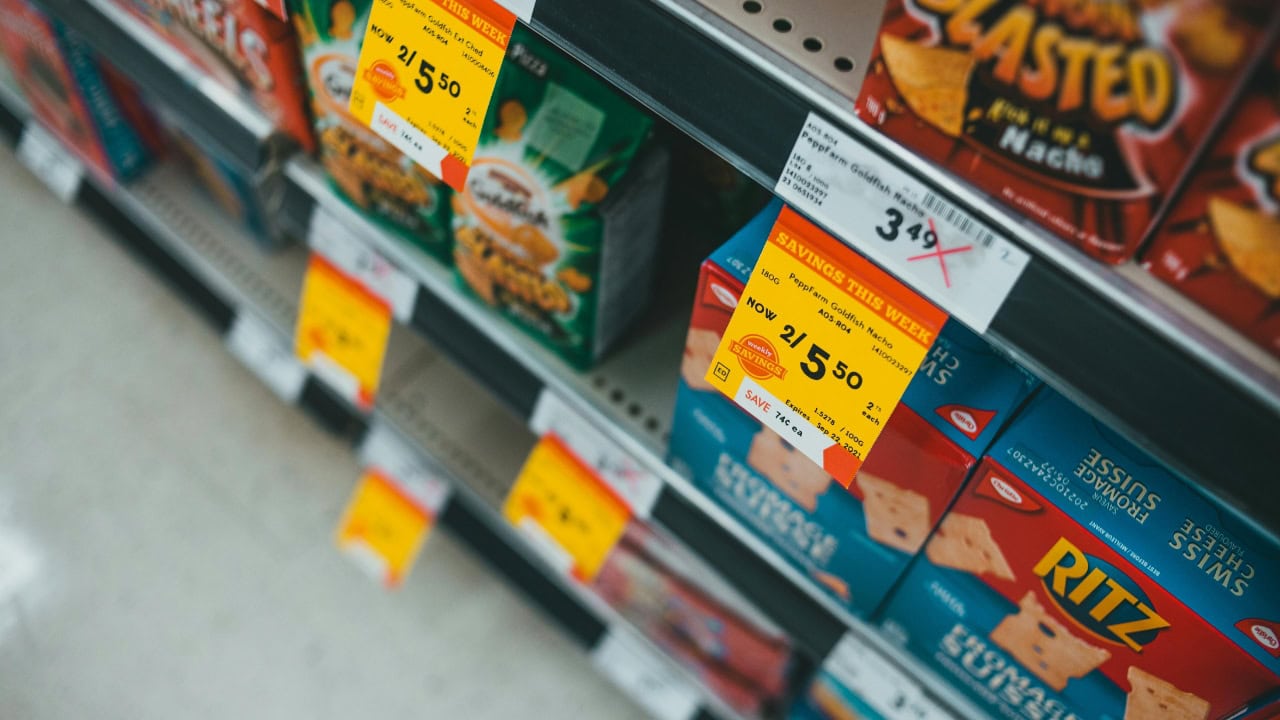
I used to grab all the pre-packaged snacks-granola bars, cracker packs, fruit snacks-for lunches and quick snacks on the go. But the cost per item is steep. Now I buy larger bags and portion them into reusable containers or bags myself. It takes a little effort once a week, but it's saving us at least $20-$30 a month and still works for school lunches or road trips.
Made breakfast and lunch staples at home

We used to grab frozen breakfast sandwiches and pre-packed lunch items every week, and they added up fast. I started making breakfast sandwiches in batches at home and prepping basic lunches from what we already had. Eggs, English muffins, lunch meat, cheese-it's cheaper and easy to rotate. This change trimmed close to $60 from our monthly food bill without giving up convenience.
Bought store-brand everything
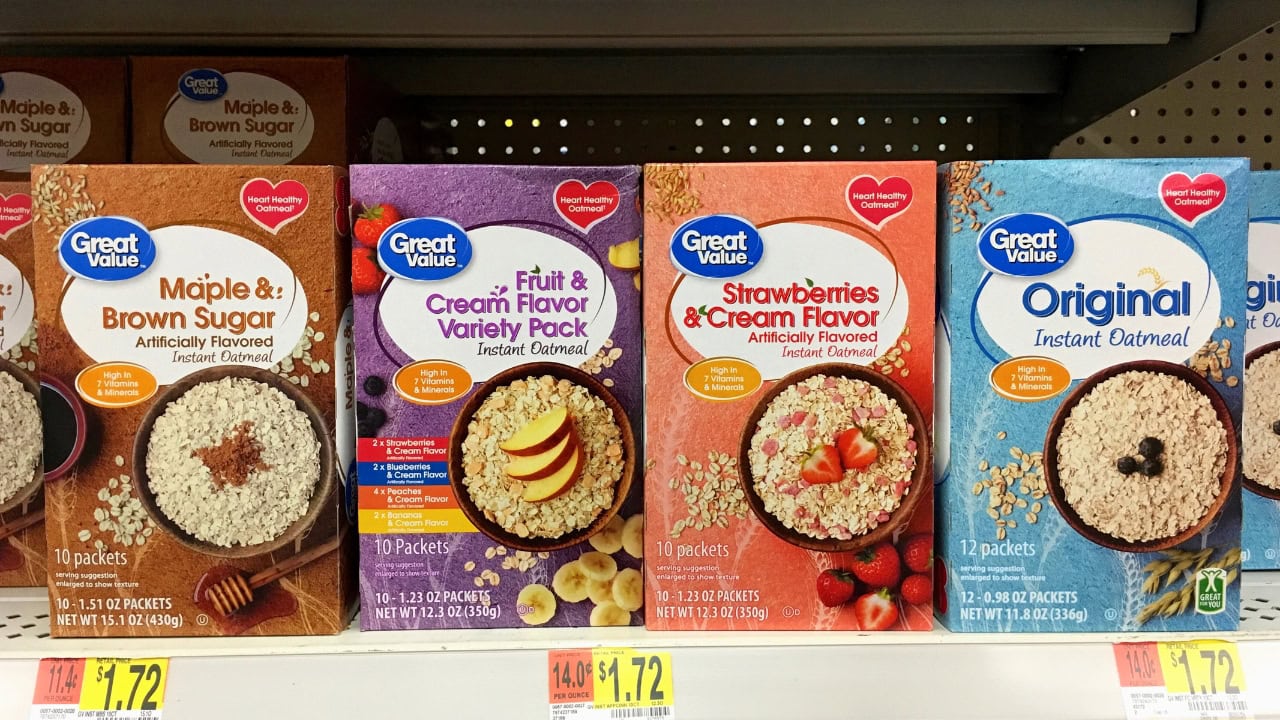
I used to be picky about sticking with name-brand items, especially for things like yogurt, shredded cheese, and cereal. But once I started trying the store-brand versions, I couldn't justify the price difference anymore. Most of them taste the same, and the savings are significant. Across a whole cart, this change easily knocks $40-$50 off the total without sacrificing anything important.
Cut out drinks from the grocery list

Sodas, juices, sparkling water-they all added up more than I expected. I started skipping most drinks from the grocery list altogether. We use a filtered pitcher for water, brew tea at home, and buy fewer specialty drinks unless they're on sale. This alone has saved us $25-$30 a month and cleared space in the fridge, too.
Planned one freezer meal per week
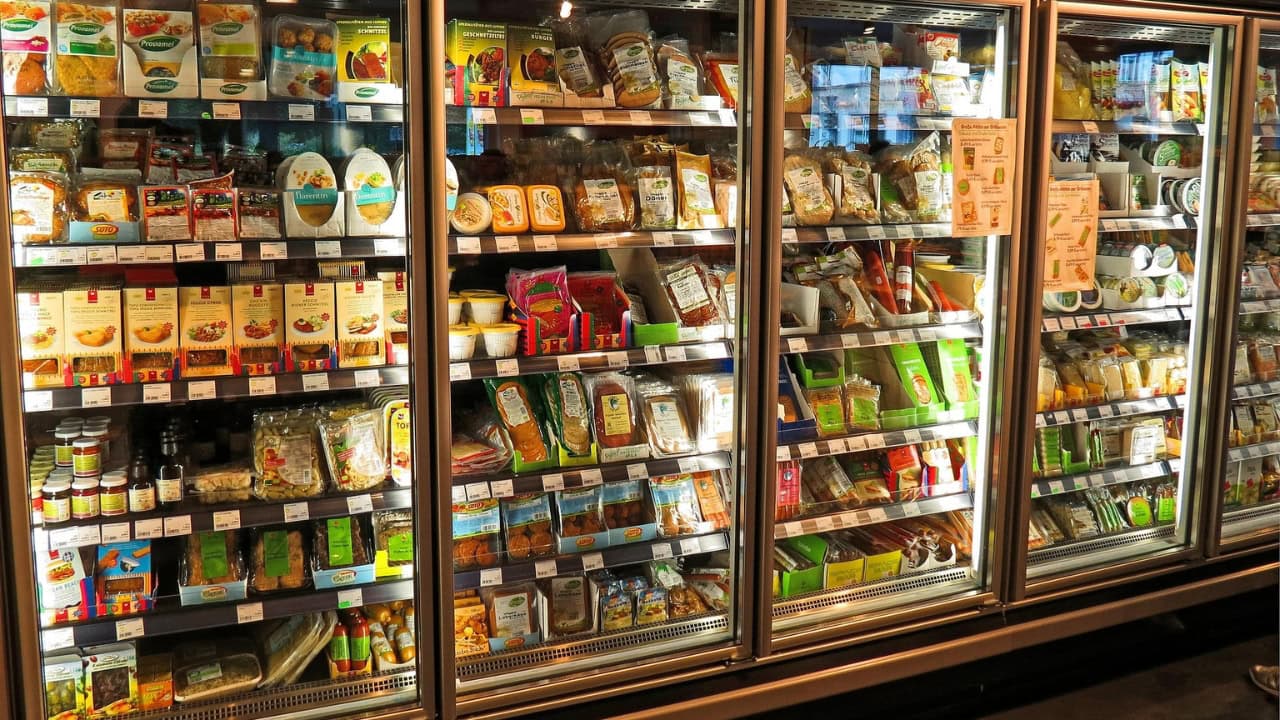
Instead of cooking from scratch every night or giving in to takeout, I started planning one freezer meal each week-either something I batch cooked or picked up affordably from Aldi. Knowing I had a backup in the freezer helped avoid last-minute grocery runs or drive-thru dinners. It kept us on track and saved around $40 a month we used to spend on convenience meals.
Stopped buying pre-cut produce
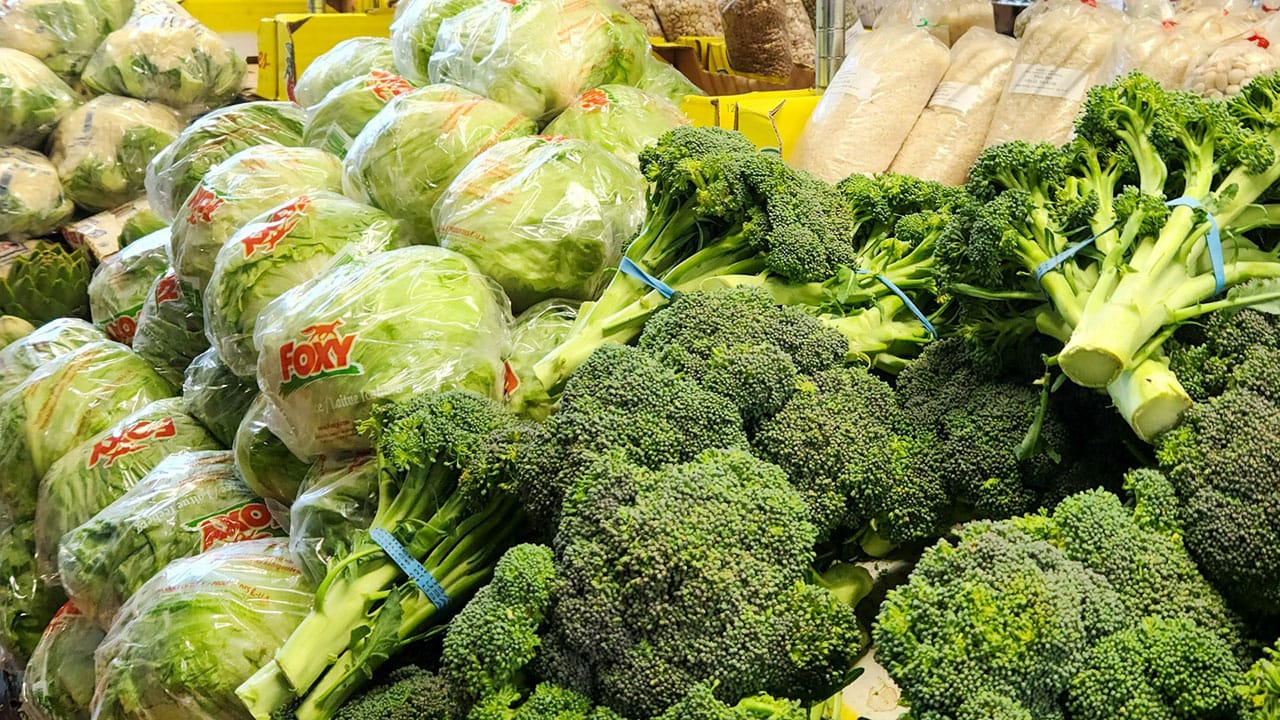
Pre-cut fruit and veggie packs were a time-saver, but they came with a price. I swapped them for whole produce and started cutting it myself as soon as I got home. Grapes, melons, carrots-it all lasts longer and costs way less. I didn't realize how much those prepped packs were inflating our bill until I made the switch and saw the savings.
Cut down on meat per meal

We used to plan meals around meat, which meant buying large quantities each week. Now I've started using it more sparingly-cutting portions in half, mixing with beans or grains, or doing meatless dinners once or twice a week. Nobody's gone hungry, and it's helped stretch each pound further. This change alone trimmed $50 or more from our monthly total.
Stopped restocking everything weekly

I used to restock every "low" item each week, even if we still had some left. Now I shop my pantry and freezer first. If there's enough pasta for one more meal, it waits. If we've got half a bottle of ketchup, it stays off the list. Being a little more intentional about what we actually need each week has cut a lot of unnecessary spending.
Used a running list instead of guessing
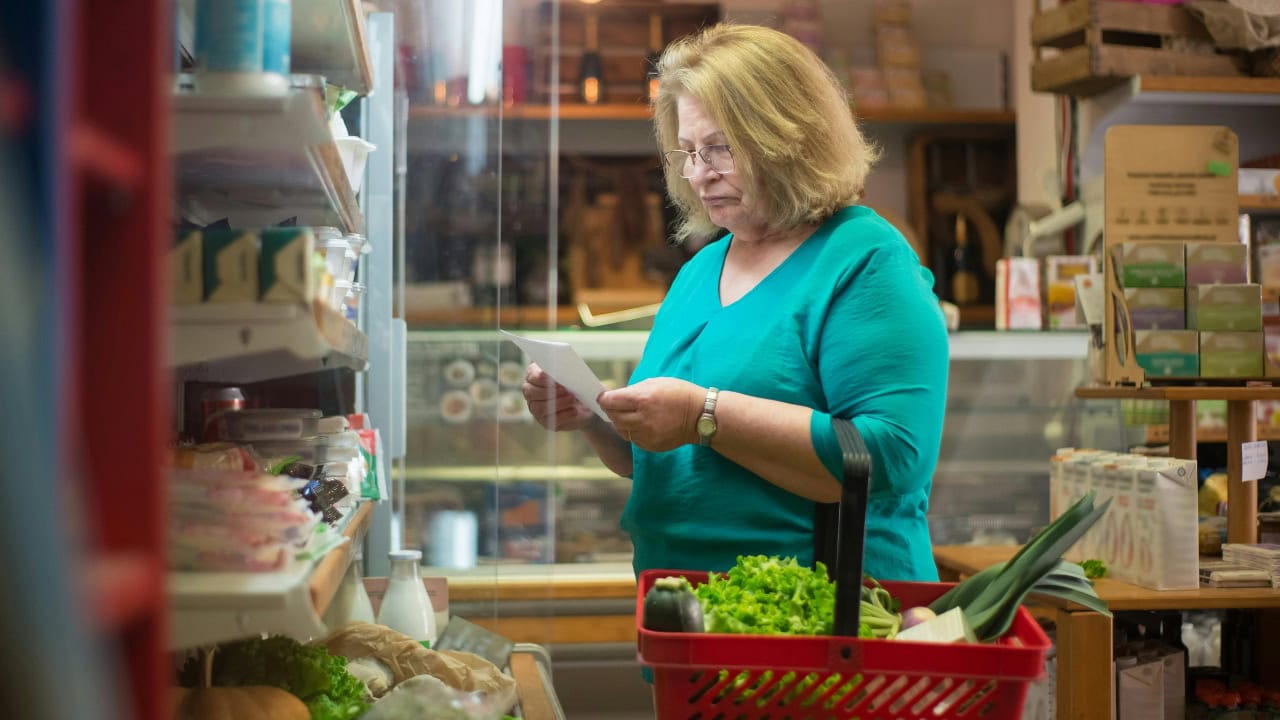
I used to write my grocery list from memory, and I always forgot things-then went back midweek and spent more. Now I keep a running list on the fridge and update it throughout the week. It keeps me focused, helps avoid duplicates, and prevents those last-minute extra trips. Fewer store runs mean fewer temptations and fewer impulse purchases.
*This article was developed with AI-powered tools and has been carefully reviewed by our editors.






Leave a Reply