
10 spending habits that come straight from being jealous of someone else

Jealousy doesn't always show up as comparison-it often hides in your spending. You see someone's new car, remodeled kitchen, or weekend trip and suddenly feel behind. That quiet urge to "treat yourself" or "upgrade" isn't about need-it's about catching up.
The problem is, keeping pace with other people's lives can keep you broke and unsatisfied. When you start noticing where jealousy influences your money, you can stop wasting it on things that don't actually make you happy.
You upgrade stuff that still works
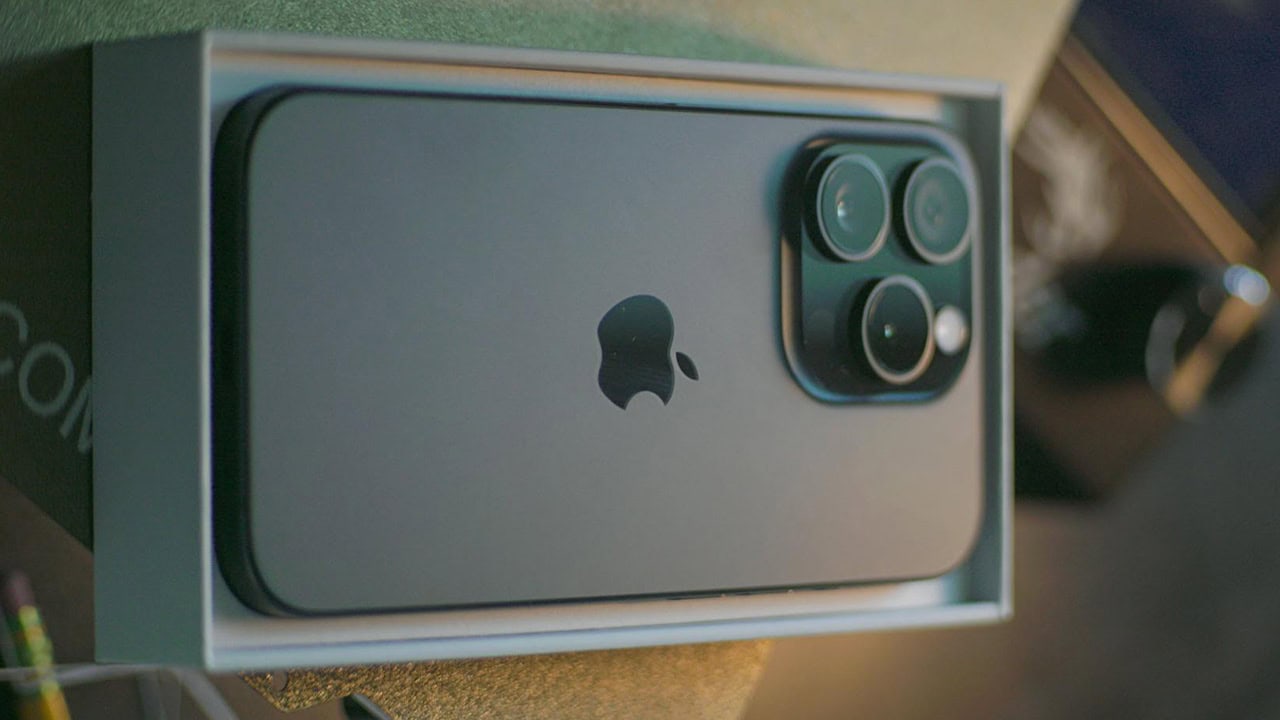
It's easy to convince yourself you need a new phone, fridge, or furniture because someone else's looks nicer. But if yours works fine, replacing it doesn't improve your life-it empties your wallet.
Marketing feeds off comparison, and jealousy keeps it going. Before upgrading, ask if you'd still want it if you hadn't seen someone else's. That question alone can save you hundreds.
You decorate for other people's opinions
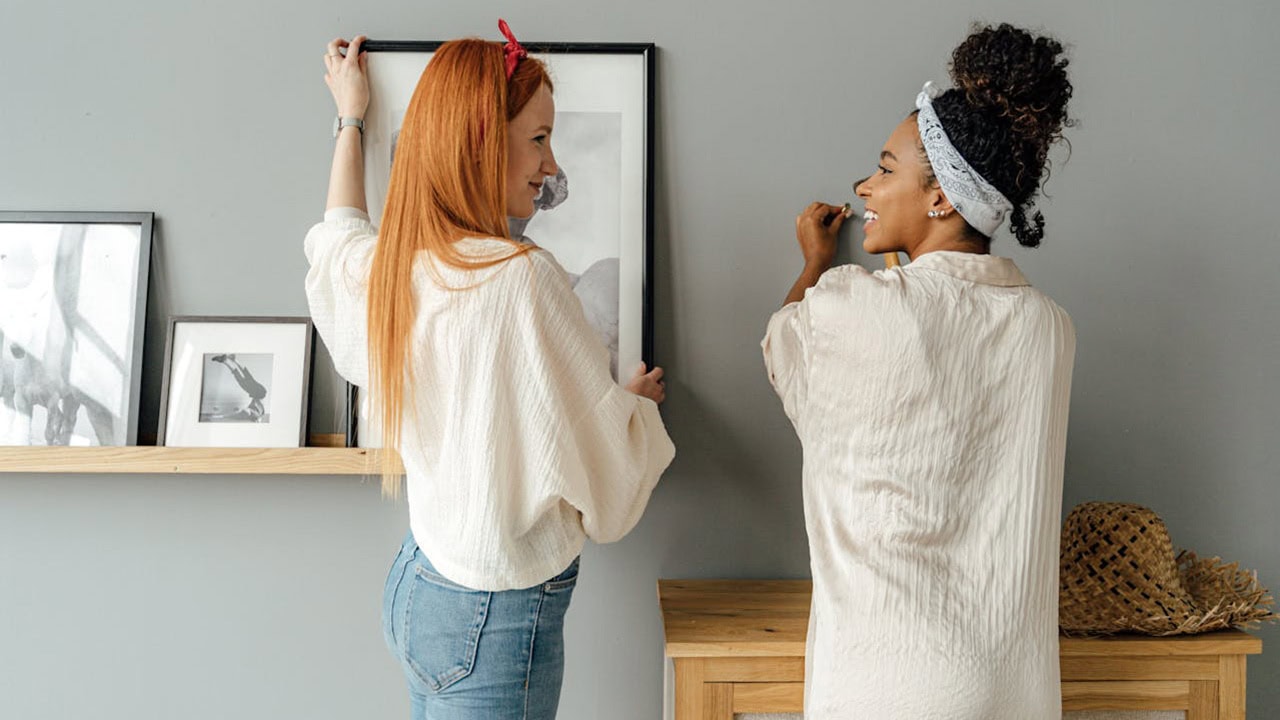
Buying trendy home décor is often more about how others will see your space than how you feel in it. You scroll, see what's "in," and start redoing rooms that were perfectly fine.
Trends come and go fast, but your credit card bill sticks around. Decorating for comfort and function lasts longer than chasing every style you see online.
You try to match other people's vacations

Vacations can become a competition without you realizing it. Seeing someone post beach photos might make you start browsing flights even when it's not in your budget.
Travel should recharge you, not stress you out. You'll enjoy it more when it's planned on your terms-not out of pressure to prove you're doing well, too.
You buy nicer clothes for social situations
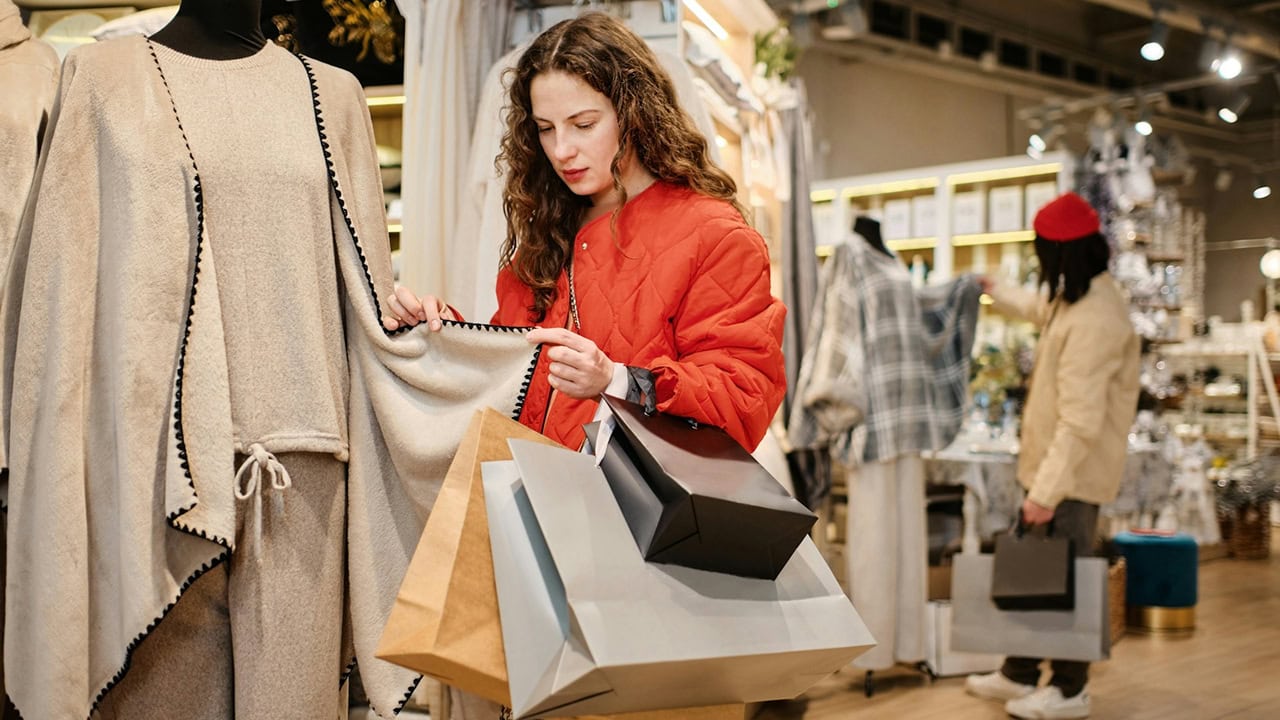
Sometimes jealousy shows up as buying new outfits before every event, thinking you need to look as "put together" as everyone else. But constantly trying to impress people is expensive and exhausting.
Invest in a few timeless pieces you actually love wearing. Confidence lasts longer than any outfit trend-and it costs less over time.
You eat out to keep up appearances

Going out for dinner or drinks can turn into a spending trap when you're afraid of being left out. It's easy to justify it as "socializing," but often it's about not wanting to seem broke.
You can still stay connected without overspending. Invite friends over, meet for coffee, or find low-cost ways to hang out that don't leave your wallet empty.
You spend to look successful

Jealousy often whispers that you should "look the part." So you start buying things that signal success-designer bags, expensive gadgets, or name-brand everything.
But appearances don't pay bills. Real success is peace of mind and financial security, not matching someone else's lifestyle. Spend to support your future, not to prove a point.
You copy other people's hobbies

When someone you admire takes up golf, pickleball, or some new hobby, it's tempting to buy all the gear too. But unless it's something you actually enjoy, that money sits wasted in a closet.
Trying new things is great-doing it out of envy is not. Borrow or try it first before investing in all the extras. You'll know quickly if it's really for you.
You follow influencer spending habits
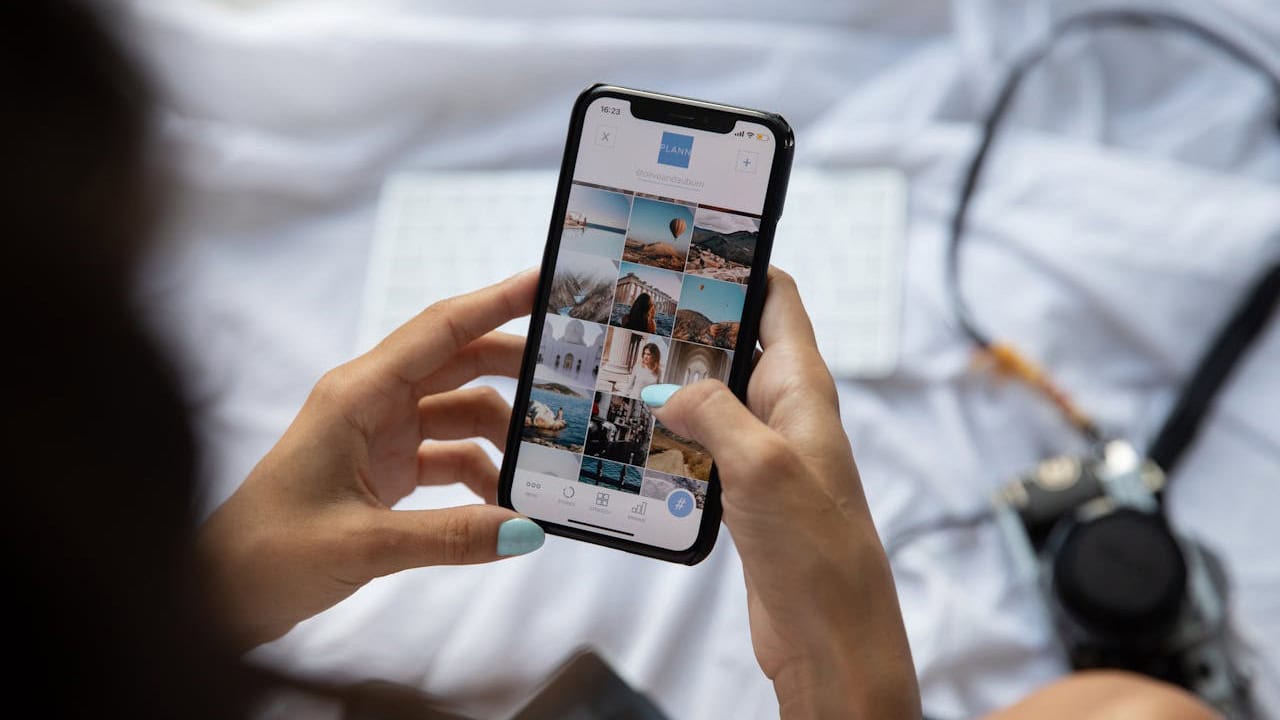
Seeing influencers link their "must-haves" can make it feel like your stuff isn't good enough. But remember, most of those people are being paid to sell, not to save.
Buying what they recommend rarely makes your life easier-it makes theirs more profitable. Learn to separate smart buys from emotional ones, and you'll stop falling for the comparison trap.
You over-improve your house for show
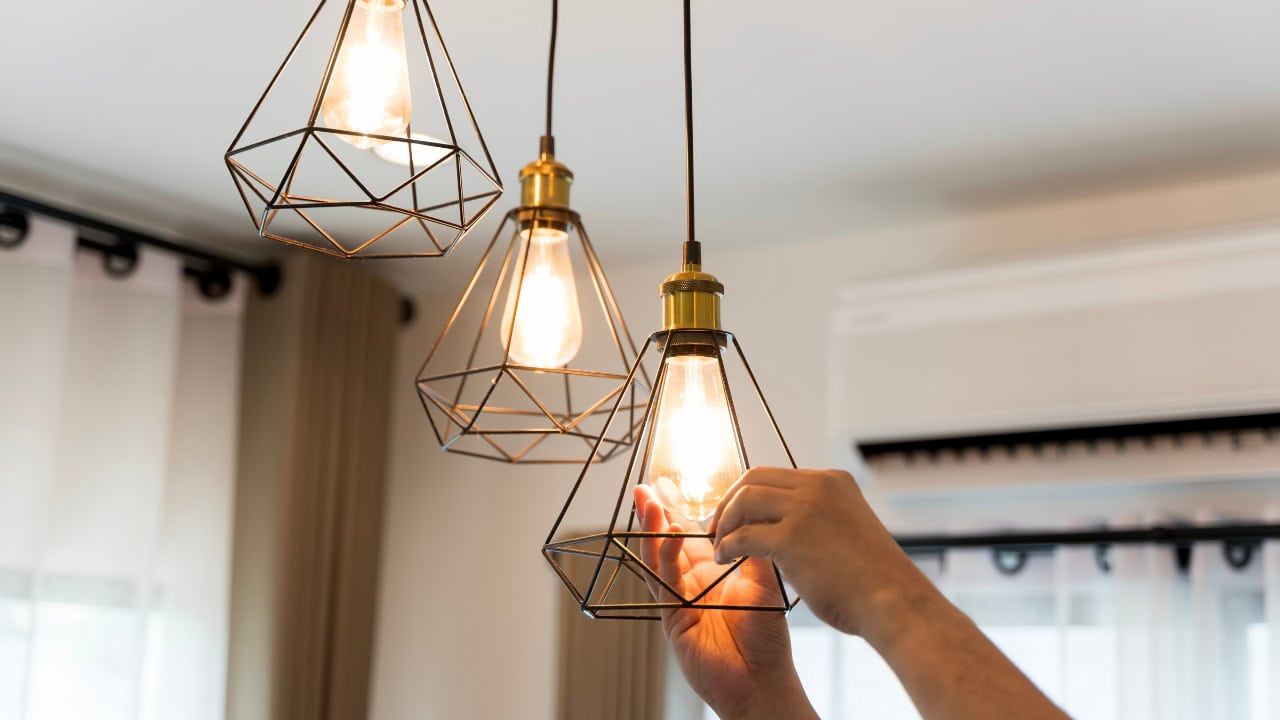
People often make cosmetic upgrades-like fancy lighting or high-end finishes-because they've seen it in someone else's house. But many of those updates don't add real value.
Focus on what improves your daily life instead of what looks impressive to guests. A functional, comfortable home feels better than a trendy one you're still paying off.
You spend to feel "equal" instead of content

At its core, jealousy-driven spending is about wanting to feel on the same level as others. But the more you spend to "keep up," the further you fall behind financially.
The truth is, no one's watching as closely as you think. When you stop spending to prove something, you gain back control-and contentment follows soon after.
*This article was developed with AI-powered tools and has been carefully reviewed by our editors.






Leave a Reply