
10 Spending Habits I Stopped Copying (And Why I'm Glad I Did)

It's easy to fall into spending habits because you see other people doing them. Whether it's family, friends, or social media, you start to think it's normal to buy certain things or live a certain way. The truth is, a lot of those habits don't actually serve you-they drain your budget without giving you much back.
Over time, I realized which ones weren't worth copying and how much better off I was after letting them go. Here are ten spending habits I stopped following.
Upgrading cars too often

Buying a new car every few years looks nice, but it drains your finances fast. Payments, higher insurance, and depreciation make it one of the costliest habits.
Once you stop copying it, you realize how much money stays in your pocket by driving a reliable older car. Regular maintenance is far cheaper than constant upgrades.
Chasing every sale

It's tempting to buy things just because they're on sale. Watching others stockpile "deals" can make you feel like you're missing out.
When you stop chasing sales, you notice how often those items were unnecessary to begin with. Real savings come from not spending at all, not from buying extras on discount.
Dining out multiple times a week

Many people treat eating out as a default instead of an occasional treat. It adds up quickly, especially for families.
Cutting back doesn't mean you never eat out-it means you're intentional when you do. Cooking at home saves hundreds and usually tastes better anyway.
Upgrading phones yearly
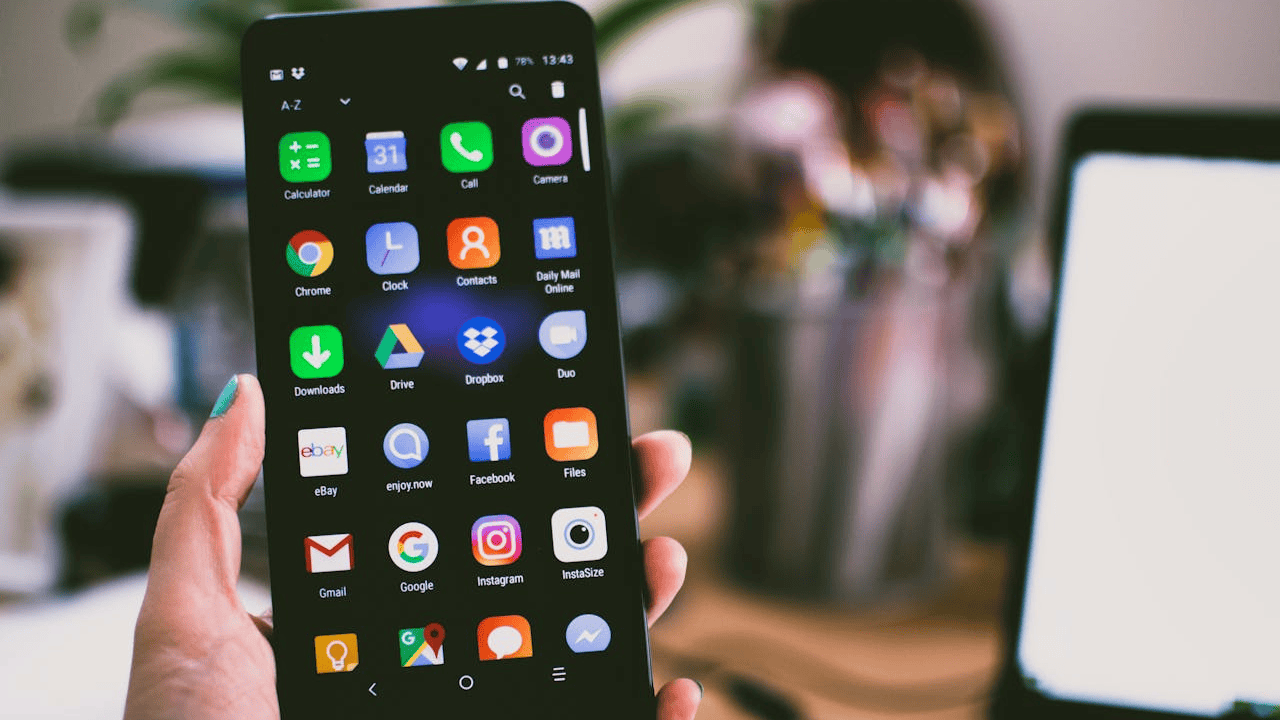
Keeping up with the latest phone release is an expensive cycle. The truth is, most smartphones last several years without issues.
When you stop upgrading every year, you save hundreds and still have a fully functional device. That money can go to things that matter more.
Buying brand names only
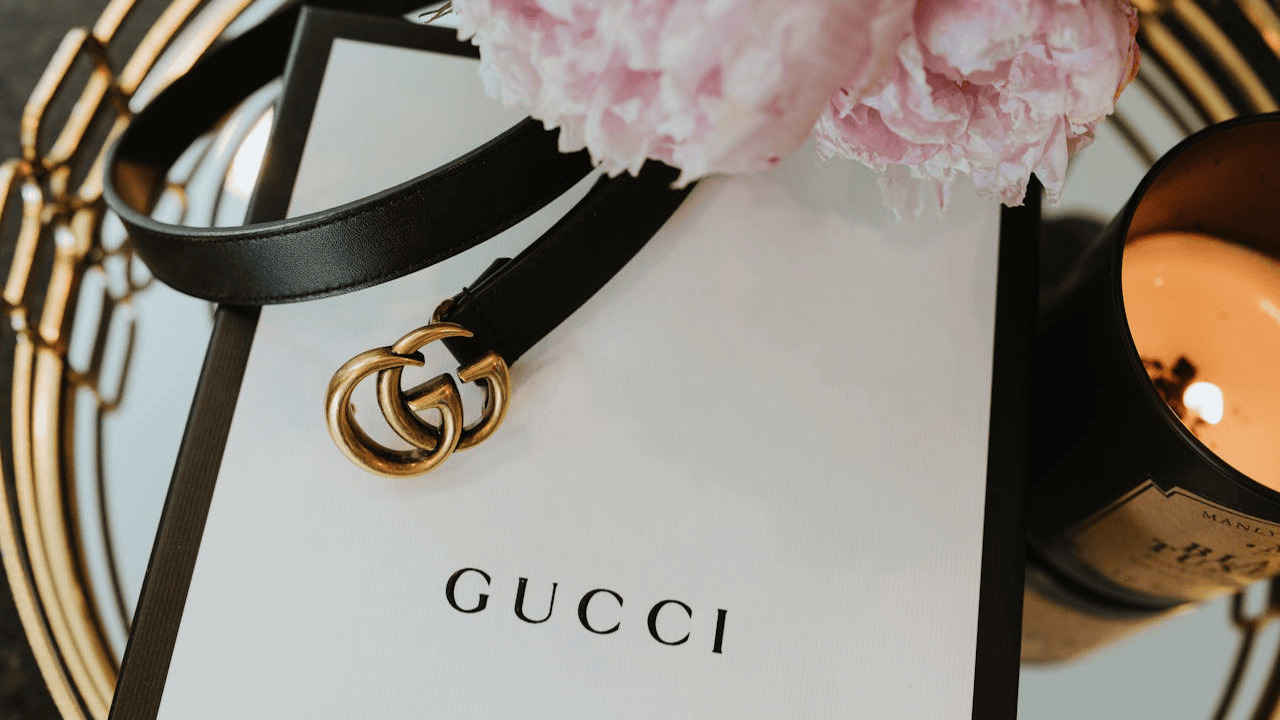
Copying the idea that everything has to be brand-name is a fast way to overspend. Store brands often work just as well for a fraction of the price.
Once you start swapping, you realize there's little difference in most products. The habit of insisting on brand names ends up being more about perception than quality.
Financing furniture

A lot of people finance entire living room or bedroom sets, paying interest on items that lose value immediately. It seems normal because everyone does it.
Breaking that habit saves you from years of payments. Buying secondhand or saving up before purchasing is far less stressful and more budget-friendly.
Shopping as entertainment

It's common to copy the habit of "shopping for fun." But wandering stores or scrolling online usually leads to unnecessary spending.
When you cut it out, you realize how many impulse buys you avoided. Finding other ways to spend time keeps both your house and your budget under control.
Daily coffee shop runs

It feels normal to grab coffee out every morning when everyone else is doing it. But those $5 drinks add up to hundreds a month.
Switching to making coffee at home keeps the habit enjoyable without draining your budget. You still get your caffeine fix, but at a fraction of the cost.
Overspending on kids' gear

It's easy to copy the habit of buying kids every new toy, gadget, or outfit. Marketing makes it feel like you're falling behind if you don't.
Stopping that cycle saves money and clutter. Kids don't need constant new purchases-they benefit more from time and attention than the latest products.
Taking on lifestyle debt
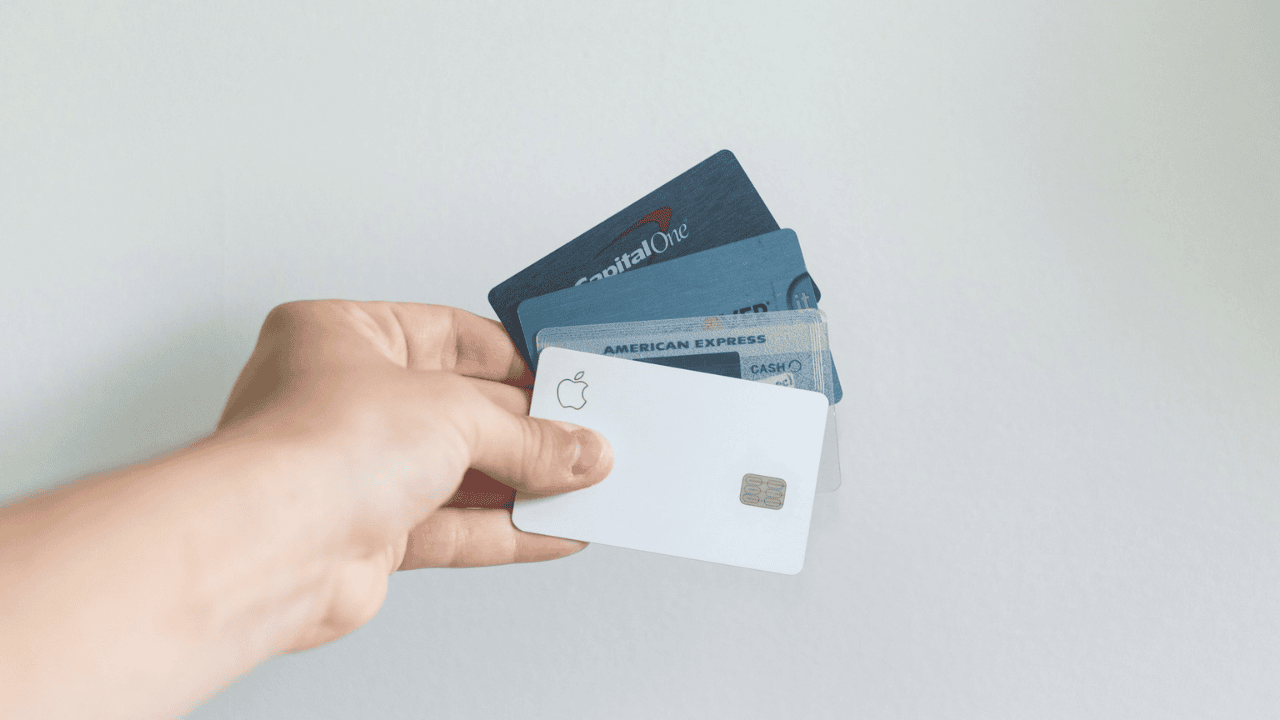
Many people normalize credit card debt or loans for vacations and extras. It feels like "everyone does it," but the stress isn't worth it.
When you stop copying that habit, you see how freeing it is to live within your means. Avoiding lifestyle debt gives you peace of mind and more control over your money.
*This article was developed with AI-powered tools and has been carefully reviewed by our editors.






Leave a Reply