
Owning a car makes life easier, but it also quietly eats away at your budget in more ways than most people realize. Beyond the obvious costs like gas and insurance, your car has hidden habits that slowly pull money out of your wallet month after month.
A lot of it comes down to maintenance, driving habits, and small oversights that add up over time. Once you know where that money's really going, it's easier to cut the waste and keep more in your pocket.
Ignoring tire pressure
Driving with underinflated tires lowers your fuel efficiency and wears your tread unevenly, forcing early replacements. Even a few PSI off can cost you hundreds over a year.
Check your tire pressure once a month and before long drives. It takes five minutes and keeps both your gas mileage and tire lifespan in better shape.
Paying for premium gas when you don't need it
Many people think premium fuel makes their car "run better," but most engines don't need it. Unless your manual specifically calls for it, you're just paying extra at the pump for no reason.
Stick with regular unleaded if that's what your car was designed for. You'll see zero difference in performance but a noticeable difference in your budget.
Skipping regular oil changes
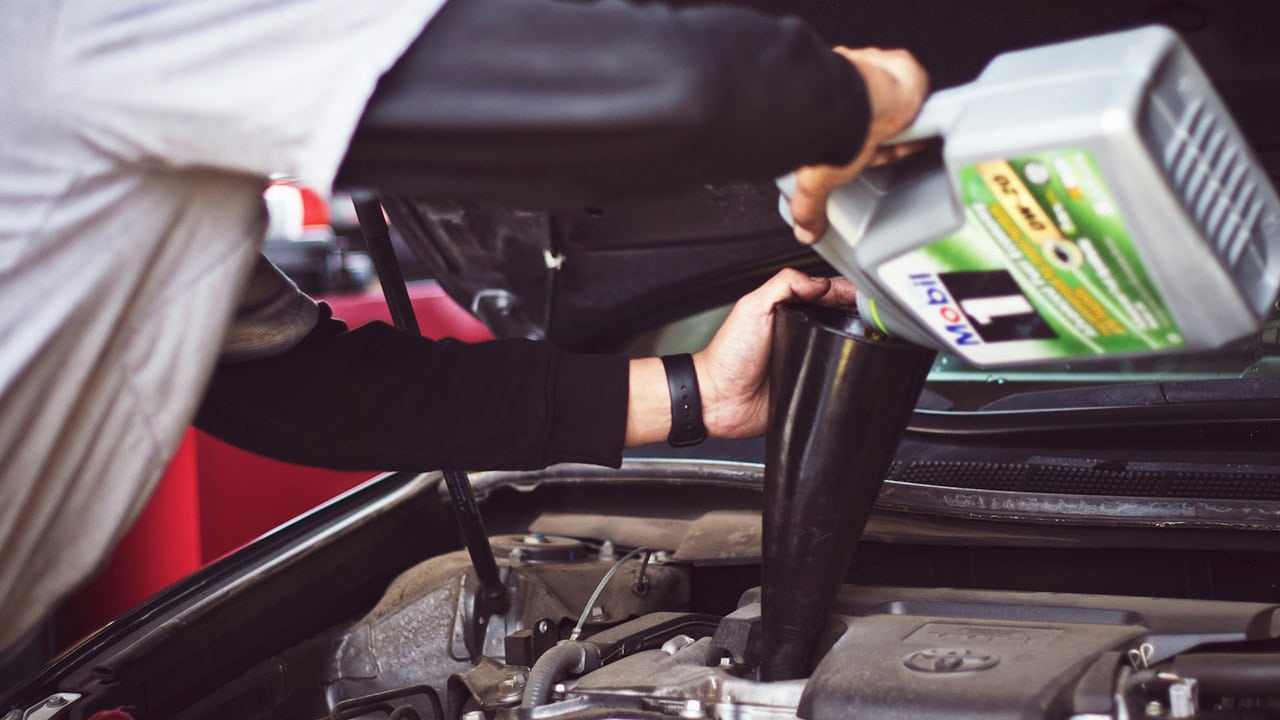
Delaying oil changes doesn't save you money-it costs more later. Dirty oil leads to engine wear, lower fuel efficiency, and eventually repairs that can run into the thousands.
Follow your manufacturer's maintenance schedule and don't stretch it out. Keeping fresh oil in your car is one of the cheapest ways to avoid major breakdowns.
Letting your car idle too long
Idling burns fuel without getting you anywhere. Leaving your car running for long periods-especially in the winter-can waste gallons over time.
If you're parked for more than a minute or two, turn off the engine. Modern cars warm up fast, and you'll save fuel while cutting unnecessary wear.
Buying brand-name parts at the dealership
Dealerships often charge top dollar for parts and labor, even for basic fixes. You can find the same high-quality components elsewhere for far less.
Get quotes from local mechanics or trusted online suppliers before agreeing to any dealership repair. A little comparison shopping can easily save you hundreds.
Neglecting your air filter
A clogged air filter makes your engine work harder, lowering performance and burning more gas. It's a small part with a big impact on efficiency.
Check your filter every 10,000 to 15,000 miles, or sooner if you drive in dusty areas. Replacing it yourself is cheap and takes less than ten minutes.
Driving aggressively
Hard accelerations, sudden stops, and high-speed driving all burn fuel faster and wear out your brakes and tires quicker. Over time, those habits make your maintenance costs skyrocket.
Smooth driving isn't just safer-it's cheaper. You'll get better mileage, fewer repairs, and your car will last longer overall.
Paying for unnecessary insurance coverage
It's easy to stick with the same insurance plan for years without checking if it still makes sense. You could be paying for extras that don't apply to your situation anymore.
Review your policy once a year and shop around for better rates. You might find the same coverage for less or discover you're carrying protection you no longer need.
Overlooking wheel alignment
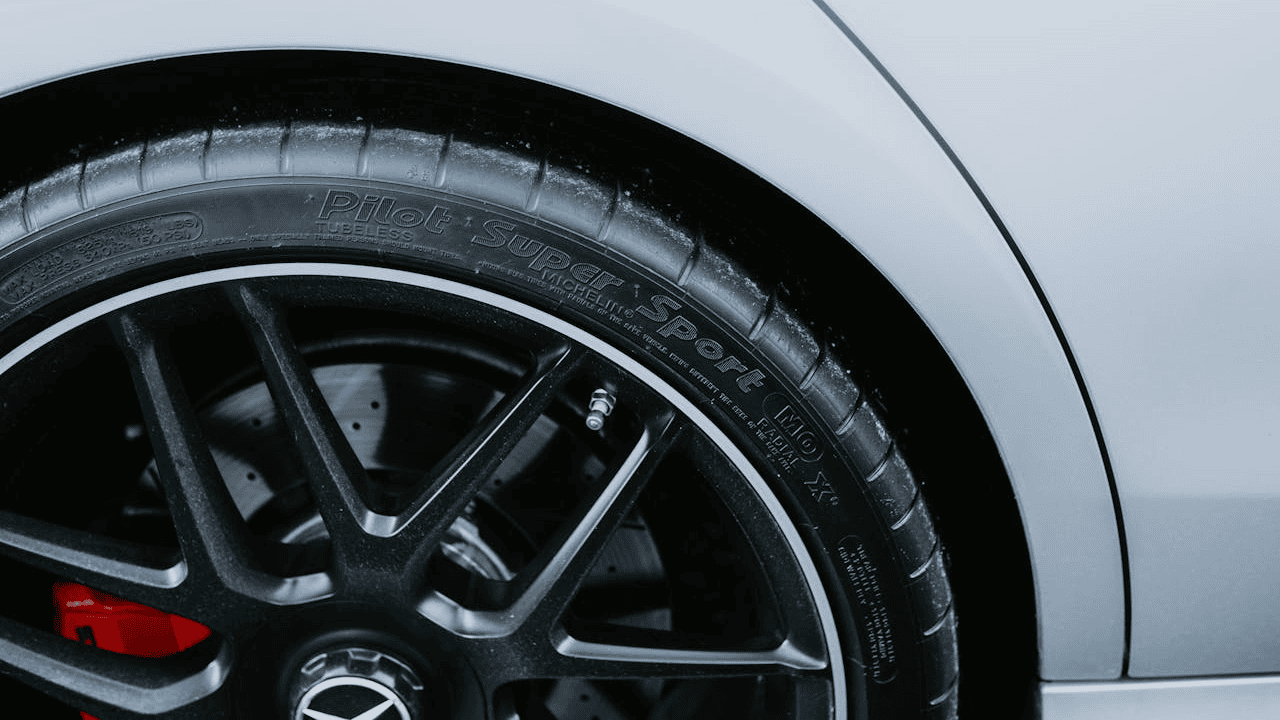
Misaligned wheels cause uneven tire wear and make your car work harder to stay straight. That means more frequent tire replacements and reduced fuel efficiency.
If your car pulls to one side or your steering wheel vibrates, get it checked. A quick alignment costs far less than a full set of new tires.
Using your car for every short trip
Quick one- or two-mile drives may not seem like much, but they're rough on your car. Cold starts burn more fuel and put more strain on your engine.
Whenever possible, combine errands or walk short distances instead. Your car will last longer, your fuel costs will drop, and those little savings will start to add up fast.
*This article was developed with AI-powered tools and has been carefully reviewed by our editors.






Leave a Reply