
You don't have to be careless with money to fall for clever upsells-companies spend billions figuring out how to get you to spend a little more without even realizing it.
These tactics show up everywhere, from your phone screen to the checkout line, and they work because they seem harmless in the moment. If you've ever left a store or app wondering how your total got that high, these are the tricks doing most of the damage.
The "only $5 more" upgrade
Whether it's a larger drink, a faster shipping option, or a slightly fancier version of what you came for, the "only $5 more" offer is designed to sound like pocket change. But over a few purchases, it doubles your total without you noticing. That small bump is where companies make huge profits.
Subscription add-ons
Many sites automatically offer free trials for subscriptions-music, photo storage, extended warranties. They count on you forgetting to cancel. Once that renewal date hits, you're paying monthly for something you didn't need to begin with. Always uncheck those boxes before you hit "confirm."
Extended warranties
Stores love to sell peace of mind, but most extended warranties overlap with the manufacturer's coverage. For electronics or appliances, they're rarely worth it unless it's a high-ticket item that breaks often. If you already pay with a credit card, you might have protection built in anyway.
Loyalty programs with a cost
Some "exclusive" loyalty memberships charge a fee or encourage you to spend more to get a discount. You end up buying extra things you don't need to earn perks that barely save you anything. The best loyalty programs are free-and still offer rewards.
The "compare at" pricing
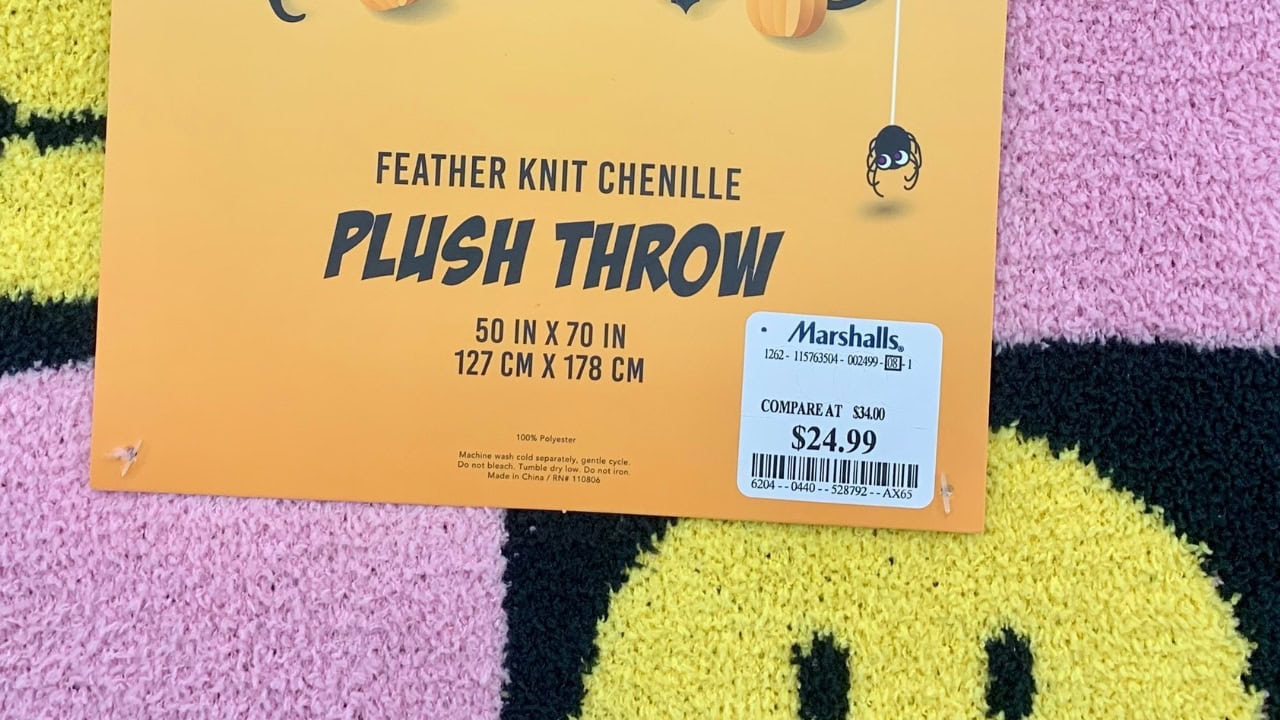
Seeing a high "original" price next to a markdown tricks your brain into thinking you're saving big. But many of those "compare at" prices are inflated or outdated. Before assuming it's a deal, check if the product ever really sold for that price.
The product bundle trap
Bundle deals often mix one item you need with two you don't. The discount looks good, but you're still spending more than planned. The safest move is to ask yourself if you'd buy each piece separately-if not, skip it.
Premium version upsells
When an app or website offers a "premium" version with features you might never use, it's an easy trap. The free or basic plan usually covers what most people need. Paying extra for convenience or aesthetics rarely adds real value.
Cross-sells at checkout
Online and in stores, you'll see "you might also like" or "customers also bought." These are targeted to your browsing habits and designed to add impulse buys. They work so well because they feel personal-but they're not. They're calculated.
Travel booking add-ons
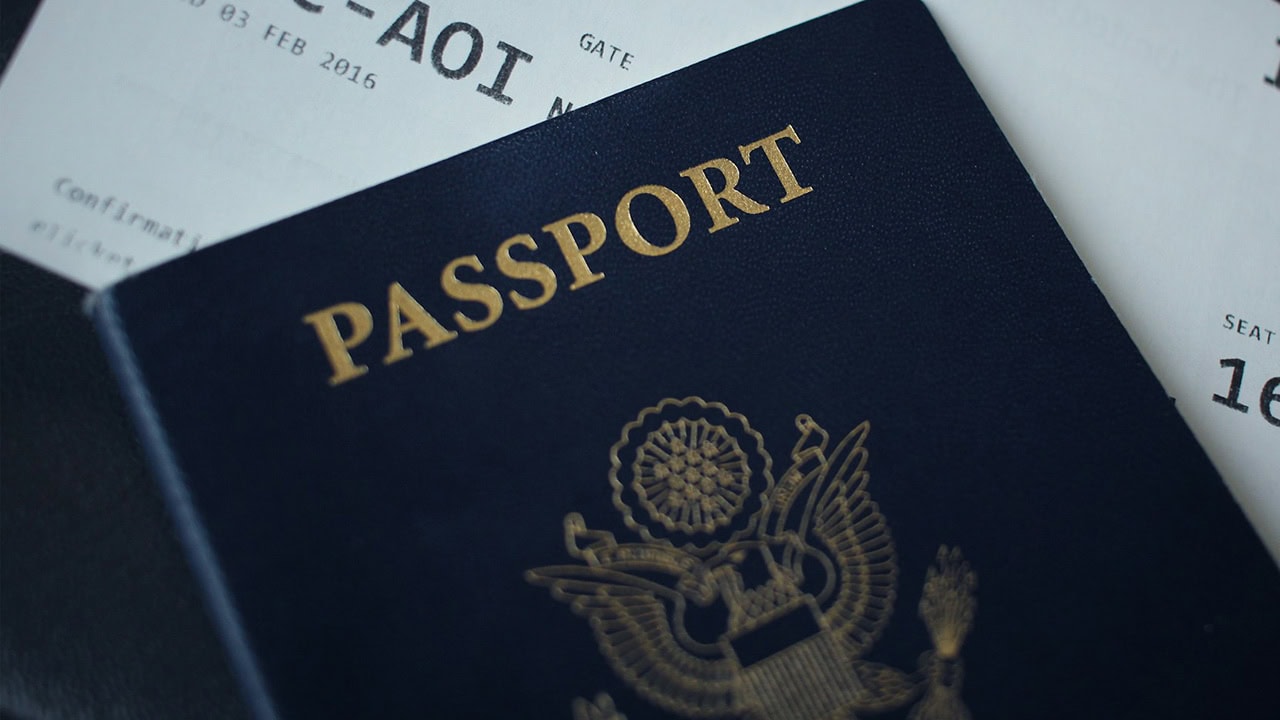
Airlines and hotels are the worst for hidden upsells-seat selections, travel insurance, priority boarding, resort fees. Each charge looks small, but together they can add 30% or more to your trip cost. Always review your cart carefully before finalizing.
Limited-time offers
"Only three left!" or "Sale ends in one hour!" creates a false sense of urgency. It's designed to override logic and push you to buy fast. Real deals rarely disappear that quickly-if you step away and think about it, it's probably not worth it anyway.
Once you spot these patterns, you'll start seeing them everywhere. Companies make you think you're spending smarter, when in reality, you're spending more. The best defense is awareness-and the confidence to click "no thanks."
*This article was developed with AI-powered tools and has been carefully reviewed by our editors.






Leave a Reply