
Skincare doesn't have to drain your wallet-or take over your bathroom counter. Most of the expensive serums and "must-have" routines you see online are variations of the same few principles: cleansing, moisturizing, and protecting your skin barrier.
When you focus on what actually works and skip the gimmicks, you can build a routine that's effective, low-effort, and affordable. The truth is, a good skincare habit is about consistency, not price tags.
Here are easy, dermatologist-approved routines that cost less than $5 a week.
Wash with a gentle cleanser
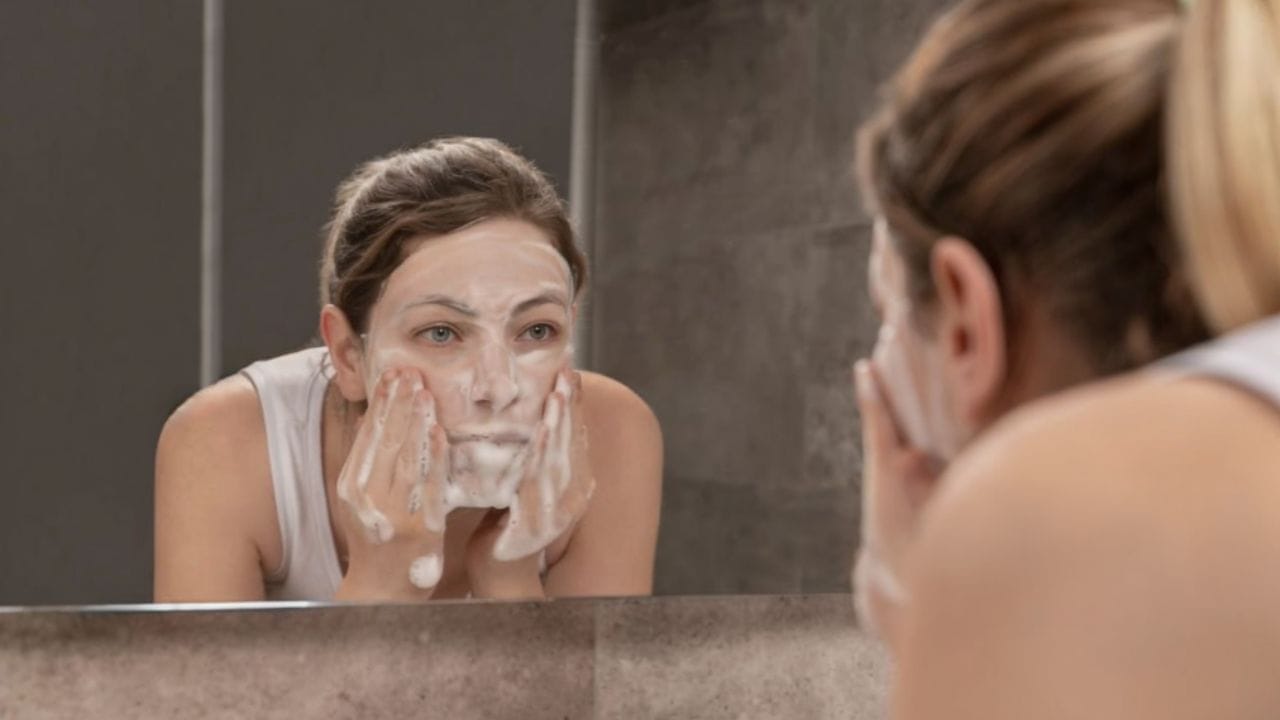
You don't need a luxury cleanser for clean, healthy skin. A basic drugstore formula like Cetaphil or CeraVe lasts weeks and keeps your skin balanced without stripping it.
Wash morning and night, especially if you wear sunscreen or makeup. If your skin feels tight afterward, switch to a hydrating or creamy version-it'll cost the same and keep your barrier intact.
Moisturize every night
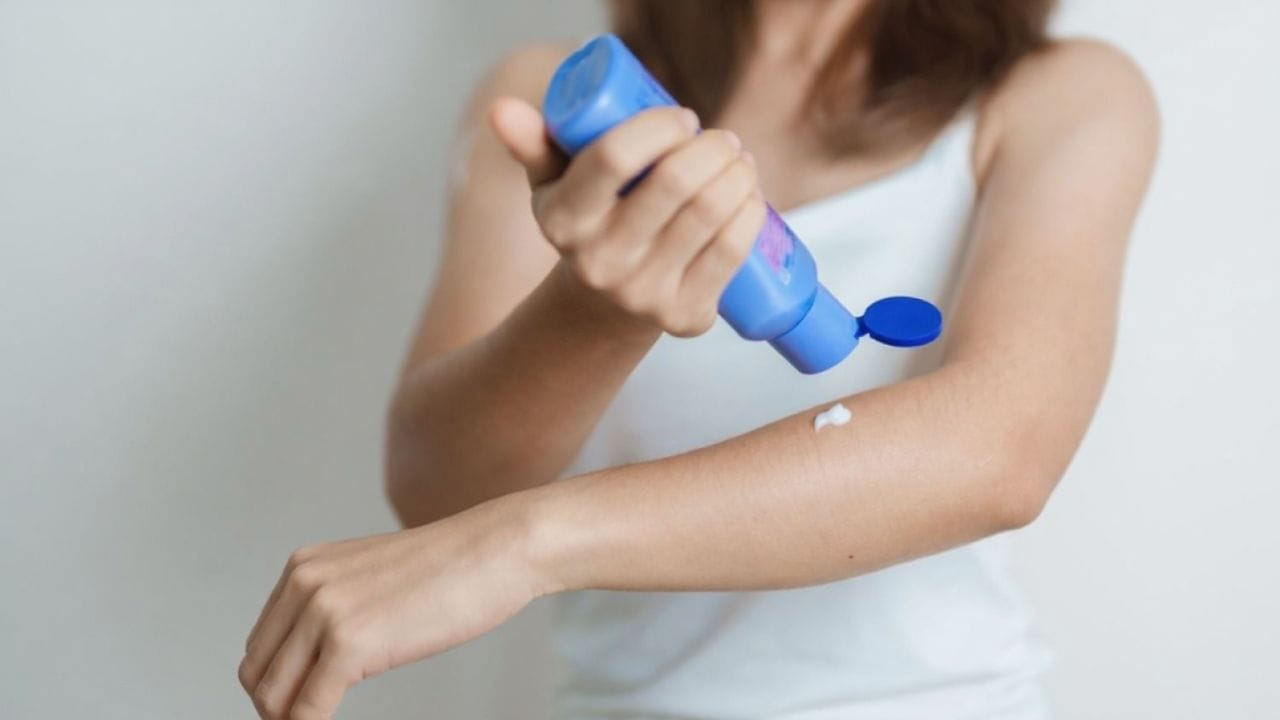
A solid moisturizer doesn't have to be expensive. Look for ones with ceramides, glycerin, or petrolatum-they lock in moisture better than anything fancy.
Apply right after cleansing while your skin is still slightly damp. A jar of Vanicream, Nivea, or even plain petroleum jelly can last months and keep dryness away for pennies a day.
Use sunscreen daily
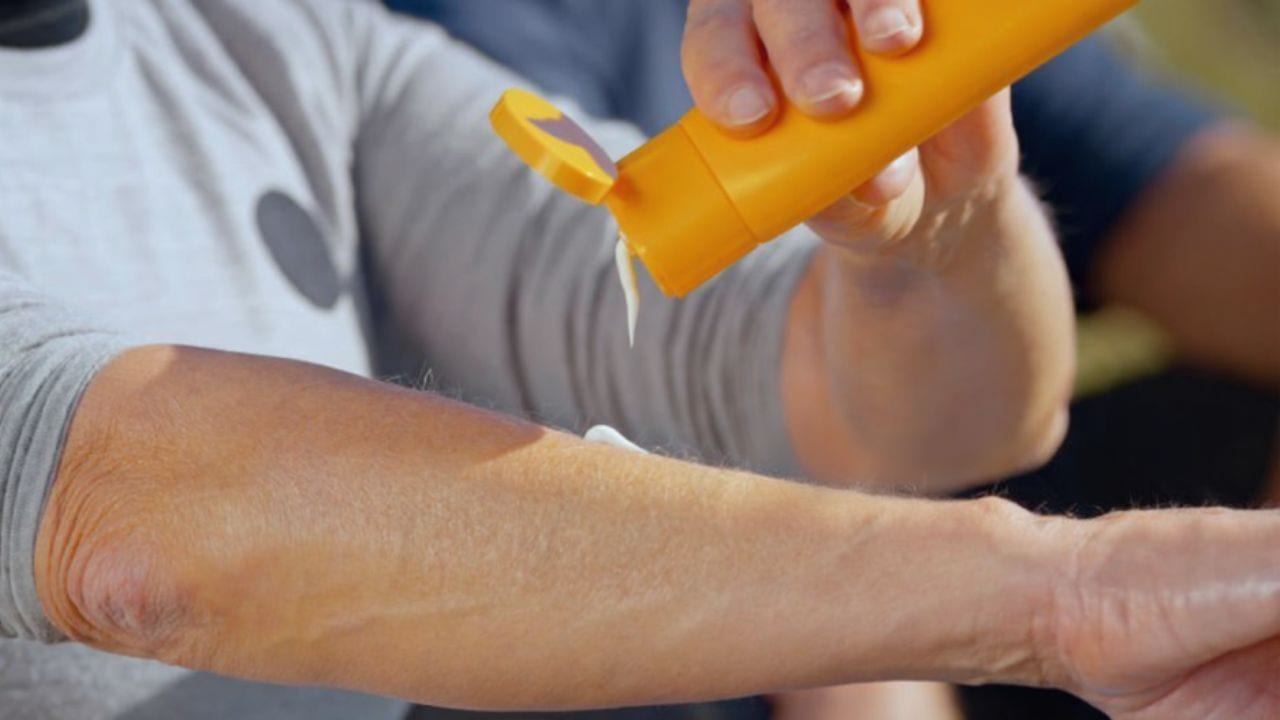
Sunscreen is the best anti-aging product you'll ever use, and it doesn't need to be pricey. Brands like Neutrogena and Eucerin make lightweight, broad-spectrum SPF that costs less than a coffee per week.
Apply it every morning, even when you're indoors-UV rays still come through windows. Preventing damage is far cheaper (and easier) than fixing it later.
Exfoliate once or twice a week
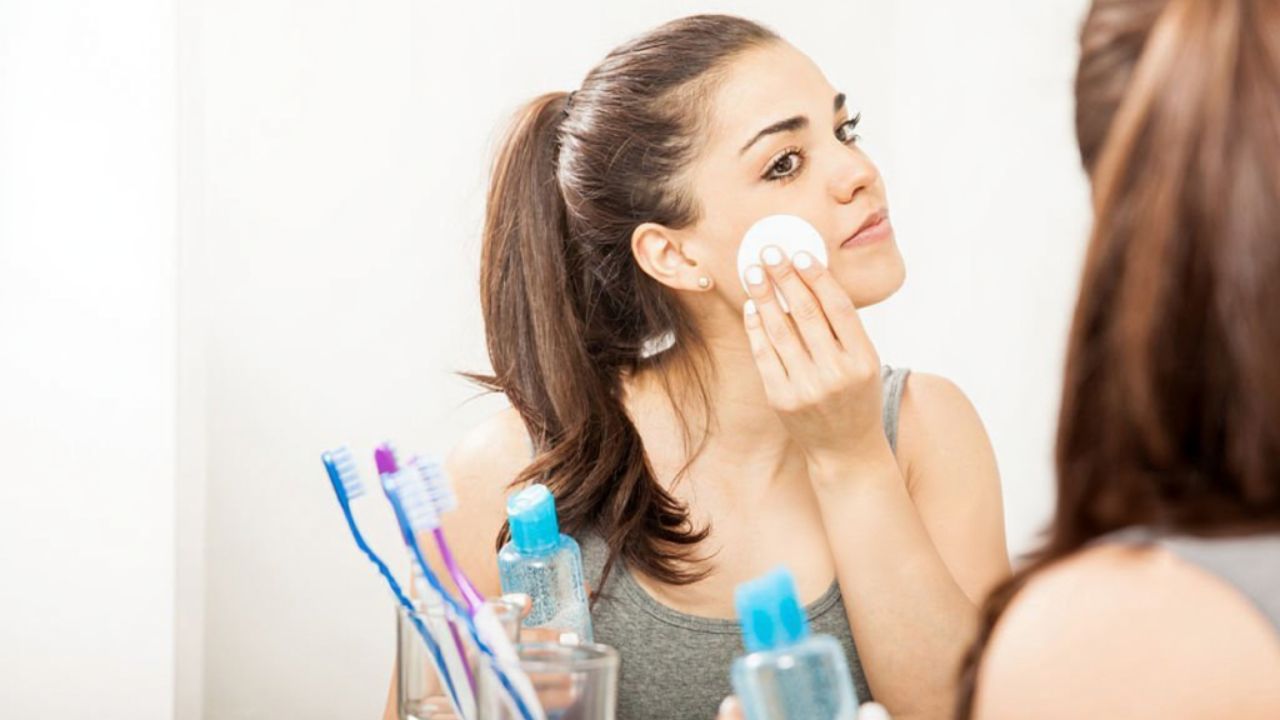
Skip the expensive scrubs and peels. A bottle of glycolic acid toner or a gentle chemical exfoliant will last months and do the same job more safely.
Use it once or twice a week to clear dead skin and improve texture. Your skin will look brighter and absorb moisturizer better-no fancy spa treatments required.
Swap makeup wipes for micellar water
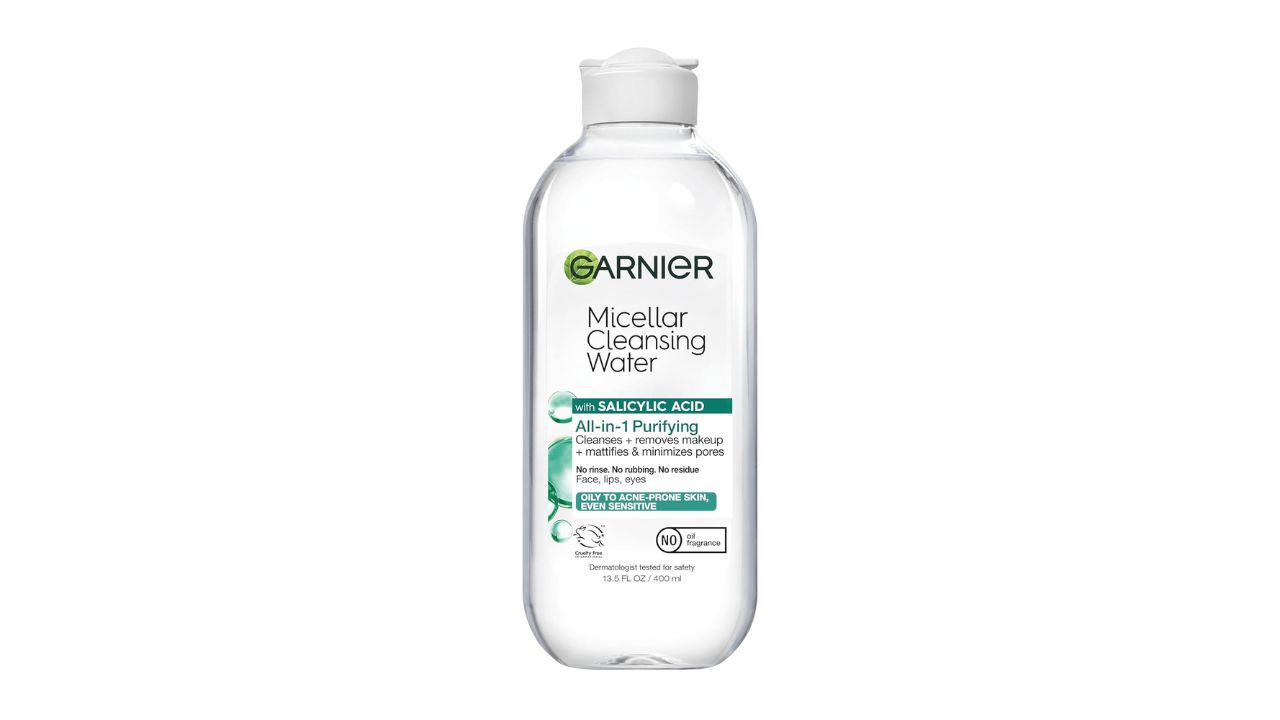
Makeup wipes are wasteful and irritating over time. Micellar water is cheaper, lasts longer, and actually removes residue without tugging on your skin.
Pour it onto a reusable cotton pad or washcloth and swipe it over your face. You'll spend less, create less waste, and protect your skin barrier.
Hydrate from the inside out

The cheapest way to improve your skin is to drink enough water. Dehydration makes fine lines and dullness worse, no matter how much moisturizer you use.
Add electrolytes once or twice a week or eat water-rich foods like cucumber and oranges. It's free skincare that works better than most supplements.
Sleep on a clean pillowcase

You don't need an expensive silk pillowcase to see results-just a clean one. Washing your pillowcases weekly keeps oil, bacteria, and old product from clogging pores.
It's one of the simplest habits that can reduce breakouts and skin irritation almost overnight. You'll notice a difference faster than with most topical products.
Use petroleum jelly strategically
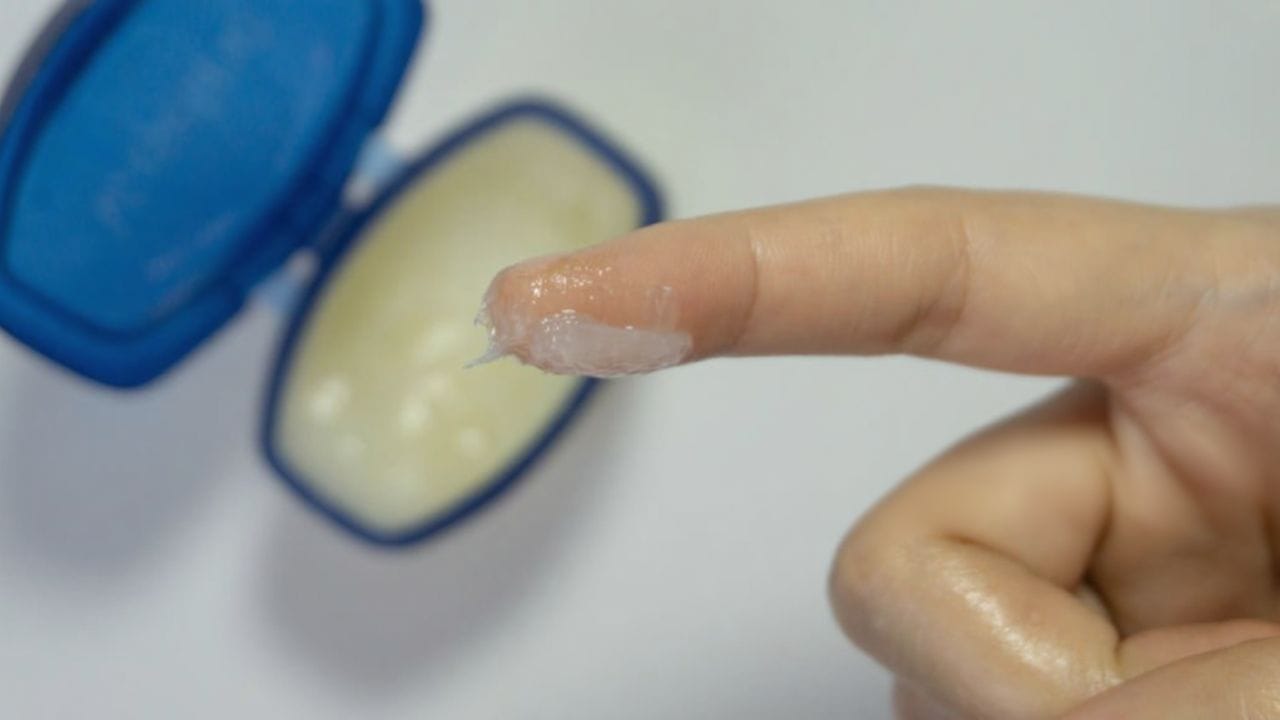
A small tub of petroleum jelly costs under $2 and works wonders for dry lips, cracked hands, and irritation. It locks in moisture better than most creams and lasts for months.
Apply a thin layer to problem areas before bed. Dermatologists call it "slugging" when used on the face-it helps repair your skin barrier without fancy ingredients.
Keep showers short and warm
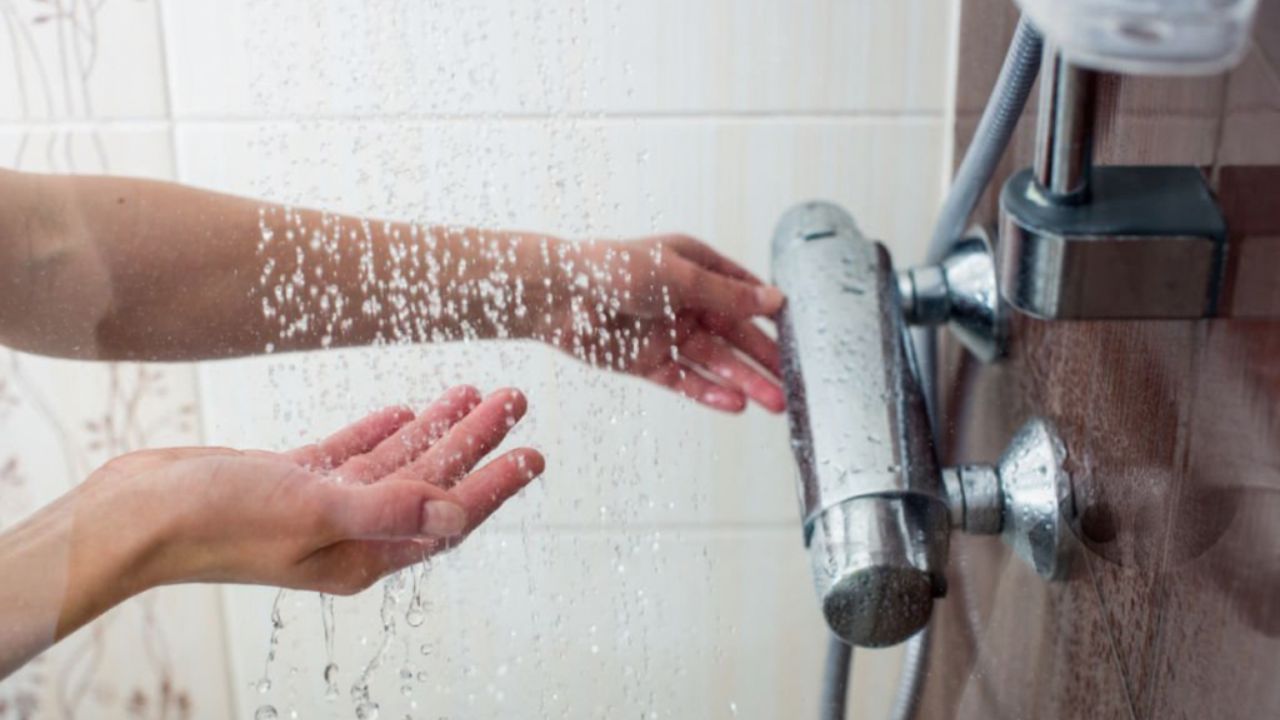
Hot water strips away natural oils and leads to dryness, flaking, and irritation. Short, lukewarm showers protect your skin and cut down on how much lotion you need afterward.
Switching this one habit can save you money on products and utilities. Your skin will feel softer within days, especially in dry seasons.
Simplify-don't stack

The biggest waste in skincare is using too many products at once. Layering five serums every morning doesn't give better results-it often causes irritation.
Stick to three basics: cleanse, moisturize, protect. Add extras only if your skin actually needs them. The less you overcomplicate your routine, the less you'll spend-and the healthier your skin will look long-term.
*This article was developed with AI-powered tools and has been carefully reviewed by our editors.






Leave a Reply