
Side hustles get talked up like they're the ticket to easy extra income, but not all of them actually pay off. Some eat up your time, cost more to start than they'll ever earn, or depend on luck rather than skill.
A few even end up costing you money instead of making it. If you've been tempted by one of these "too good to be true" options, it's worth taking a closer look before diving in. Here are the ones that rarely work out the way people expect.
Selling plasma for extra cash
Selling plasma seems like an easy way to make money, but it's more draining than people realize-literally. You'll spend hours between check-ins, donation time, and recovery, often for less than $50 per session.
It's also physically tiring and not something you can safely do too often. Over time, it can affect your energy, hydration, and immune health. It's not the sustainable side income it's often made out to be.
Filling out online surveys
Online survey sites advertise quick payouts for sharing your opinion, but most pay cents per survey-if they pay at all. It takes hours to make even a few dollars.
Many sites also disqualify you mid-survey after collecting your data, wasting your time without compensation. It's one of the lowest-paying "hustles" out there and rarely worth the effort.
Starting a dropshipping business
Dropshipping gets sold as a low-cost path to passive income, but it's overcrowded and unpredictable. You're competing with big retailers selling the same products for less.
Between unreliable suppliers, long shipping times, and high refund rates, it's tough to build trust or repeat customers. Most dropshipping stores fail before they turn a profit.
Investing in vending machines
Vending machines sound hands-off, but they take more maintenance than people expect. You have to restock, repair, and secure locations-which often charge rent or commissions.
Startup costs can easily reach thousands before you make a dime. Between theft, low traffic, and product spoilage, returns are usually much slower than advertised.
Renting out your car

Peer-to-peer car rental apps promise passive income, but wear and tear adds up fast. One bad renter can leave you with damage that insurance may only partially cover.
Maintenance, cleaning, and downtime between bookings often eat up profits. It's rarely worth the risk unless you have a spare vehicle you don't mind losing value on.
MLM or "direct sales" businesses
Multi-level marketing companies lure people in with flexible schedules and "unlimited earning potential," but most participants never turn a profit. Many end up buying inventory they can't sell.
You'll spend more time recruiting than selling, and relationships can get strained in the process. If you have to pay to join, it's not a side hustle-it's someone else's business model.
Print-on-demand stores
Creating T-shirts or mugs with online print shops seems easy until you factor in marketing costs. The profit margins are razor thin, and you need constant traffic to stay afloat.
Designing and uploading products takes time, and most people never sell enough to cover platform fees or ad spending. Without a loyal following, it's hard to stand out.
Renting out your space short-term
Airbnb-style rentals can be lucrative in theory, but they come with major downsides-cleaning, insurance, local restrictions, and guest damage.
Once you factor in utilities, taxes, and maintenance, profits shrink quickly. If you live on-site, it can also disrupt your privacy and routine more than it's worth.
Selling handmade crafts online
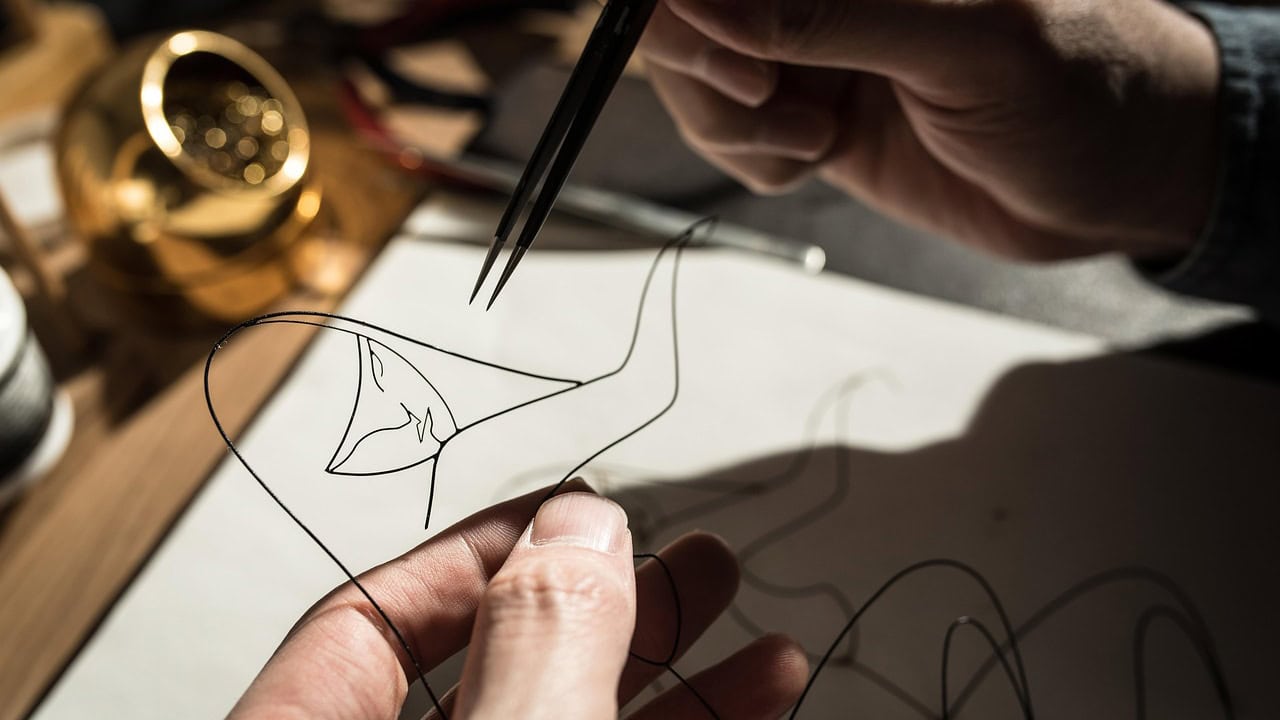
Handmade shops are rewarding for creative types, but turning them into a real income source is tough. Materials, packaging, and shipping costs eat into profits fast.
Platforms take fees on every sale, and marketing requires time and money. Unless you're ready to scale production, it often ends up being an expensive hobby instead of a side hustle.
Renting out advertising space on your car
Companies that pay to wrap cars in ads sound promising, but most legitimate programs are selective and limited to high-mileage urban drivers.
Many "get paid to drive" offers are scams asking for upfront fees or personal information. Even when it's real, the payout barely covers the extra wear on your car.
*This article was developed with AI-powered tools and has been carefully reviewed by our editors.






Leave a Reply