
10 routines that saved me over $100 in forgotten bills

Forgetting to pay a bill might not sound like a big deal at first, but those late fees add up fast. Even one missed due date can set you back $20 or more, and if it happens a few times in a year, you're looking at hundreds of dollars wasted.
The good news is you don't have to overhaul your life to stop it from happening. A few steady routines can keep everything on track and save you from those surprise charges.
Setting Up Auto-Pay Where It Makes Sense
Auto-pay is the easiest way to avoid late fees on bills you pay regularly. Utilities, internet, and phone services almost always allow it, and once you set it up, you don't have to worry about remembering the date.
If you're nervous about overdrafting, link it to an account where you know the funds will be there. You can still check each bill monthly, but auto-pay acts as a safety net.
Using Calendar Reminders for Due Dates

Not every bill works with auto-pay, and that's where calendar reminders save you. Adding bill due dates into your phone calendar means you'll get a notification before it's too late.
Set them a few days early so you have wiggle room if you need to move money around. This habit takes five minutes to set up but can save you from fees for years.
Checking Accounts Once a Week

A quick weekly check of your accounts keeps you aware of what's coming out and when. It's easy to miss a draft if you're not paying attention, especially with multiple bills on different schedules.
By making this a weekly routine, you catch issues before they spiral. You'll also feel more in control, which makes it harder for surprise charges to sneak up.
Keeping All Bills in One Place
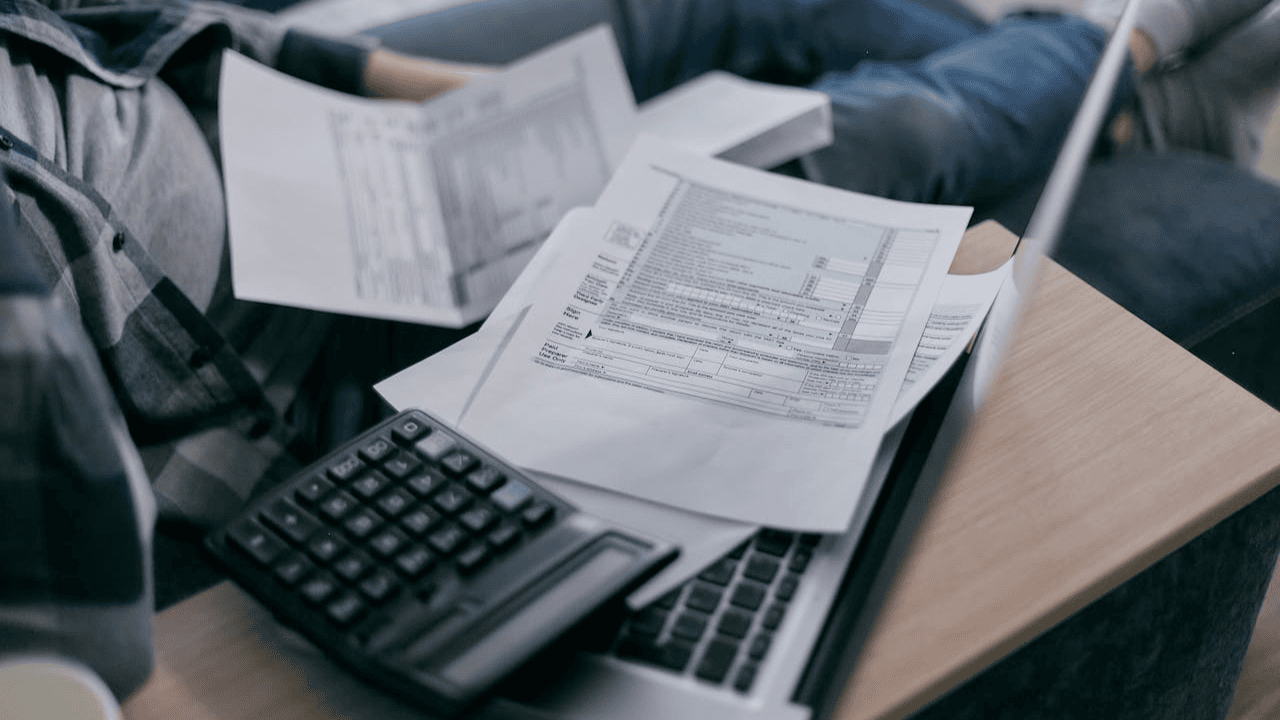
Whether you prefer paper or digital, keeping bills together makes them harder to forget. If they're scattered across emails, mail piles, and random apps, something will slip through.
Choose one method-like a folder for paper bills or a dedicated email folder-and stick to it. When everything is organized, it's easier to pay on time without second-guessing yourself.
Paying Bills on the Same Day Every Month

Routines stick better when they're consistent. Picking a "bill day" each month-like the 1st or the 15th-helps you tackle everything at once.
Even if the due dates vary, paying early on a set day keeps you from scrambling later. You'll know bills are handled, and you can move on without carrying them in the back of your mind.
Tracking Subscriptions Regularly

Streaming, apps, and subscription boxes are easy to forget about, especially if they're on autopay. Taking a few minutes each month to check which ones are still active keeps you from paying for things you don't use.
Canceling even one unused subscription can save you $10-$20 a month. Do this often enough, and you'll notice real savings with very little effort.
Using Banking Alerts for Low Balances
Most banks let you set alerts for when your balance dips below a certain amount. This helps you avoid overdrafts if a bill clears before you expected it.
It's a small layer of protection that can keep a $5 mistake from turning into a $35 overdraft fee. With alerts in place, you're more aware of what's happening in real time.
Double-Checking Auto-Drafts Quarterly
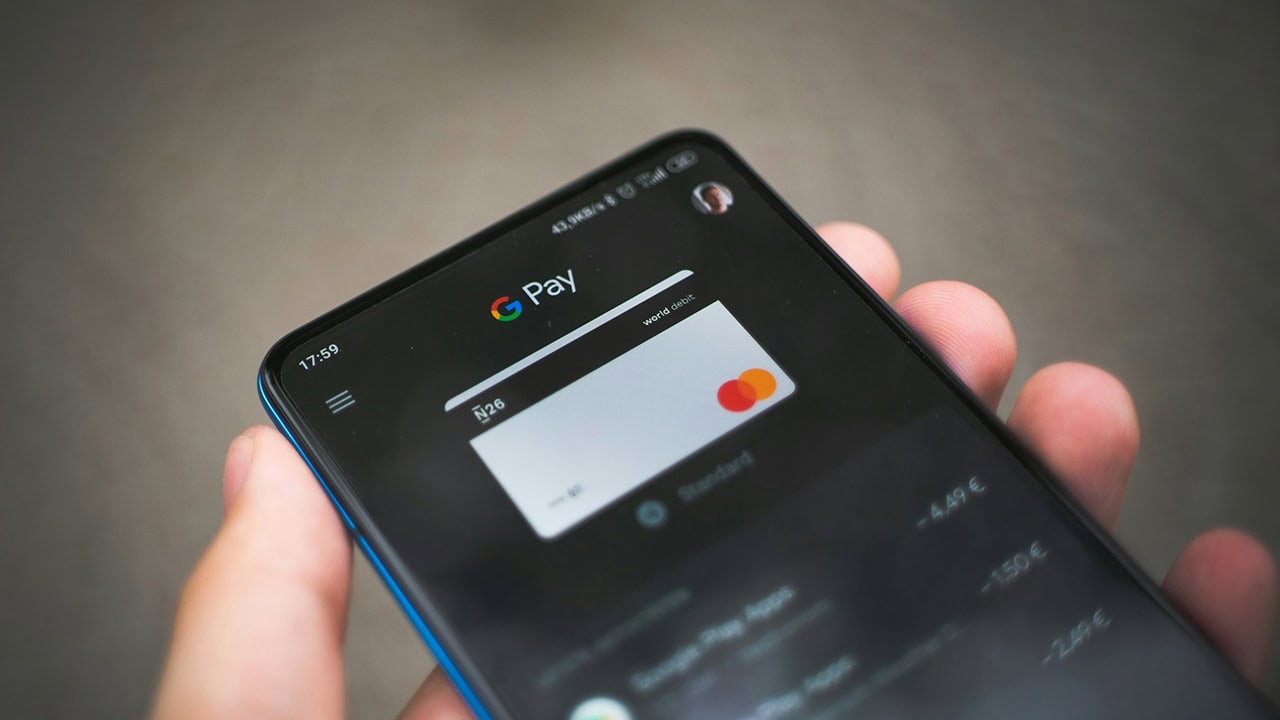
Even with auto-pay, things can go wrong. Cards expire, accounts change, and sometimes payments don't process the way they should. That's why it's smart to review auto-drafts every few months.
This quick check keeps you from assuming bills are paid when they're not. Catching a failed payment early prevents late fees from piling on.
Keeping a Small Cushion in Your Bill Account

Having a buffer in the account where bills draft gives you breathing room. Even an extra $50-$100 can keep you from overdrafting if something unexpected hits.
It's not always possible to build a large cushion right away, but even a small one makes a difference. This habit keeps your bills safe while you work on bigger savings.
Reviewing Bills for Errors Once a Month
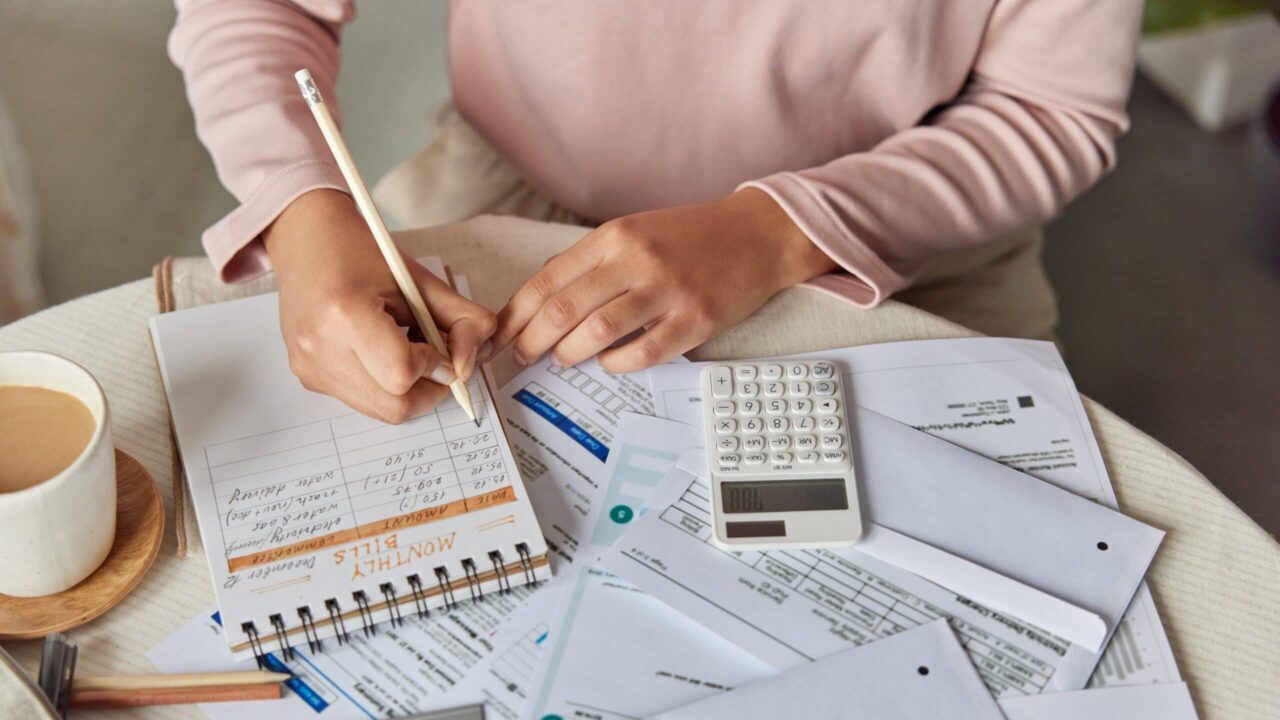
Mistakes happen more often than you'd think. Utility companies, credit card statements, and even medical bills can have errors that cost you money.
Taking 10 minutes once a month to scan your bills can catch these issues before you pay them. Disputing charges right away keeps you from losing money you didn't owe in the first place.
*This article was developed with AI-powered tools and has been carefully reviewed by our editors.






Leave a Reply